

Why Transparency About Results Matters: definition and context
Why Transparency About Results Matters begins with a straightforward working definition: transparent reporting means disclosing the underlying data, analytic methods, materials, metrics, limitations, and any changes over time so others can appraise findings and, where appropriate, reproduce the work. This approach to reporting is practical, not theoretical, and it supports clearer evaluation by peers, customers, or regulators.
At its core transparency connects three practical capabilities: reproducibility, clear description of data and methods, and explicit statements about limitations and uncertainty. An open research culture emphasizes these items as core practices to improve credibility and reproducibility, linking clear disclosures to better appraisal of evidence Science article on open research practices.

Across domains the same basic elements matter. In scientific publishing, a transparent report enables replication and peer review. In markets, timely material disclosures let investors and partners assess risk and act consistently. In technology, especially for machine learning systems, documenting data sources, model behavior, and limits helps users make responsible choices and reduces misuse. These similarities do not erase domain differences, but they show why consistent disclosure elements are useful in research, markets, and technology.
Transparency improves the quality of decisions that follow from reported results, yet it does not remove uncertainty or guarantee correct outcomes. Clear disclosure helps people weigh evidence and make informed choices, while recognizing that all findings carry limits and conditional claims.
Why Transparency About Results Matters for trust and decisions
Transparent communication consistently ranks as a core driver of institutional credibility in contemporary trust research. Public and stakeholder trust depends on reliable, understandable information and on organizations that document what they did and why, not only what they found Edelman Trust Barometer.
Regulatory practice also treats transparency as essential for decision making. Rules that require timely, standardized reporting of material events give stakeholders a consistent basis to assess risk and adjust behavior. For example, disclosure rules that set clear timelines for reporting material incidents are designed to support consistent investor decisions SEC disclosure rule document.
Download the one page transparency checklist
Download the one page checklist later in this guide to compare your current disclosures with baseline expectations.
These two kinds of evidence, public trust research and regulatory practice, point in the same direction. They show that transparent reporting is not just a technical ideal. It is also a pragmatic requirement when audiences need to act on results, because consistent, timely, and comparable disclosures lower the friction for informed decisions.
It is important to remember that research into the precise causal effect sizes of transparency is still evolving. Transparency is a leading driver of credibility, but measurement methods and quality metrics are still improving, so organizations should adopt recognized practices while also tracking whether disclosures are achieving the intended effect.
Core elements to disclose in any transparent results report
A robust transparent report reliably answers a short set of practical questions: What data or materials produced the results, exactly how were they processed and analyzed, which metrics and uncertainty measures describe the outcomes, and what known limitations or changes affected the conclusions. These elements give readers what they need to appraise the work and to attempt reproduction where appropriate.
Disclose data access, analytic methods and code, primary metrics with uncertainty estimates, known limitations, and a versioned record of any post hoc changes.
Start with three basic disclosure areas, explained so you can adopt them consistently. First, data and materials means either sharing raw data or providing clear, reproducible access instructions and describing preprocessing steps that affect results. Second, analytic methods and code means sharing executable details, scripts, model settings, or decision rules so analyses can be inspected. Third, metrics and uncertainty means reporting primary outcomes, confidence or uncertainty intervals, and known limitations, plus a log of any post hoc changes.
Data availability is practical. A good report includes a clear data access statement, notes any restrictions, and documents preprocessing operations that would change results if repeated. Analytic code or sufficient algorithmic detail is equally important. When code is not shareable because of privacy or proprietary constraints, the report should describe algorithms, model versions, parameters, and exactly how metrics were computed so independent reviewers can approximate the steps.
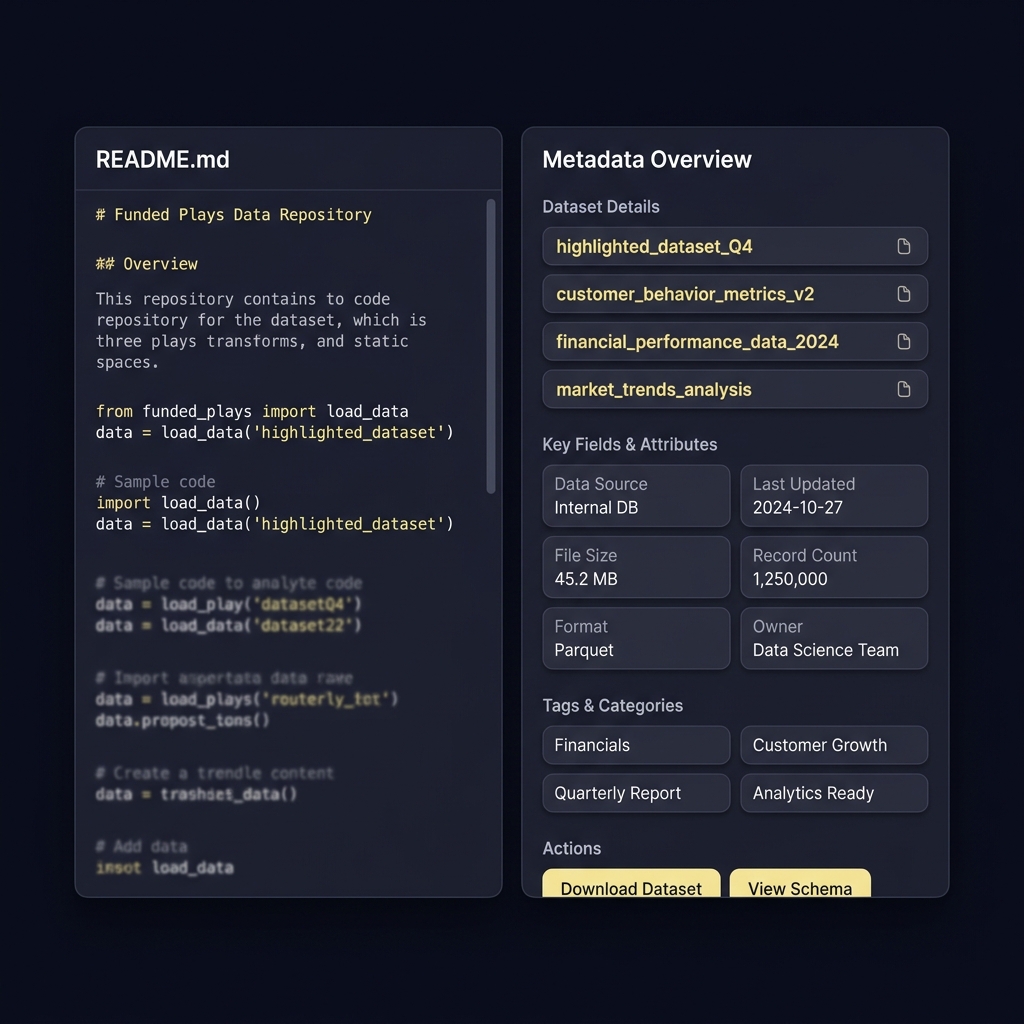
Metrics and uncertainty belong in the main results section, not as an appendix. Report the primary metric used to judge outcomes, provide confidence or uncertainty bounds where possible, and explain known weaknesses. If methods changed during the project, record those changes and timestamp them so readers know which procedures applied to which reported numbers. Practical examples of how to present each item appear below in the checklist and in the example scenarios.
Reporting frameworks and checklists you can adopt
Adopting a recognized reporting framework simplifies implementation and helps readers compare reports across teams or organizations. The TOP Guidelines summarize core open research practices for disclosing data, code, materials, and analytic details, and they serve as a flexible baseline for reproducibility-focused reporting Science article on open research practices.
For domain specific work, several established checklists set minimum expectations. PRISMA 2020 defines the reporting items for systematic reviews, including detailed search strategies, selection processes, risk-of-bias assessments, and clear statements on limitations PRISMA 2020 statement.
Similarly, CONSORT 2010 outlines essential items for randomized trial reporting, such as allocation procedures, blinding, and harms, which enable appraisal and replication across trial reports CONSORT 2010 statement. The SPIRIT-CONSORT resource also maintains guidance on trial reporting consort-spirit.org.
These frameworks are complementary. TOP provides general open practices that apply across disciplines. PRISMA and CONSORT are tailored to systematic reviews and randomized trials respectively. Choose the checklist that best matches the study design and use the general principles to fill gaps.
A practical framework to implement transparent reporting
Implementing transparent reporting is simplest when you treat it as a process with five core steps: plan, collect, document, publish, and update. Planning means selecting an appropriate reporting checklist before analysis begins, so expectations guide data collection and metadata capture. Documenting as you go prevents loss of context and provides a contemporaneous record of decisions.
During the collection and analysis phases record data provenance, preprocessing actions, and analytic decisions. Where possible capture code, model settings, and random seeds in version control so they are reproducible. After analysis publish the results with clear access instructions, a data access statement, and metadata that explains how readers can verify key computations.

Finally, maintain a versioning plan. When errors are found or methods change, publish corrections with timestamps and a short explanation of the impact on the reported results. This stepwise approach keeps transparency manageable and aligns internal workflows with external expectations.
For teams building routines, pick one checklist item to adopt in the next sprint, assign a responsible person to maintain the documentation, and schedule a brief public update cycle so readers know when to expect new information.
Decision criteria: how to evaluate whether a results report is transparent
Users and reviewers can apply a short minimum acceptability checklist to judge transparency quickly. The checklist focuses on observable items that raise or lower confidence in the report's usefulness for decision making.
A three item rubric to assess basic transparency
Use as a quick screen for published reports
At minimum look for these items in any report. First, a clear data access statement describing how to obtain raw data or why data cannot be shared. Second, an adequate method description that includes enough detail to understand preprocessing and analytic choices. Third, explicit uncertainty measures such as confidence intervals or sensitivity checks. The presence of these items raises baseline confidence.
Minimum acceptability checklist for consumers
Use this short checklist to grade reports. A report is minimally acceptable if it includes a data access statement, a method description that specifies key preprocessing steps and model parameters, and a clear statement of uncertainty or limits. Absent one or more items, treat the report as incomplete for most decision making.
Red flags include missing code or reproducibility artifacts, undisclosed post hoc changes to methods, and vague statements about data availability. Regulatory disclosure expectations can raise the baseline for certain industries. If a regulator requires timely material disclosures, the presence of such disclosures improves the report’s baseline trustworthiness.
When you need to assign a quick confidence grade, mark reports with all three items as higher confidence, reports missing one item as moderate, and reports missing two or more as low confidence for decision making.
Common errors and pitfalls that undermine transparent reporting
Selective reporting weakens credibility. Cherry picking positive results while omitting negative or ambiguous outcomes creates a misleading impression of reliability. This behavior makes it difficult for readers to assess the full evidence and can bias downstream decisions.
Another common problem is missing reproducibility artifacts. When code, model versions, or raw data are not available or sufficiently described, independent verification is impossible. Reports that omit these artifacts should include a clear explanation and a pathway to verification, such as a data access request process or an audited summary of the computations.

Late or unclear updates are also damaging. If methods change or errors are corrected but the report is not versioned or the corrections are not timestamped, readers cannot tell which results reflect which procedures. Timely, versioned corrections are preferable to delayed or ambiguous updates because they allow stakeholders to reassess decisions based on the new information.
Practical examples and scenarios (how this looks in practice)
Example one, a published systematic review. A high quality review following PRISMA 2020 presents the full search strategy, a flow diagram of study selection, a risk-of-bias assessment for included studies, and a limitations section that explains gaps and heterogeneity. Readers can retrace the search and understand how selection affected the conclusions PRISMA 2020 statement.
Example two, a technology team documenting a machine learning model. A practical documentation summary includes data sources and provenance, the model architecture and hyperparameters, known capabilities and failure modes, and a limitations statement. NIST guidance recommends documenting model capabilities, data, methods, and limits so users understand risk and appropriate use cases NIST Generative AI Profile.
Example three, applied to a sports prediction or skill challenge platform. A neutral, non promotional illustration shows how a platform can disclose challenge rules, defined metrics for qualification, drawdown or performance tolerances, and an account of any rule changes or recalibrations. Presenting a clear metric definition, historical baseline performance summaries, and a timestamped log of rule changes lets participants and observers assess fairness and decision quality.
Each scenario follows the same pattern: state what was measured, how it was measured, what the results mean in context, and what limitations apply. That pattern makes reports comparable across projects and over time.
Conclusion: next steps and a short implementation checklist
Three immediate actions teams can take are the following. First, adopt a recognized checklist that matches the study design, whether a general open practices guide or a domain specific standard. Second, document decisions and data provenance in real time during the project. Third, publish results with a versioning plan so corrections and updates are transparent and traceable.
Transparency is iterative. Measurement of transparency quality is improving, and organizations should plan to refine their disclosures over time, using user feedback and audits to guide improvements. Adopting recognized frameworks increases comparability and helps readers make better decisions based on reported results.
Use the one page checklist referenced earlier to run a quick review of your next report. Small, consistent steps yield clearer reports and more reliable decisions over time.
A data access statement explains how to obtain the raw data used in a report or why it cannot be shared. It helps readers evaluate and, when possible, reproduce findings.
Start with a general open practices checklist and then add a domain specific standard like PRISMA for reviews or CONSORT for randomized trials as appropriate.
No. Transparency improves the quality of decisions by making evidence clearer, but it does not eliminate uncertainty or guarantee correct results.
References
- https://www.science.org/doi/10.1126/science.aab2374
- https://www.edelman.com/sites/g/files/aatuss191/files/2024-01/2024_Edelman_Trust_Barometer_Global_Report.pdf
- https://www.sec.gov/rules/final/2023/33-11216.pdf
- https://www.bmj.com/content/372/bmj.n71
- https://www.bmj.com/content/340/bmj.c332
- https://www.nist.gov/itl/ai-risk-management-framework/generative-ai-profile
- https://www.fundedplays.com/challenges
- https://pmc.ncbi.nlm.nih.gov/articles/PMC10833025/
- https://www.nature.com/articles/s41591-025-03635-5
- https://www.consort-spirit.org/
- https://www.fundedplays.com
- https://www.fundedplays.com/blogs
- https://www.fundedplays.com/blogs/how-fundedplays-evaluations-work