
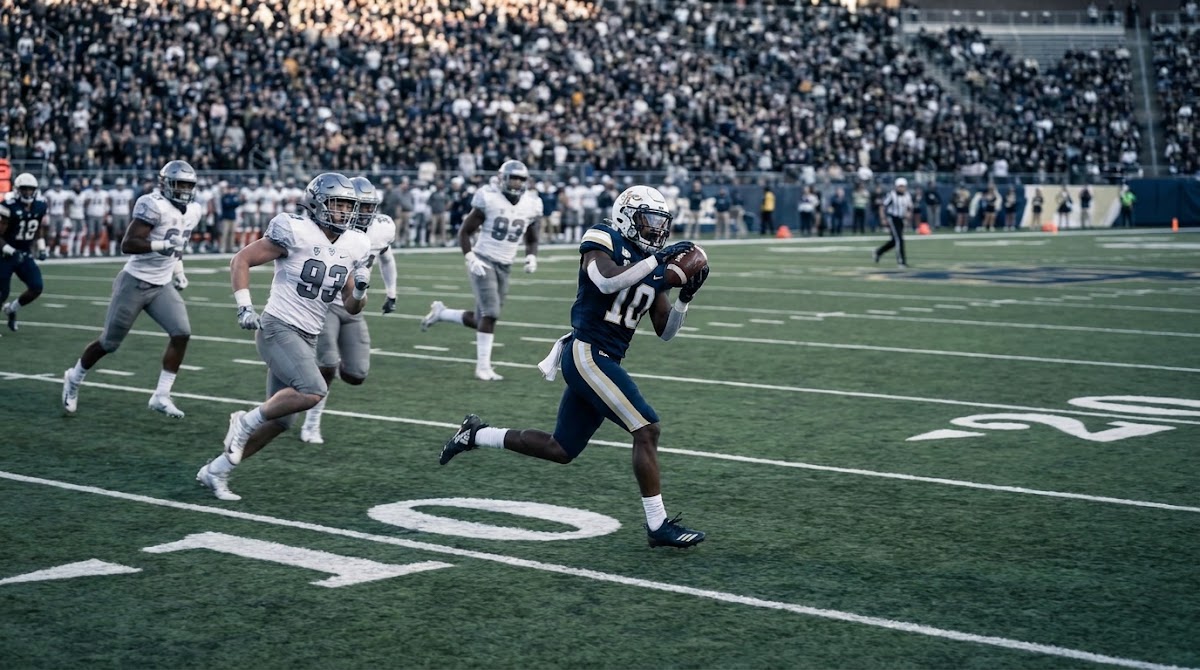
Why Special Teams Matter in College Football: An overview
Why Special Teams Matter in College Football is often overlooked, yet the phases that sit outside standard offense and defense control a string of small events that add up across four quarters. In this guide I use plain language to show what special teams are, why their actions change field position and scoring opportunities, and how understanding them can improve game viewing, coaching decisions, and prediction work.
Special teams covers plays that begin or restart possession, and plays that add points without a sustained drive. That includes kickoffs, kickoff returns, punts, punt returns, field goals, extra points, and rare plays such as onside kicks. These moments influence the game clock, the location where an offense starts its drive, and the immediate scoring state.
For many fans the most visible moments are long returns, blocked kicks, or a dramatic fake on fourth down. Those plays headline the narrative, but the cumulative effect of consistent punting, reliable kicking, and disciplined coverage can be just as decisive in shaping scoring chances and opponent strategy. Learning the basics gives a clearer lens for interpreting box scores and game film.
Download the special teams checklist and practice forecasting
Download the one-page special teams checklist or sign up for occasional updates to get practical pregame checks and in-game logging tips, without promises of results.
In short, this article explains roles, measurable signals, common mistakes to avoid, and ways to fold special teams into pregame and forecasting routines. It is written for college football fans, analytics users, and anyone who makes predictions using game signals. You will leave with a checklist you can use before kickoff and a simple spreadsheet idea for tracking impact.
What this article will cover
The guide breaks special teams into components you can spot in a box score and on film, shows how special teams shift expected scoring opportunities through field position and events that put points on the board, and offers practical metrics you can track.

It also covers decision criteria for when special teams should weigh more heavily in pregame thinking, common errors in interpreting special teams data, short game scenarios to practice annotating, coaching drills that matter, scouting traits for specialists, and how to include special teams signals in forecasting models.
Start with the overview and the pregame checklist near the end, then use the practical examples section to annotate a game log. If you want to build simple special teams features for prediction models, read the measurement and forecasting sections next. Use the checklist to make the concepts actionable on game day.
Why Special Teams Matter in College Football: What special teams units include
Special teams units combine players with distinct responsibilities and substitutes who enter only for those snaps. The main roster roles are kicker, punter, long snapper, returner, gunners on coverage, and blocker units for returns or field goals. Recognizing these names in a depth chart helps you follow personnel decisions in game reports and box scores.
The key phases to watch are kickoff and kickoff return, punt and punt return, and field goal or extra point attempts. On special circumstances you will also see onside kicks and two-point attempt formations that require specialty snaps and blocking alignments. Each phase has clearly different objectives: kickoffs tend to trade distance for hang time or placement, punts focus on hang time and placement to flip field position, and kicks aim to put points on the board reliably.
Colleges often prioritize specialization around the kicking trio: kicker, punter, and long snapper. Returners and certain coverage players may be multi-role athletes, but coaches will still give reps to slot those players into special teams packages. Situational substitution is common: a team may use a faster lineup for returns and heavier personnel for kickoff coverage near the goal line.
Roster groups and roles
When scanning a roster, look for players listed specifically as returners or specialists. A reliable long snapper reduces failed snap risk on field goals and punts. A punter who can place kicks inside the opponent 20 forces the return team to start drives in poor positions, and a returner with secure hands reduces turnover opportunities after sudden changes.
Key phases: kickoffs, punts, field goals and returns
Each phase is discrete in the play-by-play feed, so you can tag them easily when annotating. Kickoffs usually appear as a “kick” or “kickoff” line, punts are clearly marked, and field goal attempts are logged separately. Learning these labels makes later measurement and aggregation straightforward.
Why Special Teams Matter in College Football: Field position and scoring impact
Special teams influence expected scoring primarily by changing starting field position. A return that gains substantial yardage or a punt that pins an opponent near their goal line alters the immediate likelihood that an offense will score on the following drive. In other words, special teams actions act as a mediator between game events and point outcomes by shifting where possessions begin.
A long return increases the immediate scoring probability by improving starting field position and often affects subsequent play-calling; the exact effect varies by game context so it is best estimated from aggregated starting field position and drive outcomes.
Beyond gradual effects on expected scoring, single special teams plays can directly add points via return touchdowns or blocked kicks that are returned. Those events are rare but high impact, and they change both the scoreboard and the opponent plan, often forcing more aggressive play-calling on the next series.
Another common mechanism is clock management. A touchback versus a return can change how many plays remain for a late drive, and a punt that pins an opponent deep shortens the field the offense must traverse. Coaches and analysts think of these moments as small decisions that compound across a game to alter win probability.
Because the link between special teams plays and scoring is position-based, analysts often frame the effect in terms of expected points from the ensuing starting field position rather than treating each play as an independent point event. That shift in viewpoint helps when comparing teams that trade occasional big returns for consistent poor punt coverage; different patterns have different implications for long-term performance.
How special teams shift expected points
When a punt is downed inside the five yard line, the defending team has a materially different expected outcome for the next drive than if the drive had started at midfield. Conversely, a long kickoff return that places a team near the red zone increases the immediate chance of scoring. These are directional, not absolute, effects; they change probability distributions rather than guarantee outcomes.
Examples of momentum and scoring swings from returns and special teams plays
Momentum shifts often follow visible special teams events because those plays change both scoreboard and field position and because they are emotionally salient to players and fans. A blocked field goal returned for points or a surprise onside kick can alter the tempo and lead a coach to adjust play-calling for several drives.
When you watch a game, note whether special teams events force an opponent into longer field drives or compress their playbook because of poor starting field position. That pattern demonstrates the indirect but consistent way special teams contribute to final outcomes.
Measuring special teams: metrics and basic analytics
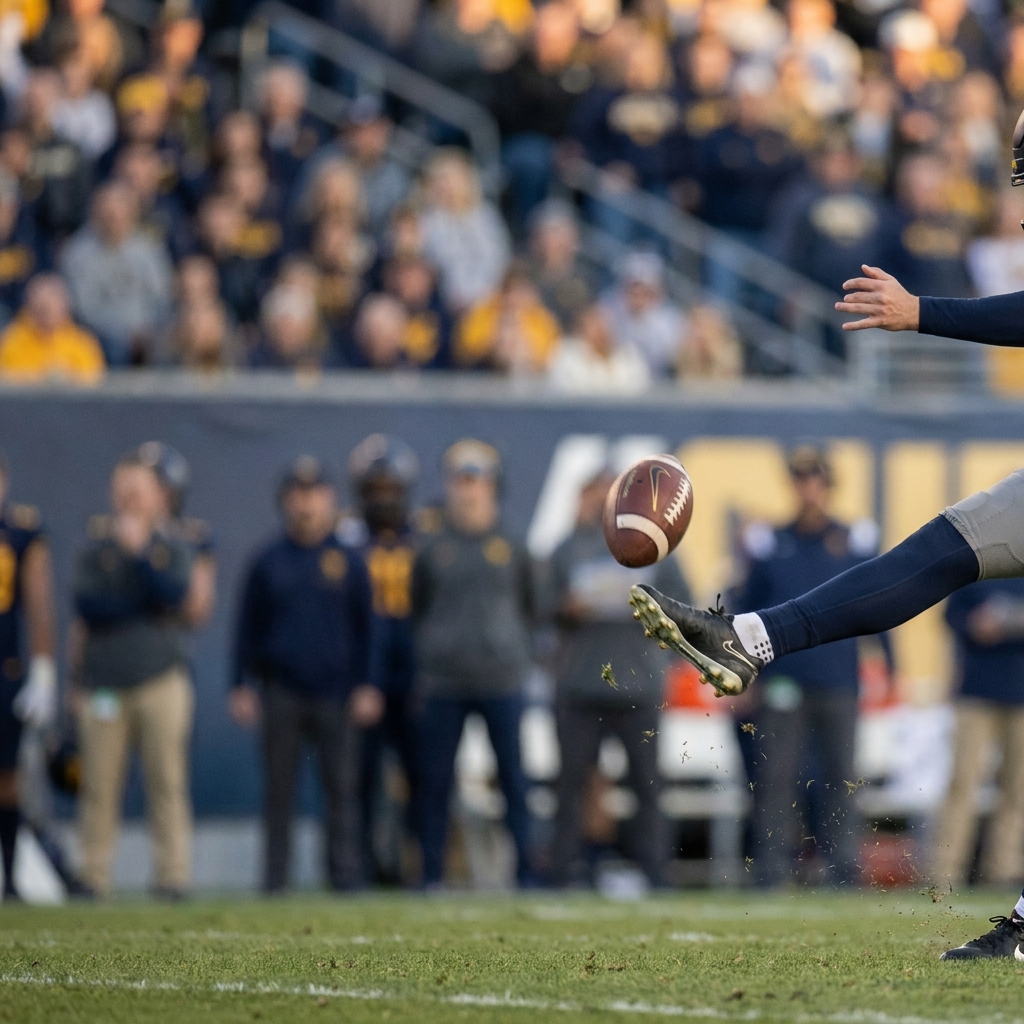
Tracking special teams starts with straightforward box-score metrics that most public data sources provide. Useful basic stats include punt average, net punting, return yards, touchbacks, field goal percentage, and simple counts of blocked kicks. These values give a first-pass view of who is executing and who is struggling.
Net punting differs from gross average because it accounts for return yardage and punts that are downed or go out of bounds. Net punting is a context-sensitive number that better reflects how much field position a team actually exchanges on the punt play. Likewise, raw return yards are informative but better viewed with information about opponent starting positions and hang time context.
Advanced measures move beyond box-score columns to capture distributions of starting field position, the percentage of opponent drives beginning inside the 20, and special teams expected points contribution. These higher-level signals compress several play outcomes into estimates of the net effect on scoring opportunities over a sample of games.
Simple box-score metrics to watch
When watching pregame or postgame stats, focus on a small set of indicators: field goal percentage for kicking reliability, net punting for true punt value, average return yards for return threat level, and touchback rates for kickoff placement. Tracking these over several games reduces the noise from single-event swings.
Advanced metrics that analysts use
Analysts often compute starting field position distributions and calculate the share of drives that begin inside an adverse boundary such as the 20. Aggregating these measures across multiple games gives a sense of how special teams are changing offensive opportunity. Because these metrics rely on samples, they require cautious interpretation when small samples are present.
Data quality matters: a single unusually long return or a rare blocked kick can skew averages in a short window. Use rolling averages or median-based measures to limit the influence of outliers when assessing recent form.
Decision criteria: When special teams matter most
Special teams matter more in certain contexts. Close games, adverse weather, matches between teams with lopsided offense and defense, and contests where one side has specialist injuries are all situations where special teams signals should carry extra weight in pregame decisions or live adjustments.

When building a pregame checklist, look for recent trends in return yards, punting net, field goal reliability, and any specialist injuries that reduce a team's expected performance in those phases. Recent weather reports and turf conditions can alter kick and punt outcomes and should be factored into decision weighting.
Sample-size caution is important. A team that had one poor punt night should not automatically be judged as weak in punting if that night included unusual circumstances such as high wind or a short field. Conversely, a team that consistently pins opponents inside the 20 over many games is showing a reliable advantage worth noting.
Game situations where special teams swing outcomes
Late close games with short margins, red zone possessions following long returns, or sudden-death style moments after blocked kicks are classic scenarios where special teams have outsized influence. When these situations arise, coaches may alter risk tolerance for onside kicks, fake punts, or aggressive kickoff returns.
Using special teams data in pregame decisions
Include recent special teams metrics on your pregame checklist and compare them to league medians. If a specialist is injured or a team shows recent deterioration, add a notch of skepticism to any forecast that assumes normal kicking or coverage performance.
Common mistakes and myths about special teams
A common mistake is overvaluing a single spectacular play. One long return or a missed field goal can move narrative opinion quickly, but it may be an outlier rather than a sustainable trait. When analyzing teams, avoid sweeping judgments based on isolated events.
Another error is misreading gross punting averages as indications of field-flipping skill. Gross punting fails to account for whether punts are returned, downed, or result in touchbacks. Net punting, which factors in the return and placement outcomes, paints a more accurate picture of value.
There is also a myth that special teams are only about returns. Coverage units, snap reliability, and consistent kicking mechanics all contribute to the hidden stability that prevents game-changing errors. Good special teams play often looks like nothing spectacular-it is consistent execution that constrains the opponent.
Overrating single plays
Because big special teams plays are memorable, casual observers can overweight their predictive importance. Instead, record the play, mark it in your log, and then review whether it fits a pattern when you have a larger sample of plays to analyze.
Misinterpreting punting averages
Look for net measures and the frequency of punts placed inside the opponent 20 rather than relying solely on gross yard averages. Context such as field position when the punt was made and returner skill changes how a raw number should be read.
Practical examples and scenarios
Below are three short scenarios written in present tense so you can practice annotating game logs and film. Each demonstrates a different mechanism by which special teams can change drive outcomes and game momentum.
Scenario 1: A kickoff return gains substantial yards and places the offense inside the red zone. The return halts a previous defensive advantage and gives the offense a short field, increasing the immediate scoring chance and forcing the opponent to adjust defensive personnel on the next series.
estimate resulting field position after a return
use positive numbers toward opponent end
Scenario 2: A punt is downed inside the five yard line. The receiving offense starts deep in its own territory which changes play-calling and increases the chance of three-and-out or conservative plays. Over multiple drives, repeated pinning reduces the opponent expected points per drive.
Scenario 3: A blocked field goal is returned for a score or recovered and returned to midfield. The swing is direct points plus a psychological shift that can alter momentum and lead to different play selection for both teams in subsequent drives.
When annotating film and play-by-play, mark the phase, the starting and resulting field position, the outcome of the drive that follows, and whether personnel rotated. Keeping these fields makes it easier to aggregate and estimate the net contribution of special teams to scoring over a game. Read how Funded Plays evaluations work for framing your annotations.
How to annotate film and box score to capture these moments
On each special teams play record: type of play, line of scrimmage or kickoff yardline, return or net yards, immediate result, and drive outcome. Linking the special teams play to the following drive and outcome helps quantify the downstream effect rather than treating plays as isolated events.
Template for annotating a game log
A simple template column set is: play id, phase, team, start field position, end field position, net yards, result flag, following drive result. This structure will let you compute summary measures like average net change and frequency of high-impact events over a season.
Coaching and practice: drills and tactics to improve special teams
Coaches emphasize fundamentals: secure snaps, accurate placement, reliable ball handling by returners, and disciplined lane assignments on coverage. These basics reduce errors that create the biggest swing opportunities for opponents.
Practice structure includes repetition of specific scenarios: 4th down and short, end-of-half field goal attempts, and poor-field-position punts. Giving specialists situational reps helps them execute under the distinct pressures of game moments.
Essentials that coaches emphasize
Drills typically focus on snap and hold timing for field goals, tackling technique on coverage, and ball security on returns. Special teams coaches allocate reps to the players who will face live situations and rotate backups to build depth.
Practice structures and repetition
Coaches often schedule dedicated special teams periods that mirror game scenarios rather than generic drills. Those reps are about pressure and decision-making in context, not only about raw technique.
Roster roles and scouting: what to look for in players
Effective special teams players often share physical traits such as speed and reliable tackling, combined with mental attributes like situational awareness and consistent ball security. Returners who make quick reads and secure the catch reduce turnover risk and maximize return chances.
For punters and kickers, look for mechanical consistency and the absence of unforced errors such as shanked attempts or errant snaps. Experience and coaching are major predictors of stability because specialists benefit from repetition and role-specific coaching.
Attributes of effective special teams players
Speed, tackling technique, hands, and composure under pressure are the core attributes. A player who can break a tackle or make a block reliably increases the success rate of returns and coverage plays.
How to spot potential in recruiting and film
On film, check for secure returns under pressure, accurate directional kicking, and safe tackling in open space. Those traits translate to lower variance and fewer game-changing mistakes over a season.
Game planning: integrating special teams into weekly strategy
Make special teams a predictable element in your weekly workflow rather than an afterthought. Prioritize scouting opponent tendencies, noting any recent injury to specialists and adjusting practice reps accordingly.
A simple prioritization framework is to rank special teams factors by likely near-term influence: injuries to specialists, recent performance trends, weather on game day, opponent return threat, and punting matchups. Address the highest ranked items in practice and in the game plan.
When to emphasize special teams in your game plan
If weather is expected to reduce kicking accuracy or a key returner is injured, increase reps for affected packages and consider conservative in-game choices such as fair catches or directional kicks when appropriate.
Communication and coordination with offense and defense
Special teams is a coordination task: offensive and defensive coaches must agree on personnel swaps and signals for fake plays or aggressive recoveries. Clear pregame assignments reduce confusion on substitution and reduce the chance of bad snaps.
How special teams affect prediction models and forecasting
Including special teams features in forecasting models improves realism when done carefully. Useful features are starting field position distributions, average return yards, net punting, and the frequency of special teams scoring events. These features capture how special teams change drive-by-drive scoring opportunities.
Be cautious about collinearity. Some special teams signals correlate with offensive and defensive strength and can double count effects if not handled properly. Use rolling averages and regularization techniques conceptually to avoid overfitting to short-term noise.
A practical approach is to add a small set of robust special teams features to a model and test whether they improve out-of-sample performance. If they do not, reduce their weight or aggregate them into simpler composite indicators rather than many fine-grained metrics that risk instability.
Ways to add special teams to a model
Simple features to start with are average starting field position allowed, return yards per return, net punting, and special teams scoring frequency. Combine these with offensive and defensive baselines rather than treating them as wholly independent predictors.
Pitfalls when incorporating special teams data
Watch small sample effects and avoid letting one game dominate a predictor. Use rolling windows of multiple games when possible, and treat sudden large swings as signals that merit investigation rather than immediate model reweighting.
Resources and simple tools to evaluate special teams
Public play-by-play logs, box scores, and depth charts are the basic data sources you will use. Many public feeds show play type, yardage, and resulting field position, which is enough to build the simple spreadsheet templates described here. See the Funded Plays blog for related examples.
A basic spreadsheet layout includes columns for game, play id, phase, start field position, end field position, net yards, and drive result. With that layout you can compute average net change per special teams play and tabulate occurrences of high-impact events for trend tracking.
What data sources to check
Use official play-by-play logs and team depth charts from reliable public sources. These inputs let you match players to plays and understand personnel context when annotating unusual events. For academic analysis see the Wharton paper linked earlier.
A basic spreadsheet template to track special teams impact
Create a file with columns for date, opponent, kickoff or punt id, start location, end location, net yards, and note on penalties or special circumstances. Save annotated plays so you can filter by scenario type and compute rolling averages for decision-making.
A short checklist for evaluating special teams before kickoff
Use a one-page checklist to make rapid pregame judgments. Include recent return averages, field goal reliability, net punting numbers, injuries to specialists, local weather, and any matchup notes about returners or coverage units. Check the Funded Plays homepage for more on the platform.
Interpret red flags carefully: a single poor outing in bad weather is less informative than repeated failures across neutral conditions. Log special teams plays during the game for postgame review and learning.
Pre-game quick checks
Check specialist injuries, return yard trends, net punting, field goal attempts made, and weather that could affect kicks. Make a quick note on whether your model needs a manual adjustment for these items.
Red flags to watch during the game
Lose of snapper reliability, multiple penalties on returns, repeated poor hang time on punts, or an injured returner are all red flags that should prompt midgame reassessment.
Why Special Teams Matter in College Football: Key takeaways and next steps
Takeaway 1: Special teams change field position and can directly add points; both effects alter scoring opportunity in ways that matter across a game. Focus on measurable signals such as net punting and return yards to track that change.
Takeaway 2: Use rolling averages, sample-size caution, and simple annotations rather than reacting to single plays. A small spreadsheet or the checklist provided will help you keep observed special teams effects organized over several games.
Takeaway 3: Integrate special teams into pregame planning and forecasting as a distinct layer of features. Use the checklist and the annotated game log template to practice and refine weighting decisions in your predictions.
Apply the checklist to the next game you watch: mark special teams plays, track starting and resulting field positions, and summarize net effects after the game. Reflection on the logged plays helps turn observation into improved forecasts and better gameday decisions.
A basic spreadsheet layout includes columns for game, play id, phase, start field position, end field position, net yards, and drive result. With that layout you can compute average net change per special teams play and tabulate occurrences of high-impact events for trend tracking.
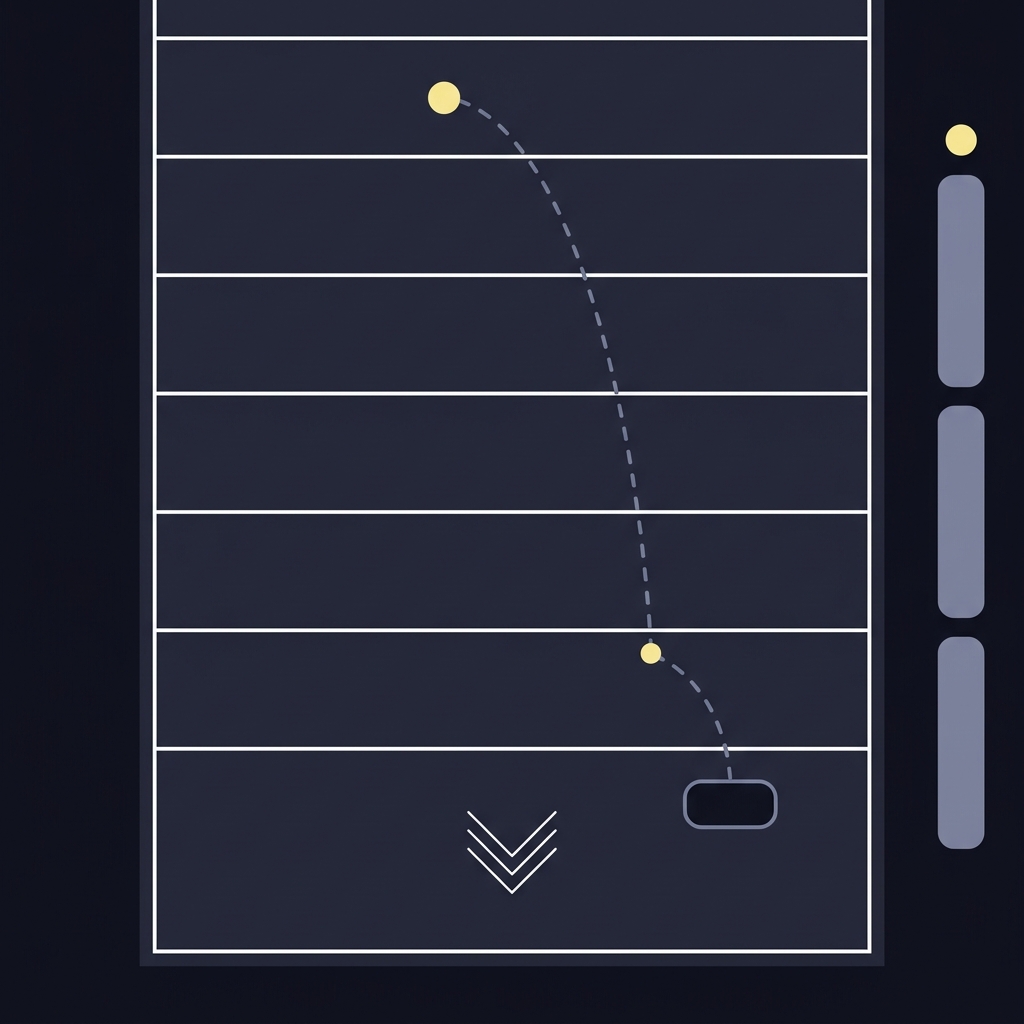
Use public play-by-play logs and a simple spreadsheet with columns for phase, start field position, end field position, net yards, and drive result to record plays and compute rolling averages.
Net punting and average return yards are practical starting points because they reflect true field-position change and return threat; complement them with field goal reliability for scoring risk.
Prefer rolling windows of multiple games rather than a single outing; three to five games can reduce noise, but consider context such as weather or injuries when evaluating trends.
References
- https://cfbfastr.sportsdataverse.org/articles/college-football-expected-points-model-fundamentals-part-i.html
- https://wsb.wharton.upenn.edu/wp-content/uploads/2024/05/Impact-of-Special-Teams-Paper-FINAL.pdf
- https://staturdays.com/college-football-stats-explained/
- https://www.fundedplays.com
- https://www.fundedplays.com/blogs
- https://www.fundedplays.com/blogs/how-fundedplays-evaluations-work
- https://www.fundedplays.com/challenges