
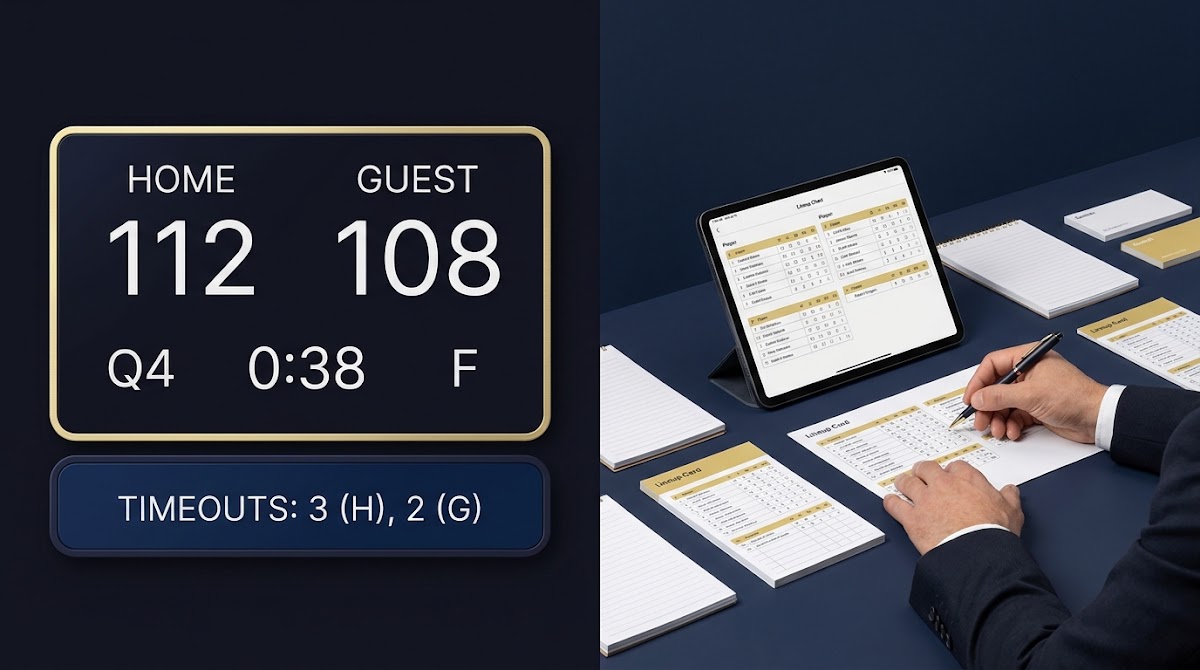
Introduction: why playing time matters for prop selection
What this article covers
This article shows how minutes and role shape the likelihood that a player will hit a counting-number prop, and it gives a step-by-step approach you can use before and during a game. The focus is practical: build simple rules that reduce avoidable variance and help you make clearer stake decisions.
How to use this guide
Read the definitions first to align terms, then use the decision checklist and scenario examples to practice. Short workflows and a pre-game routine let you apply the ideas to a single sport or across multiple sports. Keep a simple record of decisions and outcomes so you can refine your thresholds over time. Check our blog to explore related posts.

Definition and context: what we mean by playing time and props
Clarify types of props affected
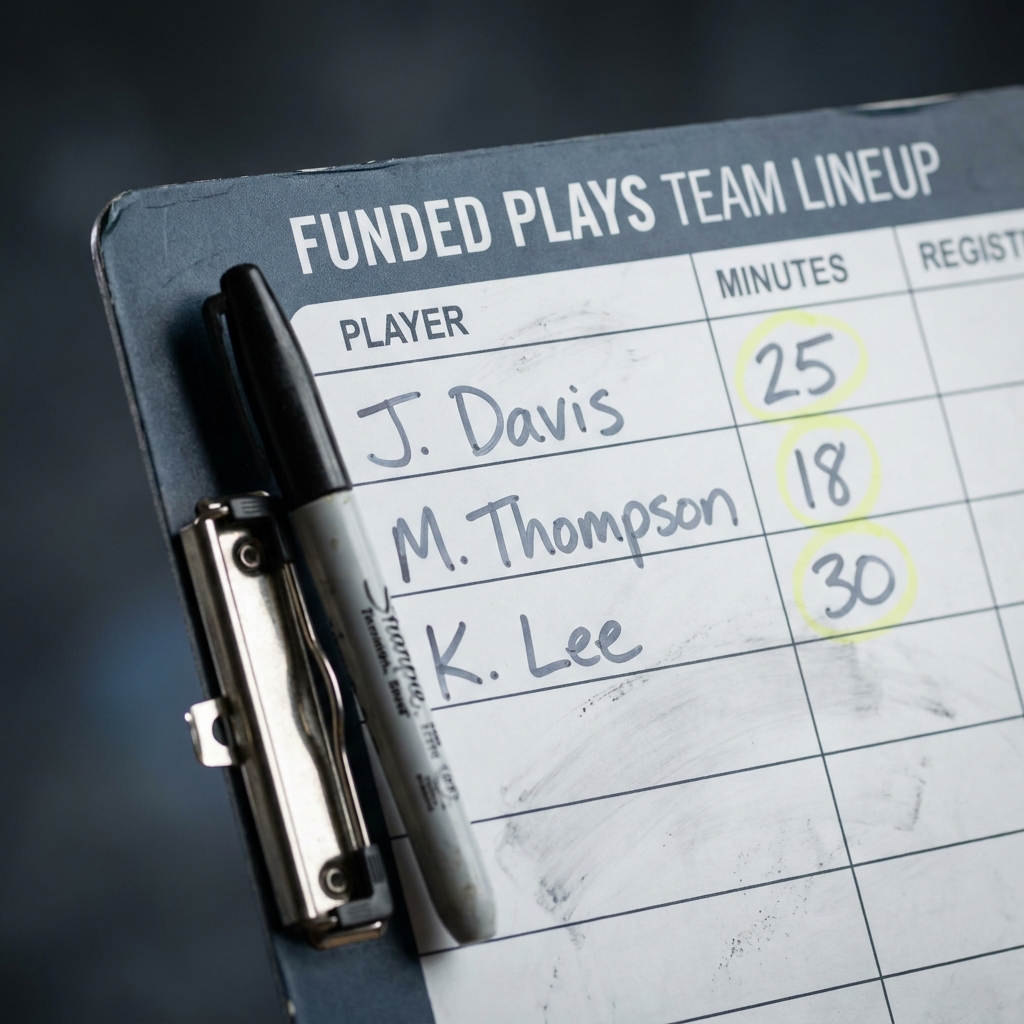
When we discuss "playing time" we mean the minutes a player is on court or on field, whether they start the game, and the role they fill within the rotation. Player props split into counting props, like points, rebounds, or snaps, and rate props, like shooting percentage or yards per target. Counting props are usually the most sensitive to changes in minutes played because they rely on raw opportunity.
Different measures of playing time
Common measures include minutes played, games started, snap share, and explicit rotation minutes published by teams or reported by beat writers. Lineup role and usage describe how often a player gets the ball or is in position to make plays. Expect these measures to change with coach decisions, matchups, rest plans, or injuries, and treat sudden shifts as material to counting props. See RotoWire's projected minutes for an example of published minute projections.
Practice minute-aware prop discipline with a structured challenge
Try a small, structured practice challenge that focuses on minute-aware decisions to develop consistent rules for staking and skipping props.
Core framework: how minutes translate into prop probability
Opportunity -> volume -> variance
The simplest way to think about the effect of minutes is opportunity drives volume. More minutes mean more chances to accumulate counting stats, which raises the expected total for a prop. At the same time, more minutes typically reduce the chance of zero-event outcomes in a game, so box-score volatility often falls as opportunity rises.
Role and usage adjustments
Not all minutes are equal. Starter minutes usually come with predictable usage, while small bench stints can be highly variable. A role change from starter to reserve or vice versa alters both expected value and variance, because usage rate adjusts the per-minute chance of accumulating counting stats. For rate-based props, playing time matters differently: efficiency metrics may be stable in a sufficient sample but are less sensitive to minute swings than counting totals.
Why Playing Time Is Critical for Props
Focus on playing time because it is the primary driver of opportunity for counting props. Predictors who track minutes and role can avoid situations where reduced playing time erodes the expected value of a stake, and can allocate risk more effectively across a small portfolio of props.
Decision criteria: when playing time should change your bet or stake
Thresholds to consider
Set practical minute thresholds before placing any bet. For many counting props, a clear lower bound of expected minutes separates a tradable opportunity from a coin flip. Confirm whether the player is projected to start or receive a starter-level role, and treat mid-range projected minutes with caution unless you can quantify the edge.
Before you wager, ask whether a plausible last-minute reduction in minutes would turn a positive expectation into a negative one. If the answer is yes and you cannot reduce your stake or hedge, the disciplined choice is often to skip.
Playing time should be a primary factor in stake sizing for counting props; reduce or skip stakes when projected minutes fall below your predefined thresholds and use a consistent, documented process for in-play adjustments.
Information sources to confirm playing time
Reliable signals include official injury reports, coach comments in pregame media availability, and beat writer rotation notes that come from practice observations. Late scratches and clear load-management announcements are high-impact confirmations. Use multiple signals and a priority order so you can act quickly when time-sensitive news arrives. See the NBC Sports minutes report for an example of minutes reporting.
Common mistakes and pitfalls around playing time
Overreacting to small minute changes
One common error is treating small projected minute shifts as decisive. A change of two or three minutes rarely transforms a prop into a free edge unless the original projection sat very close to the line. Instead, focus on whether the shift meaningfully changes expected opportunity or increases variance enough to affect your stake sizing rules.
Ignoring coach tendencies
Another trap is ignoring how a coach typically manages minutes across situations like blowouts or back-to-backs. Some coaches rotate tightly and rarely shorten a starter's minutes, while others rest veterans proactively. Failing to account for these tendencies can lead to repeated losses on otherwise sound predictions. Set simple private rules to capture coach patterns and reduce surprise-driven variance.

Practical examples and scenarios
NBA example: starter sits early
Imagine a starter who normally logs 32 minutes is questionable after pregame rest comments, and early reports project 20 to 25 minutes instead. For a points prop set using starter-level minutes, that drop can change the expected outcome materially. A disciplined reaction is to lower stake size, seek a market with a lower line, or skip the prop until the player rides the bench or returns to the projected role.

NFL example: snap count change
In football, snap count shifts can be as decisive as minutes in other sports. A change from 70 percent to 40 percent snap share cuts a player s opportunity for counting stats sharply. For props tied to touches, receptions, or targets, adjust expectations immediately and consider hedge options if the market no longer reflects the new role.
Late news and last-minute adjustments
Late scratches or rotation news within 30 minutes of kickoff require a checklist response: confirm the news from two independent sources, recalculate expected opportunity, and decide whether to reduce, hedge, or cancel the bet. Because markets move quickly on late information, have pre-set stake adjustments so you can act without deliberation. See analysis of market movement in The LeadSM.
Strategy: integrating playing time into a repeatable prop process
Pre-game checklist
Make a short pre-game routine that you run before placing any prop stakes. Include checking official reports, scanning coach quotes, reading beat writer rotation notes, and confirming projected minutes. Record your projected minutes and the market line so you can compare outcomes later and refine thresholds. Learn more about how evaluations work here.
In-play adjustments
During the game, monitor early-minute patterns and be prepared to hedge or cash out when minutes deviate from plan. For sports with live markets, reduce exposure when a player is pulled early or receives visibly limited minutes. Live reactions should follow pre-defined rules to avoid emotional overtrading.
Recordkeeping and refinement
Track each decision, the projected minutes you used, the actual minutes played, and the result against the line. Over a modest sample you will see where your thresholds are too loose or too conservative. Use that feedback to tighten minute cutoffs and stake multipliers so your process becomes more repeatable and less reactive.
Tools and data that help track playing time and rotations
Reliable sources for lineup and minute projections
Focus on a priority list of sources: official injury reports, coach pregame comments, beat writer rotation notes, and live game tracking that updates lineup changes during warmups. Each source has different speed and reliability, so use a hierarchy where official reports and coach announcements outrank speculative updates.
How to use public and private data feeds
Combine fast public feeds for last-minute news with a steady projection source for baseline minutes. When feeds conflict, default to the more conservative minutes estimate for staking decisions unless you can verify the higher projection from a reliable witness. Always log the source of the minutes estimate so you can evaluate which feeds helped or hurt performance.
Quick pre-game minute confirmation checklist
Use before placing a stake
Conclusion: disciplined focus on minutes improves prop ROI over time
Quick recap
Opportunity measured as minutes or snaps is the main driver of counting prop outcomes. By building simple, disciplined rules around expected minutes and stake sizing you reduce avoidable variance and make clearer decisions.
Next steps for practice
Pick one sport and track a small sample of plays using the pre-game checklist. Evaluate how often minutes changes would have altered your bet or stake, and refine your minute thresholds. Remember to always follow platform rules and responsible participation practices when testing new workflows. Visit Funded Plays for more resources.
Reduced playing time lowers opportunity, which typically reduces expected counting outcomes and increases the chance that a prop will miss; adjust stake sizes or skip if minutes fall below your threshold.
If minutes are uncertain and you cannot hedge or reduce your stake, it is often safer to skip or place a significantly smaller stake until the role is confirmed.
Use a short pre-game checklist, log projected versus actual minutes, and refine your minute thresholds over a modest sample to see where adjustments help.
References
- https://www.rotowire.com/basketball/projected-minutes.php
- https://www.nbcsports.com/fantasy/basketball/news/nba-minutes-report-tyler-herro-and-brandon-miller-return-to-shake-up-their-rotations
- https://theleadsm.com/the-box-score-comes-late-but-the-betting-line-moves-early/
- https://www.fundedplays.com
- https://www.fundedplays.com/blogs
- https://www.fundedplays.com/blogs/how-fundedplays-evaluations-work
- https://www.fundedplays.com/challenges