
What Steam Moves Are and Why Traders Watch Them
A clear definition
What Steam Moves Are and Why Traders Watch Them starts with a clear definition: steam refers to a sudden, uniform line movement across multiple sportsbooks that follows concentrated sharp action or the arrival of new information, and traders treat it as a signal of informed order flow in sports markets. This definition is consistent with industry glossaries and practical explainers that describe steam as simultaneous movement across books after heavy, targeted bets TheLines explanation and a formal definition from Sports Insights.
Keeping the definition tight helps separate true cross‑market steam from one‑off adjustments. In plain terms, steam is not a single book moving alone; it is a coordinated, rapid drift in prices that suggests liquidity is being consumed, and that several venues are updating quickly to the same pressure.
suggested monitoring items for detecting cross-venue steam
check feeds before high-activity windows
Why steam matters in modern markets
Traders watch steam because it often signals that information or concentrated bets are moving prices faster than routine adjustments, which can help with timing entries or avoiding poor execution. Practical postings and glossaries underline that seeing the same line move across venues is a stronger signal than a single book adjustment VSiN glossary.
That said, steam is a timing and confirmation tool, not a guarantee of value. Traders use it to confirm that an informational event is being priced in, but disciplined systems and execution plans remain essential to avoid paying inflated odds.
How Steam Moves Form: Order Flow, Liquidity and Market Microstructure
How order flow consumes available odds
At root, odds move when order flow consumes available liquidity; large or fast bets lift quotes and cause visible movement as market makers and exchange books refill at new levels. Operator resources explain that when aggressive orders hit the market, available offers are removed and displayed quotes adjust upward or downward to reflect the new balance of interest Pinnacle analysis.
In practice this means that a concentrated run of bets on one side will remove the best available prices and force the market to display worse prices for late entrants. Understanding that mechanism helps explain why steam can leave late followers paying more than early participants.
Role of market depth and liquidity
Market depth and the structure of available limits determine how much order flow is needed to produce a steam move. When books are shallow, even modest concentrations of bets can produce uniform movement across venues; where depth is greater, the same flow produces smaller price change. Explanatory materials on market depth emphasize how visible thinning of offers and quicker matching events are core signs that liquidity is being consumed Betfair Knowledge Base.
Today, markets are both deeper and more fragmented than before, so a large run of orders can show as a widespread move that nonetheless comes with pockets of differing liquidity across venues. That fragmentation means traders need multi‑venue awareness to judge whether a move is genuine and sustainable.
How Traders Spot Steam in Real Time
Cross-book monitoring signals
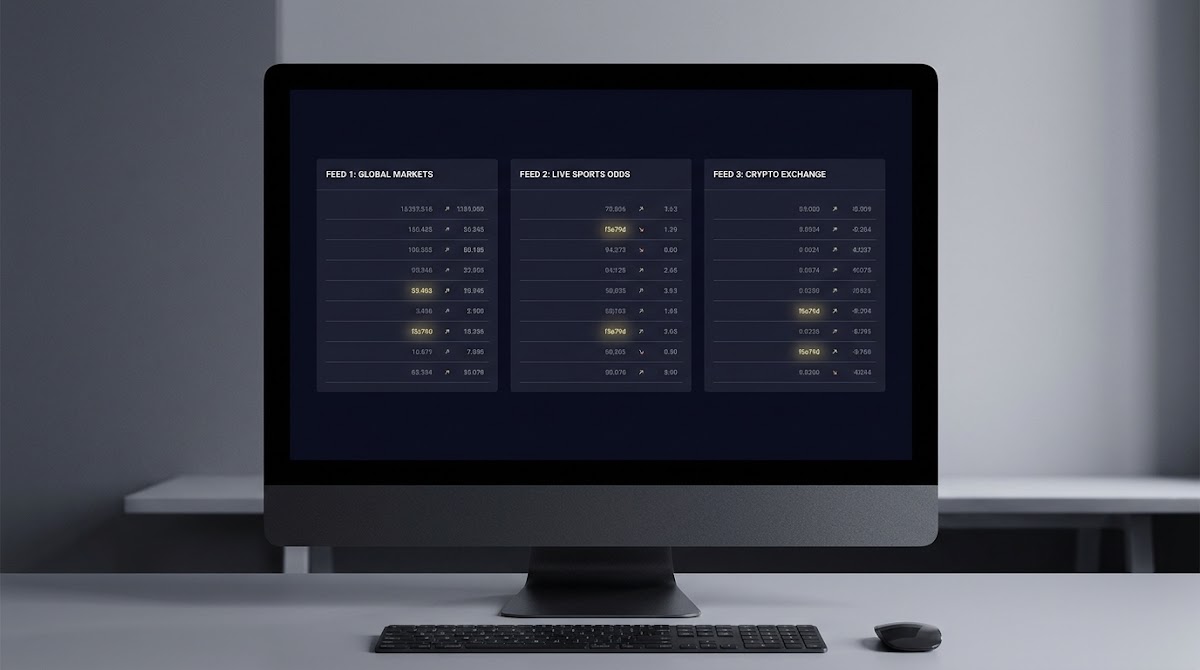
Traders rely on cross‑book screens to detect simultaneous price shifts: if multiple venues show the same odds moving in the same direction within seconds, that is a primary indicator of steam rather than a single‑book change. Practical guides recommend viewing several feeds together so simultaneous lifts are visible rather than relying on one delayed or isolated feed TheLines explanation.
Other useful on‑screen cues include seeing the bid and ask lines move together and spotting identical increments across books; these patterns reduce the chance that a single exchange's limit change is being mistaken for market‑wide informed flow.

Treat it as a signal to verify cross‑venue confirmation, check liquidity and volume, apply predefined slippage limits, and only enter if execution criteria and CLV objectives are met.
Volume, matched bets and order‑book cues
Volume spikes and matched‑bets indicators are practical confirmatory signals: a sharp increase in matched bets or traded volume alongside price movement suggests liquidity is actually being consumed rather than just reissued by a trader or house. Operators note that looking for spikes in matching activity helps separate real steam from noise Betfair Knowledge Base.
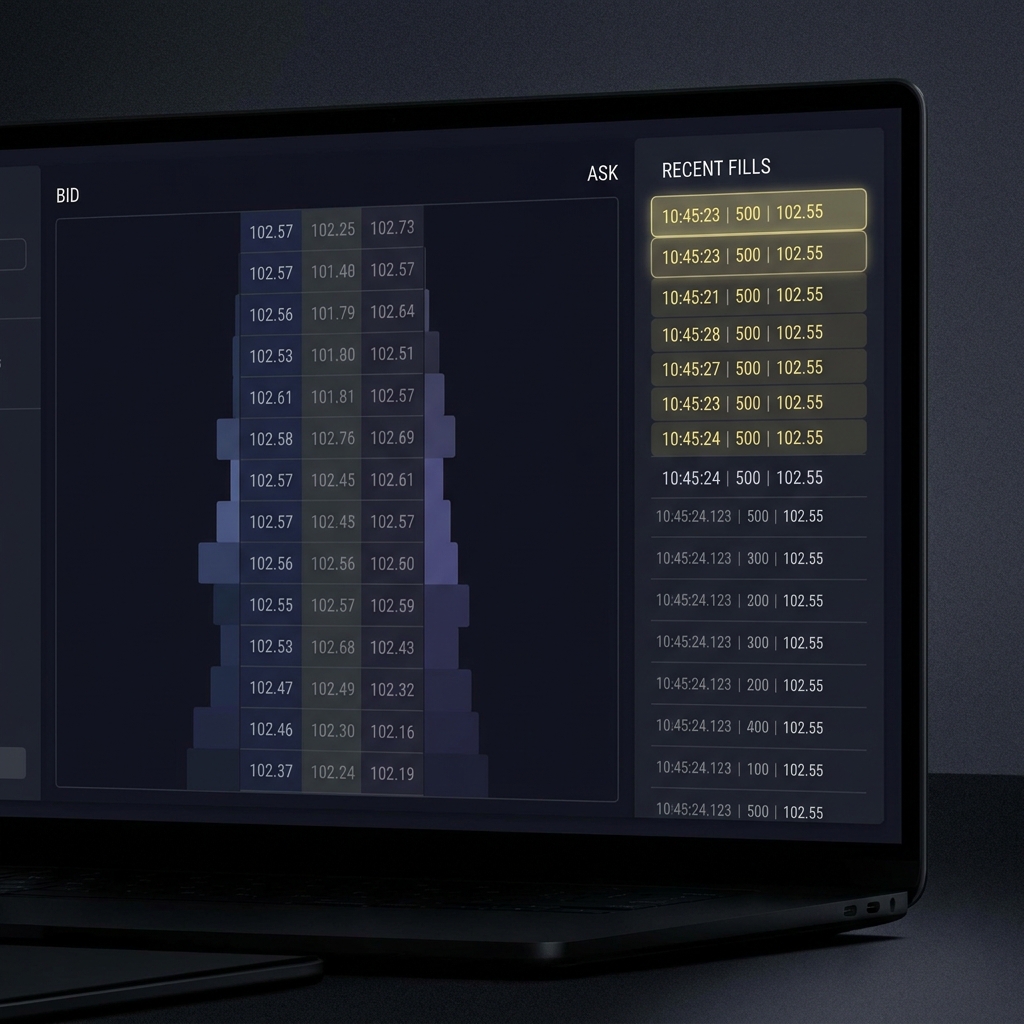
Order‑book viewers that show thinning depth, lifted offers or a flurry of fills provide the clearest picture that a move has substance. Combining these cues with time‑synced price shifts improves confidence that a trade is reacting to information rather than brief feed artifacts.
Common Catalysts and Key Timing Windows
Typical steam causes
Steam often follows explicit catalysts: breaking team news, coordinated syndicate releases, market‑maker adjustments, or abrupt liquidity shocks. Operator and exchange resources list these causes consistently, noting that concentrated, informed betting and news both regularly cause uniform cross‑market moves Smarkets Insights and analysis from Sport Trading Network.
Because catalysts vary in origin and speed, traders that expect steam learn to treat the cause as part of the decision process: a verified roster change is different from an unexplained liquidity surge, and each warrants a different trade filter and execution approach.
When in the calendar steam is most likely
Certain timing windows are more prone to steam: market open, limit raises, pre‑kickoff windows, and in‑play intervals around major events or halftime adjustments all concentrate activity. Educational materials and market histories show that these windows typically compress liquidity and increase the chance of widespread moves Pinnacle analysis.
Faster in‑play engines introduced in recent years mean that live adjustments now occur in tighter bursts, so intra‑match moments can trigger steam more suddenly than in the past. Traders should therefore set clear rules for how to treat moves occurring during these known windows.
Risk Management: When to Follow, Fade, or Stand Aside
Predefining entry and slippage limits
Risk control begins with predefined execution rules: set maximum slippage limits you will accept, and define entry and exit triggers for known news windows so you do not chase a move after the worst prices have already been taken. Pointers from exchange and operator educational pieces stress that limiting slippage and having execution boundaries reduces the risk of poor fills during steam events Betfair Knowledge Base.
As a practical step, choose a maximum acceptable price deterioration and refuse fills beyond that threshold unless there is additional, verifiable confirmation. That turns steam from an emotional cue into a measurable execution parameter.
Check FundedPlays Challenges for structured, rule-based practice
Try a short pre‑trade checklist that includes feed health, liquidity thresholds, and a max slippage setting before engaging on a suspected steam move.
Using CLV and other confirmation metrics
Closing Line Value (CLV) is a useful, measurable confirmation metric: trades that consistently beat the market close are more likely to reflect genuine edge than trades that chase moves after they occur. Analyst resources emphasize CLV as a long‑term performance yardstick rather than a short‑term trading signal Pinnacle CLV explanation.
Combine CLV targets with slippage controls and an exclusion list for illiquid books. This keeps your approach disciplined and focused on measurable outcomes rather than anecdotal wins from chasing late steam.
Technical Tools and Multi‑Venue Monitoring
Cross‑book aggregators and feed latency checks
Successful steam detection depends on the right screens: cross‑book aggregators let you see multiple books together, which is necessary to spot simultaneous moves; latency checks help ensure you are not reacting to a delayed feed from one venue. Experts recommend comparing feeds and keeping a short list of trusted sources to reduce false positives TheLines explanation.
Latency monitoring can be as simple as timestamp comparisons for the same event across your feeds and as technical as automated round‑trip checks. The goal is to know whether a move you see is genuine or an artifact of delay on one feed.
Order‑book viewers and automated alerts
Order‑book viewers that display depth and recent fills are practical for judging whether offers are being lifted; set simple automated alerts for simultaneous moves across venues and for volume or matched‑bets spikes so you are notified when multiple signals align. Operator guides highlight matched‑bets trackers as a useful complement to price feeds Betfair Knowledge Base.
When configuring alerts, prefer multi‑condition triggers that require at least two confirming signals, for example a cross‑venue price move plus a volume spike, to reduce noise and the chance of chasing a stale line.
Practical Scenarios: Step‑by‑Step Examples
Example 1: Pre‑match steam after team news
Scenario: late confirmed roster news breaks three hours before kickoff, and several books show a rapid, aligned shift in the same direction. Step 1, verify the news from reliable sources and check whether multiple venues are moving in tight time sync; cross‑book confirmation is the first filter for true steam TheLines explanation.

Step 2, check matched bets or traded volume for spikes and inspect order‑book depth for thinning offers to confirm liquidity consumption. If these checks align, use predefined slippage limits and enter only when fills meet your execution criteria. Post‑trade, log the trade and note whether the fill beat or missed the close to assess CLV impact. For guidance and resources from our site, see Funded Plays.
Example 2: In‑play steam from liquidity shock
Scenario: a sudden in‑play injury causes a rapid shift in odds early in the second quarter. Step 1, watch for immediate, simultaneous price moves across venues and a short period of heavy matching; these indicate a liquidity shock rather than a lone book move Pinnacle analysis.
Step 2, tighten execution rules: shorten acceptable slippage, consider smaller stake sizes, and prioritize venues with demonstrated depth. After the session, compare the trade against the closing line and include the result in your post‑trade review for longer‑term CLV analysis.
Common Mistakes and How to Avoid Them
Chasing late steam
A frequent error is chasing steam after the worst prices have already been taken. Closing Line Value resources explain that late followers often pay worse prices and that beating the close is a stronger measure of edge than reacting to movement without confirmation Pinnacle CLV explanation and an accessible primer from Sports Illustrated.
Do this instead: treat steam as a signal to check execution conditions rather than an automatic entry trigger. If your slippage or volume checks fail, stand aside and wait for clearer opportunities.
Misreading thin books and stale lines
Another mistake is reading a single shallow book as market consensus. Thin or delayed feeds can create false positives; traders should validate moves with cross‑book checks and depth inspection to avoid being misled by a stale or isolated adjustment Betfair Knowledge Base.
Practical corrections include maintaining an exclusion list of illiquid venues and giving greater weight to signals that appear on multiple, low‑latency feeds rather than a single source.
Practical Checklist and Next Steps
Quick checklist to use before trading a steam move
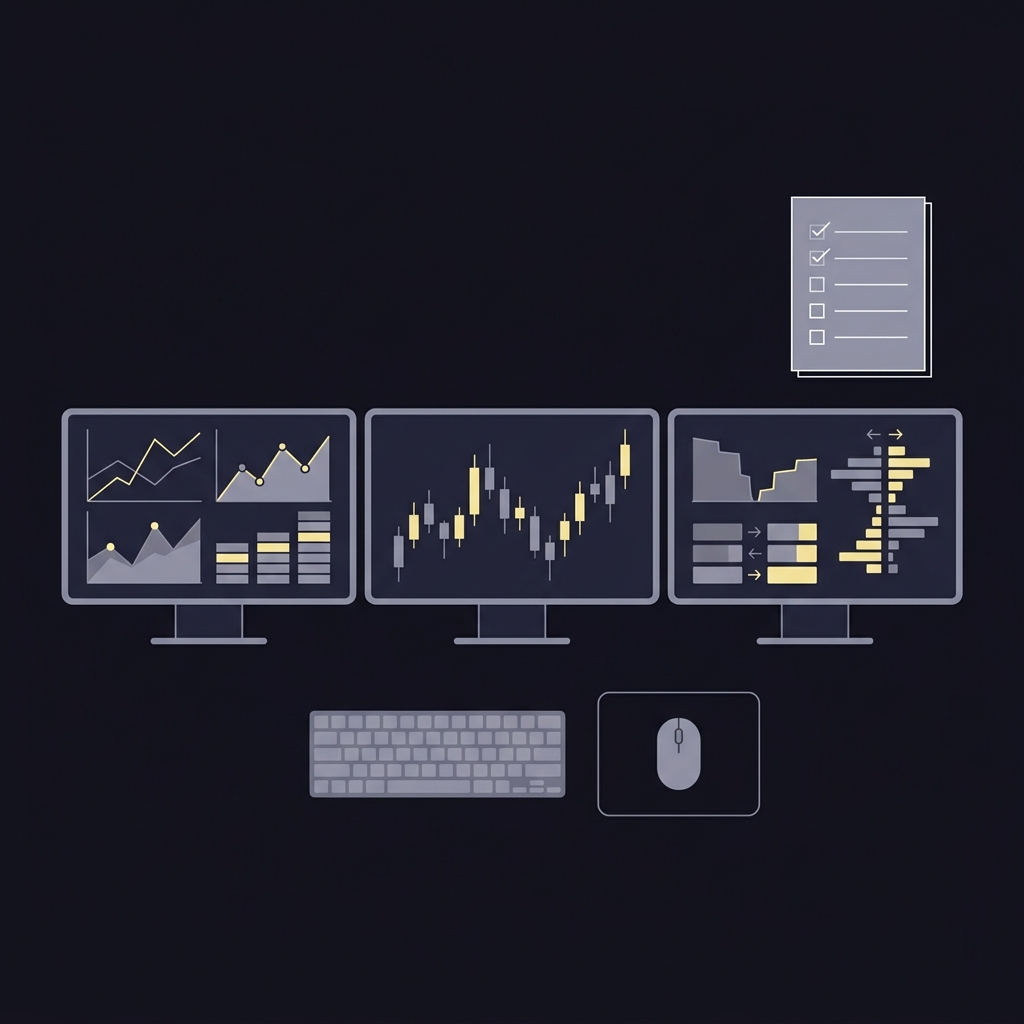
Before engaging on a suspected steam move, run this checklist: confirm cross‑venue price sync, verify a matched‑bets or volume spike, inspect order‑book depth for thinning, check feed latency, apply your max slippage limit, and record the intended CLV goal for the trade. These items translate the earlier sections into a short pre‑trade routine TheLines explanation.
Using this checklist as a habitual pre‑trade screen helps keep decisions measurable and repeatable, which is essential for assessing whether following steam improves long‑term performance. For examples on how evaluations and reviews can be structured, see our blog blog index.
How to review and improve after the session
Post‑trade review should focus on measurable outcomes: did fills beat the closing line, how often did slippage exceed thresholds, and which signals best predicted durable moves. Record these metrics and iterate your alerts, exclusions and slippage settings based on aggregated CLV results rather than isolated wins.
Next steps: set up alerts in a paper‑trade environment, log every suspected steam trade with notes on the signals present, and evaluate performance over many events to determine whether your steam rules add measurable edge. See our guide on how evaluations work how fundedplays evaluations work.
A steam move is a rapid, uniform shift in odds across multiple venues usually caused by concentrated bets or new information; traders use cross‑venue confirmation to judge its validity.
No. Use predefined slippage limits, matched‑bets confirmation, and CLV targets to decide whether to follow, fade or stand aside rather than reacting automatically.
Paper‑trade using alerts and a pre‑trade checklist, log fills and compare results to closing lines over many events to measure whether the approach improves CLV.