

What responsible sports trading is and why it matters
Responsible sports trading means treating sports prediction as a skill discipline that runs on predefined rules, explicit risk limits and ongoing review rather than impulsive escalation or undefined exposure. This approach focuses on consistent decision making, accountable bankroll controls and measurable outcomes, and it does not promise profits or remove risk. The distinction is important for anyone comparing challenge-based platforms to typical wagering.
Regulatory and standards guidance for online prediction activities now emphasizes pre-commitment tools, time limits and proactive customer interaction as core protections, and operators are expected to offer these features as part of safer design UK Gambling Commission guidance on remote customer interaction.

Behavioral benchmarks such as the Lower-Risk Gambling Guidelines offer advisory limits to reduce harm, suggesting measures like restricting play frequency and affordability checks. These guidelines are intended as risk-reduction advice rather than guarantees of safety or success Lower-Risk Gambling Guidelines.
At its core, responsible sports trading pairs the discipline of a written process with platform tools that support limits-first behavior, creating a structure where skill, not impulsive stakes, determines long-term performance.

Core principles of responsible sports trading
Start with pre-commitment: set deposit caps, session or time limits and clear time-outs before you begin a session. Making these limits the first-line defense reduces the chance of impulsive escalation during losing runs, and regulators now recommend such tools as foundational protections NCPG Internet Responsible Gambling Standards.
Adopt investor-style practices in your prediction workflow: keep a written trading plan, define prudent position sizing, and use stop-loss rules adapted to prediction units rather than leveraged bets. These investor education principles help manage downside risk and avoid common overtrading errors SEC guidance on day trading risks.
Avoid borrowing, leverage and chasing exposures in search of quick recovery. Guidance from market regulators highlights how borrowing and excessive frequency increase downside and behavioral pressure, and similar principles apply when you convert those pressures into sports prediction stakes FINRA guidance on day trading risks.
Practical principle checklist: set limits first, plan position size in advance, stop losses at the unit level, record every decision, and pause when you break your rules.
How to build a simple written trading plan for sports predictions
Your written trading plan should be short, specific and actionable. Start with an objective, define your bankroll and allocate unit sizes, set a maximum exposure per event and per day, write exact stop-loss rules, and decide a review cadence for results and behavior. Investor guidance endorses written plans and position sizing as essential risk controls SEC day trading guidance.
Translate plan elements into daily rules that are easy to follow. For example, a plan might state: allocate 100 virtual units to evaluation, never stake more than 2 units on a single prediction, stop after a 10 unit drawdown in a session and record the rationale for each pick. These concrete rules make discipline executable and measurable.
Start or review your trading plan today
Draft or review your written trading plan now: pick one objective, set a clear session cap, and write three stop-loss rules you will follow this week.
Unit sizing converts a bankroll into repeatable stakes. If your evaluation account uses virtual units, choose a consistent unit value and express position size as a number of units. A simple approach is percent-based unit sizing adapted to your rule set: commit fixed units per pick, increase only after a positive review period, and never increase units after a loss without a documented plan.
Incorporate pre-commitment tools into the plan by naming the exact deposit and time limits you will enable on the platform, and by scheduling reality checks and review points. Where available, platform tools can enforce the limits you write into the plan and reduce the burden of self-control UK Gambling Commission guidance on remote customer interaction.
Operational framework: pre-commitment tools and operator responsibilities
Responsible operators should provide a clear toolbox for safer play: deposit limits, time and session caps, time-outs, reality checks, and a self-exclusion option. These are expected features in modern safer-design approaches and are increasingly present across regulated markets EGBA sustainability reporting.
Proactive customer interaction is part of a responsible operator’s role. When patterns suggest escalating risk, operators are encouraged to reach out, offer tools or cooling-off options, and to document interactions in line with remote interaction standards UK Gambling Commission guidance on remote customer interaction.
Implementation quality varies across operators and jurisdictions, so tools must be usable and enforced to be effective. Availability alone is not sufficient; operators must design prompts and defaults that help users set limits before problems develop EGBA sustainability reporting.
Practical tools and templates to support disciplined trading
Enable platform features like deposit and time limits and reality checks wherever available. These built-in controls are the easiest way to ensure your written limits are enforced, and regulators recommend making them accessible and prominent for users UK Gambling Commission guidance on remote customer interaction.
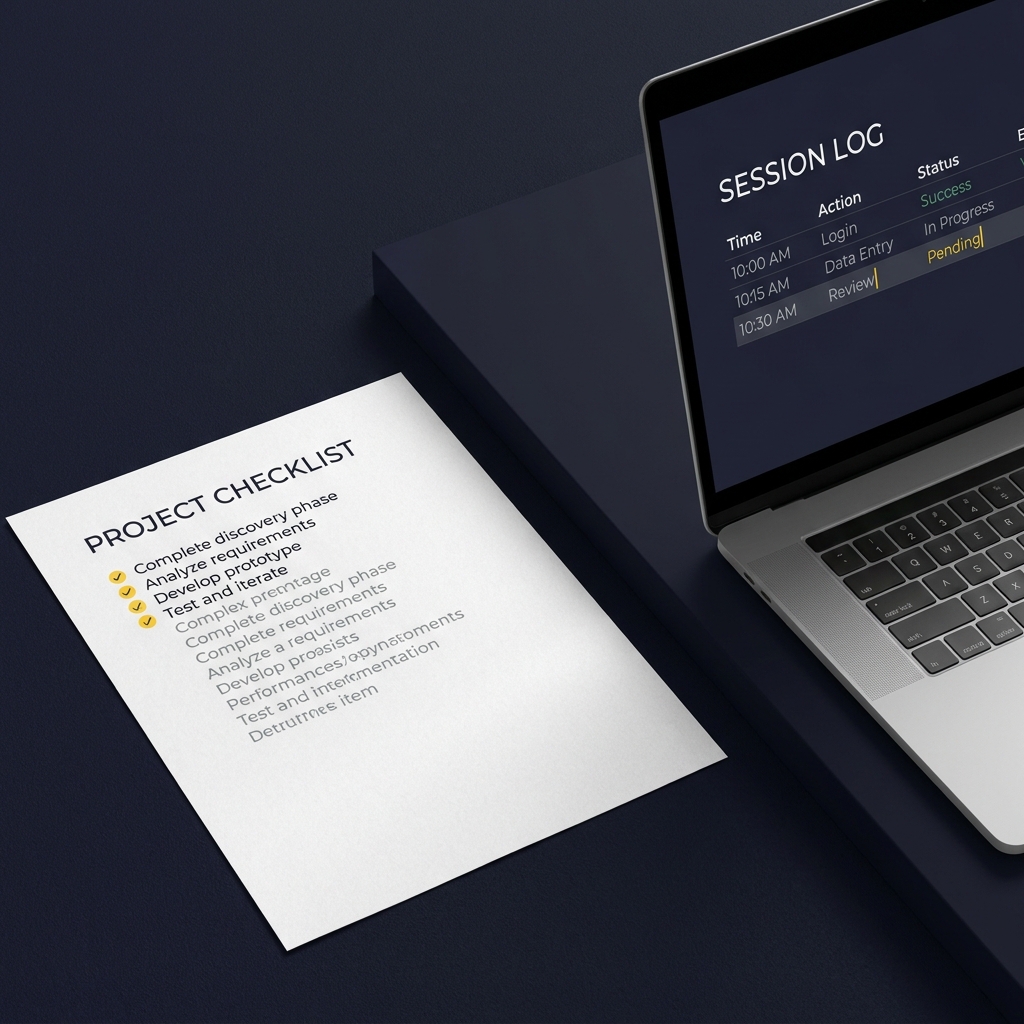
Use simple tracking tools: keep a session log where each entry records date, stake units, outcome, rationale and emotion notes. A separate stop-loss tracker can flag when you reach session or daily drawdown limits. Keeping concise records makes reviews faster and decisions clearer SEC guidance on day trading risks.
simple session and stop-loss tracker to copy
copy into a spreadsheet and save each session
Templates you can copy include a pre-session checklist, a two-line entry per pick (stake and short rationale), and a weekly summary row that shows win rate, ROI per unit and max drawdown. These small templates reduce friction in keeping records and make periodic reviews practical.
Setting personal limits: affordability and frequency guidance
The Lower-Risk Gambling Guidelines recommend keeping play to a modest portion of income and limiting frequency to reduce harm. As a practical benchmark, the guidelines suggest capping play to roughly one percent of monthly net income and reducing the number of play days each month to lower overall exposure Lower-Risk Gambling Guidelines.
Translate affordability into a monthly cap by calculating your take-home income and applying an agreed percentage. From that monthly cap set a session cap and a per-pick unit limit so you never rely on intuition for stake sizing. These steps help align behavior with financial reality and reduce pressure to chase losses SEC day trading guidance.
Frequency controls matter as much as monetary limits. Limiting activity to defined days and tracking session counts helps prevent habitual escalation. Treat frequency as part of your rule set, and use platform session limits and reality checks to enforce the plan where possible.
Red flags: behaviors that increase risk
Common behavioral warning signs include chasing losses, increasing stakes after setbacks, trading while under the influence or while distracted, and repeatedly ignoring predefined limits. These cues correlate with higher risk of harm and should trigger immediate corrective action UK Gambling Commission guidance on remote customer interaction.
If you recognize any of these patterns in your own behavior pause and review your plan. Start by checking recent session records, looking for streak-driven stakes, and verifying whether you have breached your session or monthly caps Lower-Risk Gambling Guidelines.
Responsible sports trading requires written limits, disciplined unit sizing, platform-enforced pre-commitment tools and regular recordkeeping to spot and correct risky behavior early.
When red flags are clear, use time-outs, reduce exposure immediately and consider longer cooling-off steps like a multi-week pause or self-exclusion through operator tools. Early, decisive action helps prevent small slips from becoming persistent problems SEC day trading guidance.
Monitoring, recordkeeping and periodic review
Track a short set of fields each session: stake size, outcome, rationale for the pick, short emotional note and session duration. This recordkeeping aligns with investor guidance that emphasizes documentation and review to identify problematic patterns early SEC guidance on day trading risks.
Use compact weekly and monthly summaries to compute basic metrics: win rate, ROI per unit and maximum drawdown. These metrics are not definitive performance measures but are useful signals to show when behavior or results deviate from plan and merit action FINRA day trading guidance.

If reviews show repeated rule breaches, escalating drawdowns or emotional decision notes, reduce activity and conduct a plan revision. Document the changes and set a short probationary period before resuming previous activity levels.
Decision criteria: when to step back, pause, or self-exclude
Set objective triggers you will follow without negotiation. Examples include a predefined drawdown threshold, breaching the monthly cap or multiple rule violations within a short review window. These triggers translate subjective discomfort into clear action points that preserve discipline UK Gambling Commission guidance on remote customer interaction.
Understand the difference between a short pause, a cooling-off period and formal self-exclusion. A pause might be a session holiday till the next day, a cooling-off could be two to four weeks, and self-exclusion is a formal longer-term block offered by operators for those who need stronger measures Lower-Risk Gambling Guidelines.
Always document the decision, the trigger that caused it and the review steps you will follow before returning. Treat the pause as part of responsible practice, not as a failure.
Common mistakes and how to avoid them
Typical errors include ignoring stop-loss rules, increasing stakes after losses, and trading when tired or emotionally unsettled. These behaviors often precede more significant losses and longer-term problems UK Gambling Commission guidance on remote customer interaction.
Corrective tactics are practical: enable automated limits on the platform, have an accountability partner or backup rule that forces a short pause after breaches, and schedule reviews rather than relying on in-the-moment judgment. Combining tools with clear personal rules is the most reliable prevention strategy EGBA sustainability reporting.
Scenario examples: disciplined plan versus risky behavior
Scenario A, disciplined approach. A user sets a monthly cap equal to a small percentage of take-home income, chooses a unit size and limits exposure to two units per pick. They maintain a one-page plan, log each pick and run weekly reviews. When a losing streak reaches the session drawdown limit they stop for the day, review notes and reduce activity if necessary. Written rules and enforced limits keep the behavior consistent and measurable.
Scenario B, escalation. A user begins with a modest plan but chases losses after two bad sessions, increasing stake sizes and extending playing days. The pattern accelerates because there was no enforced session cap and no stop-loss discipline. Recovery steps include pausing activity, documenting what led to the chase, reverting to the written plan, reducing the monthly cap and using a cooling-off period to reset behavior Lower-Risk Gambling Guidelines.
Immediate checklist after risky behavior: pause, record what happened, set an enforced limit on the platform if available, and schedule a plan review with a fixed reassessment date.
A one-page checklist you can use today
Pre-session checklist: confirm session cap, set per-pick unit size, confirm sobriety and time availability, enable reality checks and ensure deposit limits are active. These simple steps reduce the chance of impulsive decisions and make each session deliberate.
End-of-session review: record outcomes, note emotional state, update cumulative drawdown, and decide whether to continue tomorrow or pause. Save the session log and add one-line reflections to aid the weekly review.
Keep this checklist on your desktop or phone and update it after weekly reviews. Physical copies or pinned notes make the routine easier to follow and harder to forget in the heat of the moment.
Where to find help and further reading
For authoritative guidance consult regulator and standards resources such as the UK Gambling Commission remote customer interaction guidance and the NCPG Internet Responsible Gambling Standards to understand operator expectations and safer-design features UK Gambling Commission guidance on remote customer interaction.
The Lower-Risk Gambling Guidelines provide practical behavior-focused advice on affordability and frequency that you can adapt to sports prediction accounts Lower-Risk Gambling Guidelines.
Also check operator help pages for limit settings, reality checks and self-exclusion options. Availability and exact processes vary by provider and jurisdiction, so use the operator tools offered where you maintain your account and reach out to support if patterns of concern appear EGBA sustainability reporting.
Responsible sports trading treats prediction as a skill-based activity with predefined rules, unit sizing and review, while betting often involves open-ended stakes and less formal risk controls.
Set a session cap, per-pick unit size, a short stop-loss threshold and enable deposit or time limits where the platform allows it.
Consider self-exclusion if objective triggers are repeatedly breached, if you cannot stop after a pause, or when external support recommends a longer break.
References
- https://www.gamblingcommission.gov.uk/licensees-and-businesses/guide/customer-interaction-formal-guidance-for-remote-gambling-operators
- https://www.fundedplays.com/challenges
- https://www.ccsa.ca/lower-risk-gambling-guidelines
- https://www.fundedplays.com/blogs
- https://www.ncpgambling.org/programs-resources/internet-responsible-gambling-standards/
- https://www.investor.gov/introduction-investing/investing-basics/what-investment/day-trading-your-dollars-risk
- https://www.finra.org/investors/insights/day-trading
- https://www.egba.eu/publications/egba-sustainability-report-2024/
- https://www.gamblingcommission.gov.uk/news/article/new-remote-customer-interaction-guidance-update-august-2023
- https://assets.ctfassets.net/j16ev64qyf6l/joicGBiBnXbw03f7S9HVr/ef963c460134875d4116bcfe780d1929/Customer_interaction_formal_guidance_remote__July_2019_not_in_effect_.pdf
- https://www.fundedplays.com
- https://www.fundedplays.com/blogs/how-fundedplays-evaluations-work
- https://www.gamblingcommission.gov.uk/guidance/remote-customer-interaction