
What Is a Sharp Sports Trader: definition and context
What Is a Sharp Sports Trader is a question that gets to the heart of how some participants approach sports prediction differently from casual players. At its simplest, a sharp sports trader is someone who treats sports predictions like a repeatable, testable skill. They look for small, consistent advantages over time rather than chasing a single big score.
A sharp is not a guaranteed winner and is not the same as a financial day trader. The label describes a style of decision-making and a reputation within markets. Sharps often influence market movement because other market participants respond to their actions and information flows.
Track data sources and verification steps
Use this checklist to avoid bad inputs
Distinguishing a sharp from a recreational bettor matters for how odds are set and how markets react. When sharps make repeated, disciplined choices, bookmakers and other market makers watch those patterns and may adjust lines. That interaction shapes liquidity, available limits, and perceived value for everyone in the market.
Short definition
A short definition is helpful: a sharp sports trader is a participant who uses disciplined methods and evidence-based judgment to seek a positive expected outcome across many predictions. That definition focuses on process rather than promise, and it avoids implying guaranteed results.
Why the term matters
The term matters because it signals to others the kind of decision process in play. Sharps are often seen as informed actors whose moves can shift lines and affect market confidence. Understanding the label helps recreational bettors and analysts interpret market movement more clearly.
How sharps fit into the sports ecosystem
Sharps occupy a niche between casual participants and institutional traders. They may operate individually or as part of groups, and they interact with data feeds, odds makers, and liquidity providers. Their value to a market is not universal; instead it depends on credibility, timing, and consistency.
How sharp sports traders think: core mindset and decision rules
A sharp sports trader approaches each prediction as a repeatable experiment. The emphasis is on process and on developing habits that produce small, reliable edges over time. This thinking contrasts with impulsive play where chance and emotion drive choices.
Sharps care about expected value in qualitative terms. They ask whether a prediction, over many repetitions, is likely to return more than it costs. That focus steers them toward consistent staking plans and careful bankroll management rather than aggressive bets based on hunches.

Process-oriented thinking
Process orientation means writing down rules, testing them, and judging outcomes by patterns rather than single events. Sharps build checklists and review their decisions, looking for systematic strengths and weaknesses in how they select targets and manage risk.
Edge and expected value concept (non-numeric explanation)
Edge is the reason a selection is chosen repeatedly. Expected value describes whether that selection will likely repay its cost over time. Sharps do not promise a win on any one ticket. Instead they aim for a situation where the balance of many selections tends to favor them.
Patience, discipline and record keeping
Patience and disciplined record keeping are practical pillars. Keeping a clear log of predictions, rationale, and outcomes lets traders separate luck from skill. This habit supports gradual improvements and protects against chasing losses when short runs go against expectation.
Core framework: strategies and methods sharp traders use
Sharp sports traders use a combination of analytical and practical tactics to identify and capture value. The framework often blends quantitative modeling with qualitative scouting and situational awareness. Execution and timing determine whether an identified edge turns into a realized opportunity.
Analytical approaches
Quantitative approaches may involve statistical models, regression work, or machine learning, but the common thread is repeatability. A model is valuable when it consistently highlights situations that warrant a closer look. Sharps also use simple systems that combine several signals to reduce overreliance on any single input.
Modeling and qualitative edge
Qualitative scouting complements models. Watching games, tracking lineup news, and evaluating contextual factors can create an edge where numbers alone fall short. The most practical frameworks use models to flag opportunities and qualitative work to confirm or reject them.

Execution and timing
Execution matters. Line shopping, choosing the right moment to place a prediction, and managing limits all affect the realized value. A good idea can lose value if executed at the wrong time or at insufficient size. Conversely, timely action on a modest edge can be worthwhile if it fits within sensible bankroll limits.
Tools and data: what sharp traders typically use

Sharp traders rely on categories of data rather than a single proprietary source. Typical categories include historical datasets for pattern discovery, live data feeds for game updates, and odds aggregators for market comparison. Knowing where to look matters more than owning rare tools.
Types of data sources
Historical stats provide the baseline for model building and for testing hypotheses. Live feeds supply real-time information about injuries, weather, and other factors that can change expected outcomes. Odds aggregators let traders compare available lines and spot where market prices diverge.
Common software and utilities
Software ranges from spreadsheet setups to specialized tracking tools. Many sharps use tools to log picks, monitor open positions, and compare lines across providers. The goal is to make data easy to inspect and to keep records that support repeated testing and honest review.
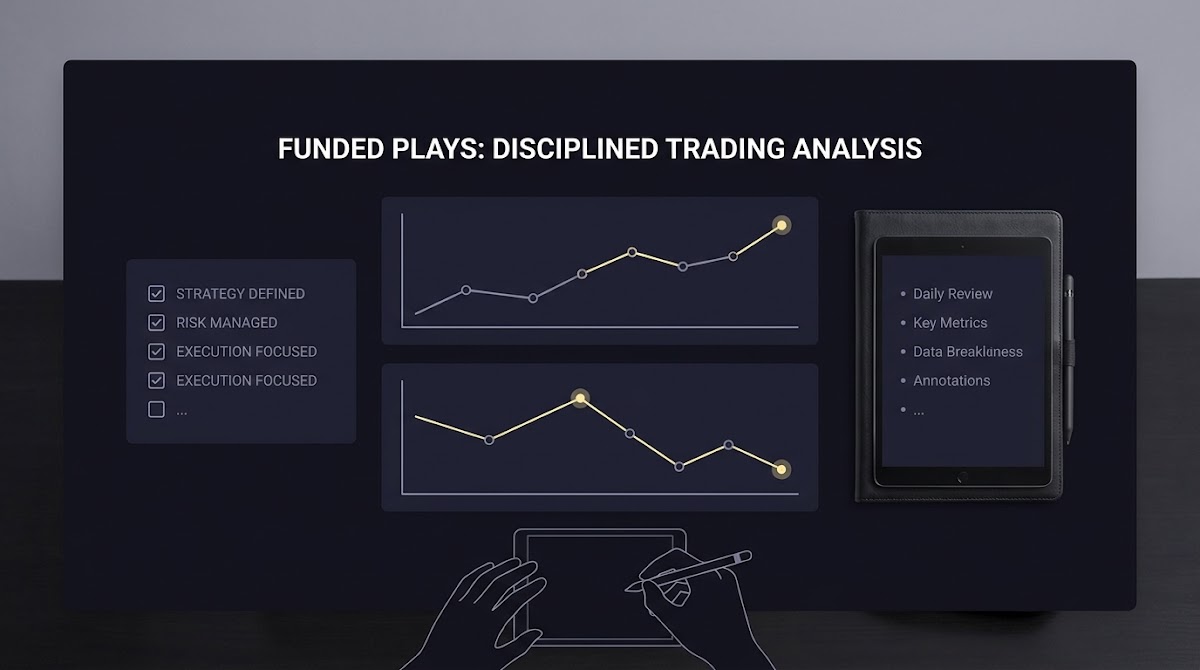
Professional sports traders combine data-driven models, situational scouting, and timely execution to identify and act on small edges, while managing risk with conservative position sizing and disciplined record keeping.
How to verify and cross-check data
Verification is essential. Cross-checking across independent sources, confirming line histories, and validating live feed accuracy reduce the chance that decisions rely on faulty inputs. Simple redundancy in data sources is a low-cost way to improve confidence.
Decision criteria: when a sharp trader places a wager or prediction
Deciding to place a prediction involves assessing several practical criteria. A sharp will consider whether a qualitative or model signal points to an edge, whether the market is liquid enough to accept the desired size, and whether the stake fits a conservative position sizing rule.
Assessing edge qualitatively
Qualitative assessment asks if the story behind a selection makes sense when tested against known patterns. Sharps check alignment between model signals and on-the-ground information such as lineup changes or tactical matchups before acting.
Liquidity and market conditions
Market liquidity affects the ability to place a stake at a favorable price. If the market lacks depth or if limits are tight, the practical value of an edge can be reduced. Part of sharp decision making is choosing markets where execution is realistic.
Risk-reward and position sizing
Position sizing is conservative. Instead of risking large portions of a bankroll on a single event, sharps use plans that protect against draws and allow learning from repeated trials. The sizing approach emphasizes sustainability and the preservation of optionality for future opportunities.
Typical mistakes and blind spots to avoid
Sharps are not immune to mistakes. Awareness of common pitfalls helps maintain discipline. Cognitive biases, data errors, and impulsive behavior can all erode an otherwise sound approach if left unchecked.
Common cognitive biases
Confirmation bias and recency bias can skew judgment. Confirmation bias makes traders favor information that supports their view, while recency bias gives undue weight to recent outcomes. Regular review and structured decision checklists help counter these tendencies.
Data pitfalls and overfitting risk
Overfitting a model to historical data is a frequent technical mistake. A model that memorizes quirks in past data will often fail in new situations. Robust testing, out-of-sample validation, and conservative model complexity reduce the chance of overfitting.
Overtrading and chasing losses
Overtrading and chasing losses happen when emotional responses override rules. A common mitigation is to enforce pause rules, review performance metrics objectively, and return to small experiments rather than increasing risk after a losing stretch.
Practical examples and scenarios
Concrete scenarios help translate abstract principles into action. Below are narrative examples that show the thought process of a sharp trader without inventing specific numeric claims. The focus is on reasoning steps, not outcomes.
A qualitative scouting example
Imagine a trader who follows a particular league closely and notes a team change that affects match tempo. Their scouting notes identify a tactical shift that models do not yet reflect. The trader documents the rationale, checks the market to see if the line has adjusted, and then decides whether the available price justifies a modest, sized selection consistent with their staking plan.
A model-driven example
In a model-driven scenario, a stable predictor flags a type of matchup as slightly undervalued. The trader reviews recent game footage for context, ensures no new information invalidates the signal, and then takes a controlled size position where liquidity permits. After the event, they log the trade and compare the realized outcome to the model expectation to refine future decisions.
How a sharp trader might respond to line movement
Line movement is informational. If lines move in a way that supports the trader's view, that may increase confidence but also reduce available value. If lines move against the view, the trader must decide whether to accept a smaller perceived edge, wait for a better moment, or decline the opportunity. The key is to have pre-defined rules that limit emotional reactions and preserve capital for clearer edges.
How to start developing sharper skills responsibly
Developing sharper skills starts with small, controlled experiments. Use simulated accounts or modest real stakes to test processes. The emphasis should be on learning, not immediate profit. Keeping records and running repeatable tests creates a reliable feedback loop for improvement.

Learning steps and practice setups
Begin with clear, narrow questions to test. For example, focus on one league or one market type and track outcomes over many events. Use a log to capture the rationale behind each selection and the conditions present when the decision was made.
Record keeping and modest experiments
Records should include the prediction, reason, size, and result. Modest experiments reduce financial risk while preserving the psychological consequences of making a prediction. Over time, consistent tracking turns intuition into measurable signals.
When to scale and when to pause
Scale incrementally after consistent, repeatable positive performance. Set objective thresholds for scaling and include pause rules to prevent overextension during negative streaks. Responsible scaling prioritizes capital preservation and continued evidence collection.
Conclusion: realistic expectations and next steps
Sharp sports traders are defined by process, discipline, and an evidence-first approach. They seek small, repeatable advantages and protect their ability to test ideas over time through conservative position sizing and diligent record keeping.
Three practical next steps are to pick one clear question to test, keep a disciplined log of every prediction, and run small experiments until patterns emerge. Remember that no method guarantees profits and that steady improvement comes from patient, repeatable practice.
A sharp emphasizes repeatable methods, disciplined record keeping, and process-focused decisions rather than impulsive plays or single-event thinking.
Sharps use a mix of historical data, live feeds, and tracking tools, but the most important factor is how those sources are verified and applied, not the rarity of a tool.
Yes, use simulated accounts or small controlled experiments and keep disciplined logs to learn before increasing stakes.