

What it means to ask who is most likely to hit a home run today
Why 'today' is different from season long forecasting, wager talk mlb
Asking who is most likely to hit a home run today is not the same as asking who will hit the most home runs this season. The day of question is a probability question, not a promise. It depends on short run inputs such as how well a hitter has been making power contact recently, where the game is being played, and whether the batter will actually get enough plate appearances to have a meaningful chance.
When you focus on a single game day you shift weight toward recent contact quality and matchup context. Statcast tracks the kind of contact that most often leads to long balls, and confirming the player is active in the lineup is a practical gate before assigning any probability to their chance of homering, because plate appearance volume drives opportunity MLB Starting Lineups.
Quick checklist to collect Statcast and park inputs
Use public Statcast pages for inputs
Define a today only HR likelihood as an estimated probability, for example a 5 percent chance or a 20 percent chance, not as a certainty. That probability will always rest on imperfect information. Treat it as an informed judgment that you can update when a late lineup change or weather note appears.

Because short term projections depend heavily on how many plate appearances a batter will see, day of lineup confirmation matters. If a player is scratched or moved down the order, their opportunity and therefore their chance to hit a home run can fall sharply MLB Starting Lineups.
Core Statcast metrics that drive short term home run odds
Barrel rate and why it matters
Statcast defines the contact window that best predicts power outcomes as barrels, based on a combination of exit velocity and launch angle. Recent barrel rate is a strong predictor of who will convert contact into long balls, because barrels represent batted balls in an optimal speed and angle window that frequently produce home runs Statcast barrel glossary.
Combine recent Statcast contact signals such as barrel rate and exit velocity with park adjusted expectations, opposing pitcher fly ball and HR/FB tendencies, and a confirmed day of batting order to produce a probability that can be updated before lock.
Exit velocity and launch angle are the raw measurements behind barrels. Exit velocity measures how hard the ball leaves the bat, and launch angle captures the vertical trajectory. Together they explain why some hard contact becomes a home run and some does not, and a hitter who is stacking high exit velocity with favorable angles in recent games raises their short term home run odds.

To move from a contact snapshot to a park adjusted expectation, Baseball Savant’s expected home runs tool shows how a player’s batted ball profile would translate across different parks, which helps turn recent barrels and strong exit velocities into venue specific expectations Baseball Savant Expected Home Runs.
Adjusting for venue: park factors and how they change HR odds
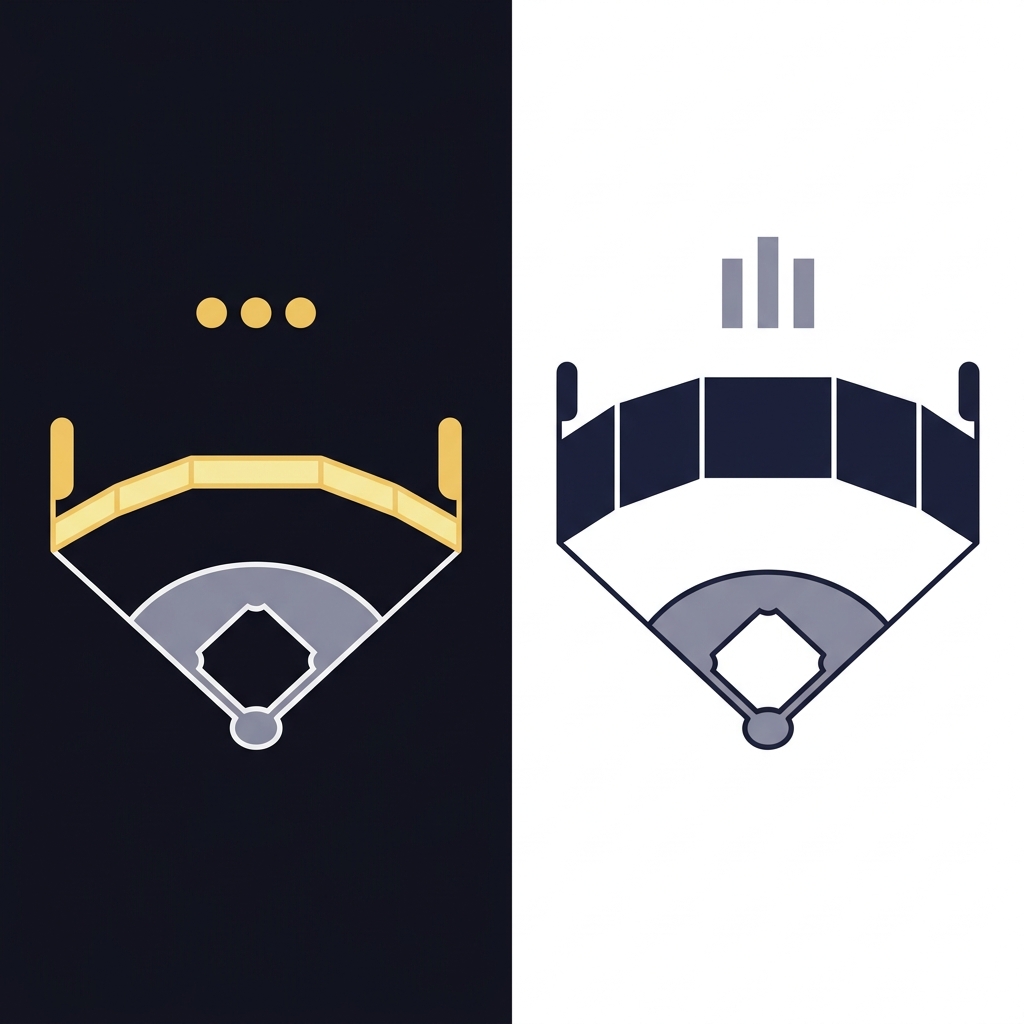
Ballparks are not neutral. Park factors quantify how many more or fewer home runs a park produces than a neutral baseline, and that shift matters when two hitters have similar recent contact. A hitter who makes strong barreled contact gains more odds of clearing the fence in a homer friendly park than in a pitcher friendly venue.
Baseball Savant provides park adjusted tools that let you translate contact into park specific expectations, and consulting a park factors leaderboard can materially change a day of ranking when parks differ meaningfully in their home run environment Park Factors Leaderboard.
Use the daily checklist to double check your picks
Try the daily checklist on your next lineup day to see how park adjustments move your rank; keep the process simple and stick to the confirmed inputs before locking a pick.
When applying park context, check both season to date park factors and any game day conditions you know about. Wind, temperature, and late announced weather can nudge effective park behavior, so treat park factor as a foundational adjustment and weather as a fine tuning step.
Matchup context: pitcher tendencies and the HR over fly ball framework
The HR over fly ball framework compares how often a pitcher allows home runs relative to their fly ball rate. Pitchers who allow a high HR/FB ratio or who yield many fly balls in general give hitters more raw opportunity to turn power contact into home runs, while strong ground ball pitchers suppress that possibility.
When you bring matchup context into a day of model, look for a pitcher’s recent fly ball rate and HR/FB marks and weigh recent form more heavily if sample sizes indicate a real change. FanGraphs has a clear explanation of the HR/FB concept that helps translate pitcher tendencies into hitter opportunity FanGraphs HR/FB guide.

Compare the hitter’s recent contact profile to the opposing pitcher’s tendency. A hitter making high quality contact will benefit more against a fly ball prone opponent, while the same hitter’s short term home run odds drop facing a pitcher who consistently forces ground balls or limits hard launch angles.
Day of confirmation: lineups, health and plate appearance volume
Confirming the day of batting order and active status is a simple habit that prevents a lot of wasted analysis. If a player is not in the confirmed lineup or is listed as questionable, their plate appearance expectation can be small enough that the projected home run probability is negligible until the status is firm MLB Starting Lineups.
Batting order slot affects opportunity. Hitters near the top of the order tend to receive more plate appearances than those at the bottom, and a middle of the order slot in a high scoring team gives more raw chances to hit a home run than a late inning bench role.
Watch for late scratches, late inning pitching changes, or unexpected defensive replacements. Any of these can alter a batter’s path to the plate and should trigger a quick re-evaluation before you finalize a pick or a stake.
Building a simple today only ranking model
Below is a compact five step checklist you can use to score hitters each game day. The steps are intentionally simple so you can run them quickly and consistently before lock.
Step 1, recent barrel rate: prioritize hitters with a higher recent barrel rate because barrels are the strongest Statcast signal for converting contact into homers Statcast barrel glossary.
Step 2, exit velocity and launch angle: confirm the hitter’s recent batted ball profile shows elevated exit velocities and beneficial angles. For park translation, use expected home runs by park to see how that contact would fare in the game venue Baseball Savant Expected Home Runs.
Step 3, park factor: adjust the raw contact score by the home park’s factor so you reward contact more when the venue helps drive long balls and penalize it in suppressing parks Park Factors Leaderboard.
Step 4, pitcher HR/FB or fly ball tendency: give a boost when opponents are prone to yielding fly balls or have higher HR/FB rates, and pull back when facing ground ball specialists or extreme home run suppressors FanGraphs HR/FB guide.
Step 5, lineup slot and confirmation: reduce scores if the player is lower in the batting order or not confirmed in the starting lineup, since plate appearance volume is the engine of opportunity MLB Starting Lineups.
Responsible staking and managing variance on HR props
Home run props are single event wagers with high variance. For that reason bankroll protection and small, consistent stake sizing help limit the chance of big drawdowns. A conservative small fixed percentage approach, where you risk a small share of your bankroll, is one straightforward option.
Another practical idea is fractional Kelly sizing, which scales stakes to your estimated edge while taking a fraction of the theoretical Kelly amount to reduce volatility. Tie whatever method you choose to a clear bankroll plan and avoid chasing losses, because short term outcomes will be noisy and unpredictable Responsible sports betting guidelines.
Always remember that staking guidance is risk management, not a guarantee of profit. Keep wagers small relative to your bankroll, and treat today only home run plays as high variance entries in a broader plan.
Common mistakes and traps to avoid when picking HRs for today
Overweighting headline streaks is a common trap. A headline of multiple games with a long ball can be tempting, but without supporting contact metrics such as barrel rate or exit velocity the apparent streak may be luck driven and not sustainable. Look for contact evidence before increasing confidence.
Another frequent mistake is ignoring park and pitcher context. Raw slugging or recent isolated power without park adjustment can mislead, because the same batted ball profile will have different home run outcomes in different venues Park Factors Leaderboard.
Finally, failing to confirm the lineup is an avoidable error. Assuming full plate appearances for a player who is scratched or riding the bench can produce false positives in your today only rankings; always check the confirmed lineups before finalizing any pick MLB Starting Lineups.
Practical examples: three today only scenarios and how to rank hitters
Example 1, a power hitter in a homer friendly park versus a neutral pitcher. In this scenario you would give the hitter a high base score for consistent barreled contact, apply a positive park adjustment, and only mull the pitcher matchup if the pitcher’s HR/FB has been unusually high recently. The park tilt will often be the deciding factor if the contact metrics are close.
Example 2, a hitter on a short recent run of strong contact facing a fly ball prone pitcher. Here you would weigh recent form more heavily, but still check that the contact quality is real by confirming barrels and exit velocity. If both the hitter and the pitcher are aligned toward fly ball outcomes the combined effect raises a short term HR likelihood.
Example 3, a bench bat inserted late in the order. Even if that batter has occasional power, the reduction in expected plate appearances and a lower order slot typically mean their today only home run probability is small unless the matchup and park are strongly favorable and the player is unexpectedly promoted into a regular role.
Takeaways and a short daily checklist
Core inputs to check each game day are recent barrels and exit velocity, expected home runs by park, opposing pitcher HR/FB or fly ball tendency, and confirmed batting order on the day of the game. These elements together form a defensible today only ranking.
Printable quick checklist, six items: recent barrel rate, recent exit velocity and launch angle, expected home runs by park or park factor, opposing pitcher fly ball or HR/FB tendency, confirmed batting order and active status, and a conservative stake size tied to responsible guidelines Responsible sports betting guidelines.
Nothing here guarantees an outcome. Treat every daily projection as a probability that can be updated with new information, and manage stake sizing to reflect high variance in single event home run props.
Weight recent form more heavily for today only projections, but balance it against season baselines; many practitioners use a window like the last 7 to 14 days while watching for consistent contact evidence.
Yes, park factors materially change home run expectations because they adjust how likely a given batted ball profile will clear the fence in the specific venue.
No, single home run props are high variance and warrant small, consistent stake sizing aligned with responsible wagering practices.
References
- https://www.mlb.com/lineups
- https://baseballsavant.mlb.com/
- https://baseballsavant.mlb.com/leaderboard/home-runs
- https://baseballsavant.mlb.com/leaderboard/expected_statistics
- https://library.fangraphs.com/offense/hrfb/
- https://www.fundedplays.com/challenges
- https://www.fundedplays.com/blogs
- https://www.fundedplays.com/blogs/how-fundedplays-evaluations-work
- https://www.fundedplays.com
- https://www.americangaming.org/responsibility/responsible-sports-betting/