

Understanding Even-Money Trades: definition and basic idea
Even money, at its core, is a simple concept: a 1:1 payout ratio implying about a 50 percent chance of a given outcome before fees or any trader edge. That plain definition is the starting point for many traders who want a balanced risk-reward posture rather than a directional, skewed bet, and it helps frame how options structures can be arranged to aim for roughly equal potential profit and loss; for a clear, practical definition see the Investopedia discussion of even money Investopedia even money definition.
Framing a trade as even money means you are intentionally designing the position so the mechanical maximum gain is similar to the mechanical maximum loss, not that the trade has a guaranteed 50 percent chance of success. That distinction matters: the 1:1 payoff is a structural property of the contract layout, while probability and real-world results depend on pricing, costs, and the path the underlying takes before expiration.
Try a paper-trade checklist on Funded Plays Challenges
Try a short paper-trade checklist first: document strikes, net premium, expected max loss and max gain, then execute a small-size simulation to see how fills and fees change the outcome.
Keep in mind practical friction: commissions, bid-ask spreads, and slippage tilt symmetry away from the ideal. When someone describes an even-money setup, ask whether those frictions were included in the math. Small execution costs can easily convert a neat 1:1 profile into one with a meaningful edge for one side.
How the betting idea maps to options: deltas and probability proxies
Traders commonly use delta as a quick probability proxy because, for standard models and under typical assumptions, an at-the-money option has a delta near 0.50, which traders treat as an informal 50 percent chance of expiring in the money; the CME Group resource on delta explains this sensitivity and common usage CME Group options delta guide.
Delta is primarily a sensitivity measure that estimates how much the option price moves for a small move in the underlying, but it also maps loosely to the option's likelihood of expiring in the money under simple distributional assumptions. Relying on delta as a proxy is efficient for trade design, yet it is only a shortcut: delta shifts with time, implied volatility, and underlying moves, so the 0.50 shorthand can mislead if those dynamics are ignored.
A brief numeric sketch helps: an at-the-money call with delta around 0.50 suggests a balanced chance under a symmetric model, but that does not account for skew, kurtosis, or a trader's information edge. Use delta as a planning tool rather than a definitive probability and combine it with other checks when aiming for near-even payoff profiles.

Core mechanics: spread math and constructing a 1:1 payoff
Vertical spreads create built-in maximum profit and loss values because the strike width sets the gross payoff and the net debit or credit sets how much you pay or receive up front. A clear primer on vertical spreads shows how these pieces fit together Investopedia vertical spread explanation and Schwab's primer Schwab vertical spread guide.
Mechanically, a debit vertical's maximum gain equals the strike width minus the net debit paid, while maximum loss equals the net debit. To approximate a 1:1 payoff on a debit vertical, traders commonly aim for a net debit that is about half the strike width, which makes the maximum gain roughly equal to maximum loss on paper.
Constructing an even-money vertical spread involves selecting a strike width, pricing the two legs so the net debit is about half the width for a debit spread, confirming liquidity and margin, and accounting for commissions and slippage to preserve the intended 1:1 payoff.
That rule of thumb is useful for initial sizing, but it is only a starting point. Execution matters: if fills push the net debit above the target, or if commissions and wide bid-ask spreads inflate the effective cost, the neat 1:1 ratio dissolves. Always calculate both theoretical max outcomes and the expected realized outcomes after friction.
How to build even-money vertical spreads step by step
Step 1, choose the underlying and expiration: pick a time frame that fits your view and liquidity needs. Short-dated expirations change delta quickly and can make a 1:1 setup more sensitive to intraday moves, while longer expirations slow delta decay but cost more premium. When choosing expiration, confirm that option chains have tight spreads and sufficient open interest.
Step 2, pick strike width and strikes: for a debit vertical, decide a strike distance that gives you the desired payoff range. For example, a 10-point strike width with a target net debit near 5 points approximates the even-money rule of thumb, because the net debit would be about half the width. When computing premiums, include both legs plus commissions and expected slippage. See the Interactive Brokers trading lesson for a practical walkthrough Interactive Brokers vertical credit spread.
Step 3, compute net debit or credit and confirm the payoff: add the premium paid for the long leg and subtract the premium received for the short leg to get net debit. Translate that into max gain and max loss using the strike width math. If your net debit is not near half the width and you need an even-money profile, adjust strikes or expiration and reprice until the model matches your target after costs.
Using collars and zero-cost structures to approximate even-money
A collar pairs a long underlying or long position with a protective put while selling a call to offset some or all of the put premium, creating a capped upside and defined downside. Cboe documentation on a zero-cost collar index and Investopedia materials show how collars can be constructed to be premium-neutral or near zero-cost Cboe zero-cost collar index.
In a zero-cost collar, the premium from the short call roughly offsets the cost of the protective put so the structure can be entered without a large net upfront premium. That premium-neutral feature produces a defined, limited-risk profile that aligns with even-money thinking because upside and downside are both capped by design, but it does not eliminate assignment risk or other operational exposures.

Collars work well when the goal is protection with limited opportunity cost, or when a trader prefers to define outcomes without a large initial outlay. Compared with verticals, collars can require holding the underlying and managing stock-equivalency issues, and they may be more complex to manage around dividends and early assignment on the sold call.
How transaction costs, liquidity, and assignment risk change the math
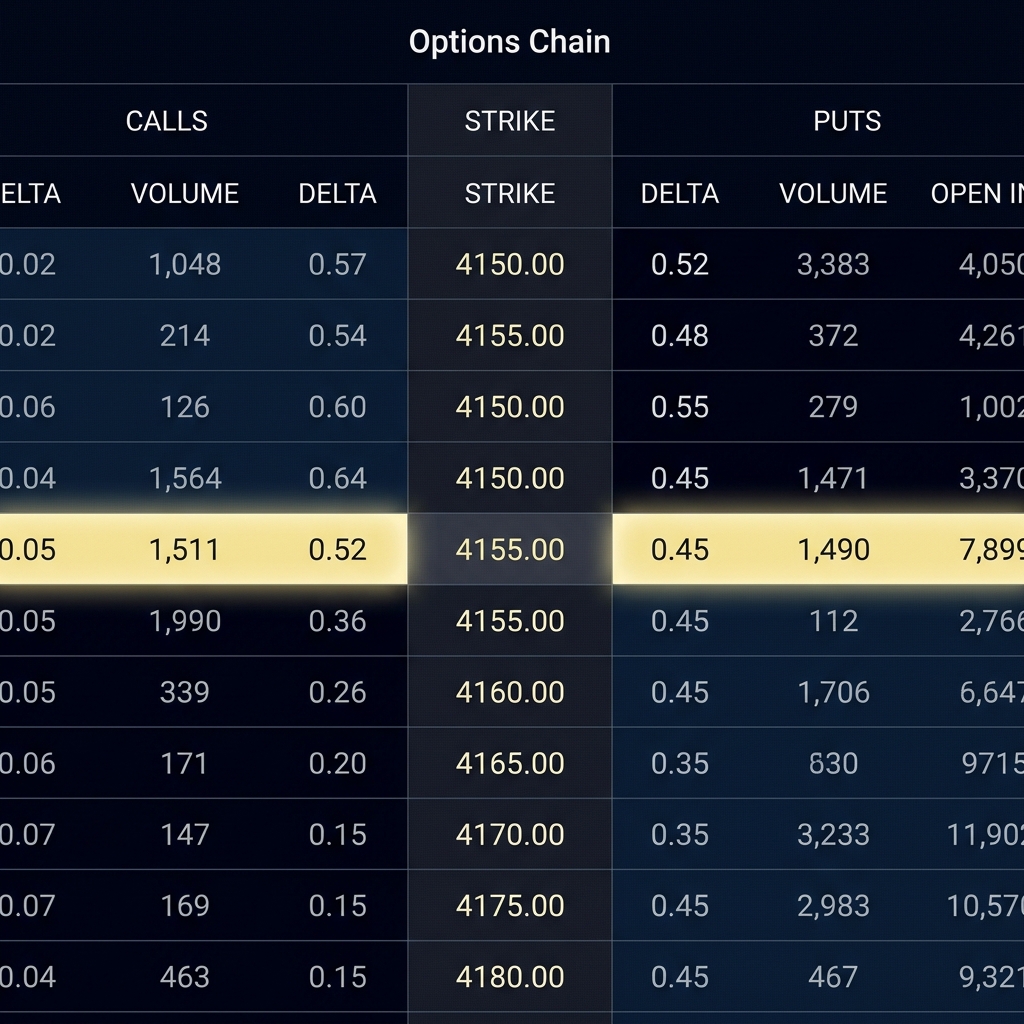
Friction is the practical enemy of symmetry: bid-ask spreads, commissions, and slippage reduce the effective payoff of the intended even-money structure and frequently shift the realized profile away from 1:1. The SEC investor guidance on options highlights these considerations and the special risks associated with options trading SEC investor options guidance.
For example, a wide bid-ask on the short leg of a spread increases the cost to close and can turn an expected break-even into a loss. Liquidity matters: thinly traded strikes may indicate poor fills and larger execution costs, while the opposite is true for strikes with deep open interest. Always check the market depth and recent fills before assuming the textbook math will hold at execution prices.
Assignment risk adds another practical tilt: short options can be assigned early, particularly around dividends or in-the-money situations, which may create unexpected stock exposure or margin demands that break your intended risk symmetry. Plan for assignment contingencies when sizing and when defining exit rules.
Decision criteria: when an even-money trade makes sense
Consider these decision criteria: your objective (hedge, income, or probability play), time horizon, expected volatility, account margin constraints, and whether you have a repeatable edge that makes the trade attractive over many instances. Regulatory and operational constraints should also influence whether a near-even setup is appropriate for your account.
If your goal is hedging, an even-money or premium-neutral structure can make sense because it limits downside while accepting capped upside as part of a safety-first posture. For income or directional probability plays, even-money trades may be used where you value defined risk over large asymmetry.
Apply decision criteria to a candidate even-money trade
Use for pre-trade validation
Use the checklist above to score potential trades before execution. See our blog. If the candidate trade fails one or more checklist items, reconsider strike selection, expiration, or trade size rather than forcing a structure to fit an even-money label.
Sizing and risk controls for even-money positions
Size positions to a fraction of account risk so that a maximum loss on any single trade fits your predefined risk tolerance. Translate the max loss that the spread implies into notional exposure and limit that to a conservative percent of account equity so one adverse outcome does not imperil broader objectives.
Include margin and maintenance impact in your sizing calculation, especially when the structure includes short components. Short legs can produce maintenance margin requirements that grow if the underlying moves against your position, so ensure available capital suffices for potential intraday swings and margin calls.
Establish explicit exits: time-based rules (reduce risk before expiration), loss-based stops, and volatility-triggered adjustments. Exit rules preserve the intended one-to-one mindset by preventing emotionally biased doubling down when the trade moves unfavorably.
Common mistakes and practical pitfalls with even-money trades
One frequent mistake is ignoring friction; the neat theoretical symmetry is fragile because commissions, wide bid-ask spreads, and slippage erode the expected balance. Traders often calculate payoff using mid prices but receive fills at less favorable quotes, turning a 1:1 design into an asymmetric loss profile in practice.
Overreliance on static delta is another trap. Delta changes with time and implied volatility, so treating a delta snapshot as a permanent probability is misleading. Traders who size aggressively based on a single delta value can be surprised when the probability proxy moves and their exposure becomes larger than intended.
Leverage is a major red flag: using even-money framing to justify outsized position sizes removes the safety that defined risk is meant to provide. If you would be uncomfortable losing the position's maximum loss amount, scale down the trade rather than assume balance will protect you.
Practical examples and scenarios: vertical spread and collar walkthroughs
Example 1, debit vertical sketch: imagine a 10-point strike width. If the long strike costs 7 points and the short strike yields 2 points, net debit equals 5 points. With a 10-point width, a net debit of 5 points makes the max gain 5 points and max loss 5 points, creating a symmetrical 1:1 payoff on paper; see the vertical spread resource for the underlying mechanics Investopedia vertical spread explanation and the tastytrade overview tastytrade vertical spread.
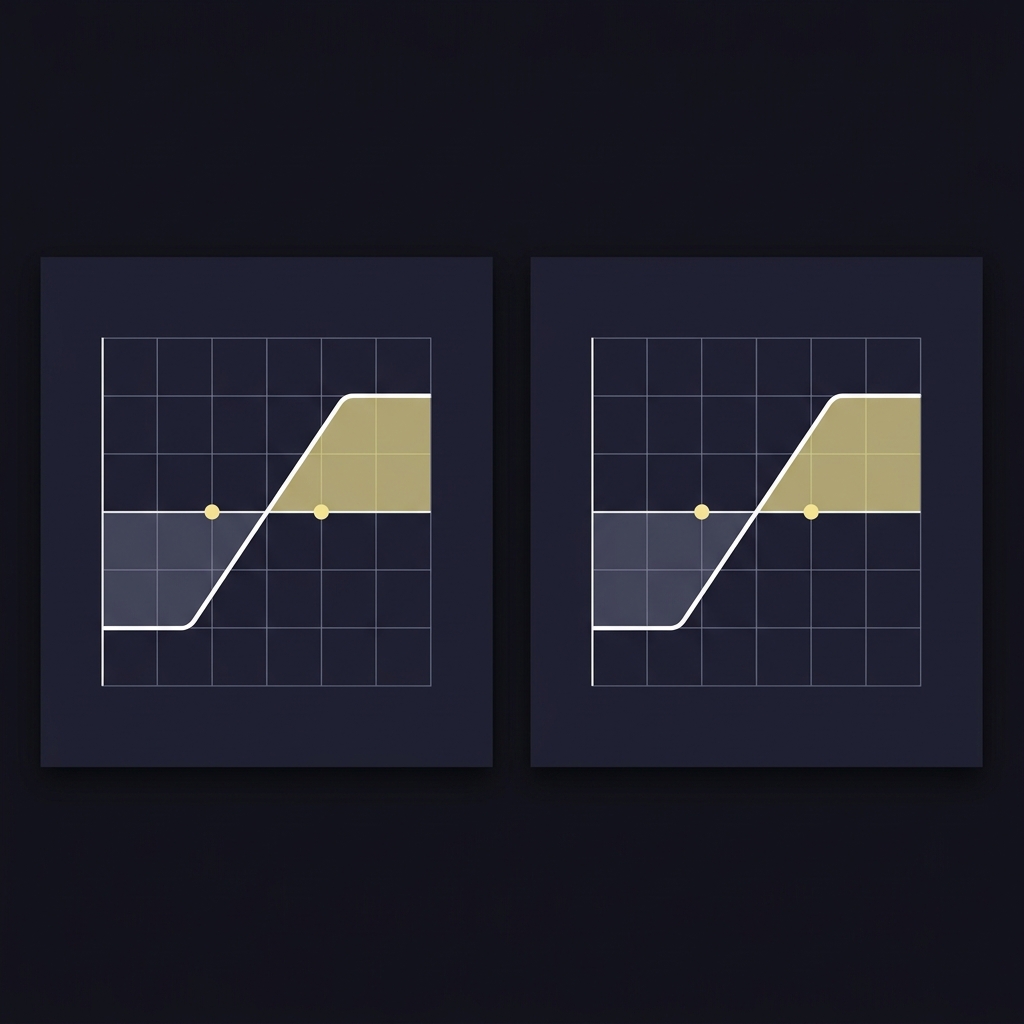
In that sketch, execution costs can shift the balance: if the realized net debit rises to 5.5 points because of slippage and fees, the max loss would exceed the max gain by 0.5 points. That small change demonstrates how sensitive even-money designs are to fills and transaction costs, so simulate fills or use limit orders aligned with your pricing goals.
Example 2, zero-cost collar sketch: buy a protective put that costs 2.5 points and sell a call that pays 2.5 points, creating a premium-neutral entry. The collar sets an explicit floor and a capped upside; the zero-cost feature removes a large upfront premium but does not remove assignment risk on the sold call or the need to manage around dividend dates and early exercise windows. For an institutional reference, Cboe documents similar zero-cost collar indices and methodologies Cboe zero-cost collar index.
Both sketches emphasize one practical truth: the paper math is only as good as the execution plan. Monitor fills, confirm margin, and be ready to adjust if realized prices deviate from quotes used in your initial calculation.
Step-by-step checklist: entry, management, and exit for an even-money trade
Pre-trade checklist: confirm adequate liquidity at chosen strikes, compute net premium including expected slippage, set position size from percent-of-account risk, and document exit rules for time, loss, and volatility. Log these items before hitting a trade ticket so the decision is reproducible and auditable.
Management checklist while live: monitor delta movement and implied volatility shifts, watch for news or events that can spike realized volatility, and be ready to adjust or hedge if the position moves toward its max loss. Keep a replacement plan if the short leg shows signs of early assignment.
Exit and post-trade review: close or roll positions per predefined triggers, record realized cost versus theoretical cost, and note lessons learned in a trade journal. A disciplined post-trade review helps refine strike selection and sizing when building a repeatable approach to near-even trades.
How even-money trades compare with other risk-reward approaches
Even-money is a balanced strategy compared with asymmetric payoffs like long calls or short puts. A long call targets large upside with defined cost and unlimited upside potential, while a short put seeks premium income with potentially large downside; both differ from an even-money posture that seeks similar maximum gain and loss by design, as outlined in the general definition of even money Investopedia even money definition.
Choose balanced payoff when your objective is defined risk and repeatability, and prefer skewed strategies when you have a view or edge that favors asymmetry. Consider capital efficiency: skewed plays can be more capital efficient for directional views, while even-money trades prioritize clarity of outcome over maximal leverage.
When even-money setups fail: red flags and stop conditions
Market events that break the model include sudden volatility spikes, earnings gaps, and liquidity drying up. These events can make the assumed probability proxies invalid and can dramatically widen bid-ask spreads, making it difficult to adjust or exit positions near the prices used in initial planning.
Operational red flags include poor fills that differ materially from the mid or expected quote, early assignment on a short leg that creates unintended stock exposure, and margin calls that force closure at unfavorable times. When one of these red flags appears, follow your pretrade plan: hedge, reduce size, or close depending on the situation and the actions documented in the checklist.
Conclusion: practical next steps and responsible participation
Summary takeaways: an understanding of delta as a probability proxy, clear spread math that ties strike width to net premium, and thoughtful use of collars can all help you construct near even-money profiles, but frictions and operational risks remain and must be managed explicitly. For basics on the 1:1 idea, refer back to the foundational even money definition Investopedia even money definition. See how our evaluations work here.
Practical next steps: paper trade the checklist items, run small-size trials to verify fills and fees, and keep a trade log to measure whether your execution produces the theoretical symmetry you expect. Responsible participation means treating even-money frameworks as organizational tools rather than safety guarantees and always accounting for regulatory, assignment, and liquidity risks. Visit Funded Plays.
Even-money refers to a 1:1 payout ratio that implies a 50 percent chance before fees or trader edge; in trading it describes structural designs where maximum gain and loss are roughly equal.
Delta is a useful probability proxy under standard assumptions but it changes with time and volatility and is not a true probability without additional distributional context.
No, a zero-cost collar can limit premium outlay and define outcomes but it does not eliminate assignment risk, liquidity issues, or other operational exposures.
References
- https://www.investopedia.com/terms/e/even-money.asp
- https://www.cmegroup.com/education/learn/options/what-is-delta.html
- https://www.investopedia.com/terms/v/verticalspread.asp
- https://www.schwab.com/learn/story/bullish-bearish-vertical-options-spreads
- https://www.interactivebrokers.com/campus/trading-lessons/vertical-credit-spread/
- https://www.cboe.com/us/indices/strategy_indices/cllz/
- https://www.fundedplays.com/challenges
- https://www.investor.gov/introduction-investing/investing-basics/investment-products/options
- https://www.fundedplays.com/blogs
- https://tastytrade.com/learn/trading-products/options/long-call-vertical-spread/
- https://www.fundedplays.com/blogs/how-fundedplays-evaluations-work
- https://www.fundedplays.com