
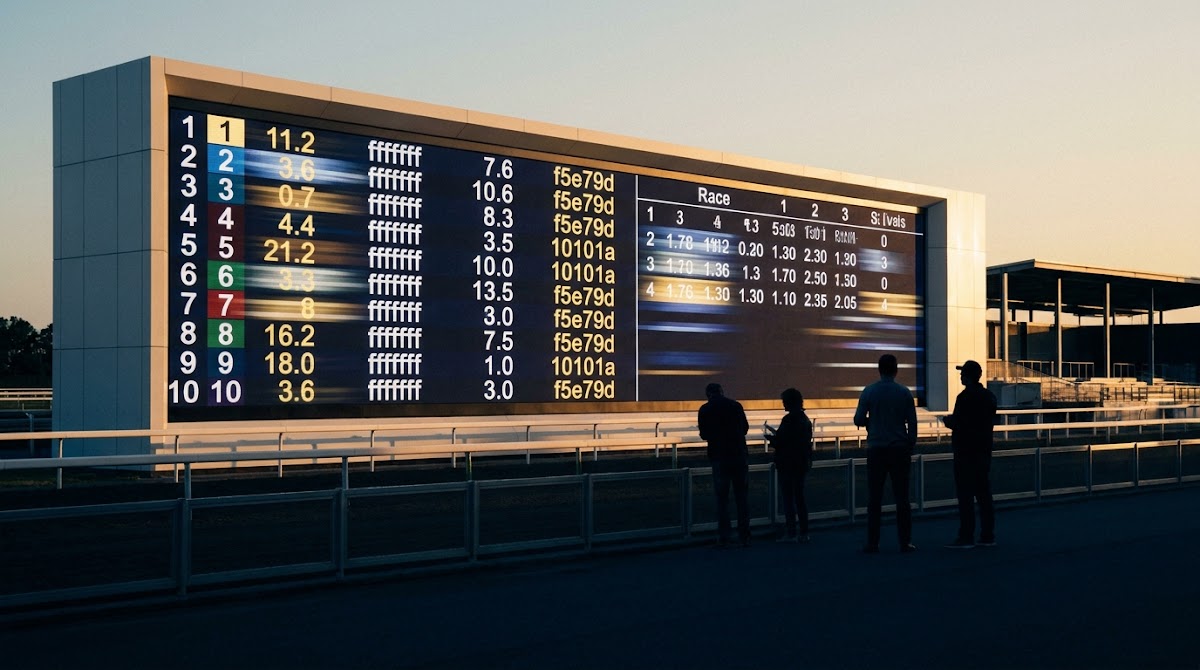
How pari-mutuel wagering works
What pari-mutuel means in practice, types of bets horse racing
Pari-mutuel wagering pools all bets of the same type together and pays winners from that pool after the track deducts its takeout. This structure means payouts are not fixed when you place a wager but are determined when betting closes and the pool is settled, so the final return is only known at the end of betting. Investopedia on pari-mutuel betting Wikipedia: Parimutuel betting
Takeout is the portion removed from the pool before payouts and is applied by the track or operator; the remainder funds payouts to winning tickets. Different jurisdictions and bet types can have different takeout rates, and that affects the amount returned to winning bettors. Encyclopaedia Britannica on pari-mutuel
Because all bettors of the same bet type share a single pool, the size of that pool and the distribution of winning tickets determine the per-ticket payout. For beginners, that means understanding the pool, the takeout, and that posted odds are estimates until the pool closes. Investopedia on pari-mutuel betting
Learn more about structured, skill-based prediction challenges on the FundedPlays Challenges page
Before placing a ticket, check the tote board and the track's bet menu to confirm which wagers are offered and the base stake amounts.
Practical example: if many bettors back the same horse in a win pool, the visible odds will shorten as the pool grows, but the final payout remains dependent on how many winning tickets exist at close, not the moment you bet.
The tote board shows live estimates of odds and sometimes the visible pool size for common bets. It updates as more money goes into each pool, giving a running view of how the market is moving. These displayed odds are informative but remain provisional until the pool is locked and settled. Investopedia on pari-mutuel betting TwinSpires wager types

Odds move during betting because the composition of the pool changes as others place bets; a horse with increasing support will show shorter odds, while horses with little support will drift. That movement reflects the current distribution of funds but not the final payout. Encyclopaedia Britannica on pari-mutuel
Tip for beginners: use the tote board as a guide but verify the local bet menu and base bet amounts with the track or operator before you construct multi-combination tickets. Some venues list minimums or offer different exotic pools. Investopedia on pari-mutuel betting
Win, place, show: the simplest single-race bets
What winning, placing, and showing mean
Win means your horse must finish first to cash; place means first or second; show means first, second, or third. These straight bets are the foundation many beginners start with because they are straightforward to understand and build from. Investopedia on pari-mutuel betting
Common US horse racing bet types include straight bets (win, place, show), exotics like exacta and trifecta which require correct finishing order, quinellas that allow any order for two horses, and multi-race picks such as Daily Double and Pick 3. Under pari-mutuel wagering, all bets of the same type share a pool and payouts are set after takeout when betting closes. Ticket cost for combination bets equals the base stake multiplied by the number of combinations, so boxing or wheeling increases cost proportionally.
Payouts for win, place, and show come from their respective pari-mutuel pools and are finalized at betting close, so a show ticket that looks attractive during the betting window may pay differently at settlement. Check the tote odds as you decide, but remember the final payout depends on the closed pool and takeout. Encyclopaedia Britannica on pari-mutuel
When might a beginner choose each? A win bet is higher risk and offers the most upside; place reduces the risk of losing entirely by needing top two; show is the most conservative of the three straight options. The right choice depends on your confidence in a selection and your preference for risk versus probability of a return.
Exacta: picking the first two in order and boxing to expand coverage
Exacta defined and when it pays
An exacta requires you to pick the first- and second-place finishers in the correct order. The bet pays only if the two horses finish exactly as you listed, and the payout is taken from the exacta pool after takeout, so the final payoff is unknown until the pool closes. Investopedia exacta definition
Boxing an exacta means you choose a group of horses and cover all possible order permutations among them. Boxing increases your chance to hit an ordering but multiplies the number of combinations and the total ticket cost. For example, a three-horse exacta box creates six distinct two-horse order combinations. Investopedia exacta definition

Cost is calculated as the base stake multiplied by the number of combinations. That rule is central: every added horse in a box increases combinations by a known combinatorial factor, and the ticket price follows accordingly. This is why boxed exotics are a tradeoff between coverage and cost. Funded Plays
Trifecta: predicting the top three and the cost of boxed coverage
Trifecta definition and exact-order requirement
A trifecta asks you to select the first, second, and third finishers in exact order; like other exotics, the pool-based payout is only set after betting closes. Exact-order exotic bets require stronger predictive precision, and that is reflected in their hit rates. Investopedia trifecta definition
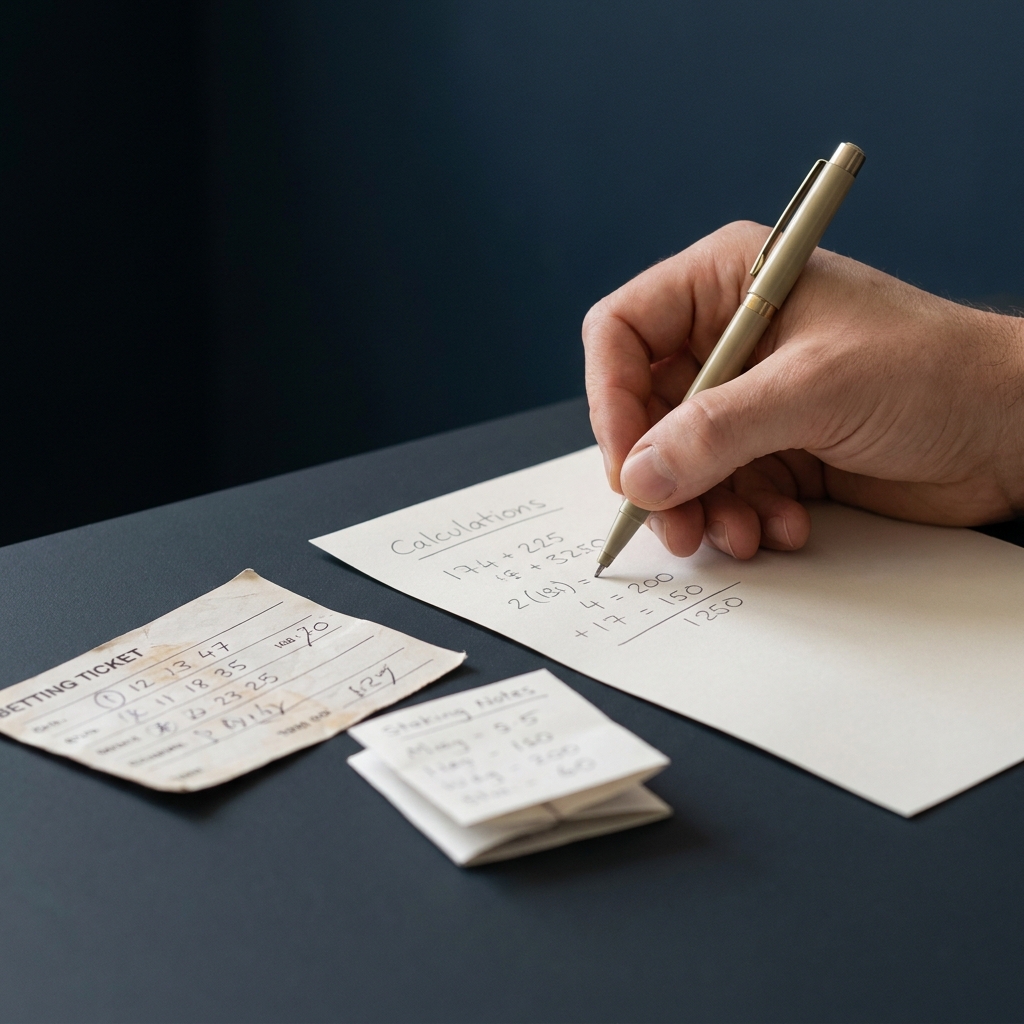
Boxing a trifecta expands coverage to every permutation of your chosen horses for the first three spots. The number of permutations grows quickly, making boxed trifectas expensive compared to boxed exactas, so bettors must weigh broader coverage against higher ticket costs. Investopedia trifecta definition
Trifectas are commonly used when a bettor has a small group of standout horses and wants to cover the possible finishing orders among them. Because costs escalate with permutations, many bettors use partial wheels or keying strategies to manage combinations instead of full boxes.
Quinella and similar two-horse bets: flexibility and availability
What a quinella is and how it differs from an exacta
A quinella cashes if the two chosen horses finish first and second in any order; unlike an exacta, the order does not matter. Quinellas are a flexible way to cover two strong suspects without paying for every ordered combination as you would with an exacta box. Investopedia quinella definition
Availability varies by track and jurisdiction, so quinellas may not be offered everywhere. Always check the local bet menu before assuming a quinella is available for a race. Investopedia quinella definition NYRA wagering info
When offered, a quinella can be a cost-effective alternative to a boxed exacta for covering two horses where either could win or place. It reduces combination count compared with a box while preserving coverage for either order.
Daily Double and multi-race Picks: pooling winners across races
Daily Double definition and pool separation
A Daily Double requires picking the winners of two consecutive races; each multi-race wager type has its own pool separate from single-race exotics, and payouts are determined from that dedicated pool after takeout. Multi-race wagers aggregate risk across races, so final returns are set only when each pool closes. Investopedia Daily Double definition
Longer Pick sequences, like Pick 3, Pick 4, Pick 5, and Pick 6, follow the same pooled principle. Because it is harder to correctly select winners across multiple races, hit rates fall as sequence lengthens; that lower frequency of winning tickets is one reason these pools can produce larger and less predictable payouts. Investopedia Daily Double definition
estimate combinations and ticket cost for common boxed and keyed bets
Use integers for horses in box
Practical consideration: multi-race bets let you leverage separate pools but magnify the challenge of predicting multiple outcomes. Because each pick leg is settled from its own pool structure, small changes in which horses attract money across races can materially affect the final per-ticket payout.
Check base bet amounts carefully for multi-race bets. Some tracks set minimums that apply per combination, which means a Pick 3 built from many combinations can quickly become expensive if you do not manage the number of combinations and the base stake.
Ticket construction: boxing, keying, and wheeling explained
What boxing, keying, and wheeling mean in practice
Boxing covers all order permutations among the horses you select for specific finishing positions, keying fixes one horse in a specific spot while combining it with multiple others, and wheeling uses one or more horses across multiple positions to cover many combinations. These three building blocks allow bettors to balance coverage against cost. Investopedia exacta definition
The total ticket cost equals the base stake multiplied by the number of combinations. That rule applies whether you box, key, or wheel: each distinct combination is a separate bet at the base stake, and all combinations sum to the final ticket price. Investopedia exacta definition
Rule of thumb: if you want broader coverage without exploding cost, consider keying one strong pick and limiting the number of secondary horses rather than fully boxing a large group. A short two-step checklist helps: first, count combinations; second, multiply by the base stake to confirm the total cost before submitting tickets.
Calculating combinations and ticket cost: worked math examples
Exact combinations examples (3-horse box, small keyed exacta)
Three-horse exacta box: three horses produce six ordered two-horse combinations because each horse can finish first and any of the remaining two can finish second; combinations equal Horses in box times (Horses in box - 1). Using the cost rule, ticket cost equals base stake times six. Investopedia exacta definition
Keyed exacta example: if you key Horse A to finish first and pair it with Horses B and C for second, you have two combinations: A-B and A-C. Multiply that number by your base stake to get the ticket cost. This shows how keying controls combination growth compared with full boxes. Investopedia exacta definition
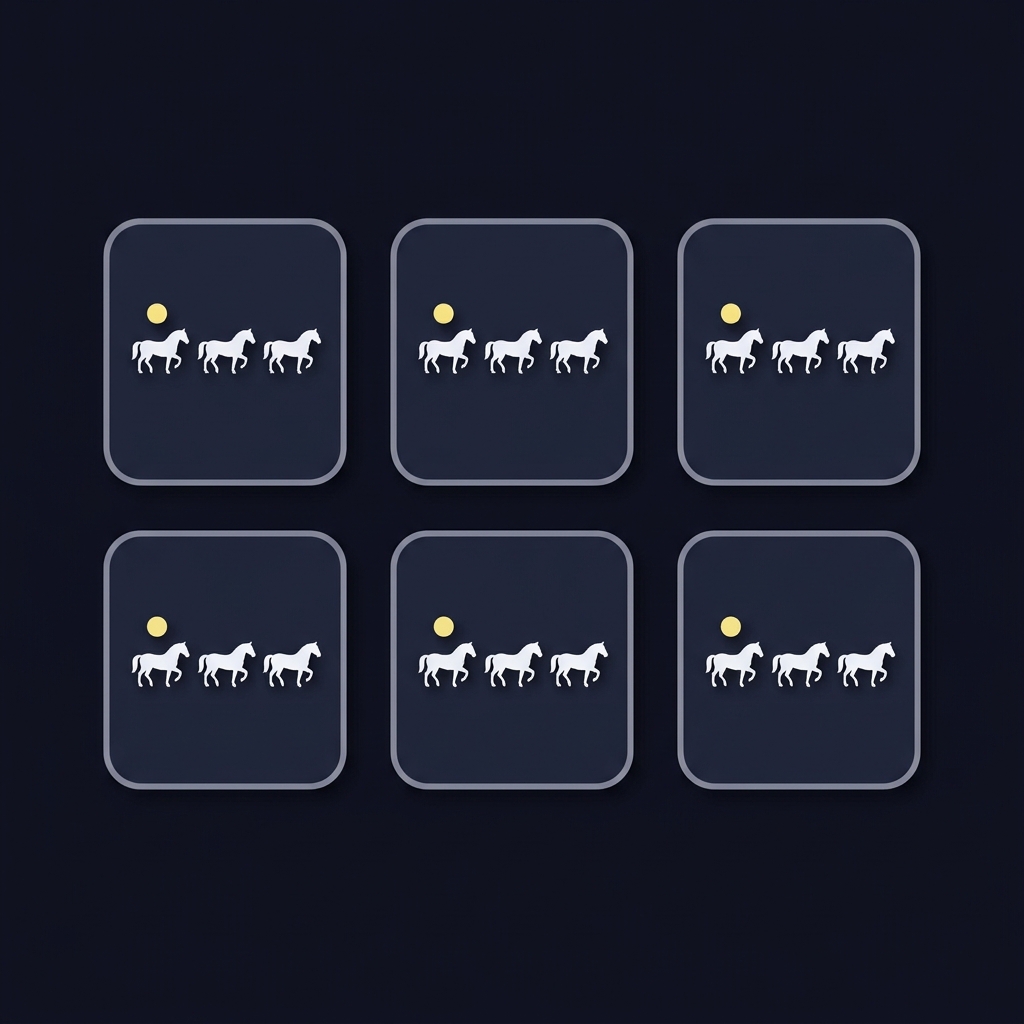
Practice prompts: 1) Calculate combinations and ticket cost for a four-horse exacta box using a base stake of 1 unit. 2) For a keyed trifecta with one key in first and three horses for second and third, count the combinations and multiply by your base stake to get the final cost.
Choosing the right bet type: decision criteria and when to use each
Risk versus reward: hit rate and pool size considerations
Decide by comparing bankroll, how much you are willing to pay per combination, and your confidence in single-horse selections. Straight bets are sensible when confidence is concentrated in one horse; exotics are appropriate when you want to express convictions about multiple horses or combinations but can accept higher cost and lower hit rates. Investopedia on pari-mutuel betting
Pool size and takeout matter: larger pools can produce steadier payouts but takeout reduces the pool before payouts are calculated, affecting returns. Because payouts in pari-mutuel systems depend on the closed pool, your expected return varies with how many other bettors support the same horses and how many winning tickets are in the payout slice. Encyclopaedia Britannica on pari-mutuel
Match the bet to your objective: use win/place/show for simple plays, use small boxed or keyed exactas and trifectas for targeted combinations, and use multi-race picks when you want to combine leverage across races while being mindful of ticket cost and base bet minimums.
Common mistakes and pitfalls for beginners
Ignoring the cost of combinations
A common mistake is buying many combinations without doing the math first; ticket cost equals the base stake times the number of combinations, and that can quickly exceed a comfortable limit. Always count combinations and multiply by the base stake before you confirm a ticket. Investopedia exacta definition
Another trap is assuming the posted odds during betting equal the final payout. Because pari-mutuel pools settle at close, posted odds are provisional and the actual payout depends on the final pool distribution. Verify your assumptions before committing significant funds. Investopedia on pari-mutuel betting
Also, failing to check the local bet menu or the base minimum can lead to surprises. Some tracks or operators set minimums that apply per combination, which makes multi-combination tickets more expensive than a quick glance might suggest.
Practical scenarios: three concise, realistic examples
Small exacta box scenario with cost calculation
Scenario one: you choose Horses A, B, C in an exacta box. That produces six combinations. If your base stake is 1 unit, the ticket cost is 6 units. This illustrates how a small box can be manageable while giving full order coverage. Investopedia exacta definition
Scenario two: keyed trifecta. Key Horse A for first, and use Horses B, C, D for second and third positions. Count the permutations for second and third around the key, multiply by the base stake to get the cost, and compare that to a full boxed trifecta cost before buying. Investopedia trifecta definition
Scenario three: Pick 3 across races one, two, and three. Build a ticket with a small number of combinations to limit cost, remember each leg is part of a separate Pick 3 pool, and accept that the payout is less predictable because fewer winning tickets can significantly change per-ticket returns. Investopedia Daily Double definition
Track and jurisdiction differences you should check
Which bets might not be available everywhere
Some wagers, such as quinellas, are not universally offered; availability depends on the track and regulatory jurisdiction. Confirm the local bet menu to see which exotic options and multi-race bets are supported. Investopedia quinella definition
Base minimum bet amounts and takeout rates also vary by track and jurisdiction, which affects both ticket construction and expected payouts. Always consult the official rules or the track's posted bet menu to avoid surprises. Encyclopaedia Britannica on pari-mutuel
Find official bet menus and rules on the track's website or at the betting windows; these sources list which wagers are offered and the standard base stake you will pay per combination. You can also see related posts on the Funded Plays blog.
Summary and next steps for practicing safely
Quick recap of core bet types and cost rules
Recap: pari-mutuel pools pay winners after takeout, straight bets are win/place/show, exotics include exacta and trifecta which require correct order, and multi-race picks aggregate separate pools. Remember the consistent math rule: ticket cost equals base stake times number of combinations.
Next steps for practice: try constructing tickets on paper or with a small simulated bankroll to count combinations and calculate total cost before risking real funds. Simulated practice helps you internalize how boxes, keys, and wheels affect ticket cost and coverage without financial risk. Investopedia on pari-mutuel betting For further reading see related posts on the Funded Plays blog.
Pari-mutuel wagering pools all bets of the same type and pays winners from that pool after the track deducts takeout; final payouts are determined when betting closes.
A boxed exacta covers all order permutations among selected horses, so ticket cost equals the base stake times the number of combinations created by the box.
No, quinella availability varies by track and jurisdiction, so check the local bet menu to see if it is offered.
References
- https://www.investopedia.com/terms/p/parimutuelbetting.asp
- https://www.britannica.com/topic/pari-mutuel-betting
- https://www.investopedia.com/terms/e/exacta.asp
- https://www.fundedplays.com/challenges
- https://www.fundedplays.com
- https://www.investopedia.com/terms/t/trifecta.asp
- https://www.twinspires.com/wager-types/
- https://www.investopedia.com/terms/q/quinella.asp
- https://www.investopedia.com/terms/d/daily-double.asp
- https://www.fundedplays.com/blogs
- https://en.wikipedia.org/wiki/Parimutuel_betting
- https://www.nyra.com/aqueduct/racing/nyra-wagering-info/