
Quick answer: types of bets horse racing and which is most popular
The short answer is that Win is the entry-level wager most tracks and operator guides present first, while actual popularity by money wagered varies by market and pool type; measuring 'most popular' depends on whether you count how many bettors make a wager or which pool collects the most turnover. For regulatory consistency across U.S. tracks, wager definitions for Win, Place and Show are set out in the ARCI model rules, which help explain why those pools are treated as the baseline in operator materials ARCI model rules.
Put simply, new bettors are usually taught Win because it asks for one correct outcome, so it is the most common starting bet on instruction pages, while exotic pools such as Exacta, Trifecta and Quinella attract larger payouts and can account for a sizeable share of turnover in some jurisdictions.
quick comparison of confidence, payout and bankroll to estimate expected return
Use conservative confidence estimates
Short summary for readers who want the direct answer
If you want a single takeaway: for beginners the Win bet is the most commonly taught and widely available simple wager, while turnover-based measures of popularity differ by market and product mix. Operator education tends to place Win first because it is simple to understand and to settle for a single winner.
What 'most popular' can mean: number of bettors vs turnover
When people ask about the most popular bet, they may mean either the bet most frequently selected by casual bettors or the bet that produces the largest share of money wagered. These are different metrics; a lot of small, frequent Win wagers can reflect broad participation, while complex exotics can generate large pools and heavy turnover from fewer tickets.

What Win, Place and Show mean and how pari-mutuel pools work
Win, Place and Show are the foundational pari-mutuel pools presented across U.S. tracks and operator guides. A Win wager pays if your horse finishes first, Place pays for finishing first or second, and Show pays for finishing first, second or third. These pools form the basic menu most newcomers see at tracks and on operator pages.
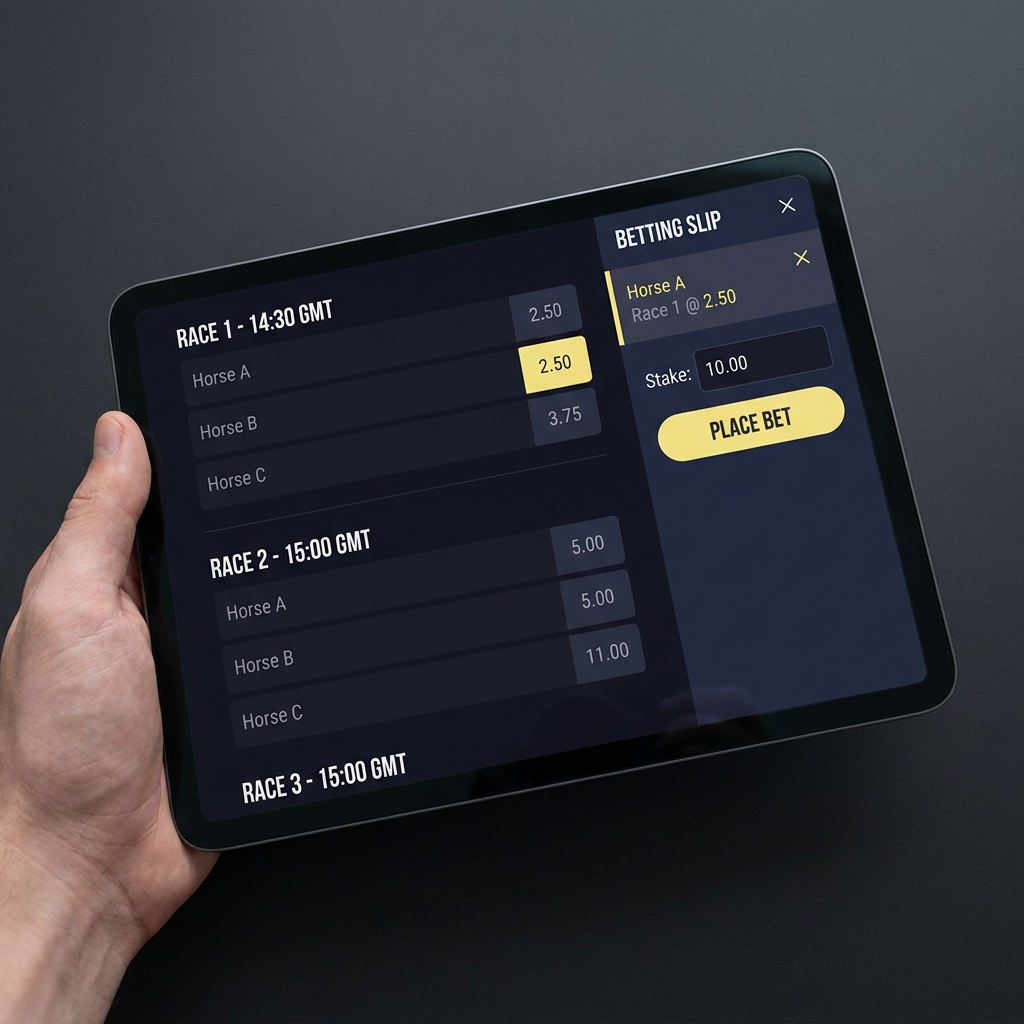
The pari-mutuel mechanism means bettors share a common pool for each wager type; the operator removes takeout and taxes, and the remaining pool is divided among winning tickets. This arrangement makes payouts dependent on how much money is in a pool and how many winning tickets there are, rather than fixed odds set in advance NYRA wager types.
ARCI model rules standardize wager definitions so fans see consistent names and pool structures across many U.S. jurisdictions, but individual tracks and ADW operators still list their own minimum bets, takeout percentages and menu choices for race days.
How operators present the Win bet to beginners
Major operator education pages routinely present Win as the basic entry wager because it is simple to explain and to follow: pick the horse that will finish first. This approach is visible in operator guides, which lead with Win when describing how to place a bet and how payouts are determined Churchill Downs wager menu.
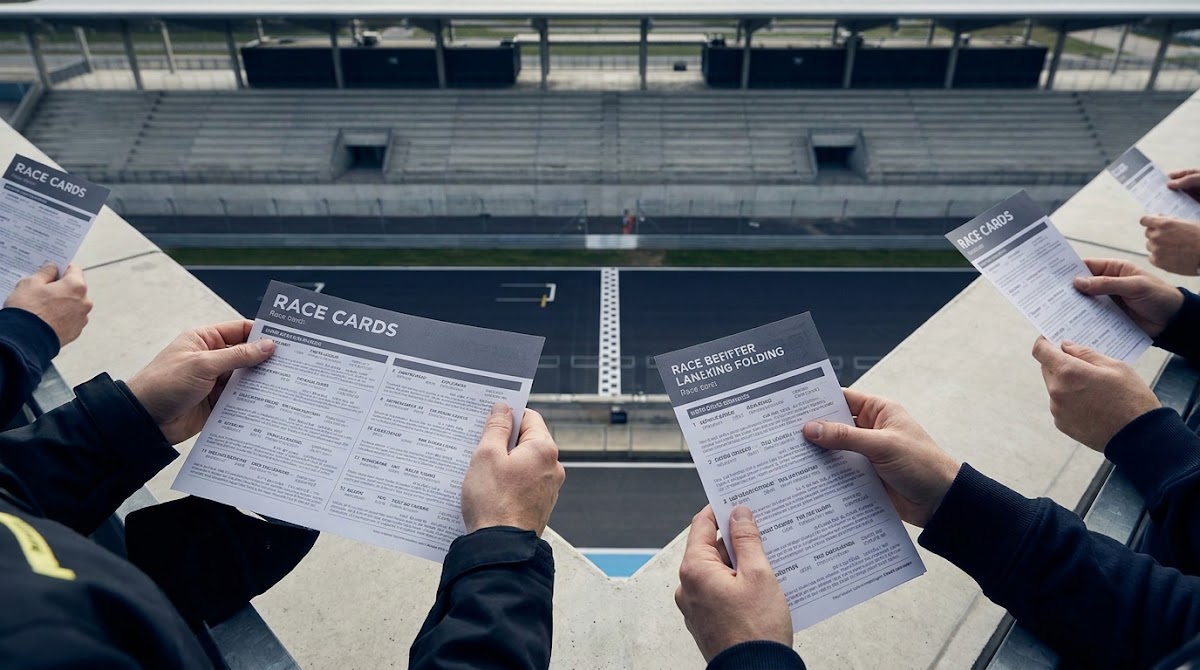
Teaching Win first helps new bettors learn how to read a race card and follow a race without the complexity of multiple selections or combinations. That does not mean Win produces the best returns; it simply lowers the mechanical barrier to participation.
Beginners should start with Win or Place to learn ticketing, race-reading and payout mechanics, then use small, controlled tickets for exotics as skill and confidence grow.
For many beginners the first sensible step is to place a small Win wager to learn ticket buying, ticket cashing and how pool payouts are announced; the process builds familiarity before moving on to Place, Show or exotics.
Common exotic bets: Exacta, Trifecta, Quinella and how they differ
Exotic wagers require selecting multiple finishing positions and therefore carry lower probabilities of cashing but higher potential payouts when successful. An Exacta requires picking the first and second finishers in exact order, a Trifecta the first three in exact order, and a Quinella asks for the first two finishers in any order. Operators separate these into distinct pools that pay from the combined wagers placed on each exotic product NYRA wager types.
Because exotics demand more correct outcomes, they present higher variance and reward successful combinations more generously. Operator education materials commonly describe exotics as advanced plays that benefit from greater race study and tighter bankroll controls compared with Win/Place/Show.
Regional names and variants exist; for example some markets use Quinella Place or different formatting for trifecta-style tickets, but the practical distinction remains: exotics are structured to let bettors express more complex views on a race and capture larger payouts when the market outcome diverges from favorites.
How popularity by pool changes by jurisdiction and what turnover data shows
Popularity measured by turnover can look different from popularity measured by ticket counts. Markets with strong interest in large-payout combinations often show higher turnover for exotics even if fewer bettors purchase those tickets, while markets with broad casual participation may show high counts for Win wagers but a lower share of total stakes. For a global perspective see the World Pool discussion at The Jockey Club.
For example, Hong Kong emphasizes core pools such as Win and Quinella/Quinella Place in its product menu, reflecting local player preferences in turnover breakdowns Hong Kong Jockey Club betting pools (see the HKJC betting guide here).

By contrast, Japan has shown strong public interest and significant turnover in trifecta-style pools, where high-payout combinations are popular with local bettors and shape the overall share of turnover for certain meets Japan Racing Association pari-mutuel data.
Australia and other markets add further variation in pool mix and menu structure, so the local product offering and cultural preferences are key to interpreting what 'most popular' means in practice.
Which bets give higher hit rates for beginners: Place and Show vs Win
For a bettor who selects the same horse, Place or Show typically cash more often than Win because those pools pay for more finishing positions. In plain terms, aiming for Place or Show increases the chance of a paid ticket at the cost of generally smaller per-ticket payouts.
That trade-off makes Place and Show useful learning tools for beginners who want repeatable, lower-variance experiences while they build race-reading skills. Operator guides often point out these relative hit-rate differences when explaining simple pools to new players NYRA wager types.
When exotics make sense: bankroll, edge and payout considerations
Exotics make sense when a bettor seeks larger payouts, believes they have an analytical edge, or wants to use combinations to target specific outcomes. Because exotics reduce the chance of cashing, bettors should reduce individual ticket sizes and manage the number of combinations to control variance.
Good practice with exotics includes defining a strict portion of your bankroll for high-variance tickets, running small combinatoric entries, and tracking results to measure whether the approach improves long-term return relative to simpler wagers Churchill Downs wagering guide.
Review pool menus before attempting exotics on the FundedPlays Challenges guidance page
Before you try larger exotic tickets, check the day’s pool menu and minimums on your operator page and confirm the available exotic pools for the race.
Practical framework: choose a bet based on goals, skill and event type
Use a short checklist to choose a wager: define your goal for the race, assess confidence in a single outcome, check the operator's pool menu and takeout, and size stakes within your bankroll limits. Following that sequence helps match bet type to intent.
Rule-of-thumb profiles can guide selections: a beginner focusing on learning should favor Win or Place tickets; a steady-value player may mix Place/Show with occasional small Exacta plays; a value-seeker comfortable with math and combinations may allocate a dedicated small share of bankroll to Trifecta or boxed exotics.

Rule-of-thumb profiles can guide selections: a beginner focusing on learning should favor Win or Place tickets; a steady-value player may mix Place/Show with occasional small Exacta plays; a value-seeker comfortable with math and combinations may allocate a dedicated small share of bankroll to Trifecta or boxed exotics.
Always confirm local minimum bets and takeout rates before placing tickets so that ticket sizing and expected return align with your plan ARCI model rules.
Common mistakes and pitfalls when picking bet types
Frequent errors include ignoring takeout, over-sizing exotic tickets, and assuming teaching emphasis implies profitability. For research on takeout impacts see an IFHA paper here.
Chasing large exotic payouts with oversized tickets can quickly erode a bankroll; a better approach is to cap exotic spending and use small, targeted combinations while you test strategy and measure outcomes.
Practical examples: beginner plan, conservative plan, and speculative plan
Beginner plan: focus on Win and Place to learn ticketing, reading odds and tracking results. Keep stakes small, record outcomes, and use Place/Show to increase the frequency of paid tickets while learning.
Conservative plan: split bankroll between Place/Show for steady returns and small Exacta boxes to capture occasional larger payouts without blowing a large share of capital. Limit the number of combinations and stick to consistent ticket sizes.
Speculative plan: dedicate a small, clearly defined portion of bankroll to targeted exotics where you believe you have an informational edge or where a race's form suggests mispriced combinations. Track performance carefully and be prepared for extended dry spells given the lower probabilities of cashing on exotics Japan Racing Association pari-mutuel data.
International highlights: Hong Kong, Japan and Australia - what differs
Hong Kong's menu emphasizes pools such as Win and Quinella/Quinella Place and these product preferences shape turnover and player strategies in that market Hong Kong Jockey Club betting pools.
Japan shows marked interest in trifecta-style pools, where a cultural preference for high-payout combinations and structured betting patterns influences total turnover for certain meets Japan Racing Association pari-mutuel data.
Racing Australia provides another regional view of how menu mixes and local preferences affect which pools attract money, so consult local operator pages when interpreting what 'popular' means in each country Racing Australia fact book.
How to check local menus, minimums and takeout before you bet
Check the official operator or track page for the day’s wagering menu and posted minimums before placing bets; these pages list available pools, minimum ticket sizes, and any special pools for the meet.
Remember that ARCI model rules provide consistent wager definitions, but exact minimums and takeout rates are operator-level details you must confirm on the track or ADW page for the race day ARCI model rules.
Summary: choosing the right horse-racing bet for your goals
Key takeaways: Win is the common entry bet most operators teach and list first, but whether it is the 'most popular' depends on whether you measure by ticket count or turnover. Place and Show offer higher hit rates for the same selection, while exotics like Exacta and Trifecta carry higher variance and larger payout potential.
Next steps: decide your objective for each race, confirm local menus and takeout, size bets within a defined bankroll, and track results to refine your approach. Practice and disciplined record-keeping help you understand which bet types fit your goals and skill level (see our blog and Funded Plays).
The Win bet is the simplest: pick the horse you believe will finish first. It is the common entry wager taught by operator guides.
Exotics can pay more because they require multiple correct outcomes, but they have lower probabilities of cashing and higher variance.
Check the race-day menu on the track or operator website for posted minimums and takeout rates before placing wagers.
References
- https://www.arci.com/model-rules-of-racing/
- https://www.nyra.com/betting/wager-types
- https://www.kentuckyderby.com/wager/wagering-menu/
- https://racing.hkjc.com/racing/english/betting/pools/pools.aspx
- https://www.fundedplays.com/challenges
- https://jra.jp/en/datafile/market/
- https://racingaustralia.horse/Home/FactBook
- https://is.hkjc.com/AOSBS/help/en/HR_Guide.html
- https://www.thejockeyclub.co.uk/the-experience/betting/world-pool/
- https://www.ifhaonline.org/resources/worldmedia/icha_2007/chang_2007e.pdf
- https://www.fundedplays.com
- https://www.fundedplays.com/blogs
- https://www.fundedplays.com/blogs/how-fundedplays-evaluations-work