

What straight bets are: a simple definition
Basic definition
A straight bet is a single wager placed on one outcome or market for one event. In plain terms, you pick one result and that pick either wins or loses. This straightforward structure makes it easy to measure performance and learn from each decision.
A straight win means a successful single-leg wager on one outcome in a single event. It reflects a clear, isolated result that can be tracked and evaluated on its own merits.
How straight bets differ from other wager types
Straight bets focus on a single outcome, unlike parlays or accumulators that join several outcomes into one ticket. Because a straight bet resolves on one event and one market, the math and the record keeping stay simple. The single-leg nature separates analysis of each opportunity, which helps when testing methods or tracking long term results.
Common straight bet markets include moneyline, point spread, and totals, each offering a different way to express a prediction. A moneyline pick backs a team or participant to win outright, a point spread pick forecasts whether a team will cover a margin, and a totals pick predicts whether combined scoring will be over or under a set line.
Why straight bets are popular with disciplined players
Simplicity and clarity
Many disciplined forecasters prefer straight bets because they reduce complexity. One event, one market, one result to track. That clarity lowers the chance of confusing outcomes across multiple legs and makes it easier to spot where an approach succeeds or fails.
For players who test models or follow a staking plan, the straightforward outcomes of straight bets make it simple to apply consistent rules. Clear outcomes are easier to code into a tracker, to audit, and to compare against expectations.

How they fit a long term, skill based approach
Straight bets work well with a unit-based staking approach and steady bankroll management. When each bet is evaluated on its own merits, a consistent unit size and record keeping let a forecaster measure edge over time and avoid noise from multi-leg variance.
Practice disciplined forecasting with structured challenges
Read the checklist near the end of this piece before you place a straight bet.
That said, no bet type guarantees profit. Outcomes depend on research, discipline, and how strictly a player follows a staking plan and limits on losses. Responsible participation and clear rules remain essential.
How to choose and size straight bets: a step by step framework
Assessing edge and value
Start every opportunity by asking whether you have a reasoned edge. Look at recent form, matchups, and available data, then compare those views to the available prices. If your estimated probability for an outcome is higher than the probability implied by the market price, the bet may offer value.
To make that comparison practical, keep a short checklist when reviewing an event: what is your forecasted probability, what are the consensus expectations, and how do the posted betting odds compare to those views. This habit forces clarity before you stake money and disciplines you to avoid bets driven by emotion.
Deciding stake size and risk limits
Use a simple percentage of bankroll approach to decide stake sizes. Define a bankroll you are comfortable using for practice or evaluation, then express unit sizes as a fraction of that bankroll. Many disciplined users work with small fixed units so that single losses do not disrupt progress or decision making.
When choosing a unit, consider volatility of the event and your confidence level. For an event with higher uncertainty, reduce unit size. For a confident situation that still meets your value criteria, a standard unit may be appropriate. The goal is to control drawdown and protect the ability to keep testing a method over many bets.
A quick log for each straight bet to record inputs and outcome
Use one line per bet to keep a compact history
Keeping records and reviewing results
Record each straight bet with the date, market, stake, odds, reason for the pick, and final result. Short notes about why you made the pick help when you review losing streaks and identify recurring mistakes.
Review results regularly on a schedule that fits your volume. Weekly reviews work for frequent players, monthly reviews can suit those placing fewer bets. Look for bias, drift in decision quality, or changes in model performance so you can refine your process without reacting to short term noise.
Decision criteria: when a straight bet makes sense
Value versus confidence
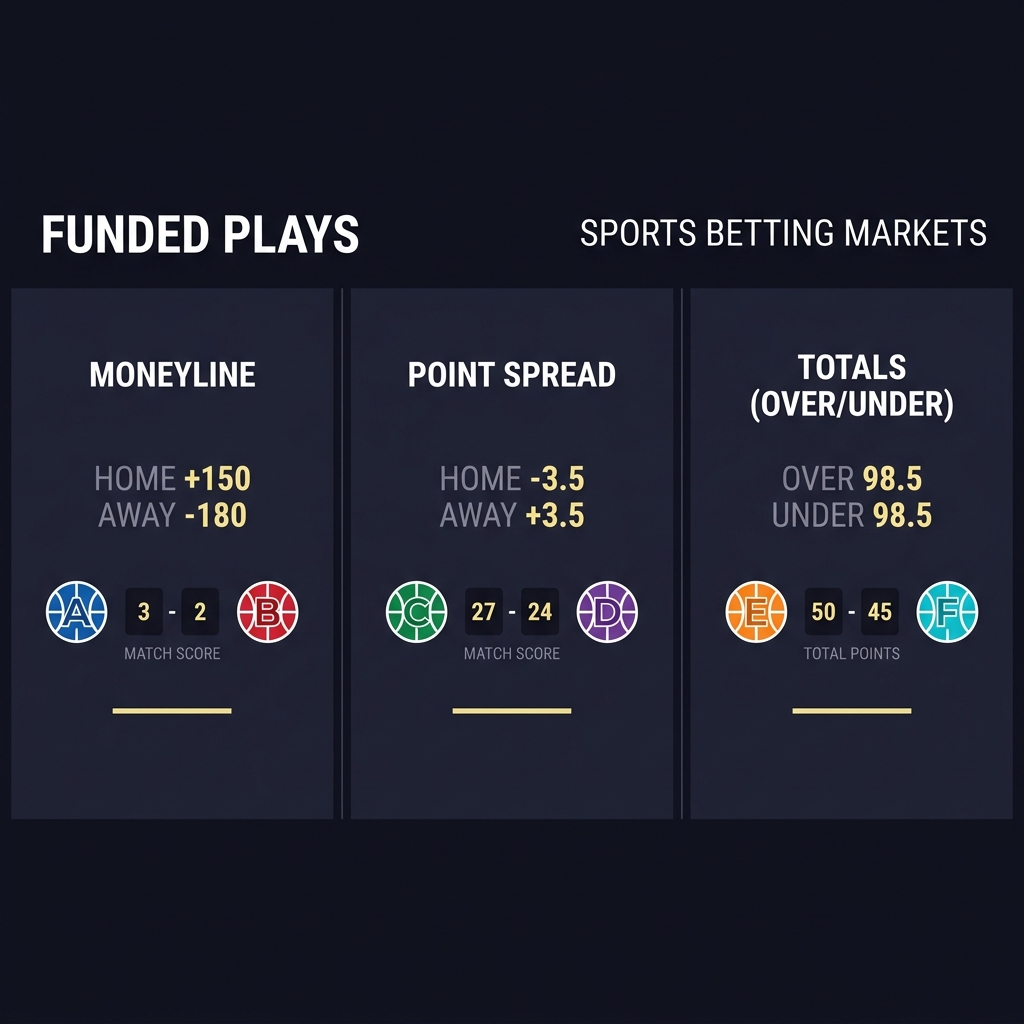
Weigh expected value against your confidence level. Expected value reflects how much the market underprices the outcome relative to your estimate. Confidence speaks to how sure you are about that estimate. A straight bet makes the most sense when both value and confidence align, but on occasions where value exists and confidence is moderate, consider a reduced stake rather than a full-size bet.
Avoid confusing confidence with wishful thinking. Confidence should come from repeatable analysis or a tested method, not from a strong hope that a favorable outcome will occur. Treat every pick as a small experiment to be measured.
Time horizon and event volatility
Consider how volatile an event is before placing a straight bet. High-volatility events can deliver wide swings, which affects how large a single stake should be relative to your bankroll. For such events, smaller unit sizes or hedging strategies may be more appropriate.
Hedging can reduce risk when you want exposure but also want to limit potential downside. If a bet looks valuable but the event has many unpredictable factors, you might scale back stake size or split stake across similar lower-volatility markets. The core idea is to match the bet size to the event's risk characteristics rather than treating every opportunity the same.
Common mistakes to avoid with straight bets
Emotional staking and chasing losses
A frequent mistake is increasing stakes after a loss to try to recover quickly. Chasing losses erodes discipline, inflates risk, and distorts performance measures. Stick to your staking plan even through losing runs to preserve the integrity of your testing and long term approach.
Another emotional trap is overreacting to a single high profile error. Use your bet journal to determine whether a mistake is systematic or an isolated lapse before adjusting your rules.
Ignoring value and poor record keeping
Some players place bets based on confidence alone, without checking whether the price offers value. Confidence without value is a poor basis for a straight bet. Always compare your view against posted betting odds and, when possible, across multiple sources to confirm the market stance.
Poor record keeping makes it impossible to diagnose what is working. Maintain brief, consistent notes for every straight bet so you can later separate luck from skill and make informed adjustments.
Practical examples and scenarios using straight bets
Moneyline example
Imagine you expect Team A to win a match and you estimate their chance at 55 percent. If the market offers odds that imply a lower probability, that difference suggests value. You would then choose the moneyline market to back Team A to win outright and stake according to your unit sizing rules.
In that same scenario, check betting odds across sources before placing the bet. Small differences in price change whether the opportunity is truly valuable or not. Comparing odds helps ensure you place the bet with the best terms available in your process.
Point spread example
If an expected matchup looks close but you believe the favored team will win by a margin, a point spread pick can capture that view. For example, if you expect a three point win and the spread is set at four, you may prefer a moneyline if you value simply picking a winner, or take the spread if you believe in the margin and the posted price offers reasonable compensation.
Choosing between a moneyline and a point spread often comes down to edge per unit of risk and how your staking plan treats margin predictions versus outright outcomes. Record why you preferred one market so you can later compare which market produced more reliable results for similar views.

When to pick totals as a straight bet
Totals picks are appropriate when you have a clear view on scoring environment, pace, or weather factors that impact combined scoring. If your analysis suggests the market line is systematically off your forecast, a totals straight bet can be the best fit.
Before committing, note factors such as recent scoring trends, lineup changes, and external conditions. If several independent indicators align, a totals pick can be a focused way to express that view without the added variance of multi-leg bets.
Quick checklist before placing a straight bet:
- Confirm your estimated probability and how it compares to posted odds
- Check alternative markets like moneyline, point spread, or totals for better edge
- Set stake according to unit sizing and event volatility
- Log the bet with concise reasoning and outcome
Responsible approach and final checklist
Key takeaways
Straight bets are single-leg wagers that simplify decision making and record keeping. They fit a disciplined, skill based approach because they let you test ideas one at a time and measure long term performance without compounding variance across multiple legs.
Responsible participation and clear rules remain essential.
A one page checklist before placing straight bets
Use this compact checklist before every straight bet: verify edge, compare betting odds, confirm stake size relative to bankroll, log the pick with a brief reason, and set a stop or limit for emotional control. Following the checklist helps maintain discipline and accelerates learning from results.
Practice the checklist in low-risk settings or simulated challenges until it becomes routine. Over time you will collect clearer evidence about what works and where adjustments are needed.

A straight bet is a single wager on one outcome or market for one event. It resolves on that one result and is tracked independently from multi-leg bets.
Use fixed unit sizing expressed as a small percentage of your bankroll and adjust down for higher volatility. The aim is to protect the bankroll and preserve the ability to keep testing your process.
No. Straight bets simplify decision making and tracking, but they do not remove risk or guarantee returns. Outcomes depend on research, discipline, and consistent execution.
References
- https://www.investopedia.com/money-line-bet-5217219
- https://www.circasports.com/sports-betting-101
- https://www.fanduel.com/sports-betting-guide/what-is-a-spread-bet
- https://www.fundedplays.com/blogs
- https://www.fundedplays.com
- https://www.fundedplays.com/blogs/how-fundedplays-evaluations-work
- https://www.fundedplays.com/challenges