

What drawdown means for sports trading: a concise definition and why it matters
Definition: peak-to-trough and maximum drawdown
In sports trading and prediction challenges, drawdown describes the decline from a prior equity peak down to a lower point, and maximum drawdown is the largest such peak-to-trough drop observed on an equity curve. This peak-to-trough framing is the standard way practitioners measure risk across trading and betting bankrolls, and thinking in these terms helps you map volatility to the practical risk limits used in challenge rules Investopedia drawdown definition.
Why drawdown controls are core to funded challenges and bankroll survival
Funded or simulated challenge programs use drawdown limits to protect the program and to set clear performance boundaries for participants; those operational rules determine whether an account continues or is disqualified after losses, so understanding them is central to surviving a challenge and managing your bankroll Topstep help page on trailing drawdown.
Learn how structured challenges use clear drawdown rules
Learn how funded challenges use drawdown rules to assess consistent forecasting skill and to guide practice simulations without implying any guaranteed outcomes.
How static drawdown rules work in practice
Formal rule: fixed threshold relative to starting balance
Static drawdown sets a fixed loss threshold measured against the account starting balance; the permitted loss does not rise if the account moves to new equity highs, so the rule is simple to calculate and straightforward to include in challenge terms Earn2Trade explanation of trailing and static drawdowns.
Operational implications for giveback and volatility
Because the static limit stays anchored to the starting balance, temporary givebacks of accumulated profits do not change the allowable loss amount; that can make static drawdown more tolerant of streaky approaches or higher-variance strategies that expect frequent reversions, provided the player accepts longer recovery windows Investopedia drawdown definition.
How trailing drawdown rules work and why they ratchet risk control
Mechanics: moving threshold tied to new equity highs
Trailing drawdown ties the allowable loss to a moving high-water mark, so when the account reaches a new peak the protected threshold moves up and the permitted downside shrinks relative to that high; this ratcheting tightens risk control after profitable runs and is commonly used in challenge programs to lock in gains Topstep help page on trailing drawdown.
Static drawdown leaves the loss limit fixed relative to the start, giving more room for reversion, while trailing drawdown tightens allowable losses after new equity highs; size stakes with fractional Kelly and monitor high-water marks to reduce breach risk.
Common operational implementations in funded programs
In practice providers implement trailing max drawdown with running equity checks or end-of-day reconciliations that compare current equity to the high-water mark and calculate the permissible drop; that means a sharp pullback from a recent peak can trigger a breach even when the account remains above the original starting balance Earn2Trade explanation of trailing and static drawdowns.
Head-to-head: practical differences and strategic implications
When static is more forgiving and when trailing penalizes givebacks
Static drawdown leaves the loss limit unchanged after gains and therefore allows larger givebacks before a breach, which can be more forgiving for a strategy with wide single-event variance; by contrast, trailing drawdown raises the protection level after gains and reduces the buffer for reversals, which penalizes sharp post-run losses Earn2Trade explanation of trailing and static drawdowns. See also discussion of prop firm rules on low drawdown approaches fortraders guide.
How choice changes risk-of-ruin and allowed strategy shapes
The choice between static and trailing affects your practical risk-of-ruin planning: static places a fixed cap on loss measured from the start, while trailing constrains drawdowns relative to recent peaks and thus favors conservative position sizing after a run; match the rule to your expected volatility and hit rate before entering a challenge Investopedia drawdown definition.
Position sizing and fractional Kelly: reducing drawdown exposure
Why full Kelly increases drawdown risk
The Kelly criterion describes an optimal fraction to stake given an edge, but using full Kelly tends to create larger stake swings and deeper drawdowns in practice; many practitioners therefore use fractional Kelly to smooth equity paths and reduce the chance of breaching strict drawdown thresholds Pinnacle guide to the Kelly criterion.
How fractional Kelly lowers probability and magnitude of drawdowns
Using a fraction of the Kelly stake reduces variance and the magnitude of common drawdowns without removing upside potential; this makes it easier to comply with either static or trailing limits because your stakes respond less aggressively to estimated edge and short-term streaks Pinnacle guide to the Kelly criterion.

Tactical tools: calculators, trackers, and position-sizing aids
What a practical position-sizing calculator should show
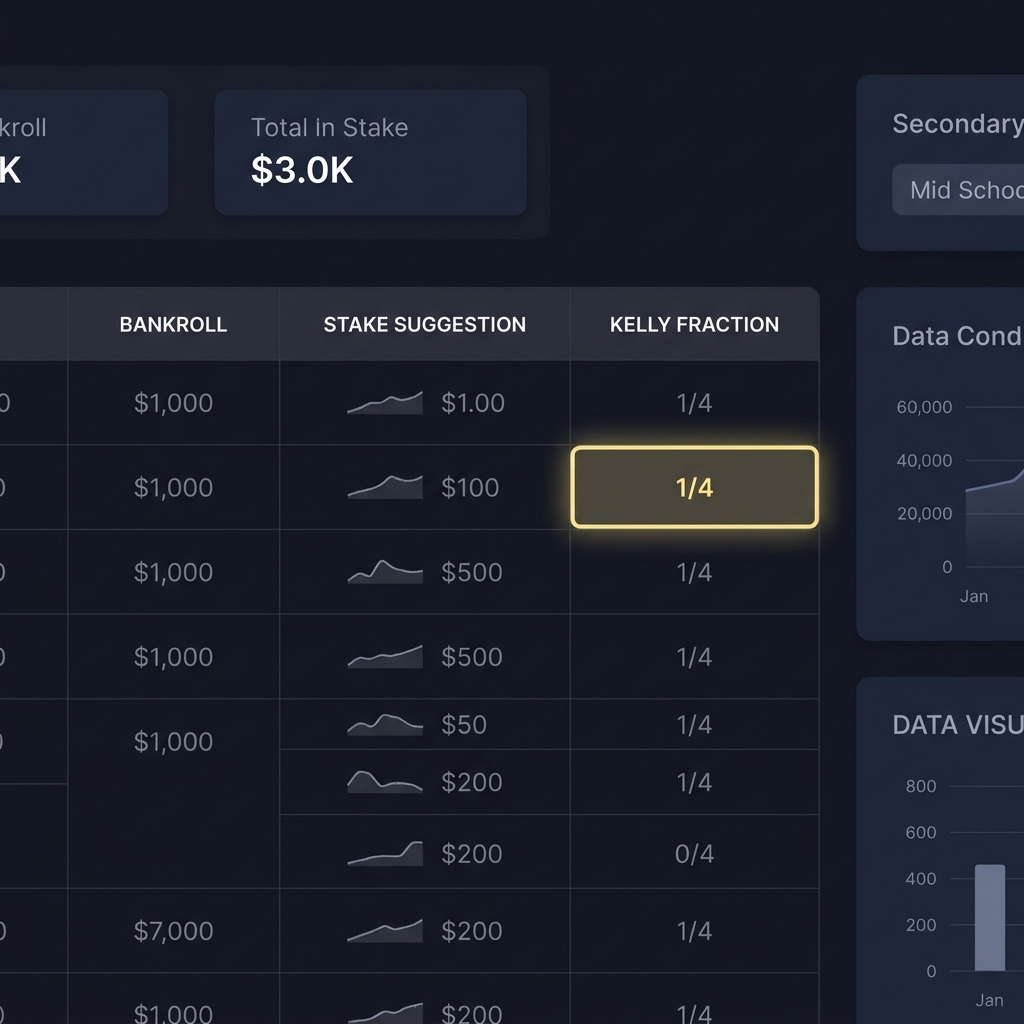
How real-time trackers help with trailing thresholds
A tracker that displays the running equity high-water mark and the current trailing threshold makes it possible to anticipate potential breaches before placing new stakes; real-time visibility is particularly valuable when a single large reversal can push you below a moving limit Topstep help page on trailing drawdown.
estimate stake using fractional Kelly and show resulting drawdown risk
test with historical sequences
Scenario walkthroughs: handling streaks, reversals, and large wins
Streaky strategy that benefits from static drawdown
Imagine a strategy that wins small amounts frequently but has occasional large losing events; a static drawdown gives that approach room to recover because the permitted loss remains tied to the starting balance rather than shrinking after a temporary profit run, so the account may survive through reversion phases Earn2Trade explanation of trailing and static drawdowns.
Rapid win-run followed by sharp reversal under trailing rules
A rapid series of correct forecasts may lift equity to a new high and thereby ratchet the trailing threshold upward; if a later large reversal occurs, the tightened allowable drop can trigger a breach even when the account is still ahead of the original starting balance, so the operational sequencing of wins and losses matters for trailing rules Topstep help page on trailing drawdown.
Decision checklist: choose static or trailing for your sports trading plan
Key questions to answer about variance, edge certainty, and monitoring capability
Sample checklist you can copy into a strategy doc
Copy a short checklist into your plan: expected variance profile, edge confidence level, preferred recovery time after a loss, monitoring cadence, and a simulation target for maximum acceptable drawdown; use this to choose static or trailing and to set fractional sizing parameters.
Common mistakes and how to avoid them
Ignoring intraday peaks and expecting static behavior
A common error is assuming a provider applies static rules when the program monitors intraday highs; failing to track high-water marks or misreading rule language can lead to unexpected breaches, so read documentation carefully and log your equity snapshots Topstep help page on trailing drawdown.
Overleveraging after wins or failing to size to volatility
Overbetting after a run or using full Kelly without stress-testing increases the chance of a drawdown breach; mitigate this by adopting fractional Kelly, reducing stake sizes after big runs, and keeping detailed trade logs to support any review or appeal Pinnacle guide to the Kelly criterion and consider broader bankroll resources Smarkets Academy.
Adapting an existing strategy to meet strict drawdown limits
Step-by-step: test, size, simulate, and monitor
Adjusting an existing strategy starts with backtesting or replaying historical sequences under both static and trailing rules, then applying fractional Kelly sizing to stakes and running forward paper-testing until drawdown targets are met; simulations should include realistic variance and fill assumptions Pinnacle guide to the Kelly criterion.
When to change edge estimates or reduce activity
If simulations show frequent breaches, reduce activity cadence, lower the stake fraction, or revise your edge estimates downward; these measures do not eliminate risk but change the probability distribution of outcomes to better fit strict drawdown regimes Smarkets Academy on bankroll management.
Equity-curve reporting, record keeping, and what to share with a funded program
Essential elements of a clear equity report

A defensible equity report includes timestamps, stake sizes, selection details, results, and a running equity column that marks peaks and troughs; these elements make it easier to reconcile program checks and to demonstrate compliance when rules allow review Investopedia drawdown definition.
How timestamps and trade metadata support dispute resolution
Save periodic snapshots and export logs with timestamps and trade metadata; clear records help if you need to clarify monitoring cadence or intraday breach timing with a program operator, and they support transparent appeals when provider rules permit a review Topstep help page on trailing drawdown.
Summary: a pragmatic approach to selecting and living with drawdown rules
Key takeaways
Static drawdown keeps the loss cap fixed so it can be more forgiving for streaky strategies, while trailing drawdown ratchets limits upward after new highs and tightens room for reversals; matching your sizing and monitoring to the rule is essential Investopedia drawdown definition.
A simple plan you can implement this week
Pick the rule that matches your variance profile, run replay simulations under both static and trailing regimes, apply fractional Kelly sizing, implement a simple tracker for high-water marks, and keep orderly records to support any program reviews.
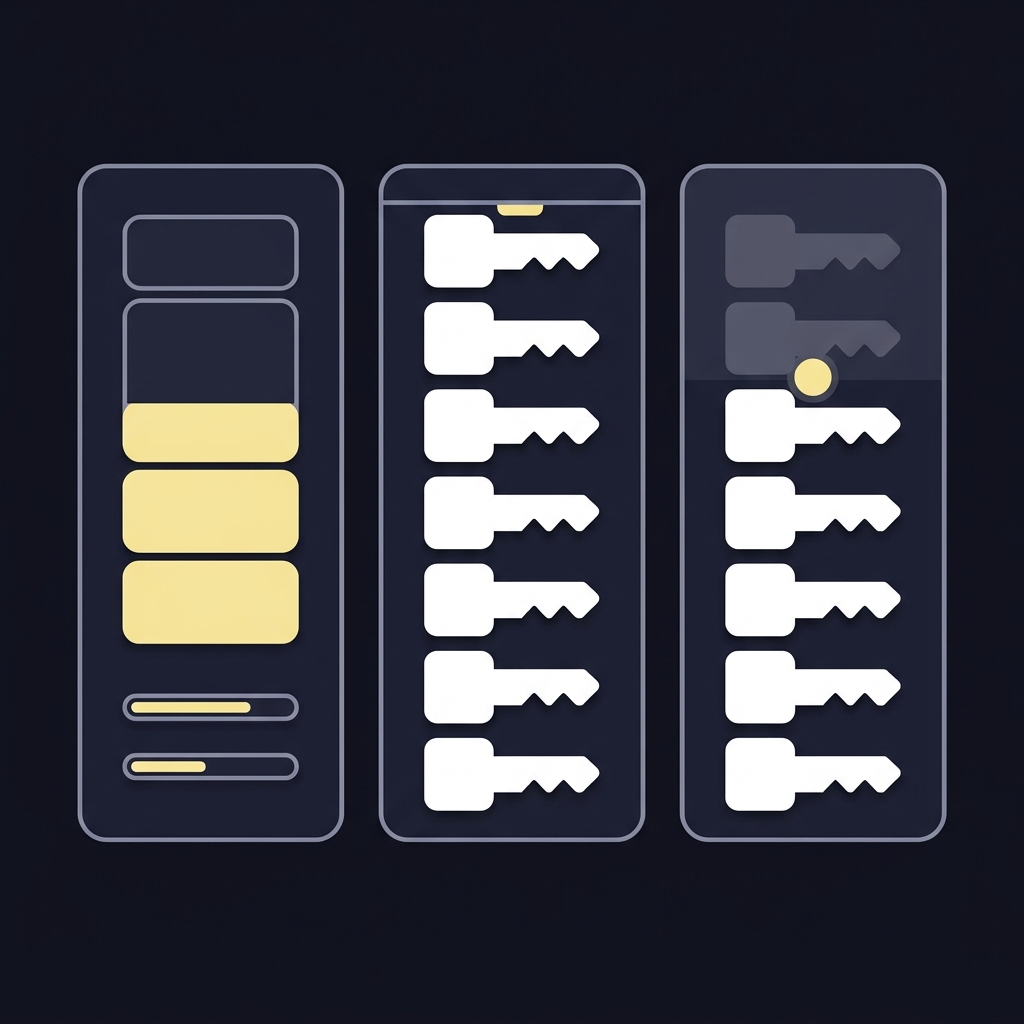
Static drawdown keeps the loss limit fixed relative to the starting balance, while trailing drawdown moves the allowable loss up when the account reaches new equity highs.
Fractional Kelly reduces the probability and size of drawdowns compared with full Kelly, but it does not eliminate the risk of breaches; testing and conservative sizing remain necessary.
Keep timestamped logs with stake amounts, selection details, outcomes, and periodic equity snapshots so you can show running highs and the sequence of events if a review is allowed.
References
- https://www.investopedia.com/terms/d/drawdown.asp
- https://help.topstep.com/hc/en-us/articles/360039773292-What-is-Trailing-Max-Drawdown
- https://blog.earn2trade.com/what-is-a-trailing-drawdown/
- https://www.pinnacle.com/en/betting-resources/betting-strategy/kelly-criterion-explained/8J9
- https://www.fundedplays.com/challenges
- https://smarkets.com/learn/betting-strategy/bankroll-management
- https://www.fundedplays.com
- https://www.fundedplays.com/blogs
- https://www.fundedplays.com/blogs/how-fundedplays-evaluations-work
- https://velotrade.com/blog/eod-trailing-vs-tick-by-tick-drawdown
- https://audacity.capital/trading-guides/trailing-maximum-drawdown/
- https://fortraders.com/blog/prop-firms-low-drawdown-rules