
sports betting crypto: quick summary and what this article covers
Short answer, in general terms: some operators and platforms provide ways to use cryptocurrencies for deposits and withdrawals, but acceptance varies widely by jurisdiction, by the technical model a platform uses, and by the regulatory status of the operator. This article explains what "sports betting crypto" means, how crypto transactions typically work when you interact with betting-like platforms, the legal and security considerations to check, and practical alternatives if you prefer to avoid direct crypto wagering.
The rest of the article is organized so you can skip to sections that matter most to you. You will find a simple explanation of on chain versus off chain transfers, a stepwise walkthrough of deposit and withdrawal flows, a short decision checklist for evaluating a crypto-friendly operator, and examples that illustrate common user journeys
Explore structured prediction challenges
Keep reading for clear, practical steps you can follow when handling cryptocurrency with a betting-style platform.
What does sports betting crypto mean? basic definitions and context
At its simplest, sports betting crypto refers to the use of cryptocurrencies to fund accounts, place stakes, and receive payouts on platforms that offer betting or prediction-style activity. Cryptocurrency names here include common store-of-value and utility coins, and the basic tools you use are wallets, private keys, and optionally exchanges that convert between fiat and crypto. The phrase helps separate payment method from the underlying activity, whether that activity is traditional wagering, a sweepstakes model, or a skill-based prediction challenge.
There are a few practical models you will see. Native crypto support means a platform accepts deposits directly to an on platform address and may hold those funds in custody or convert them to fiat. Third-party processors act as intermediaries and let the platform avoid holding crypto directly by accepting payments through a conversion service. Voucher or token systems let users exchange cryptocurrency for site credit or vouchers that are then used within the platform. Each model has different operational and regulatory implications for deposits and withdrawals.

How sports betting crypto transactions typically work
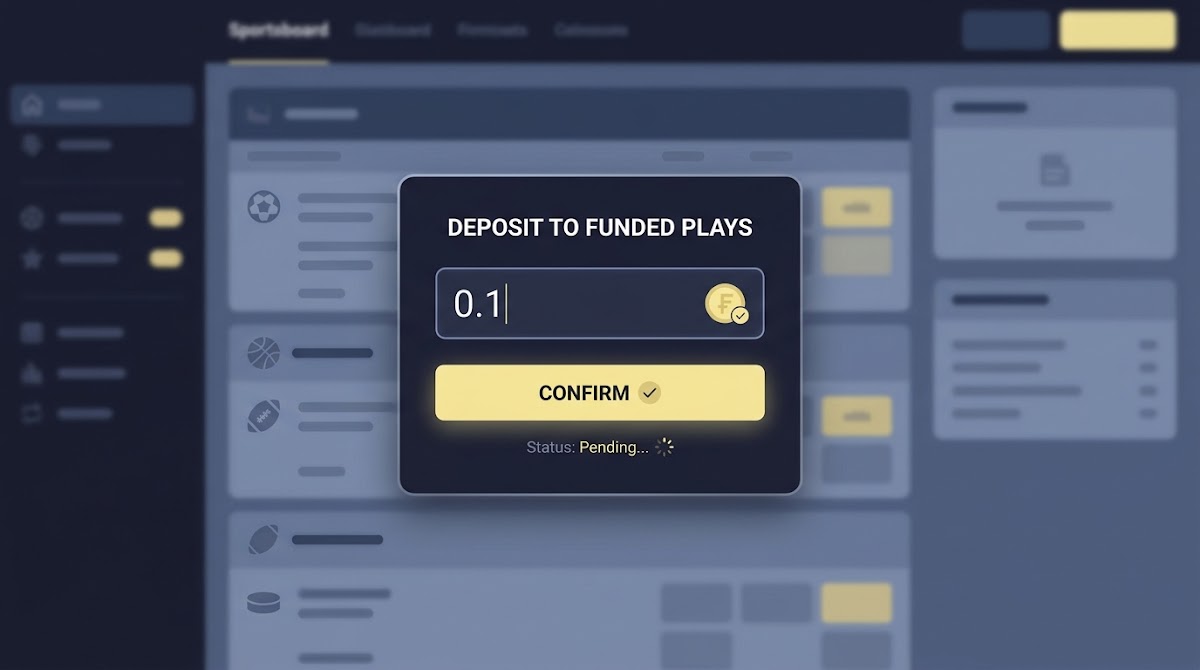
Think of the transaction flow in simple steps so you can follow what happens to funds and when you are liable for network fees. First, you fund a wallet on your side. This can be a custodial wallet at an exchange or a non custodial wallet you control. Second, you initiate a deposit to a wallet address or a processor-provided endpoint. Third, the platform or processor confirms the incoming transaction and credits your account balance in either crypto or a converted currency. Fourth, you place your stake or participate in the challenge. Finally, if you are entitled to a payout you request a withdrawal and the platform sends funds to your chosen destination.
Some platforms and operators do accept cryptocurrency, but acceptance varies by jurisdiction, platform model, and local regulation. Verify the operator's payment terms and legal status before depositing.
Timing depends on the network used and whether the platform converts crypto on receipt. On chain confirmations add measurable wait time based on network congestion and chosen fee level. Some platforms offer instant credit by relying on third-party oracle or processor confirmations, while others wait for multiple on chain confirmations before crediting. Expect possible conversion fees if the platform converts crypto to fiat for internal accounting, and always account for the blockchain network fee you will pay when you send a transaction.
Technical details to watch for include the required network or chain, any memo or tag fields for tokens that require them, and whether the platform provides a unique deposit address per user. Confirmation counts matter because a single confirmation may be reversible in some edge cases while multiple confirmations are typically treated as final. Keep copies of transaction receipts and timestamps to aid any dispute resolution.
Legal and regulatory landscape affecting sports betting crypto
Regulation is the key reason acceptance varies. Whether a platform can accept crypto for sports-related activity depends on local gambling laws, payments regulation, and sometimes specific licensing rules that cover how operators can accept and handle digital assets. These differences mean some jurisdictions restrict or prohibit platforms from taking crypto for wagering while others allow it under regulated frameworks.
Practical consequences for users include different identity verification and know your customer steps, limits on deposit or withdrawal amounts, and possible restrictions on account features. Because operator practices reflect jurisdictional requirements, always check the platform terms of service and the licensing or regulatory statements that the operator publishes before you try to move funds.
How to evaluate a crypto-friendly sportsbook: decision criteria
Use a short, focused checklist to compare options rather than making assumptions based on marketing. Key areas to verify are whether the platform publishes its licensing or regulatory status, the exact payment methods and chains supported, clarity about fees and conversion practices, security practices for custody, and user-facing dispute or support channels. Confirming each item reduces operational surprises.
Five yes no questions to quickly assess a crypto friendly operator
Answer yes only if you can verify the item
Ask specific questions before you deposit. For example, find out if deposit addresses are unique to your account, whether withdrawals require additional verification holds, and if the operator uses third-party processors that may impose their own limits. Good operators present these details clearly in help or payments pages; if information is vague, proceed with caution.
Typical deposit and withdrawal steps and what to watch for
Before you initiate a deposit, confirm the supported currencies and the preferred network. Sending Bitcoin over a network that expects wrapped tokens or a token over the wrong chain is a common operational error that can lead to loss or lengthy recovery processes. Check for required memo or tag fields for coins that use them and confirm minimum and maximum amounts so you do not trigger an out-of-range rejection.

When you make a deposit, copy the address exactly and, if possible, use a small test amount first. Track the transaction using a block explorer and compare the transaction hash and amount against the platform notification. On receipt, the platform may show a pending credit until required confirmations settle. For withdrawals, expect verification holds in some cases, and always confirm the destination address before approving any send from the platform.
Wallet hygiene matters. Keep private keys confidential, use two factor authentication on custodial accounts, and prefer hardware wallets for long term holdings. Avoid clicking links in unsolicited messages that claim to be platform support. If you manage a non custodial wallet, make sure you have secure backups of seed phrases stored offline.
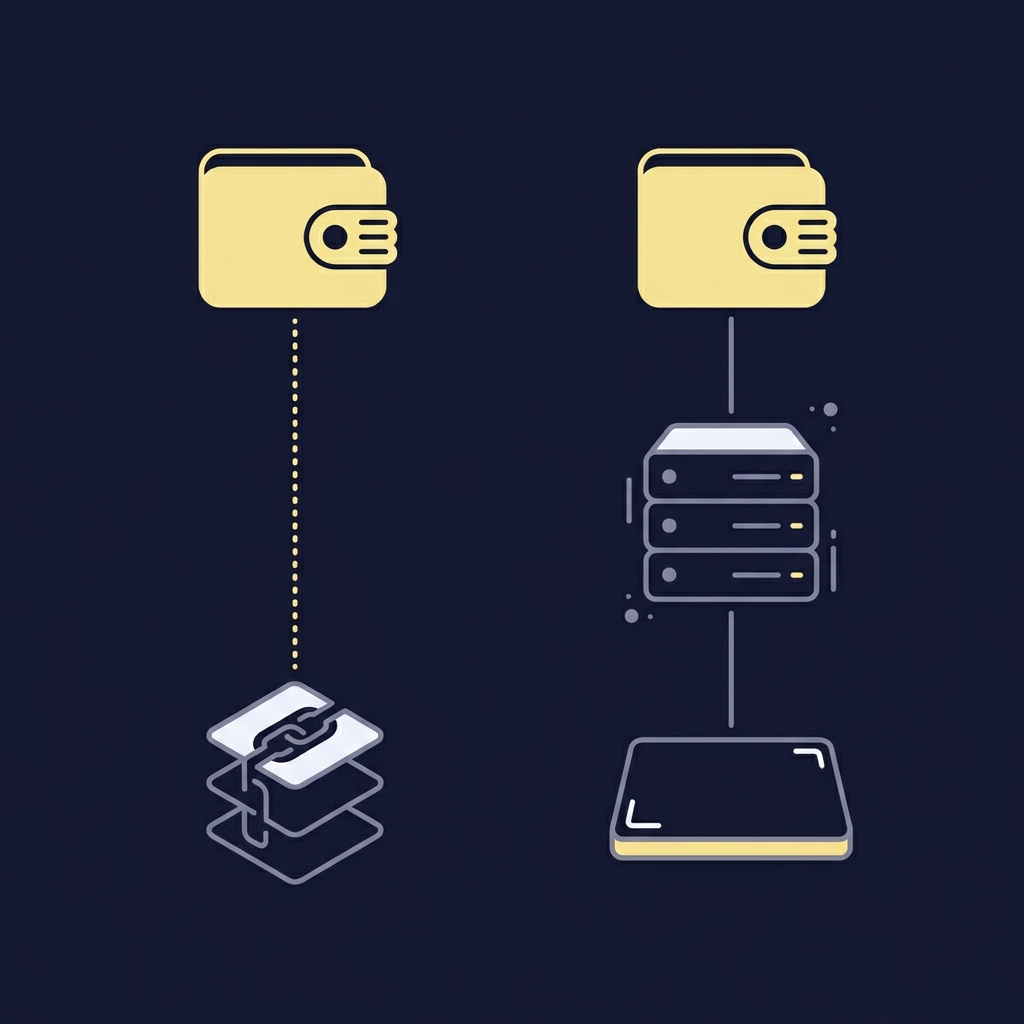
Consider tradeoffs between custodial and non custodial custody. Custodial deposits simplify day to day use but require you to trust the platform or service with your funds. Non custodial control reduces counterparty risk but increases your personal responsibility for backups and secure handling. Also remember that most blockchains are transparent by design, so transaction history can be public and traceable, which has privacy implications if you mix services or reuse addresses.
Risks and responsible participation when using sports betting crypto
Cryptocurrencies are volatile assets and that volatility affects the real world value of deposits and payouts. Using crypto for betting or prediction activities means the value you deposit and the value you withdraw can differ for reasons unrelated to your performance. Treat crypto balances as subject to market risk in addition to wagering risk.
Platform risks include unclear terms, operational freezes during volatility, and potential limits on withdrawals tied to compliance checks. Mitigate these by keeping wager sizes proportionate to disposable funds, confirming platform policies before you deposit, and documenting transactions and communications in case you need to open a dispute or escalation.
Alternatives to traditional sportsbooks that accept crypto, including funded challenge platforms
If direct crypto use raises operational or regulatory concerns, alternatives exist that let you demonstrate prediction skill without placing traditional wagers. Skill based sweepstakes and funded account challenge models let participants use virtual bankrolls in structured evaluation programs. Those platforms focus on consistent prediction accuracy and predefined progression rules rather than exchanging user cash for odds-based bets.

Funded challenge platforms can be a reasonable option if you want a structured environment that emphasizes skill and transparent rules. They do not replace understanding platform terms, and outcomes depend on individual performance and compliance with the platform rules.
Common mistakes and pitfalls to avoid with sports betting crypto
Operational mistakes cause the majority of avoidable loss. Sending funds on the wrong network, omitting required memo fields, or pasting an old address are all common problems. Treat every transfer like it is irreversible until you confirm otherwise.
Behavioral mistakes also matter. Chasing market volatility or ignoring fee disclosures can erode expected value. Always read the terms and conditions for deposit and withdrawal rules, and double check addresses, minimums, and limits before you confirm a transaction.
Practical scenarios and user walkthroughs
Scenario A: small deposit and quick bet. You fund a custodial wallet with a small amount, verify the platform's supported chain, and perform a small test deposit. After the platform credits your account, you place a modest stake and monitor the sport or event. If you request a withdrawal, follow the platform's withdrawal steps and confirm the transaction ID on the chain.
Scenario B: qualifying for a funded challenge platform. You sign up for a challenge, complete the required evaluation objectives using a virtual bankroll, and track progress against the platform rules. Qualification depends on meeting performance thresholds and staying within drawdown rules. The objective here is demonstrating consistent prediction ability rather than managing crypto volatility.
Tax and compliance considerations when using crypto with betting activity
Tax treatment of cryptocurrency and of betting or prize activity differs by jurisdiction. Because rules vary, keep accurate records of deposits, timestamps, amounts, and platform statements that show credits and withdrawals. These records are essential if you or a tax advisor need to reconcile activity.
If you are unsure about reporting requirements, consult a qualified tax professional. This article provides general guidance and is not a substitute for personalized tax or legal advice.
A final checklist and decision framework for sports betting crypto
Go no go checklist: confirm legality in your jurisdiction, verify platform licensing or terms, confirm supported currencies and networks, check fee and conversion transparency, and ensure security measures are in place. If any of these items are unclear, pause and seek clarification before you deposit.
Prioritize safety and cost by preferring operators that publish clear payment processes and by using small test deposits. Consider alternatives such as funded prediction challenges if you want to focus on skill demonstration rather than direct crypto staking.
Conclusion and next steps
Sports betting crypto is an evolving area with operational nuance and legal complexity. Acceptance of cryptocurrency by operators differs by jurisdiction and platform model, so informed decisions require checking platform policies, safeguarding wallets, and documenting transactions.
Next steps: verify the operator's payment pages and terms, improve your wallet security practices, and consider structured alternatives if you prefer a skill first environment. Keep expectations realistic and prioritize clear, documented rules over assumptions about how crypto deposits and withdrawals will behave.
No. Supported cryptocurrencies and networks vary between platforms. Always confirm the list of accepted coins and the required network or memo fields before sending funds.
Not always. Deposit timing depends on the blockchain network, confirmation requirements, and whether the platform uses a processor that credits instantly or waits for on chain confirmations.
Crypto changes custody and privacy tradeoffs but does not automatically make transactions safer. Security depends on wallet practices, platform custody model, and how carefully you follow operational steps.
References
- https://cryptoslate.com/crypto-sportsbooks/
- https://unabated.com/articles/a-step-by-step-guide-to-sports-betting-with-crypto
- https://www.baseballamerica.com/stories/best-bitcoin-betting-sites/
- https://www.fundedplays.com/blogs/how-fundedplays-evaluations-work
- https://www.fundedplays.com/challenges
- https://www.fundedplays.com/blogs
- https://www.fundedplays.com