

Short answer: has Scotland ever beaten the All Blacks?
One-sentence verdict
Short answer, Scotland have never beaten New Zealand in a men’s rugby union Test; their meetings include two draws and the rest All Blacks wins, a fact recorded in consolidated head to head listings.
This record, and the two Murrayfield draws that stand out, are the basis for the straightforward verdict above and for how many fans frame Scotland v All Blacks history.
Quick checklist to verify an international head to head record
Use official match lists where possible
Quick evidence snapshot
The authoritative consolidated lists of New Zealand v Scotland Tests report zero Scottish wins and two draws, the 0-0 match in 1964 and the 25-25 draw in 1983, both played at Murrayfield, which together explain the 'never beaten' summary History of New Zealand v Scotland matches. See Scottish Rugby match pages for fixture listings.
The most recent meeting was at Murrayfield on 13 November 2022, a 31-23 win for New Zealand that extended Scotland’s wait for a first win over the All Blacks BBC match report.
How the head-to-head record formed: a match-by-match overview
First meeting and long-term trends
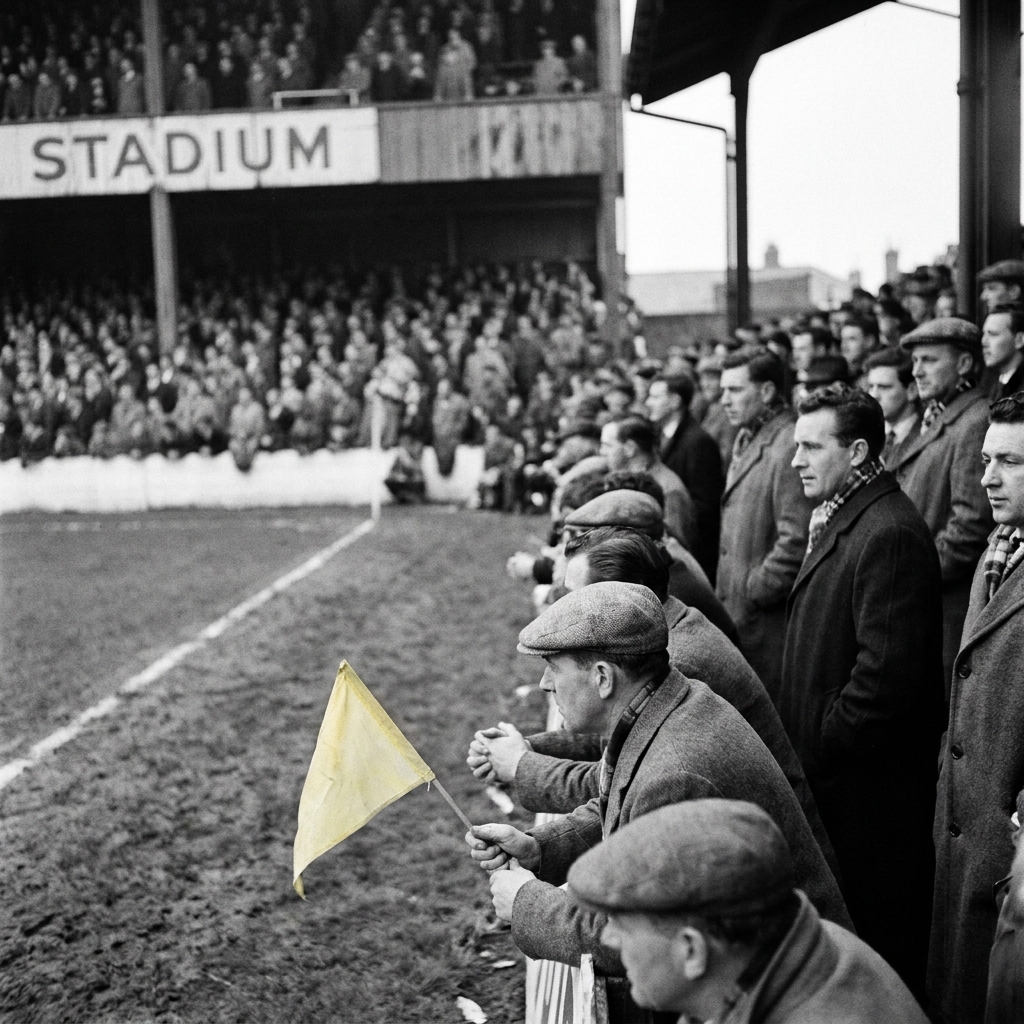
The first Tests between the two sides date to the early 20th century and over more than a century of meetings the pattern has been consistent, with New Zealand winning the large majority of fixtures; comprehensive public match indexes collect these results for researchers and fans History of New Zealand v Scotland matches.
That long-term trend is why the head to head is commonly summarized as Scotland having no wins and two draws across all Tests; contemporary summaries repeat the same consolidated counts because later fixtures to 2025 did not change the totals.
The two drawn matches: 1964 and 1983
The two matches that avoided a New Zealand win are recorded as the 0-0 draw in 1964 and the 25-25 draw in 1983, both registered at Murrayfield and preserved in the match lists that track every Test between the teams History of New Zealand v Scotland matches.
Those draws are the only matches in the series that did not finish as All Blacks victories, and their rarity is part of why they are still highlighted in modern summaries of Scotland v All Blacks history.

Modern-era meetings including 2022
In recent decades Scotland have repeatedly faced a strong New Zealand side; the latest meeting at Murrayfield on 13 November 2022 finished 31-23 to New Zealand, a result widely reported in match coverage and used to mark the most recent update to the series record The Guardian match report. Official fixture pages are available at World Rugby.
That 2022 result is the most recent match counted in the consolidated tallies and it underlines that, as of the last available consolidated records, Scotland’s search for a first Test win over the All Blacks continues.
Key matches and turning points that fans still talk about
The 1964 0-0 draw: context and why it stands out
The 1964 fixture, a 0-0 draw at Murrayfield, is unusual in modern scoring terms and stands out precisely because scoreless draws are rare in international rugby; match lists and historical summaries keep that result visible when fans review Scotland’s best moments against New Zealand History of New Zealand v Scotland matches.
For many supporters that game is cited as proof that Scotland have occasions where they can hold the All Blacks, even if a win did not follow.
The 1983 25-25 draw: how it unfolded
The 25-25 draw at Murrayfield in 1983 is the other noted non-loss and appears in every referenced head to head list as the only other match in which Scotland avoided defeat versus New Zealand History of New Zealand v Scotland matches.
Try structured sports prediction challenges
The two draws remain memorable touchpoints for Scottish fans and for anyone tracking Scotland v All Blacks history; sign up for match alerts or a newsletter to get reminders when the sides meet again.
Both draws are often cited in features that reflect on Scotland’s closest margins against the All Blacks, and they are the primary historical touchstones used when comparisons are made.
The 2022 Murrayfield game: recent memory
The November 2022 Test at Murrayfield finished 31-23 in New Zealand’s favour and match reports from the time provide the contemporary context for that result, including decisions and incidents that influenced the outcome BBC match report.

When commentators and analysts reference the most recent meeting between the sides they commonly point to that 2022 game as the latest data point in the head-to-head chronology.
What the head-to-head record means - and what it does not mean - for the Six Nations
Why New Zealand are not a Six Nations team
First, an important practical point: New Zealand do not compete in the Six Nations, so direct head to head history with the All Blacks does not enter Championship pricing as a structural input for markets or tournament forecasts History of New Zealand v Scotland matches.
That separation matters because Six Nations previews, odds and modelled probabilities focus on teams that actually contest the Championship and the schedules they face inside that competition.
How historic results versus non-Championship teams factor into narratives
Historic games against high-profile opponents like the All Blacks are often used by writers and broadcasters to add color to pre-match narratives, yet model-driven forecasts for the Six Nations place greater weight on recent form, squad availability and schedule than on century-old or cross-hemisphere head to head counts Six Nations predictions.
In short, Scotland v All Blacks history is useful context for storytelling, but it is not a primary input for six nations odds models that calibrate probabilities for the Championship.
How odds reflect probabilities: reading Six Nations markets correctly
What implied probability means (six nations odds)
Odds express the market view of an event as implied probability; converting decimal odds to a percentage is the basic step that translates a price into an implied chance, a concept central to interpreting six nations odds Understanding betting odds.
That conversion is what allows readers to compare different bookmakers or market moves on a consistent basis without confusing price with certainty.
No. Scotland have not beaten New Zealand in a men’s Test; the series includes two draws and otherwise All Blacks wins.
Common signals in pre-tournament and match odds
Bookmakers and forecasting models typically react to signals such as recent wins and losses, injury news, squad rotation and fixture difficulty; historical matches against teams outside the Championship are only occasionally factored in as qualitative narrative rather than as a core quantitative input Six Nations predictions.
When you see market moves, look for explanatory items like team announcements, travel or weather; these tend to move six nations odds more than century-old head to head records.
Practical scenarios: when the Scotland-All Blacks history might matter to a fan or bettor
Long-term narrative framing
Scenario: a feature piece ahead of a friendly or autumn Test uses the 1964 and 1983 draws to remind readers of Scotland’s closest calls; that kind of long view helps frame expectation but should not be treated as predictive input for Six Nations pricing History of New Zealand v Scotland matches.
For bettors focused on championship markets, the practical takeaway is to keep historical head to head in the background rather than in model inputs unless there is a compelling, contemporaneous reason to include it. Live score services such as Flashscore track fixtures and results.
Media headlines and their influence
Media stories that highlight past non-wins versus the All Blacks can shape narrative sentiment and fan conversation, and occasionally that sentiment nudges markets if it affects volume or public money, but sentiment is distinct from modelled probability and should be treated with caution Understanding betting odds.
Use media-driven narratives as prompts to check the actual data - recent form, injuries and selection - before adjusting your view of a market.
When to give weight to historical matchups
Give historical matchups weight when they reveal a persistent tactical mismatch or a venue factor that consistently affects outcomes; otherwise, prioritize what is measurable today such as form and team selection Six Nations predictions.
Remember that isolated historical results, particularly against teams not in the same competition, often have limited predictive value for Six Nations fixtures.
Common mistakes when people mix head-to-head history and betting odds
Overvaluing ancient results
One common mistake is overvaluing ancient results and assuming they carry predictive weight; sample size, recency and context are fundamental checks that show older matches are often weak predictors of current outcomes Understanding betting odds.
Always ask whether the older match involved the same kinds of players, conditions and strategic approaches as the present contest before letting it influence your judgement.
Confusing narrative with probability
Another error is confusing a compelling narrative with a real change in implied probability; stories about Scotland nearly beating the All Blacks can be persuasive but they do not replace an evidence-driven probability calculation that looks at current data Six Nations predictions.

Quick checks to avoid this mistake include comparing implied probability across markets, inspecting recent head-to-heads within the same competition, and verifying sample sizes in the records you consult.
Ignoring model drivers
Finally, ignoring the actual drivers used by forecasting models such as injuries, form, and fixture sequencing leads to misreads; models weight recent, comparable data more heavily than isolated historical fixtures against non-championship opponents Six Nations predictions.
A practical rule is to verify whether a claimed historical effect appears in model outputs or whether it is only present in narrative commentary.
Conclusion: the takeaway for fans, analysts and readers of Six Nations odds
Final summary
To restate the sourced conclusion: Scotland have not beaten New Zealand in a men’s Test; the series contains two draws, 0-0 in 1964 and 25-25 in 1983, and the most recent meeting was New Zealand 31-23 Scotland on 13 November 2022 History of New Zealand v Scotland matches.
That history is interesting context and part of rugby lore, but it should be weighed as narrative rather than as a direct input to six nations odds unless a model explicitly includes such cross-competition historical factors.
What to remember when reading odds and headlines
Focus on current form, squad availability and schedule when evaluating Six Nations markets; use head-to-head history with the All Blacks as background color, not as a substitute for data that actually informs the Championship pricing Understanding betting odds.
For readers who follow both history and markets, the balanced approach is to enjoy historical narratives while basing betting or forecasting decisions on up-to-date, model-aligned information.
No. Scotland have not beaten New Zealand in a men’s Test; the series includes two draws and otherwise All Blacks wins.
Not usually; Six Nations odds focus on current form, squad news and schedule rather than long-standing head-to-heads versus non-participants.
Consult consolidated match lists and reputable match reports that track Test results to confirm dates, scores and venues.