
What is R360 and why it is being discussed
R360 is a proposed new rugby competition that has appeared in media coverage as a possible alternative format for elite union. Reporters and commentators have described it as an idea aimed at reducing player load and improving broadcast appeal, but those descriptions come from reporting rather than from a published competition lawbook. For bettors tracking six nations betting, the important point is that media summaries are not the same as formal rules and should not be treated as definitive.
Coverage to date has sketched potential aims for R360, including shorter or restructured matches and centralized franchises, but these are provisional details drawn from reporting rather than an official rule set. Treat statements about match duration, substitution regimes, or scoring models as subject to change until an authoritative law document is released. For a wide explainer, see ESPN's overview.
quick verification checklist for official law notices
Use daily checks around major rugby announcements
Because R360 details remain unconfirmed, most practical planning for markets and models should continue to use the currently published laws and calendars as the primary baseline.
How to separate confirmed facts from speculation
When a new format is discussed in the press, prioritize primary sources. A formal law change appears as a published law book or an explicit World Rugby release. Media stories and opinion pieces can signal interest but do not replace an official amendment.
Practical checks that reduce headline risk include verifying whether a claim appears in an official World Rugby amendment, in a competition rulebook, or in an explicit calendar notice. Start your verification by looking for an official release from the sport’s governance body, then cross-check any competition-specific rulebook for deviations.
Another useful habit is to track how long a claim has been reported without a formal follow-up from authorities. Items that remain unconfirmed after repeated requests to governing bodies usually stay speculative and should carry lower model weight.

What currently governs elite rugby play: the World Rugby 2024 law package
The operative baseline for elite international rugby in 2026 is the set of 2024 law amendments that were published to increase ball-in-play time and improve game flow. These published changes continue to frame officiating and match management, and they are the most reliable source for market modeling right now World Rugby law amendments.
Key elements introduced or reinforced in 2024 include tighter time limits around restarts and set-piece management, increased emphasis on keeping the ball in play, the introduction of shot-clock mechanisms for some restarts, and refinements to TMO procedures to reduce stoppage time. Market-makers have adjusted in-play and pre-match pricing to reflect those operational changes rather than speculative competition proposals Reuters summary of law tweaks.

For bettors who use structured evaluation or simulation tools, keeping model assumptions aligned with the 2024 law package reduces the chance of systematic error. If a new competition publishes a different lawbook later, the correct approach is to treat that lawbook as a separate market rather than to overwrite assumptions for established competitions immediately. See our evaluations page for methodology details: Funded Plays evaluations.
Which parts of R360 remain unconfirmed and why that matters
Media reporting has flagged several potential R360 features that are not yet contained in any formal rulebook. Commonly discussed but unverified items include match-length adjustments, new scoring formats, centralized franchise models, and different substitution windows. Because these remain media-reported concepts, they should be treated as low-confidence elements in any pricing model BBC overview of proposals.
Acting on unconfirmed format changes can misprice risk. For example, assuming shorter matches will systematically reduce line movements without a confirmed rule on scoring or stoppage procedures can lead to systematic model bias. Until competition organisers publish an official law framework, the safe approach is to keep such features out of core pricing models.
What R360 could mean for Six Nations betting markets today
The current calendar landscape preserves the Six Nations window in February-March while the Nations Championship is scheduled in July-November, which constrains how any new competition could affect international fixtures in 2026 Six Nations calendar statement. For reporting on R360 timing and launch plans, see a SportsPro report.
Because no R360 law framework has been published, Six Nations match flow, officiating, and scoring for 2026 remain governed by the World Rugby 2024 law package rather than by any speculative R360 rules World Rugby law amendments.
R360 had not published an official law framework as of early 2026, so Six Nations betting in 2026 should be guided by World Rugby's 2024 law amendments and confirmed calendar windows rather than by speculative R360 reports.
For traders and bettors, that means markets for the Six Nations in 2026 should be priced using current law interpretations and calendar constraints. Speculative commentary about R360 can create volatility, but primary market signals should continue to reflect verified rule and schedule data.
Practical betting adjustments you should make now
Focus your immediate tactical changes on verifiable law-driven effects. The 2024 law amendments make pace-of-play and sanction timing more important factors in both pre-match and in-play models; update your assumptions about stoppage time, restart reliability, and card/sanction consistency accordingly Reuters on law implications.
Monitor market signals carefully and separate noise from information. Line moves tied to persistent officiating patterns are meaningful. Line moves driven by speculative headlines about R360 should be treated cautiously and size-adjusted until primary sources confirm changes.
Maintain disciplined bankroll rules when rumours intensify. Use conservative stake sizing on positions that rely on unconfirmed format changes, and prefer small, test-sized bets if you want to probe how the market is pricing a new narrative.
Common mistakes bettors make when reacting to unconfirmed competitions
Headline-driven overreaction is common. Traders frequently increase exposure after a dramatic media story without validating whether the story reflects a formal rule change. That habit amplifies losses when the story proves speculative BBC coverage.
Get timely rule-change alerts from FundedPlays Challenges
Sign up for timely rule-change alerts and official calendar notices to avoid headline-driven reactivity.
Another frequent error is over-adjusting predictive models on weak signals. Recalibrating volatility or expected scoring distributions based on unverified reports can introduce model overfitting and make later corrections costly.
Scenario examples: how to interpret market moves
Scenario 1: sudden odds shift after an R360 rumour. Suppose a widely shared article suggests R360 will shorten match length and markets immediately shorten underdog lines for shorter-game specialists. The correct response is to pause and verify: check for any official competition notice, cross-check World Rugby publications, and look for corroboration from an official competition organiser. If no official notice exists, treat the market move as noise and reduce stake sizes on positions that depend on the rumoured change.
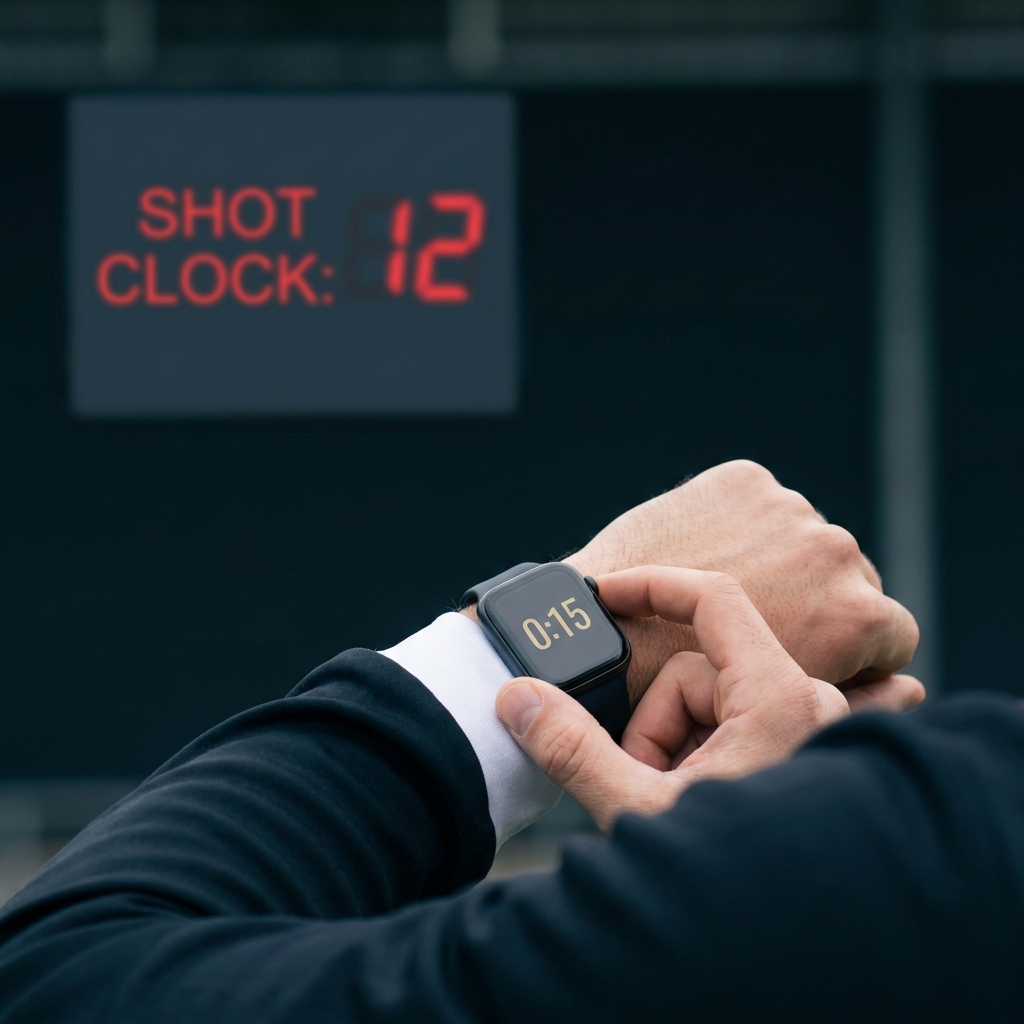
Scenario 2: market reaction to an emphasis on officiating. If multiple matches show quicker restarts and a referee cohort applies the 2024 shot-clock rules more aggressively, that pattern is verifiable and should be priced in. Increase model weight on pace-of-play metrics and adjust in-play expected point models to reflect higher ball-in-play time. This is a scenario where verified law implementation drives legitimate market adjustments.
In both scenarios, keep explicit model checks: measure whether short-term line moves persist after 24 to 72 hours, and use small stakes to test whether the market consensus aligns with long-term value. Always set hard risk limits before probing a narrative-driven market.
How the Nations Championship and calendar alignment shape Six Nations risk
Calendar windows are a practical constraint. The Nations Championship is scheduled in July-November and the Six Nations remains in February-March, so new competitions must respect those international windows unless stakeholders agree to a broader calendar reshuffle World Rugby calendar approval.
That constraint protects the Six Nations from being immediately displaced in 2026. For bettors, the key implication is that team selection patterns and available player pools for the Six Nations are unlikely to change materially in 2026 because of a speculative new competition.

Reliable sources and signals to watch for official R360 rules
Authoritative sources to watch are World Rugby official releases, published law books, and competition-specific rulebooks. An official law amendment will typically be published by World Rugby and documented in a law book update before it changes match officiating at elite levels World Rugby law amendments.
Early signals to treat with increasing confidence include an explicit World Rugby consultation process, a competition organiser publishing a detailed lawbook, or national unions confirming calendar changes. Treat press leaks and opinion pieces as early-warning signals but not as substitutes for a law book.
Integrity, governance and market regulation concerns
A new format requires clear governance around laws, anti-corruption measures, and market regulation. Any deviation from published laws or unexpected calendar changes can raise integrity questions until regulatory frameworks are clarified.
Bettors and operators should watch regulator statements and competition governance documents if R360 proceeds. Do not assume market liquidity or regulated trading conditions will be present from day one for a new competition; those characteristics develop over time as a format gains official status and operator support Reuters governance note.
A practical checklist for Six Nations betting under current rules
Pre-match checklist items to verify before you bet include confirming the competition law set, checking recent officiating patterns, and verifying player availability relative to international windows. Keep a quick log of any official law updates that could affect pause or restart timing. Read more on our blog: Funded Plays blog.
In-play checklist items include monitoring actual restart times, noting how often the shot-clock is enforced, and tracking any unusual sanctioning trends during a match. If officiating deviates from your model’s assumptions persistently, reduce sizes until you recalibrate.
Remaining open questions and expected timing for clarity
Outstanding questions about R360 that require formal responses include whether there will be a published law framework, how calendar integration would work with existing windows, and whether scoring or substitution rules will differ materially. These remain unresolved until competition organisers or World Rugby publish details The Guardian analysis.
A reasonable timing heuristic is to expect clarity only after an organiser issues a competition lawbook or World Rugby engages in a formal consultation. Short-term media reports are useful prompts to watch for those formal steps, but they are not replacements for them.
Conclusion: what bettors should do next
Three clear actions follow from the current evidence. First, base Six Nations pricing on the 2024 World Rugby laws and confirmed calendar windows. Second, treat R360-related media reports as low-confidence signals until a formal lawbook appears. Third, maintain disciplined bankroll management and use small probes when a market is driven by speculative narratives World Rugby law amendments. For general resources, visit Funded Plays.
Revisit this topic when an official competition lawbook or a World Rugby confirmation is published. Until then, the evidence in 2026 supports cautious, evidence-led adjustments rather than wholesale repricing of Six Nations markets.
Not for 2026. No official R360 lawbook has been published, and Six Nations matches remain governed by World Rugby's 2024 law amendments and the confirmed calendar.
Model pace-of-play effects from the 2024 amendments, including restart timing and shot-clock enforcement, as these are the verified changes affecting markets.
Official rules would appear in a competition lawbook or a World Rugby release; until then treat media reports as provisional.
References
- https://www.world.rugby/news/903786
- https://www.reuters.com/world/placeholder-rugby-2024-law-amendments-2024-05-09/
- https://www.bbc.com/sport/rugby-union/placeholder-r360-explainer-2025
- https://www.sixnationsrugby.com/en/news/calendar-alignment-2026-nations-series
- https://www.world.rugby/news/870530
- https://www.theguardian.com/sport/placeholder-r360-rugby-analysis-2025
- https://www.fundedplays.com/challenges
- https://www.fundedplays.com
- https://www.fundedplays.com/blogs
- https://www.fundedplays.com/blogs/how-fundedplays-evaluations-work
- https://www.espn.com/rugby/story/_/id/45759462/rugby-rebel-league-explained-everything-need-know-r360
- https://www.sportspro.com/news/r360-league-world-rugby-launch-delay-vote-september-2025/