
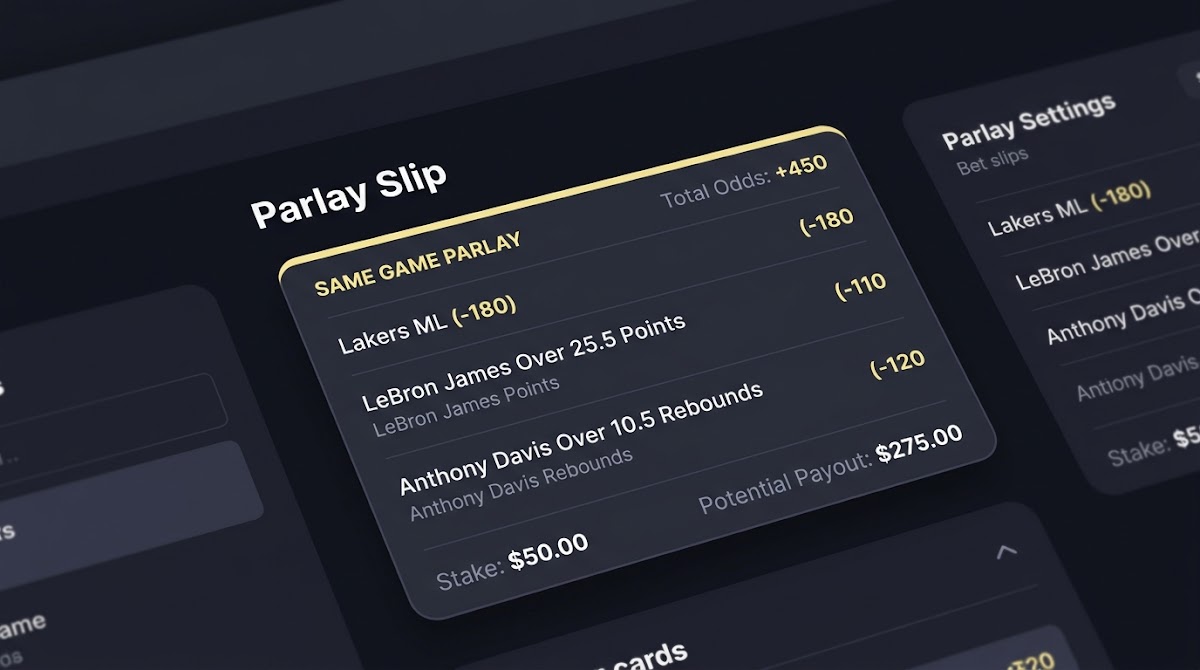
What sgp draftkings means: SGP basics and common terms
Key SGP terminology explained
The term sgp draftkings refers to same-game parlay offers inside the DraftKings interface, where multiple outcomes from a single contest are combined into one ticket. A same game parlay bundles selections such as a player scoring, a team covering a spread, and a game total moving over or under into one combined wager, and the combined price is driven by the product of each leg's odds.
For practical conversations it helps to define a few short terms. A leg is any single selection inside the parlay. Correlation describes the relationship between legs, for example when one leg becoming true makes another more or less likely. Implied probability converts odds into an estimate of chance. Juice is the sportsbook margin baked into prices. Cash out options, where available, let bettors settle a ticket early for a reduced payout.
Common mistakes include overloading tickets with legs, ignoring correlation effects, and increasing stakes out of emotion; a disciplined checklist and stake rules reduce these risks
How DraftKings presents same-game parlays in the interface
On DraftKings the same game parlay or SGP area is usually labeled as same game parlay or SGP inside the bet slip and the game page. The interface groups eligible player props, game lines, and team outcomes together and shows how legs combine into a single payout. Familiarizing yourself with the in-app layout helps you find which props are allowed to be combined and where correlation warnings appear, if any.
When you read this section, ask yourself what your typical maximum stake is for an SGP and whether you already track outcomes consistently. That habit of self-questioning will be useful when you move to staking rules and pre-submission checks later in the guide.
Why players use SGPs on DraftKings and common objectives
Typical reasons bettors build SGPs
Players build same-game parlays to concentrate exposure on linked events inside one contest. For example, when a hitter is in a favorable matchup and the game conditions support a high run total, combining those related outcomes can increase payout potential compared with placing independent bets. Using SGPs intentionally can create leverage when a bettor believes correlated outcomes are underpriced.
At the same time there are realistic expectations to set. Higher payout potential comes with higher variance, and a string of small losses is common even if the approach is sound. Treating SGPs as a tool for targeted exposure rather than a path to quick profits keeps decisions grounded and aligned with a bankroll plan.
When an SGP fits a player goal
Consider an SGP when your objective is to express a single game view in a compact stake, for example to reflect a model's projection or to hedge positions across markets within the same matchup. If your goal is long-term consistency, limit how often you chase large payouts and reserve multi-leg, highest-risk tickets for situations where your edge is clear.
Think about your personal tolerance for drawdown and how an SGP’s variance fits your bankroll goals. Using SGPs occasionally to complement separate single bets can be a balanced approach for many players who value disciplined exposure management.
A simple framework to build safer SGPs on DraftKings
Step 1: set bankroll and stake rules
Start with a fixed stake rule before you create an SGP. Decide a maximum bankroll percent you will risk on any single same-game parlay and stick to it. For repeatable practice, define a maximum dollar stake and a separate cap for long-shot tickets that exceed a certain number of legs or implied payout.
Documenting these rules in advance prevents emotional increases after a loss. When presented with a tempting high-return ticket, the preset cap helps you pause and compare the ticket to your standard stakes rather than react impulsively.

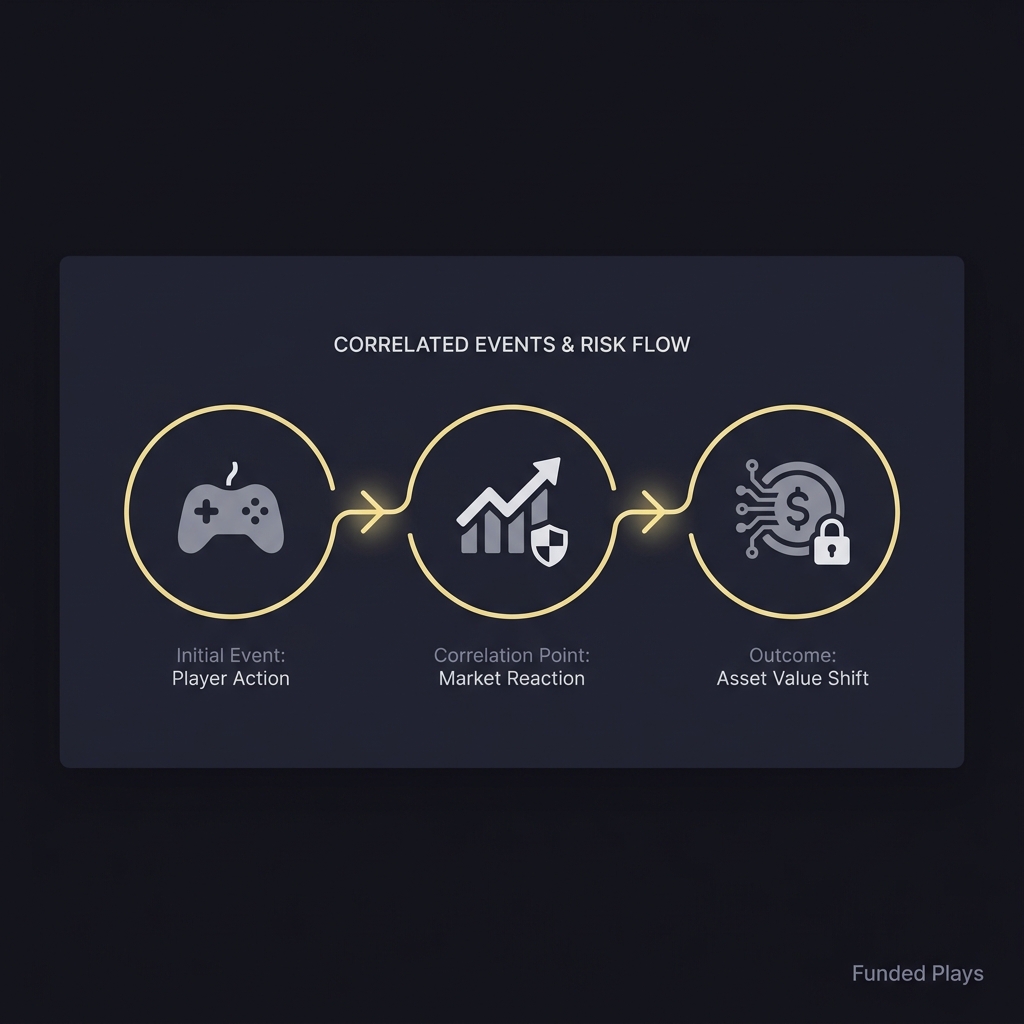
Correlation is central to same-game parlays. Legs that move together can create hidden downside when they fail simultaneously, and they can also justify certain combinations when your view supports the dependency. Explicitly check whether two or more legs are logically linked by the same on-field event and decide if you want that link to increase or decrease your exposure.
For example, including both a player to score and a team to win may make sense if your projection model ties the player’s usage to that outcome, but combining tightly overlapping props without compensating for the increased probability of joint failure raises variance without adding edge.
When you lack a precise model, use qualitative checks to estimate whether the SGP offers value. Convert odds to implied probability to see if the combined payout roughly matches your view of the chance that all legs occur. If the combined implied probability is far wider than your belief, the ticket likely lacks edge.
Possible checks include comparing current market pricing to historical norms for similar matchups, reviewing matchup context such as injuries or weather, and asking if any single leg would be a standalone bet at the same stake. These simple evaluations help you avoid overfitting tickets to rare outcomes.
Practice SGP routines with simulation before risking real stakes
Try paper-trading the framework first by creating mock tickets and tracking outcomes for a few weeks before risking your bankroll.
Decision criteria: choosing legs, odds, and stake size
Selecting complementary legs versus redundant legs
Prefer complementary legs that express different facets of your game view rather than redundant legs that amplify the same risk. Complementary legs might be a team win and a separate player prop that are related but not identical in outcome drivers. Redundant legs increase exposure to a single event and magnify variance without delivering new informational advantage.
To spot redundancy, ask if one leg is a strict subset or near-duplicate of another. If so, either drop the weaker leg or reduce your stake so the ticket remains within your predefined risk threshold.
Sizing stakes and converting odds to implied probability
Converting odds to implied probability is a practical exercise you can do in seconds to check an SGP. If the ticket offers +1000, for instance, the implied probability is one divided by the decimal equivalent of the payout, which gives a quick sanity check. Use that basic conversion to decide whether your belief about the combined chance is conservative or optimistic.
Apply simple staking rules such as a maximum percent of bankroll per SGP and a lower cap for long-shot multi-leg tickets. Reducing stake size as the number of legs grows is a robust heuristic because each additional leg multiplies variance and typically reduces the chance of success.
Top common mistakes in SGPs on DraftKings
Overloading an SGP with too many legs
One frequent mistake is adding many legs to chase a large payout. Each extra leg multiplies variance, so a ticket that looks tempting for its headline payout often has a poor chance to win. Keeping legs focused and limited reduces the number of independent failure points and preserves your long-term edge when you have one.
Complex tickets also make it hard to isolate what went wrong after a loss. With a concise ticket you can learn faster which assumptions were off and refine your process.

Ignoring correlation effects
Many bettors overlook correlation blind spots. Two legs that appear different on the surface may both depend on the same in-game event, and when that event fails both legs fail together. That phenomenon increases downside risk and can turn a seemingly diversified ticket into a concentrated bet against a single contingency.
Evaluating correlation deliberately helps you decide whether the dependency strengthens your conviction or just piles risk onto a single potential outcome.
Chasing outsized payouts after losses
Emotional mistakes such as chasing a big payout after a losing streak are common. Increasing stakes or constructing riskier SGPs to recover losses substitutes short-term wishful thinking for a measured process. This behavior tends to accelerate drawdowns and undermines disciplined bankroll management.
Recognizing this pattern and pausing to return to your pre-established stake rules are practical ways to limit the damage of emotional reactions.
How to avoid SGP mistakes: a pre-submission checklist
Pre-flight checklist to run before submitting
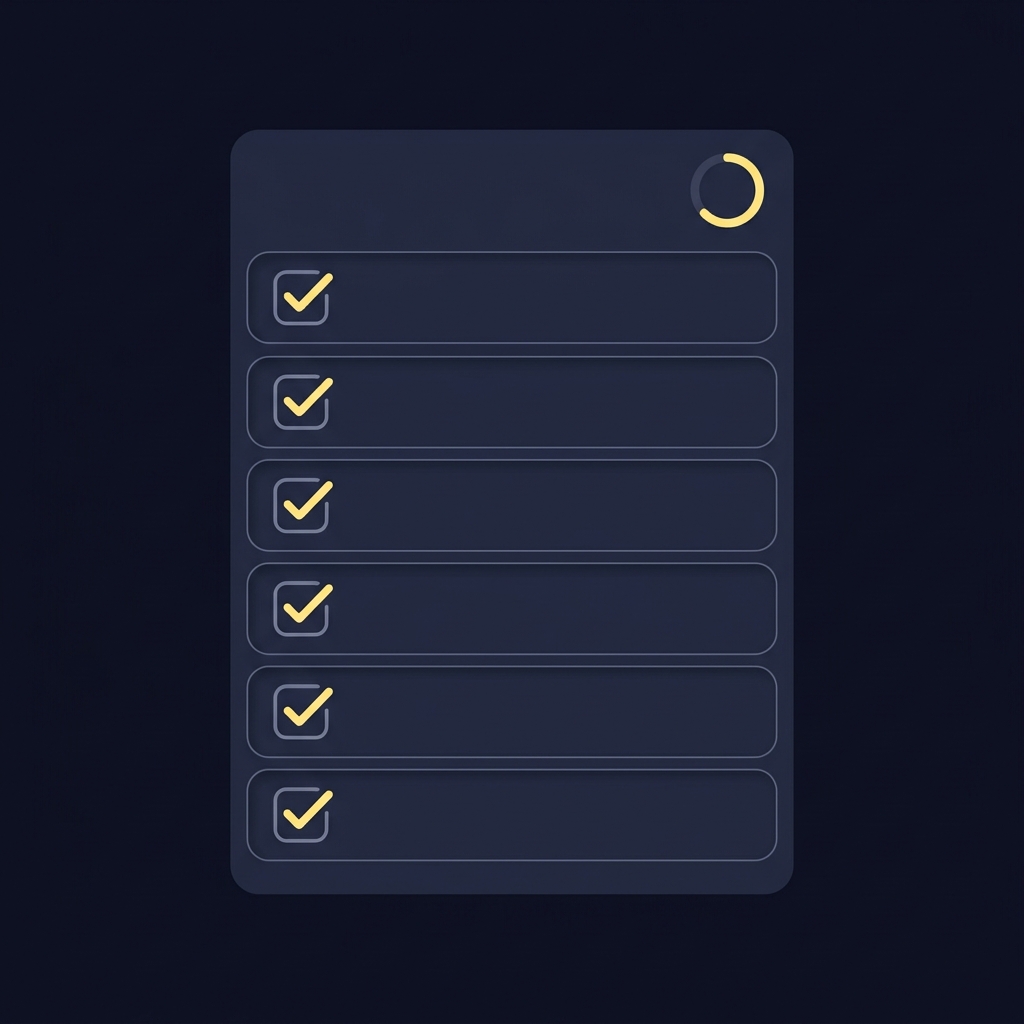
Run a quick checklist before you submit any same-game parlay. Confirm that the number of legs is within your limit, check that the stake does not exceed your bankroll cap for single tickets, review correlation among selected legs, and perform a quick implied probability sanity check for the overall payout. If any single leg seems like a forced long shot, remove it or cut the stake.
Keeping a short, repeatable routine reduces mistakes and makes each decision auditable when you review results later. A consistent pre-flight practice also helps maintain discipline during busy game days when multiple tempting tickets are available.
A one-sheet pre-submission checklist for same-game parlays
Use this before every SGP
How to review performance and iterate
Create a simple tracking habit that logs each ticket, the stake, the legs included, why you placed it, and the outcome. Even a plain spreadsheet or a dedicated notes file is sufficient. Regularly review losing tickets to find repeated errors such as consistent correlation blind spots or repeated overconfidence in a particular leg type.
Use qualitative post-mortems first to spot patterns, then test small adjustments like lowering stakes or removing a problematic leg type. Incremental changes and short experiments provide clearer feedback than sweeping strategy shifts after a short sample of outcomes.
Practical examples: annotated SGP scenarios and post-mortems
Low-risk SGP example with rationale
Imagine a conservative same-game parlay that combines two complementary legs: a team cover that your model favors and a modest player prop that reflects stable usage. The intent here is to express a central game view while avoiding speculative outcomes. Keeping the ticket to two or three legs and capping stake at your standard percent reduces variance and makes learning from results easier.
Annotate the ticket by writing why each leg was chosen, how the legs interact, and what would invalidate the view. That short annotation is a powerful habit for improving future decisions.
A high-variance ticket might include five or more legs with multiple long-shot player props that rely on rare events. This construction increases the product of failure probabilities and typically produces a low chance of success. Besides the low win probability, such tickets obscure which assumption failed if the ticket loses, slowing learning.
When a high-risk ticket fails, use a structured post-mortem to decide whether the loss was bad luck or an error in your reasoning. Record whether correlation or unrealistic probability estimates were the cause.
A practical post-mortem template is simple. Note the ticket, list the legs, summarize why you expected it to win, and identify the single most likely reason it did not. Add a short action such as lowering stakes on similar tickets or excluding a leg type, then test the change for a set sample size before making broader adjustments.
This measured approach turns losses into data and prevents emotional overreactions that lead to larger mistakes later.
Final checklist, responsible participation, and next steps
Key takeaways
Common SGP mistakes on DraftKings include overcomplicating tickets, ignoring correlation, and letting emotions drive stake size. Following a few simple rules such as limiting legs, capping single-ticket stake, and running a quick implied probability check prevents many avoidable errors and supports repeatable decision-making.
Remember that no approach guarantees success and that disciplined tracking and conservative bankroll management are the most reliable ways to improve over time.
Resources for disciplined practice
Practice with small stakes or simulated tickets, keep a concise post-mortem log, and iterate methodically. Consistent practice and measured changes help you learn what works for your timeline and risk tolerance without exposing your bankroll to avoidable shocks.
As a next step, consider a simulated evaluation program to practice these routines in a structured environment and to sharpen the habit of documenting decisions and outcomes. For more detail see our simulated evaluation program.
An SGP, or same game parlay, bundles multiple outcomes from the same contest into a single ticket so the combined payout depends on all legs succeeding.
Use a preset maximum percent of your bankroll for any single SGP and reduce stake as the number of legs grows to limit variance.
Yes, when your model or view justifies dependent outcomes, correlation can be part of a deliberate strategy, but it must be accounted for in sizing and selection.
References
- https://www.actionnetwork.com/education/same-game-parlay-guide
- https://oddsjam.com/betting-education/same-game-parlay
- https://www.bettingusa.com/sports/parlay/same-game/
- https://www.fundedplays.com/challenges
- https://www.fundedplays.com
- https://www.fundedplays.com/blogs/how-fundedplays-evaluations-work
- https://www.fundedplays.com/blogs