
What a round robin bet is and why it matters
essential features a reliable round robin odds calculator should provide
keep rounding consistent
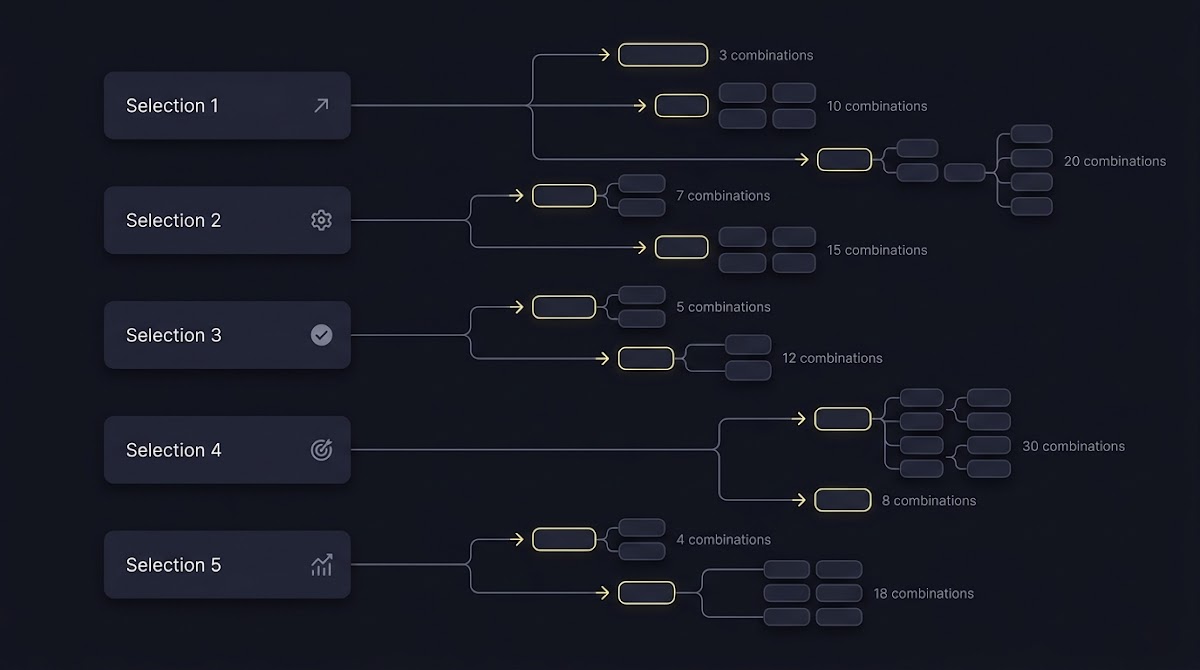
A round robin bet turns a group of selections into many smaller parlays, each graded on its own. This structure means one losing selection does not necessarily wipe out every ticket, because some smaller combinations can still win. Major sportsbooks define the structure this way and grade each parlay independently, making round robins a standard way to spread risk across multiple combinations DraftKings Help Center. Fox Sports also provides a plain-language guide to how round robin bets work Fox Sports.
For practical purposes a round robin is a convenience: instead of placing one large parlay that needs every leg to win, you create many r-leg parlays from your n selections. The approach can reduce all-or-nothing exposure but does not change the underlying prices or expected value of the individual selections. Always check operator house rules because settlement details can vary by operator and change how individual parlays are handled.
Common round robin structures and when to use each
Common formats are described by the phrase by 2s or by 3s. "By 2s" means every parlay contains two legs taken from your full list of selections. "By 3s" means every parlay has three legs. Mixed structures combine multiple values of r, for example by 2s and by 3s together, which increases coverage but also raises cost.

Choose r based on how much exposure you want and how many selections you have. Smaller r values give more combinations for the same n and therefore higher total stake if unit size is constant. If you want broader coverage with limited bankroll, choose lower r or reduce unit stake per combination. If your selections share strong conviction, picking larger r can produce higher per-ticket payouts but increases variance.
How to count the number of parlays: combinatorics explained
The number of r-leg parlays generated from n selections equals the binomial coefficient C(n, r). In plain language that means you count how many distinct groups of r picks can be made from your n picks, without regard to order. This count determines how many tickets a round robin creates and therefore how to compute total stake.
For readers who like a quick check, C(n, r) is the same math used to count combinations in many planning problems. A few worked counts are useful to memorize: for n=4 and r=2 you get six combinations; for n=5 and r=3 you get ten. These examples show how the number of tickets can grow as n increases, which directly affects the cost when staking per combination Action Network.
Settlement policies differ by operator; some grade a parlay down when a leg is voided while others refund the stake for affected parlays. Verify the sportsbook help or terms to confirm the exact treatment.
To compute C(n, r) yourself, think of listing all unique groups of r picks from your n picks and count them. That count equals the number of separate parlay tickets produced by the round robin format.
Odds formats and converting American odds to decimal
Decimal odds simplify parlay math because you multiply the decimal numbers for each leg and then multiply by stake. Decimal format shows the total return per unit staked, which makes it easy to compute a parlay's payout by chained multiplication. Betting education resources recommend converting American odds to decimal first before multiplying across legs Pinnacle.
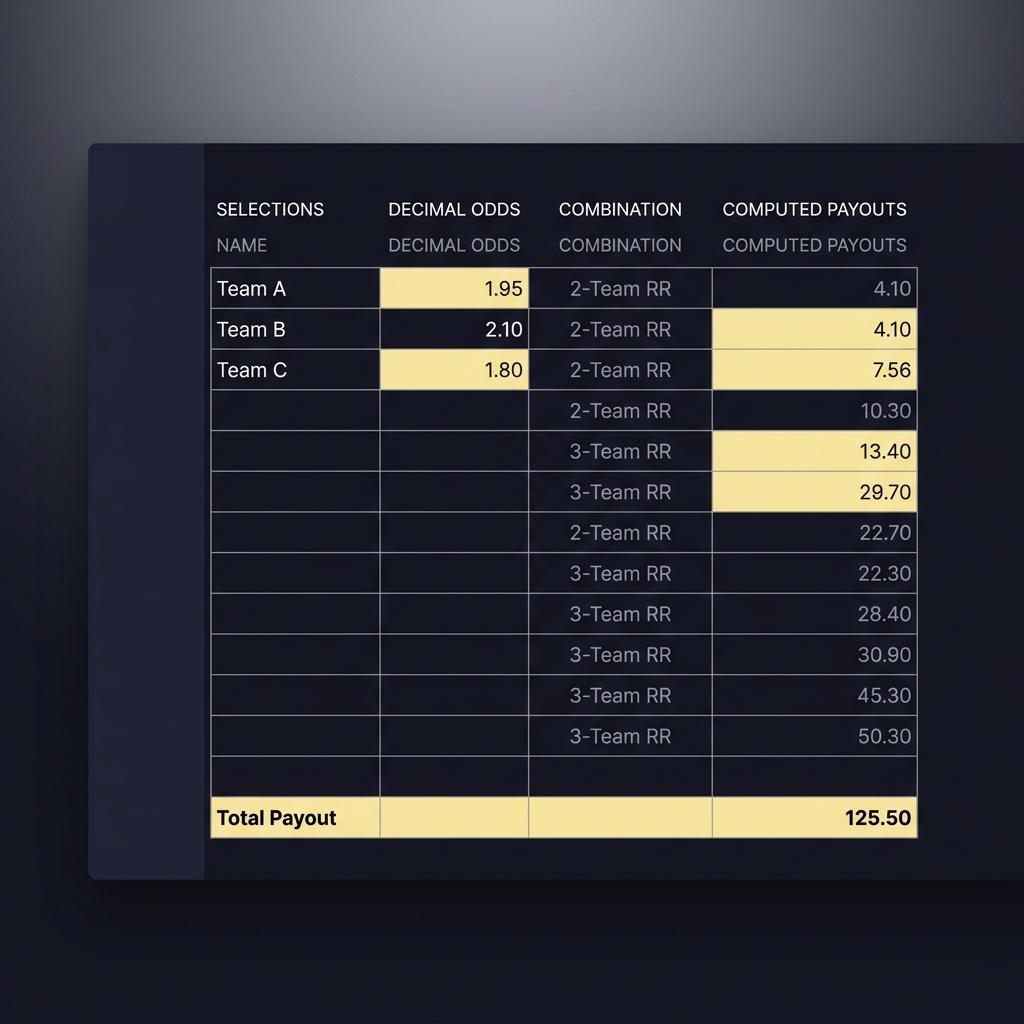
Use the standard formulas for American to decimal conversion. For positive American odds the decimal equals 1 plus the odds divided by 100. For negative American odds the decimal equals 1 plus 100 divided by the absolute value of the odds. Convert every leg to decimal before you multiply; if you are mixing formats, normalize everything to decimal to avoid mistakes.
Calculating a single parlay payout
To find a single parlay payout, follow three short steps. First, convert each leg's odds to decimal if they are not already in that format. Second, multiply all the decimal odds together to get the parlay multiplier. Third, multiply that product by the stake placed on that parlay to get the payout amount. Industry guides use this exact multiplication approach for parlay payouts Action Network. For another calculator example see OddsJam's round robin tool OddsJam.
Be clear about terms. The payout is the total return, including the returned stake. Profit equals payout minus the stake. If you want expected profit, calculate the probability-weighted outcomes separately, but for settlement modeling the multiplication method gives the settled payout per winning combination.
Step-by-step: using a round robin calculator to model payouts
Start by collecting inputs: list each selection and note its odds format, decide the r value for combinations, set a unit stake per parlay, and choose how pushes and voids should be treated. The calculator workflow is straightforward: convert odds, generate combinations, compute payout per combination, then sum payouts and subtract total outlay to report net profit. A reliable round robin payout calculator will run these steps automatically and show intermediate values so you can verify results and compare with online tools like Sportsbook Review's round robin calculator and to help validate your model Action Network.
Model payouts, then verify one parlay by hand
Follow the calculator steps and verify a single combination manually to confirm the output before trusting totals.
Typical calculator inputs are minimal but precise: selection identifiers, odds (American or decimal), the r value, and the per-combination stake. Also include a setting for handling pushes and voids so the tool models settlement consistently with your chosen operator. Once inputs are set, look for an output table that lists each generated parlay with its decimal multiplier, stake, payout, and whether it would cash under a given result set. See the Funded Plays blog for examples and walkthroughs Funded Plays Blog.
Staking, total cost and bankroll considerations
Staking in a round robin is applied per combination. That means total cost equals the number of parlays generated multiplied by the unit stake you set for each parlay. If C(n, r) is six and your unit is 2, the total outlay is 12. This per-combination staking model is how most operators present the cost of a round robin and is important when using a round robin payout calculator FanDuel Support.

Manage risk by sizing your unit stake as a fraction of your bankroll and by remembering that increasing r or n multiplies the number of combinations and therefore total exposure. Treat each combination as a separate ticket in your bankroll plan and avoid large unit sizes that produce outsized total outlay.
How pushes, voids and operator rules change settlement
Operators differ in how they treat pushes and voids. Some sportsbooks remove the voided leg and grade the parlay as a smaller-leg parlay, while others refund the stake for any parlay containing a void. Because these variations change the final payout, always review the operator help center or terms to confirm settlement rules before finalizing a model DraftKings Help Center.
In calculators you can model a void by replacing the leg's decimal odds with 1.0, which effectively removes its multiplier. That approach mirrors how many operators treat voids but may not match every house rule, so include a setting that reflects the operator's stated policy.
Decision criteria: when a round robin makes sense
Decide on a round robin when your goal is to reduce the all-or-nothing risk of a single large parlay and when your bankroll can support the total number of combinations at your chosen unit size. Consider the expected value of each selection, the team or market edge you estimate, and whether the increased complexity is worth the chance that some combinations cash. Read how Funded Plays evaluates plays for guidance on sizing and selection Funded Plays evaluations.
Key tradeoffs include cost, variance, and operational complexity. If you have limited bankroll but many selections, prefer smaller r or smaller units. If a few correlated picks are strongly favored, a single larger parlay might be a better fit. Remember that the structure does not create value by itself; profitability still depends on prices and stake allocation, not structure alone Action Network.
Typical mistakes and troubleshooting checklist
Common errors include forgetting to convert American odds before multiplying, miscounting combinations, and applying the stake incorrectly by treating total stake as the per-combination stake. These mistakes lead to incorrect payout and profit estimates and are avoidable with a short validation routine Pinnacle.
Quick checks: manually compute one parlay and compare it to the calculator, verify the combination count matches C(n, r), and ensure total stake equals count times unit. If actual sportsbook settlement differs, compare the operator rules to your calculator assumptions and update the model accordingly.
Practical examples: worked calculations for common setups
Example 1, four selections by 2s. Suppose the four legs have decimal odds 1.80, 1.90, 2.00, and 1.70 and you choose by 2s with a unit stake of 1. The combination count C(4, 2) is six. Compute each two-leg product, multiply by the unit stake to get payouts for each of the six parlays, then sum payouts and subtract the total outlay of six to get net profit or loss. Label these numbers hypothetical and use them to verify your calculator output.
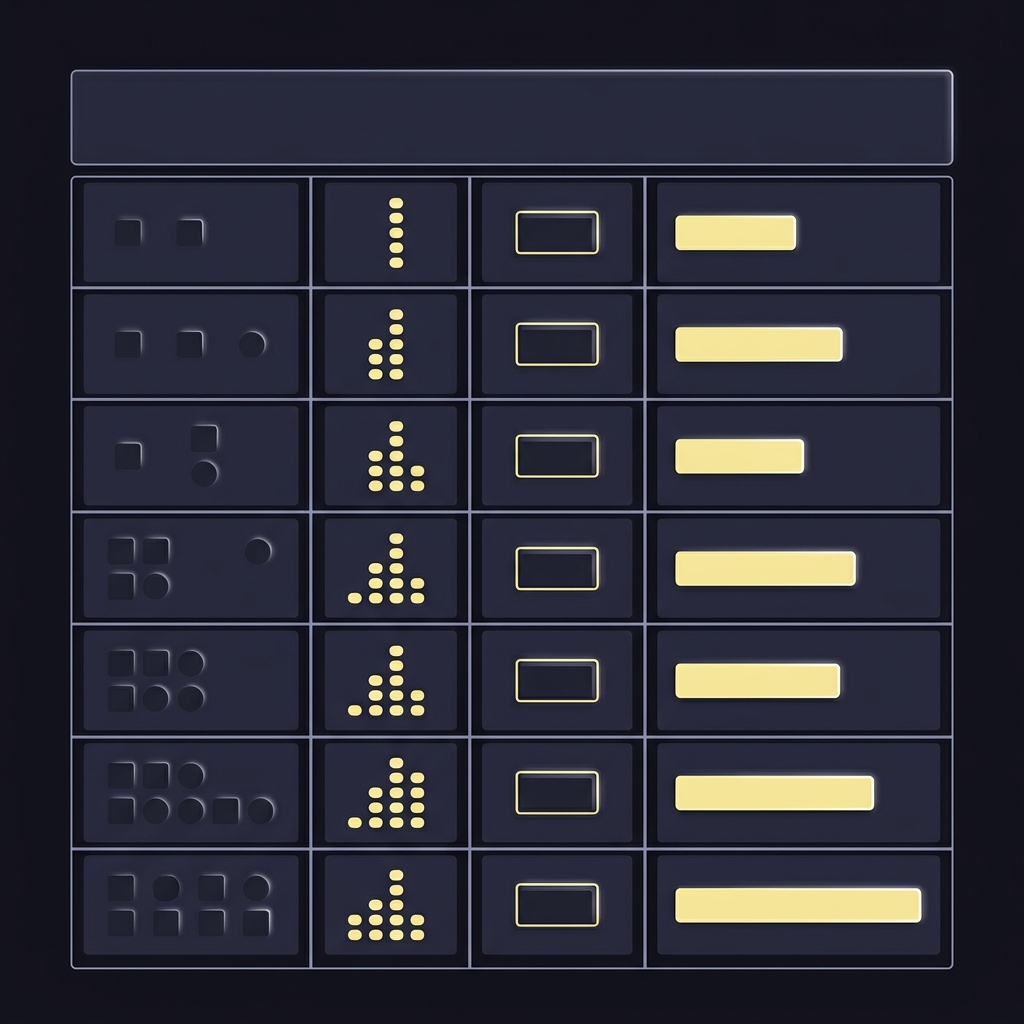
Example 2, five selections by 3s. With five decimal odds and a unit stake of 2, C(5, 3) equals ten. Convert any American odds first, then calculate each three-leg parlay product, multiply by 2 for each payout, sum payouts and subtract the total outlay of twenty to see the net. If one leg loses, only combinations that do not include that leg cash, which reduces the count of winning parlays and lowers total payout accordingly.
Advanced scenarios and mixed odds types
If you mix American and decimal inputs, normalize everything to decimal before computing parlays. This avoids subtle multiplication errors and rounding inconsistencies when sums are aggregated. Use the standard American to decimal formulas as a consistent conversion step Pinnacle.
Large n values with moderate r can produce many combinations and make manual calculation impractical. In those cases use a spreadsheet or a purpose-built round robin payout calculator and be mindful of precision and rounding when summing many payouts. Where needed, present results with consistent rounding rules to avoid small aggregation mismatches.
How to build a simple spreadsheet round robin calculator
Layout the sheet with one column for each selection and a dedicated column for converted decimal odds. Use a combination generator approach in a separate sheet or area to list each unique r-leg grouping, then compute the decimal product for each row and multiply by the per-combination stake. Sum the payout column to report total return and subtract total outlay to show net profit.
Test the sheet by manually computing one combination and comparing its payout to the corresponding row. For pushes or voids, include a rule that replaces the leg odds with 1.0 or flags the row for review, so the sheet's result matches operator policy without requiring scripting.
Checklist and next steps: what to verify before placing a round robin
Pre-submit checklist: confirm all odds formats are correct and converted, verify the count of combinations equals C(n, r), confirm total stake equals count times unit size, and review operator rules for pushes and voids. Save and test your calculator or spreadsheet before you use it with real funds.
Practice disciplined unit sizing and do not assume any structure guarantees profit. Use the calculator approach to model scenarios and to understand how one losing leg changes the cashing combinations and final payout. Visit Funded Plays Funded Plays.
Treatment varies by operator. Common approaches are removing the leg and grading the parlay as a smaller-leg ticket or refunding the stake for that parlay. Check the sportsbook help section for the exact rule.
For positive American odds use 1 + odds/100. For negative odds use 1 + 100/absolute(odds). Convert all legs to decimal before multiplying.
Manually calculate one generated combination and compare the payout to the calculator, verify C(n, r) count, and ensure total stake equals count times unit stake.
References
- https://help.draftkings.com/hc/en-us/articles/360041316553-What-is-a-Round-Robin-bet
- https://www.foxsports.com/stories/betting/round-robin-betting-what-means-how-works
- https://www.actionnetwork.com/education/round-robin-betting
- https://www.pinnacle.com/en/betting-articles/betting-strategy/betting-odds-explained/5HNJ2G23PJ9Z2Y68
- https://www.sportsbookreview.com/betting-calculators/round-robin-calculator/
- https://oddsjam.com/betting-calculators/round-robin
- https://support.fanduel.com/hc/en-us/articles/360051206574-What-is-a-Round-Robin
- https://www.fundedplays.com/challenges
- https://www.fundedplays.com/blogs
- https://www.fundedplays.com/blogs/how-fundedplays-evaluations-work
- https://www.fundedplays.com