
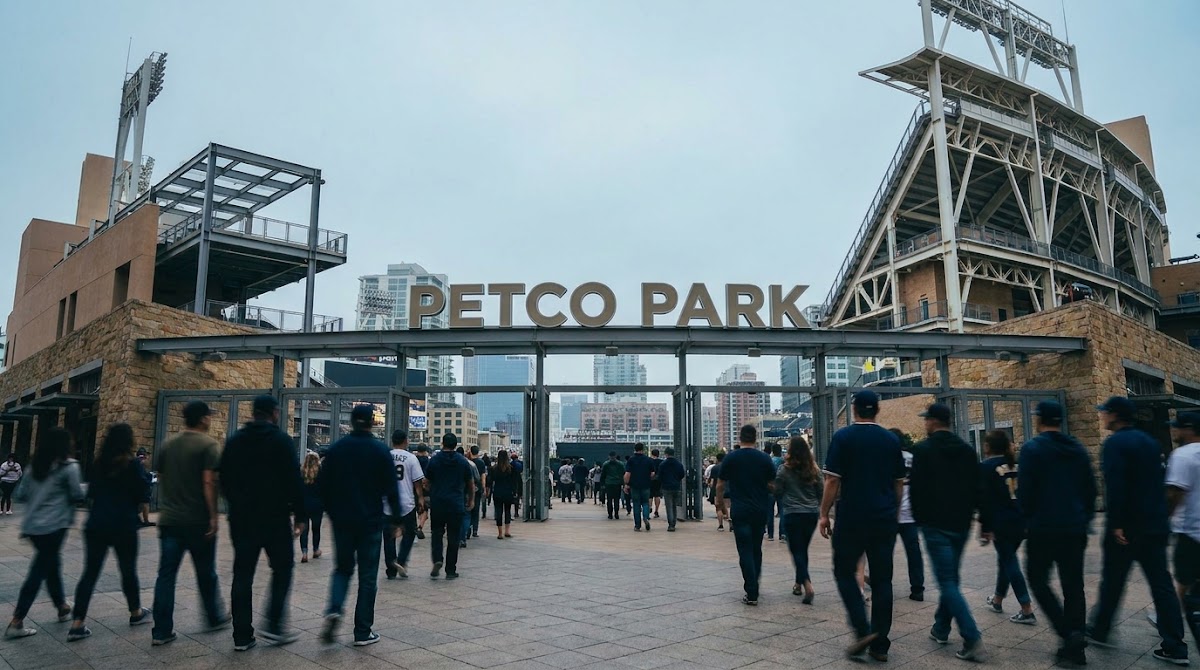
padres phillies prediction: quick answer and current status
Short summary
Short answer: no billionaire buyer has been officially announced for the San Diego Padres as of early 2026. Multiple late-2025 news reports described the Seidler family as exploring strategic options that could include a sale, but those reports described exploratory activity rather than a completed transaction Reuters report (local coverage also appeared on WMB Radio).
That distinction matters because Major League Baseball requires a formal sale process and league review before any ownership change becomes effective. Until the team posts an official announcement or MLB files public ownership materials, names in media accounts remain unconfirmed and should be treated as reports, not finalized transfers Bloomberg News coverage.

What has been reported so far
Two principal outlets published the same basic point in late 2025: ownership was reviewing strategic options, which can include sales among other choices. These pieces did not announce a signed purchase agreement and framed the coverage as exploratory reporting, which is distinct from a definitive sale announcement Reuters report and related MLB coverage MLB report.
Readers should note that exploratory coverage often arises when a family or ownership group engages advisers or issues a statement about reviewing options. Such reporting signals that options are being considered, not that a transaction is complete, and it is normal for further reporting to follow as parties engage in talks or decide to keep ownership intact Bloomberg News coverage.
Why sale rumours start and how to read media signals
Typical triggers for ownership rumours
Ownership rumours commonly begin with one of a few signals: a public statement that a family or group is reviewing strategic options, filings that suggest advisers are engaged, or financial reporting that prompts attention. In the Padres case, late-2025 coverage began after reports that the Seidler family would explore strategic options, a common prompt for exploratory media coverage Reuters report.
Other triggers can include reported approaches by potential investors, media interviews with advisers, or changes in a club's long-term plans that attract buyer interest. These signals are part of a normal market process and do not by themselves equal a sale unless backed by a signed agreement and the subsequent league filings.
Differences between exploratory reports and definitive agreements
Exploratory reports usually use language like exploring options, weighing strategic choices, or consulting advisers. Definitive agreements are described as signed, executed, agreed, or pending approval. Treat wording carefully: phrasing that indicates exploration almost always precedes formal negotiations or binding offers.
For verification, readers should expect to see an explicit team announcement or a public league notice after a definitive agreement is reached. Until that point, media coverage may accurately report that conversations are happening without implying a sale is imminent Bloomberg News coverage.

How an MLB ownership transfer actually works - step by step
Negotiation and definitive agreement
The first formal step toward a sale is a definitive purchase agreement: that is, an executed contract between seller and buyer that outlines price, terms, and contingencies. Until such a document is signed, most media accounts describe discussions as exploratory and not binding.
After a definitive agreement is filed with MLB, the league begins its formal review. This review is a required step before the transaction can proceed to a vote by other club owners and eventual closing. The league review includes background checks and diligence that can affect the pace of approval MLB coverage of a recent approval.
Get clear updates on ownership news and verification steps
Sign up for periodic updates from reputable sources and a compact checklist so you can spot a definitive announcement when it appears. This helps you separate exploratory reports from confirmed league filings without relying on social media alone.
MLB Ownership Committee review
The Ownership Committee and league offices examine the proposed buyer group, financial arrangements, and any potential conflicts before recommending a vote. This diligence aims to protect the sport and ensure buyers meet league standards. The committee stage is a gating step before the full owners' vote takes place.
Once the committee completes its review, it forwards a recommendation and documentation to the full set of club owners, who then review and vote on whether to approve the sale. That owners vote is required under MLB rules before control may legally transfer Reuters coverage of the owners vote precedent.
Owners vote and closing
If the owners approve the sale, the transaction typically moves toward closing, subject to any remaining conditions and local approvals. The timeframe from committee review to owners vote and then closing varies with the complexity of the buyer group, regulatory checks, and any city or stadium-related conditions.
Because the Orioles example showed the process can complete once filings are submitted, readers should watch for public notices that an owners vote has occurred or that closing paperwork is filed, rather than relying on informal media tips alone MLB coverage of a recent approval.
Timeline precedent: the Orioles' 2024 approval and what it shows
Overview of the Orioles transaction timeline
The 2024 sale of the Baltimore Orioles to a David M. Rubenstein-led group is a recent example of how MLB handles ownership transfers, including committee review and an owners vote. That transaction illustrates the formal steps the league follows after a definitive agreement is filed MLB coverage of the transaction.
The Orioles example also demonstrates that, once a filing is accepted and the committee review begins, approvals and votes can happen within a period measured in weeks to a few months, depending on diligence needs and any additional conditions the league or cities may require Reuters report on the owners vote.
Lessons about how long approvals can take
That precedent suggests a realistic range for approval timing, but it is not a guarantee. Each sale has unique elements: the buyer group structure, financing arrangements, and any city negotiations can lengthen the review. Use the Orioles timeline as a helpful example rather than a fixed schedule.
Ultimately, the timeline only begins once a definitive agreement is filed with MLB. Until that filing appears, speculation about how fast a sale could close is premature and can mislead readers about the certainty of outcomes.
Valuation and assets that shape buyer interest
How franchise valuations influence prospective buyers
Independent industry trackers have consistently ranked the Padres among Major League Baseball's higher-value franchises in recent seasons. Those valuations influence what serious buyers may offer because they frame expectations about asset worth and revenue potential Forbes valuation profile (for context, see the Funded Plays homepage).
Valuation context is useful background but it does not, by itself, determine whether a sale will occur or who the buyer might be. Buyers still evaluate stadium deals, local market conditions, and long-term operating agreements before finalizing offers.
As of early 2026 no billionaire buyer has been officially confirmed; reports said the Seidler family was exploring options but a formal sale requires a signed agreement and MLB approvals before it is effective.
The role of Petco Park and local agreements
Petco Park and related district arrangements are central to buyer interest because stadium terms affect future revenue streams and operating flexibility. However, stadium arrangements are governed by team-city contracts that typically remain in force unless renegotiated, so ownership alone does not immediately alter those agreements Padres Petco Park upgrades coverage.
Recent Petco Park enhancements and ongoing facility investments indicate that the club and local partners have prioritized incremental upgrades regardless of ownership discussions, which suggests continuity of operations absent an explicit renegotiation.
Common verification mistakes and how to avoid them
Misreading exploratory language
A frequent error is treating phrases like exploring options as confirmation. Exploratory language signals that owners are considering alternatives and may be engaging advisers, but it does not equal a signed purchase agreement or a filed MLB submission Reuters report.
To avoid misreading reports, pay attention to the verbs and nouns reporters use. Look for signed, executed, or pending approval language to identify definitive transactions. If a story only cites unnamed advisers or says talks are preliminary, treat it as a developing item, not a closed deal.
Overreliance on anonymous tips
Anonymous tips can be useful leads but relying on them without supporting documents can spread misinformation. Look for corroboration from official team releases, league notices, or filings in public records before treating a buyer claim as factual.
When you see a claim sourced only to unnamed individuals, wait for documentary evidence or a league filing before changing conclusions about ownership or stadium plans.
Documents and public filings to watch next
What an MLB filing or Ownership Committee notice looks like
The most reliable signals of a real sale attempt are a team-issued announcement and an MLB submission that triggers formal review. These documents are the start of an official record the league and media will reference as the process advances MLB coverage of the approval process.
Simple verification checklist for ownership filings
Check official sources first
City or stadium filings that can reveal progress
Local government records, lease amendments, or stadium district filings can provide further corroboration, since buyers often need to address stadium operations or tax agreements. Watching municipal agendas and public records can show negotiation items tied to a sale Padres Petco Park upgrades coverage (see our evaluation guide on the Funded Plays blog).
Use official city portals and league press releases as primary verification sources. If you see a news story that references a filing, seek the underlying document so you can confirm the claim yourself rather than relying on secondary summaries.
How fans, the city, and partners may be affected
Stadium agreements and local impact
Even if an ownership change occurs, stadium agreements and local revenue-sharing contracts commonly remain in effect until renegotiated, so short-term game operations and fan experiences usually continue with minimal immediate change Padres Petco Park upgrades coverage.
Longer-term impacts depend on the buyer's strategy and any renegotiations with the city. But routine upgrades and investments can continue independently of ownership discussions, which helps preserve continuity for fans and local partners.
Short-term vs long-term operational changes
Short-term changes are often administrative and internal, such as staffing adjustments or changes to club leadership. Major operational shifts, including stadium redevelopments or new commercial deals, usually follow an extended planning period and require approvals beyond a simple ownership transfer.
Fans should expect communication from the team if significant operational or community impacts are anticipated, and those announcements will generally follow formal approvals rather than exploratory news items.
How long a potential Padres sale might take
Fast-track scenarios
If parties reach a definitive agreement and the buyer group is straightforward, league review and the owners vote can proceed quickly, sometimes within a few weeks to a few months based on recent precedent. The 2024 Orioles transaction shows that approvals can follow promptly once filings are in place Reuters review of the owners vote.
However, even fast-track scenarios require a signed purchase agreement and full league submission before any vote can occur, so timing cannot begin until those steps are taken.
Longer diligence and approval timelines
Complex buyer groups, regulatory reviews, local government conditions, or unresolved stadium issues can extend the timeline to several months or longer. Those factors mean that some sales stay in review for an extended period, and that variability makes it impractical to predict a set closing date in advance.
In all cases, patience is warranted: the official timeline starts with a definitive agreement and ends only after league approvals, owners vote, and any required local approvals are complete.
Practical scenarios: what might realistically happen next
No sale follows exploratory review
Scenario one is the exploratory outcome where the Seidler family investigates options and decides to retain ownership. Signals for this outcome include a public statement that options were reviewed with no agreement reached and the absence of any MLB filing or owners vote.
Definitive deal announced and quick approval
Scenario two is a signed purchase agreement followed by a standard MLB review that proceeds without major complications. If that occurs, the league's Ownership Committee and club owners would review the filing and could schedule a vote, potentially completing approvals within weeks to a few months depending on diligence needs MLB coverage of the approval process.
Watch for public documentation and an owners vote notice as the clearest indicators that a sale is moving to closing rather than remaining speculative.
Protracted negotiation or partial ownership changes
Scenario three is extended negotiation, partial stake sales, or city-level conditions that prolong the process. These outcomes often involve detailed review of financing, regulatory checks, or stadium concessions and can take substantially longer than the fast-track case.
If partial ownership changes are reported, seek the underlying paperwork or league notices to confirm how much control is actually being transferred and whether MLB has been formally notified.
Checklist: how to verify reported buyers and claims
Quick verification steps
1) Look for an official team announcement stating that a definitive agreement has been signed. 2) Check MLB communications for an Ownership Committee submission or an owners vote notice. 3) Search city and stadium public records for any related filings that would accompany a sale.
These three checks filter out most premature reports and give you documentary signals that a sale is proceeding rather than being speculative MLB coverage of approval steps. See the Funded Plays blog for additional verification tips.
Trusted sources to check
Primary sources include team releases, MLB office statements, and municipal filings for stadium districts. Reputable national outlets that cite documents or league notices provide useful context, but the underlying filings are the decisive evidence.
When in doubt, prefer direct filings and league announcements over secondary summaries and social media discussions, and treat anonymous sourcing with caution.
Conclusion: what readers should watch and when to trust a report
Key signals recap
No billionaire buyer has been confirmed for the San Diego Padres as of early 2026; late-2025 reporting said the Seidler family was exploring strategic options, which can include sales but do not equate to a signed deal Reuters report.
Trust reports only after you see a team announcement, an MLB submission or Ownership Committee notice, and an owners vote, or when municipal filings show related stadium or operational changes. Those documents are the practical evidence that a transfer is underway MLB coverage of approval steps (additional coverage appears in national outlets such as ESPN).
No. As of early 2026 no billionaire buyer has been officially announced and no definitive sale agreement has been filed with MLB.
Look for a team press release announcing a signed purchase agreement, an MLB submission or Ownership Committee notice, and a subsequent owners vote.
Not usually; stadium and city contracts typically remain in place until renegotiated, so immediate operational changes are uncommon.
References
- https://www.reuters.com/world/us/padres-seidler-family-explore-strategic-options-including-sale-2025-11-13/
- https://wmbdradio.com/2025/11/13/seidler-family-to-explore-strategic-options-including-sale-of-padres/
- https://www.bloomberg.com/news/articles/2025-11-13/san-diego-padres-explore-potential-sale
- https://www.fundedplays.com/challenges
- https://www.mlb.com/news/mlb-owners-approve-orioles-sale-to-david-rubenstein
- https://www.reuters.com/world/us/mlb-owners-approve-sale-orioles-david-rubenstein-2024-03-27/
- https://www.mlb.com/padres/news/petco-park-upgrades-2024-offseason
- https://www.forbes.com/teams/san-diego-padres/
- https://www.mlb.com/news/seidler-family-to-explore-strategic-options-for-san-diego-padres
- https://www.espn.com/mlb/story/_/id/48947811/mlb-2026-padres-team-sale-final-pete-seidler-legacy-aj-preller
- https://www.fundedplays.com
- https://www.fundedplays.com/blogs
- https://www.fundedplays.com/blogs/how-fundedplays-evaluations-work