
Short answer: Which single bet is best in Las Vegas?
Quick summary: one bet vegas
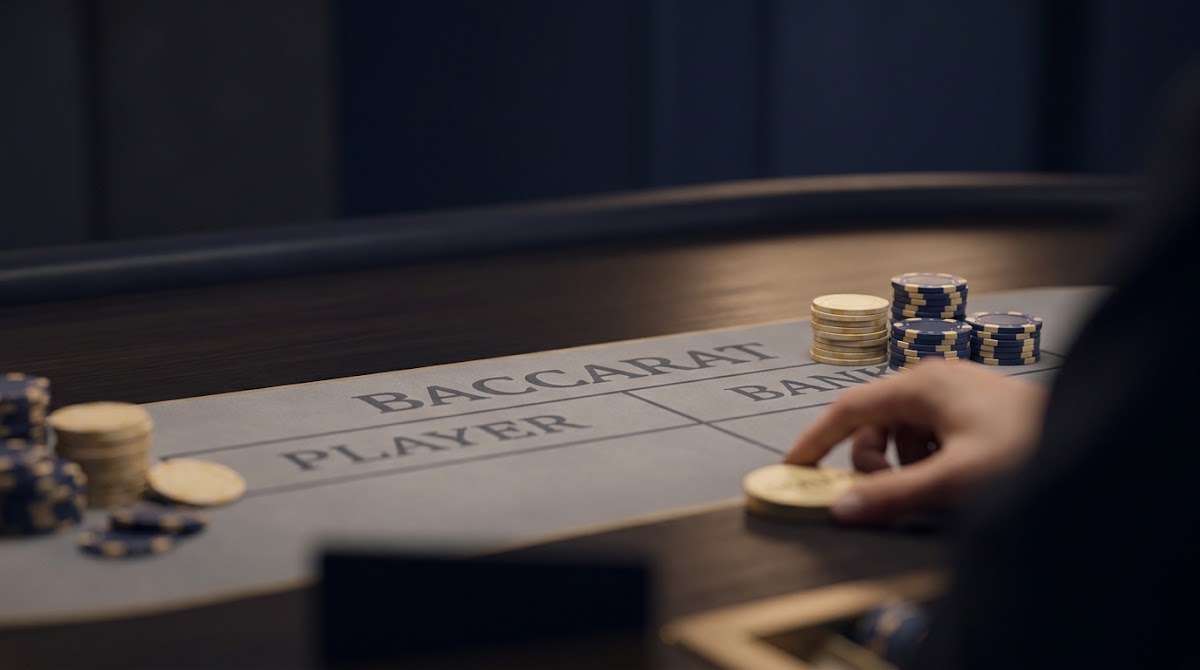
If you are looking for a single, evidence-based play for a short visit to Las Vegas, the baccarat banker bet is the strongest widely available single wager by expected value under standard commission rules, making it the best one bet in Vegas to minimize expected loss per dollar staked. This assessment compares commonly offered single wagers using published house-edge figures to reach a direct, apples-to-apples conclusion, and it assumes standard commission handling at baccarat tables Wizard of Odds baccarat page.
For a single-wager decision focused on expected value, the baccarat banker bet typically minimizes expected loss under standard commission rules, but always confirm local payouts and commissions before betting.
One-sentence rationale for the top pick
Put simply, baccarat’s banker bet carries a lower house edge than most single-table options you will find on the Strip or downtown, so for a single-wager decision focused on expected value it is the top pick based on well-established math and common Las Vegas table rules Wizard of Odds baccarat page.
Why house edge and expected value matter for a single wager
Definition: house edge and expected value
House edge is a simple way to compare single wagers: it is the long-run percentage of each bet the casino keeps on average, expressed as a share of the original wager. Expected value applies the same idea directly to the stake you place on one bet, showing the average outcome over many repetitions. Using these two concepts lets you pick the bet that, dollar for dollar, costs you the least on average when everything else is equal.
Why math does not change even if tables do
The probability structure beneath these games is stable, so the core numbers for house edge and expected value remain valid across time. What changes between casinos and tables are rule details, like payout structure, commissions, or available free odds, and those details change the effective edge. That means published house-edge figures are reliable starting points, but you must confirm on-site rules before you stake real money.

How common Las Vegas single wagers stack up by house edge
At-a-glance comparison

Compared to the single wagers typically available in Las Vegas, baccarat’s banker bet sits at the low end of the house-edge scale, craps pass and don’t pass are close behind, blackjack can be competitive but only with favorable payout rules, roulette is substantially worse on average, and slots usually have the largest hold among common offerings Wizard of Odds baccarat page.
Below are concise, game-by-game callouts to help you compare quickly and confirm which table option fits your objective.
Brief callouts for each game
Baccarat: The banker bet is commonly quoted at about a 1.06 percent house edge under standard commission rules, which places it among the lowest-edge single wagers you will find in a casino Cache Creek baccarat odds page.
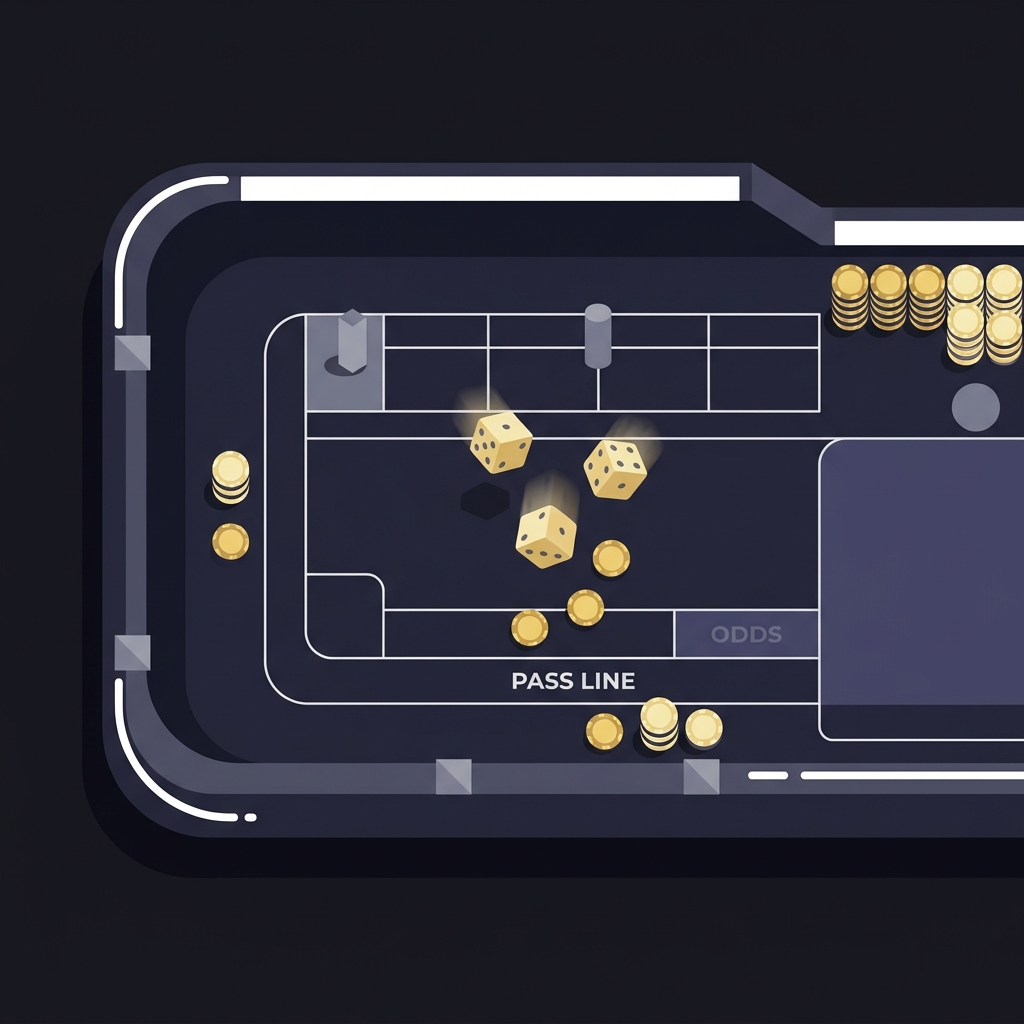
Craps: The don’t pass bet carries an edge near 1.36 percent and the pass line about 1.41 percent. Because casinos allow separate free odds bets with no house edge, combining a base pass or don’t pass with full free odds lowers the effective edge on the total money at risk Wizard of Odds craps page.
Blackjack: When rules include a true 3:2 payout on a natural and favorable shoe rules are in place, correct basic strategy can reduce the house edge to below roughly 0.5 percent. If the table pays 6:5 on naturals instead, the house edge typically jumps well above 1 percent and often near 1.9 percent, making such tables poor choices for minimizing expected loss Wizard of Odds blackjack page.
Roulette: American double-zero wheels carry about a 5.26 percent house edge, while single-zero European wheels reduce that to around 2.70 percent where available. That differential meaningfully changes expected value for identical straight-up or outside bets Wizard of Odds roulette page.
Slots: Nevada requires a minimum long-run return, but reported and typical slot holds are generally higher than the top table-game wagers. Industry revenue reporting shows slots account for a large share of casino take, reflecting that slot holds are typically less favorable for players than the best table bets Nevada Gaming Commission regulation 14.
Verify table rules before you bet
Use the on-site checklist below to confirm payout rules and commission structures before you place a single bet so your expected-value comparison matches the table you actually find.
Baccarat deep dive: why the banker bet usually wins on expected value
How banker and player bets differ
Baccarat is a simple wagering choice between banker, player, and tie. The banker bet wins slightly more often on the raw card probabilities, but casinos typically charge a commission on banker wins to preserve their advantage. Even after the commission, the banker bet’s house edge is lower than most single-table alternatives under standard rules Wizard of Odds baccarat page.

The commission paid on banker wins is the mechanism that produces the familiar ~1.06 percent house edge; the commission offsets the higher win frequency of the banker while leaving that bet with a lower expected loss per unit than the player bet in most standard casino rule sets Wizard of Odds baccarat page.
Commission and its effect
Because the house edge for the banker includes the commission calculation, small rule variations or alternate commission rates can nudge the effective edge noticeably. That is why confirming the posted commission and whether any table-specific promotions apply is important before treating banker as the best single wager on-site Wizard of Odds baccarat page.
Craps deep dive: pass, don’t pass, and the role of free odds
Pass vs don’t pass explained
Craps offers base bets with small house edges, with don’t pass typically near 1.36 percent and pass line near 1.41 percent. Those are among the better single-wager figures available, and the difference between pass and don’t pass is marginal; players choose based on side preferences and table dynamics Wizard of Odds craps page.
Using free odds to lower overall edge
Casinos allow separate free odds bets behind the pass or don’t pass line that pay true odds and carry no house edge. When you combine a base bet with full allowed odds, the average house edge on the combined stake falls because the zero-edge odds portion dilutes the small edge on the base bet, improving expected value for the same total money at risk Wizard of Odds craps page.
quick expected value estimate for a combined pass/don't pass and free odds wager
Free odds use 0% house edge so are added at face value
Remember that casinos set table minimums and limits on how much free odds you may take, so the effective edge improvement depends on the odds multiple the property allows. Always check the posted odds multiple because larger allowed odds produce proportionally better expected value for the combined wager Wizard of Odds craps page.
Blackjack deep dive: when a single blackjack bet can be competitive
3:2 vs 6:5 payout impact
Blackjack is one of the few single wagers that can, under the right rules, have a house edge low enough to rival baccarat and craps. When a table pays 3:2 on a natural and uses player-friendly rules, basic strategy can bring the house edge down to under about 0.5 percent. By contrast, when a table pays 6:5 on naturals the effective edge increases sharply, often to around or above 1.9 percent, meaning the payout structure alone can flip blackjack from attractive to unfavorable for expected-value focused players Wizard of Odds blackjack page.
Basic strategy caveats
To approach the low house-edge figures you see in strategy guides, you must use correct basic strategy for the precise rule set in play. Small rule changes, such as dealer hits on soft 17, number of decks, or resplit rules, interact with the payout structure and change the practical edge. That makes table-level verification essential before treating a blackjack spot as a best single bet Wizard of Odds blackjack page.
Roulette: why single-zero helps but double-zero hurts expected value
American 00 vs European 0 house edges
Roulette illustrates how wheel type drives expected value. The American double-zero wheel has a house edge near 5.26 percent, while single-zero European wheels cut that to about 2.70 percent. That gap makes European-style wheels meaningfully better for any player focused on minimizing long-run loss per bet Wizard of Odds roulette page.
What to do if only 00 is available
If your on-site choice is only an American double-zero wheel, other table options typically provide better expected value, because the higher house edge on 00 substantially increases average loss compared with baccarat, craps base bets with odds, or favorable-rule blackjack.
Slots and the reality of return-to-player in Nevada
Regulatory minimums vs actual hold
Nevada regulation sets a minimum long-run return for slot machines, but that cutoff is a floor and not a statement of typical payback. Actual slot return-to-player numbers at many properties exceed the regulatory minimum, and operators set pay tables and reels to achieve their target hold levels within the allowed range Nevada Gaming Commission regulation 14.
Why slots usually cost more in expected value
Slots are a major revenue source for casinos, and industry reporting confirms they represent a large share of commercial gaming take, which aligns with the fact that slot holds are typically higher than the best table-game wagers. Denomination and property both influence expected return, so conservative players focused on expected value should treat slots as a less favorable single-wager choice on average AGA State of the States 2024.
A simple decision framework: pick the right single wager for your goal
Prioritize house edge, then volatility and experience
If your only priority is minimizing expected loss per dollar, prioritize the lowest house edge available at the table you can find. After edge, consider volatility. A lower-edge bet can still be volatile, so match stake size to your tolerance and session bankroll to avoid ruinous swings.
Checklist to apply in 60 seconds
Quick checklist: confirm payout structure, ask about commissions and odds multiples, check table minimums, and pick the lowest-edge listed option you can verify. If you follow those steps, your single wager will reflect the math you intend to play rather than assumptions about a table.
Bankroll and risk management for making a single wager count
Sizing a single bet relative to your session bankroll
Even for one bet, sensible stake sizing matters. Treat the planned wager as part of a session bankroll and size it so a loss does not exhaust your planned play for the trip. Conservative sizing preserves options and avoids impulsive chasing after a single result.
Setting stop-loss and win targets
Decide a modest win target and a firm loss limit before you place the bet. A disciplined stop-loss preserves funds for future play, while a modest win target lets you capture favorable outcomes rather than overplaying after a gain. Remember, no game guarantees outcomes, so risk management is the practical advantage you control.
Typical mistakes that make the wrong 'one bet' feel smart
Chasing big payouts without considering edge
Choosing a high-payout proposition because it looks exciting often ignores the large house edge those bets carry. Big payouts can be alluring, but they usually come at a much higher long-run cost per stake than lower-payout, low-edge options such as baccarat banker or properly structured craps wagers Wizard of Odds baccarat page.
Ignoring payout rules or free odds
Another common error is playing seemingly fast or popular blackjack tables without checking whether they pay 6:5 rather than 3:2, or neglecting to take free odds behind a craps base bet. Those rule details change expected value materially, sometimes turning a good theoretical option into a poor practical choice if you do not verify them first Wizard of Odds blackjack page.
Practical scenarios: three real-world picks and why they make sense
If you want the absolute lowest-edge single bet
Pick the baccarat banker bet when you find a standard commission table. The banker’s roughly 1.06 percent house edge under typical commission rules makes it the most favorable widely available single wager by expected value in Las Vegas in 2026, all else equal Wizard of Odds baccarat page.
If you value low volatility with odds options
Choose a pass or don’t pass combination in craps and take full allowed free odds. The base edge on pass and don’t pass is already competitive, and the free odds portion carries no house edge, so larger allowed odds reduce the combined edge and provide a clearer path to lower expected loss per dollar staked Wizard of Odds craps page.
If you prefer reach-for-bigger payouts
If your priority is a higher payout rather than minimal expected loss, a well-constructed 3:2 blackjack table with correct basic strategy can offer reasonable expected value and the potential for rewarding session outcomes, but only when you confirm the correct payout and rules first Wizard of Odds blackjack page.
On-site checklist: verifying rules and table details in Vegas
What to ask the dealer or pit boss
Ask these direct questions: What is the blackjack payout on a natural, how many decks are in play, what is the baccarat commission rate, what odds multiple is allowed on craps free odds, and is the roulette wheel single or double zero. Each item changes expected value and can be answered in one short exchange.
Quick rule checks that change math
Confirm the payout structure, posted commission, allowed odds multiple, and table minimums. These checks take a minute and ensure your math matches the table you actually play.
Conclusion: a responsible final recommendation and next steps
Summary of the best single-wager choice
For a straightforward single-wager decision in Las Vegas focused on minimizing expected loss, the baccarat banker bet is the best widely available choice by expected value under standard commission rules. Verify the commission, confirm table limits, and use the on-site checklist before placing the bet Wizard of Odds baccarat page.
Where to learn more and practice
To get comfortable, practice rule checks and basic strategy away from the table, and use simple expected-value checks like the tool suggested above to model combined bets before you stake. Responsible sizing and disciplined choices help you get the most from a single-wager strategy without risking undue loss.
Baccarat’s banker bet is generally the best single wager by expected value under standard commission rules, but table availability and local rule variations can change that, so verify on-site.
Yes, blackjack can be competitive when a table pays 3:2 and player-friendly rules are in place and you use correct basic strategy; 6:5 payout tables typically make blackjack worse by expected value.
Slots are usually less favorable by expected value than top table bets because their holds are typically higher; denomination and property can change returns but slots are rarely the lowest-edge single wager.
References
- https://wizardofodds.com/games/baccarat/basics/
- https://wizardofodds.com/games/baccarat/
- https://www.cachecreek.com/baccart-odds-probabilities
- https://wizardofodds.com/games/craps/
- https://wizardofodds.com/games/blackjack/
- https://wizardofodds.com/games/roulette/
- https://gaming.nv.gov/modules/showdocument.aspx?documentid=2942
- https://www.americangaming.org/resources/state-of-the-states-2024/
- https://www.fundedplays.com/blogs
- https://www.fundedplays.com/blogs/how-fundedplays-evaluations-work
- https://www.fundedplays.com/challenges