

What are NHL line combinations and why they matter
Definition and common terms
A line combination is the set of forwards or the pairing of defensemen that a coach deploys together during play. For forwards a typical combination is a trio, often described as a first line, second line, third line and so on. For defensemen the phrase usually refers to a defensive pair rather than a three-player group. Readers who check projections or aggregated tips, such as searching oddsshark nhl picks, often look at these groupings because who plays together affects matchups and how ice time is allocated.
Common terminology includes the first line, which is typically the top scoring trio, a checking line that focuses on defensive assignments and physical play, and a power-play unit that operates when the opponent is short-handed. Coaches also refer to a shutdown line when a group is used primarily to neutralize a top opponent. Understanding these terms helps fans follow lineup reports and assess how a coach plans to use players in different situations.
How lines are numbered and deployed in games
Lines are numbered from the top down: the first line is the highest priority offensive trio, the second line supports scoring depth, and the third or fourth lines often handle energy, physical matchups, or defensive tasks. Defensive pairs are rotated by the coaching staff to balance left-right handedness and matchups by zone. The number does not mean fixed minutes; coaches shift deployment based on game flow, special teams needs, and matchup requirements.
Deployment is fluid across a game. A coach may give more minutes to a reliable shutdown line in the final minutes of a close game or rotate a scoring line into defensive roles to protect a lead. For anyone researching line effects, including users who query oddsshark nhl picks among other inputs, it is useful to note the dynamic nature of deployment and the difference between nominal line assignment and actual ice time.
quick pregame lineup checks and timestamp confirmation
confirm time stamps on official reports
Knowing the basic structure of lines clarifies why commentators and analysts discuss "line chemistry" and why fans track forward trios separately from defensive pairs. A trio that plays together frequently can develop reads and timing that are not obvious from raw statistics alone.
When you read pregame notes, look for where a player is slotted and for clues like repeated deployment with the same linemates during a stretch of games. That pattern suggests a coach is testing or has committed to that grouping for a specific role.
How coaches build and balance lines
Key player roles on a line

Coaches build each line with role balance in mind. Typical roles include a playmaker who creates chances and moves the puck, a shooter who finishes opportunities, and a player with net-front presence who screens the goalie and cleans up rebounds. A reliable defensive forward may be added to a lower line to win board battles and manage zone exits.
Beyond those three offensive archetypes, coaches also value players who can kill penalties, block shots, or provide physical intimidation. A line that mixes complementary skills is more likely to succeed because each member covers discretionary weaknesses and enhances strengths. Knowing these roles helps explain why a coach might promote a particular winger alongside a creative center or pair a mobile defenseman with a stay-at-home partner.
Matchups and situational deployment
Matchups are a core reason coaches assemble lines the way they do. Teams often deploy a shutdown line against an opponent's top scorers or bring out a high-tempo trio to force turnovers. Special teams add another layer: power-play units are assembled to maximize puck control and shooting opportunities while penalty-killing groups emphasize speed, anticipation, and lane coverage.
Situational deployment also includes protecting leads, changing the look to break up an opponent's rhythm, and making late-game defensive adjustments. These choices can alter expected contribution from individual players and the minutes they receive. When you monitor game-day reports or prediction aggregators, note how a coach shifts lines in response to tactical needs rather than assuming lineup labels are permanent.
Explore FundedPlays Challenges for structured prediction practice
Keep reading for practical examples that show how typical line changes play out in games and what to check before using line info for short-term analysis.
One practical consequence of balanced lines is reliability. A line that blends playmaking, finishing, and net-front work will handle both offensive zone time and defensive duties more smoothly. Conversely, a line heavy on similar skill sets may struggle in transition or defensive coverage.
Finally, coaches test combinations in low-pressure situations early in a season and may reward consistently effective groupings with increased minutes and tougher matchups. That evolution is an important signal to follow when interpreting trends in deployment charts or when seeing sudden promotions from a third line to a top-six role.
Kinds of famous line combinations and how to present them responsibly
Categories of notable lines to look for
When cataloging historic or famous line combinations, organize them by role: scoring lines, shutdown lines, power-play units, and checking or physical lines. This classification makes it easier to compare why a given trio was influential, whether through sustained goal production, defensive reliability, or special teams dominance.
Always differentiate between a line that produced numbers for a season and a group remembered for situational excellence. Both deserve attention, but they answer different questions about player value and coach strategy.
How to verify historic line names and timelines
Before repeating a named historic line, verify it with reliable primary sources. Good verification includes time-stamped lineup reports, reputable season summaries, and contemporary game accounts. Because this article avoids listing unsourced historical trios, readers should treat any memorable name they encounter as a research prompt rather than an established fact until confirmed.
Famous NHL line combinations are memorable trios or defensive pairings noted for sustained scoring, shutdown ability, or special teams performance; always verify any named historic line with primary, time-stamped sources before accepting it as fact.
When you find a line name in a secondary source, cross-check game logs or official season records to confirm the time frame and the linemates involved. Simple errors in recollection or loose usage of a nickname can lead to persistent inaccuracies, so cautious verification preserves accuracy when assembling examples or citing famous combinations.
For readers exploring consensus views or tip aggregators, searching phrases like oddsshark nhl picks can surface commentary on how line changes may affect matchups. Use such searches as a starting point to gather perspectives, then confirm any named grouping with primary game-day evidence or reputable archives before treating it as fact. You can also consult resources such as Ticketmaster's post on iconic line combinations and compilations like ESPN's lists of notable lines for leads to primary sources.

What makes a line work: criteria and metrics to evaluate
Qualitative signals: chemistry and role fit
Qualitative signals point to a line's internal fit. Coaches look for visible signs of chemistry: synchronized movement on entries, coordinated defensive coverage, and instinctive timing on passes and positioning. Consistent linemate deployment over multiple games is also a qualitative signal that a coach trusts the combination.
Observe how linemates support each other in puck battles and how frequently they anticipate the same plays. These behavioral indicators are often more telling in the short term than a single box-score stat because they show repeatable collaboration under varying circumstances.
Quantitative signals a reader can track
Quantitative measures to watch include deployment minutes, on-ice rates in different situations, and special teams usage. Deployment minutes show how much responsibility a coach gives a trio, while situational on-ice rates reveal whether players are trusted in defensive zone starts, offensive zone starts, or high-leverage moments.
Pair these counts with simple ratios such as goals for versus goals against while the line is deployed, and observe trends rather than single-game swings. Quantitative signals are most meaningful when checked alongside qualitative context so you avoid overvaluing a lucky hot streak or misreading a small sample as a sustainable change.

For readers testing predictive methods in a structured environment, it can help to treat lineup analysis as one component among several. Platforms that offer skill-based challenges and simulated funded accounts provide a way to practice consistent evaluation without relying on single-game outcomes. Remember that participation in such programs is performance-based and not a guarantee of specific results.
Whatever metrics you track, prioritize consistent collection and clear definitions for each indicator. Define how you count a deployment minute, what qualifies as a zone start, and the time window you use for trend analysis so your evaluations remain comparable across games and seasons.
How line combinations factor into game predictions and oddsshark nhl picks
Why line info matters for short-term predictions
Line information influences short-term models because it affects expected matchups, ice time distribution, and scoring opportunities. A top-line injury or a promoted winger can shift power-play assignments and force coaches to adjust defensive matchups, which in turn can change the expected pace and shot distribution of a game.
Those who follow aggregated picks often combine confirmed lineup data with other inputs to form a view about immediate matchups. The presence or absence of a key linemate, a sudden role change, or last-minute scratches can all alter the reasonable range of outcomes for a single game. Keeping tabs on confirmed game-day lines reduces surprises caused by late adjustments.
Limitations and common adjustments bookmakers or tip aggregators make
Line information is only one input among many and carries limits. Late scratches, uncertain recovery timelines, and small-sample variance can produce misleading signals. Aggregators and bookmakers typically account for these uncertainties by weighting lineup information alongside injury reports, goalie confirmation, and historical matchup context.
For readers using searches like oddsshark nhl picks as part of their workflow, treat those results as a snapshot of consensus commentary rather than a definitive prediction. Always verify lineup status and confirm who is actually scheduled to take the ice before relying on line-based adjustments in a forecast. For nightly line tracking consider services such as DailyFaceoff's team pages.
Typical mistakes when assessing line combinations
Overweighing single-game performance
A common error is treating an isolated strong showing as proof the line is now elite. Single-game performance can be influenced by goaltending luck, opponent absence, or an unusually favorable matchup. Use multi-game windows to check whether an apparent improvement is sustained.
Another mistake is amplifying highlight plays without considering context. A big goal caught on video may look like a sign of chemistry, but if deployment minutes and quality of competition do not change, it may not be a meaningful shift.
Confusing role changes with sustainable improvement
Promotions or role shifts sometimes lead to short-term confidence boosts and better numbers because opponents have not adjusted yet. However, sustainable improvement requires consistent deployment, coach trust, and evidence across different situations. Distinguish temporary performance boosts from true role consolidation.
To avoid these traps, combine a qualitative read of playing style with basic usage metrics. If a promoted winger sees more power-play time and tougher matchups over multiple games, the change is more likely to be real. If the minutes evaporate after one strong night, treat the event as a probable outlier.
Practical examples and hypothetical scenarios to practice reading lines
Hypothetical scenario: top-line injury and downstream effects
Imagine a team loses its top-line center to injury a few hours before puck drop. The coach must redistribute minutes and may promote a second-line center into the top role or slide a winger up to play with an established top-six center. This change can cause a cascade: power-play balancing, third-line promotion to fill depth, and defensive pair adjustments to maintain matchup parity.
What to check: confirm who receives top-line minutes, whether power-play assignments shift, and if the promoted player faces tougher opposing competition. Track deployment minutes over the first two games to see if the new arrangement sticks or if the coach reverts to other options.
Hypothetical scenario: promotion of an effective third-line winger
Consider a third-line winger who has produced strong possession numbers against moderate competition and receives a promotion to a second-line role. Early results may look promising because the player faces different defenders and may enjoy more offensive zone starts. However, the true test is whether the player can replicate performance when assigned to harder minutes and more varied defensive coverage.
Checklist for this scenario includes verifying change in deployment minutes, noting whether the player gets any power-play opportunities, and watching how opposing coaches respond. Also watch for shifts in linemate chemistry: does the promoted player complement the center, or do role overlaps create gaps that opponents exploit?
Use these hypotheticals as laboratory exercises. Label each test clearly, collect the same metrics each time, and compare outcomes across similar cases so you build a defensible sense of what changes persist and which are transient.
What to check: confirm who receives top-line minutes, whether power-play assignments shift, and if the promoted player faces tougher opposing competition. Track deployment minutes over the first two games to see if the new arrangement sticks or if the coach reverts to other options.
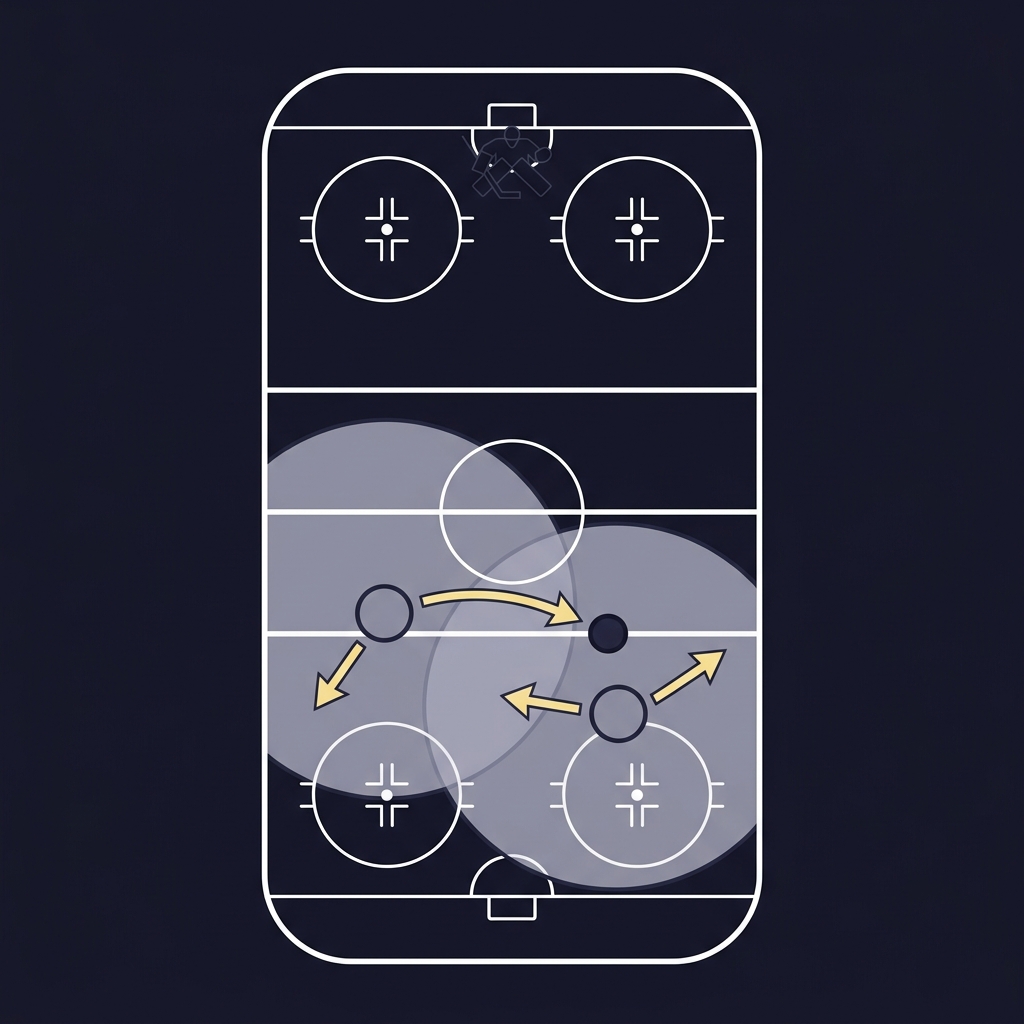
How to track current NHL lines and verify information
Best types of sources to watch
Reliable verification begins with primary sources such as official team roster updates, time-stamped game-day lineups, and beat reporter confirmations. Local reporters often provide the quickest updates on last-minute scratches and role changes, while league transaction pages list roster moves that affect eligibility and lineup choices.
A strong practice is to wait for at least two independent confirmations for last-minute changes. A single unverified mention can be premature; multiple independent time-stamped reports raise confidence that the lineup detail is accurate and actionable.
How to read lineup reports and beat coverage
When reading lineup reports, pay attention to the time stamp and to whether the source provides context for the change. Reports that cite practice observations, coach quotes, or explicit roster decisions are more informative than anonymous tips. Also check if the report notes special teams assignments because these details have outsized impact on single-game expectations.
For those using quick searches such as oddsshark nhl picks to gather commentary, treat aggregated pages as starting points but always confirm with a primary team update or beat account. Keep a small checklist that includes the time stamp, the player slot, and any coach comments so you can track whether a change is confirmed or later corrected.
Summary: reading line combinations like a pro
Recap checklist
Definition, role balance, and deployment matter most. Know whether a combination is a scoring line, a shutdown unit, or a special teams grouping. Track deployment minutes and situational usage rather than relying on single-game highlights.
Pre-game verification checklist: role validation, deployment minutes, injury or scratch confirmation, and power-play impact. Treat aggregate commentary as a research starting point and confirm with primary sources before using line changes in short-term analysis. For ongoing guides and related posts see our blog.
Next steps for further learning
Practice the scenarios in this article by following a handful of teams over several weeks and recording deployment minutes and role changes. Over time you will develop pattern recognition about which line moves are sustainable and which are temporary adjustments.
Finally, remember that historical line names and celebrated trios deserve verification from primary, time-stamped sources before being cited. Use research queries such as famous NHL line combinations verified sources to find authoritative records and avoid repeating unsourced claims. For more on how Funded Plays evaluations work, see this explainer.
Coaches typically number lines by role and priority, such as first line for top scoring trio, but nicknames and named trios should be verified with primary sources.
No, rely on multi-game deployment and usage context to judge sustainability rather than isolated performances.
Verify with time-stamped official team updates or beat reporter confirmations and wait for multiple independent reports for late changes.