

Quick overview: odds of winning nfl and what this article covers
This guide explains how pay for NFL cheerleaders is typically arranged and why exact numbers are hard to state for the whole league. The phrase odds of winning nfl appears here to satisfy search relevance, while the section focuses on structure and verification rather than promising fixed earnings.
What readers will learn
Readers will learn the common components of compensation, the main factors that drive variation between teams, red flags to spot in contracts, and a simple workflow to evaluate an audition or offer.
Why wage information varies and why precise numbers are often hard to find
Pay information often appears inconsistent because teams use different pay models, public reporting is uneven, and many compensation elements are non-cash or episodic. Media anecdotes and isolated reports can give a partial view; this article shows how to interpret those pieces and what to confirm with team representatives.
Begin with the assumption that pay is a package of parts, not a single line item. That package usually includes a base stipend or seasonal payment, per-game or per-appearance fees, reimbursements, and non-cash items such as costumes or professional photos.
The goal here is practical: you will learn how to assemble those elements so you can compare options across teams for your own situation. That helps avoid misreading headlines or extrapolating a single report to all teams.
Use the FundedPlays Challenges approach to structure your evaluation
Download a free pay worksheet template to organize stipend, appearance fees, reimbursements, and estimated hours for any team you research.
How NFL cheerleader pay is structured
Typical components of compensation
Most teams combine several pay components rather than offering a single salary. Common items include a base stipend or seasonal payment, per-game or per-appearance fees, rehearsal or practice pay, and occasional bonuses for special events. Putting those pieces together gives a fuller view of total compensation.
When comparing offers, treat each component separately. A base stipend shows guaranteed seasonal value if provided. Appearance fees add earnings that depend on how many promotions or events the team schedules. Rehearsal pay covers hours needed to prepare, and bonuses may reward extra duties such as holiday events or community work.

How per-event, per-game, and season stipends commonly appear
Teams sometimes pay a per-game fee for home games, a lower fee for non-game appearances, and a separate seasonal stipend. Rehearsal pay may be hourly or a flat session rate. Some organizations also provide travel or costume allowances to offset out-of-pocket costs.
To evaluate the effective value of any offer, list each line item and the conditions that trigger payment. That clarifies which parts are dependable and which depend on a heavy appearance schedule or extra commitments.

Note on terminology: use clear labels when you write your worksheet. Call guaranteed payments a stipend, event-based payments appearance fees, and non-cash items by name so you can add an estimated monetary value if you choose.
Key factors that affect an NFL cheerleader's salary
Market size and team budget
Market size and team financial priorities influence how teams allocate resources to cheerleading programs. Teams in larger media markets often have more sponsorship and promotional activity, which can translate into more paid appearances or larger stipends for squad members.
By contrast, teams that treat cheer squads mainly as community outreach may limit paid appearances or emphasize volunteer-style participation. Checking local reporting and team communications provides clues about where a team falls on that spectrum.
Role, seniority, and special assignments
Within a squad, roles matter. Captains, veterans, and performers with specialized skills or additional responsibilities often receive different compensation or additional appearance opportunities. Promotional team members who represent sponsors can be scheduled more frequently and may receive more per-appearance pay.
When you evaluate an offer, ask how the team defines leadership roles and whether captains or selected performers have different pay, additional time commitments, or extra obligations that affect net benefit.

Common contract types, benefits, and non-cash compensation
Typical contract clauses to expect
Contracts commonly specify a pay schedule, appearance obligations, rehearsal expectations, image-release clauses, reimbursement rules, and termination conditions. Read each clause closely to see what creates obligations versus what triggers payment.
Pay schedules may list seasonal stipends, per-appearance rates, or session pay for rehearsals. Appearance obligations should state how many promotional duties the team expects and whether travel to off-site events is required. Image-release clauses can allow the team to use your likeness for marketing without additional pay in many cases.
Non-cash perks and how to value them
Non-cash items often factor into total compensation. These may include costume or uniform allowances, travel covered for out-of-town events, professional photos, and media exposure. These items have value, but they do not replace cash when you need to pay bills or cover regular expenses.
To compare offers, estimate a reasonable dollar value for non-cash perks and list them separately from cash payments. That helps you decide whether a higher exposure opportunity offsets lower direct pay, or whether direct compensation is preferable for your situation.
Watch for restrictive clauses that limit outside work or require you to grant broad usage rights to images without separate compensation. Those limits affect the true value of an offer and may constrain how you monetize experience elsewhere.
How teams and markets influence pay and opportunity
Why team culture matters
Team culture shapes how organizers prioritize cheer programs. Some franchises invest heavily in promotional events and community appearances, creating more paid slots for performers. Other organizations focus on a modest presence, treating squads primarily as symbolic or community-oriented participants.
Expect variation across markets and over time. Sponsorship deals, local demand for appearances, and the team public relations strategy can all shift how much paid activity is available in a season.
Treat single reports as starting points. Break compensation into clear components, verify terms with team communications, and use a worksheet to compare net value and time commitment before forming conclusions.
When researching teams, look for press releases, local media coverage, and sponsor activity to understand how the team positions its cheer program and whether that aligns with your goals for pay, exposure, or community engagement.
Consider also how media market size affects promotional frequency. Larger markets typically support more corporate events and media appearances, which in turn can increase the number of paid opportunities for squad members.
Typical pitfalls and misunderstandings about cheerleader pay
Common myths
A common misconception is that all NFL cheerleaders earn a single uniform salary. In reality, compensation is often a combination of stipends, appearance fees, and non-cash benefits, and it varies by team and by role within a team.
Another misunderstanding is assuming that media reports about one team apply to all teams. Reports and anecdotes can highlight extremes but do not represent a consistent league standard. Treat single reports as a starting point for direct verification rather than proof of a general rule.
Questions journalists and readers often get wrong
People sometimes confuse taxable status with take-home pay. Whether a payment is issued as an employee paycheck or as a contract payment affects tax withholding and reporting, but it does not change whether the money is considered income under tax law.
Also watch for leaked or partial reports that omit non-cash benefits or rehearsal pay. Those omissions can make a package look smaller than it truly is, or conversely make episodic income look like guaranteed compensation.
How to evaluate a cheerleading offer or audition
Checklist to use when comparing teams
Use a short checklist to compare offers side by side: list all cash components, list non-cash benefits you care about, estimate hours for rehearsals and appearances, confirm reimbursement policies, and review image-use terms and dispute procedures.
Turn the items on that checklist into the columns of a simple spreadsheet. That makes it easier to compute an effective hourly figure for each option, compare net value across teams, and record open questions to ask team representatives.
Questions to ask during negotiation
Ask specific questions about pay triggers, payment schedule, rehearsal expectations, the exact number of expected appearances, reimbursement rules for travel, and how the team uses images and social media content. Clarify who covers costume costs and whether additional responsibilities carry extra pay.
Factor time commitment into your evaluation. An audition contract may look attractive in headline numbers until you account for rehearsal hours, travel time, and unpaid promotional expectations.
a simple spreadsheet calculator to estimate effective hourly pay and seasonal totals
Fill Number of appearances based on team estimates
Real-world scenarios and example calculations
How to build a hypothetical pay worksheet
Start with labeled rows for each pay component: stipend, per-appearance fee, rehearsal pay, reimbursed expenses, costume or equipment costs, and bonuses. Add columns for your own estimate of how many appearances and how many rehearsal hours you expect in a season.
Use the calculator logic shown earlier to compute an effective hourly rate. The point is to compare packages, not to produce league-wide averages. Different inputs will show why a high-appearance schedule and strong reimbursement policies can raise effective hourly pay even when a base stipend is small.
Sample scenarios: rookie season, captain role, high-appearance schedule
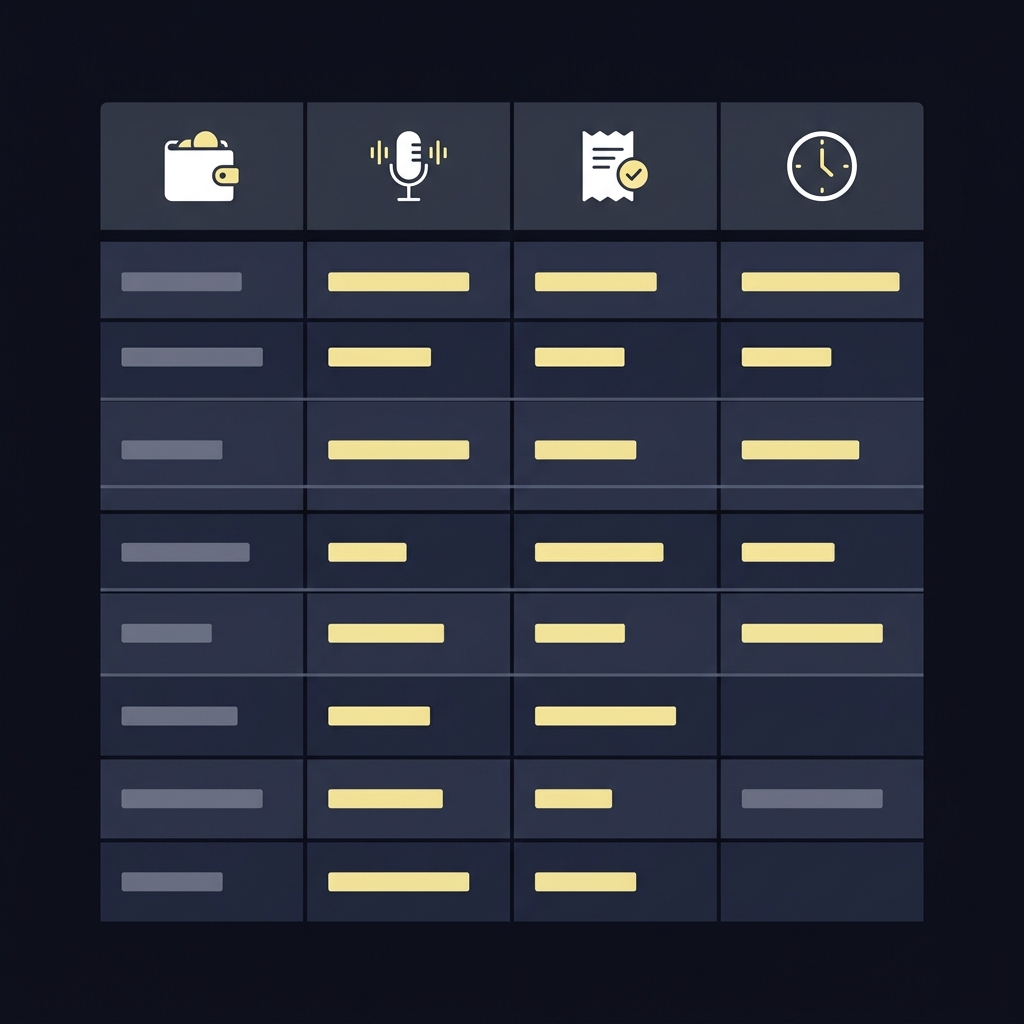
Scenario labels help compare tradeoffs. For a rookie season, you may expect more rehearsal hours and fewer paid appearances. For a captain role, expect leadership time and possibly additional obligations that could be compensated differently. A high-appearance schedule increases event fees but also increases travel and time costs.
For each scenario, list which variables change most. Rookie scenarios tend to have more training hours; captain roles often add leadership responsibilities and visibility; high-appearance schedules change the balance between stipend and appearance-based income. Use the worksheet to see which scenario fits your goals.
Legal, tax, and labor considerations
How taxes and reporting typically apply
This section offers general information and not legal or tax advice. Consult a tax professional for your specific situation.
Payments for cheer work are income and usually must be reported. Whether a team classifies you as an independent contractor or an employee affects withholding, benefits, and protections. Pay attention to how the team issues payments and whether they provide tax forms.
Overview of labor and classification risks
Misclassification can have consequences for both pay and legal protections. Some jurisdictions have specific rules for event workers or performers. If classification is unclear, asking for written clarification or seeking professional advice can prevent unexpected liabilities.
If an agreement restricts outside work, require image rights without compensation, or imposes heavy penalties for missed appearances, note those clauses and consider asking for adjustments or written exceptions. When in doubt, consult a labor attorney or an experienced advisor.
Conclusion: making informed choices as an aspiring NFL cheerleader
Key takeaways
Pay varies across teams and roles. Evaluate offers as a bundle of cash payments, non-cash benefits, and time commitments rather than a single salary figure. Use a worksheet to compare options and to compute an effective hourly rate that reflects rehearsal and appearance time.
Next steps for readers
Research specific teams by reading team announcements, local media stories, and sponsor activity. Prepare questions about pay triggers, reimbursements, image rights, and expected hours before auditions. Consider the broader value of experience and networking, but make decisions grounded in clear comparisons.
Making an informed choice starts with clear documentation. Use your checklist and the calculator format provided earlier to turn uncertain reports into concrete figures you can compare across teams.
No. Payment models vary by team and can include stipends, per-appearance fees, reimbursements, and non-cash benefits that differ across franchises.
Yes. Costume allowances, travel coverage, and media exposure have value but should be listed separately from cash so you can compare offers clearly.
Seek professional advice if classification, image rights, or restrictive clauses are unclear, or if the financial implications are significant for your situation.
References
- https://www.fundedplays.com
- https://www.fundedplays.com/blogs
- https://www.fundedplays.com/blogs/how-fundedplays-evaluations-work
- https://www.fundedplays.com/challenges
- https://www.nbcsportsboston.com/nfl/new-england-patriots/do-nfl-cheerleaders-get-paid-heres-how-much-the-average-salary-is/265895/
- https://www.hollywoodreporter.com/tv/tv-news/americas-sweethearts-dallas-cowboys-cheerleaders-nfl-cheerleader-pay-1235939540/
- https://www.si.com/nfl/nfl-cheerleader-salaries-how-much-do-they-earn-per-game-season