
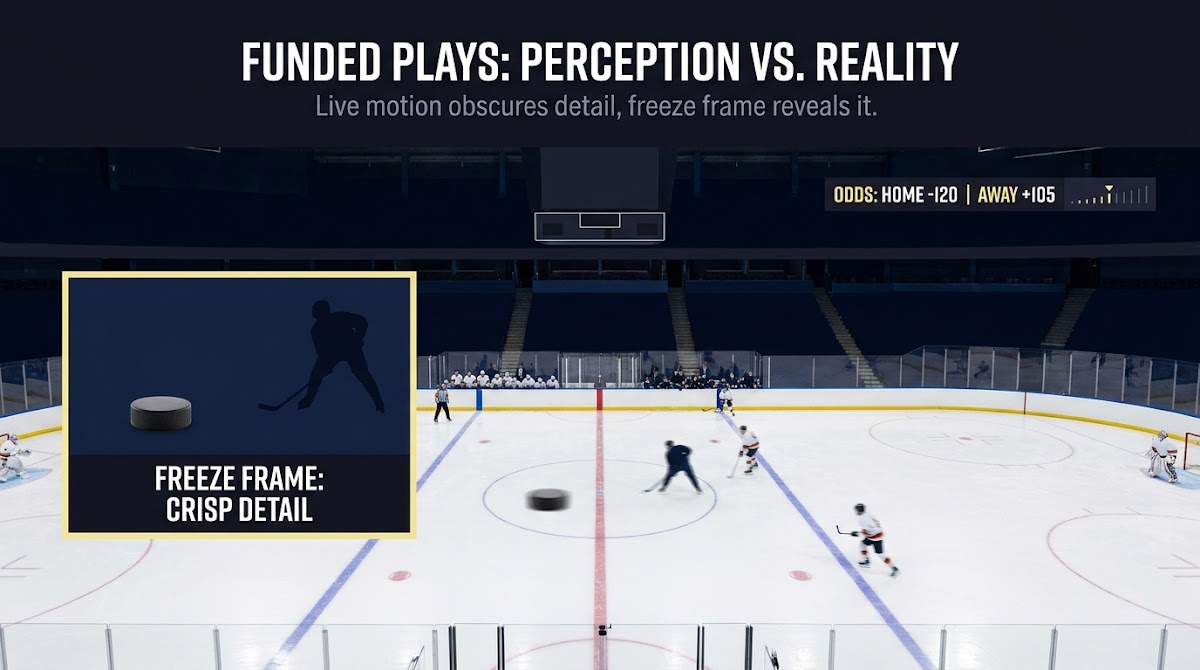
Understanding nhl line movement: did the NHL move the blue line?
The phrase nhl line movement often appears when fans notice a replay that seems to change where the blue line sits or how offside is called. In many cases the observation is about interpretation and perception rather than a formal change to rink markings or to the offside rule. This section lays out a neutral summary and explains how the article will separate confirmed rule changes from visual effects and officiating practice.

People ask whether the NHL moved the blue line because a particular play looked offside under one view but onside under another. That can be unsettling for casual viewers and for analysts who use zone-entry data. This piece will not assert any unreferenced rule change. Instead it will explain the common reasons that give the impression of movement, identify the official places to check for an actual rule amendment, and provide a stepwise approach to verify claims and adjust any models or coverage you maintain.
The goal is to equip readers with practical checks and a calm framework so that reactions online can be measured and evidence based. We will mention common visual pitfalls, how officials and video review treat these issues, and what would need to happen for an official change to be real and binding. Readers should expect clear examples, a verification checklist, and short guidance on adapting analytics if interpretation changes over time.
What 'nhl line movement' usually refers to in hockey discussion
In everyday talk the term nhl line movement can mean several things. Some people mean a literal change to the painted blue line on the ice. Others use it as shorthand for shifts in how the offside plane is interpreted by officials or by replay systems. Separating the literal from the interpretive use of the phrase is the first step to understanding any claim.
Literal blue line placement is a physical rink marking that defines zone boundaries. The offside plane is an interpretive construct used to judge where players are relative to that boundary at the moment a teammate carries the puck across. Broadcasters, overlays, and freeze frames can make the plane look different from one angle to another. For that reason, a perceived change is often a perceptual artifact rather than a policy revision.
When discussing these topics, it helps to use plain language: call the painted stripe the blue line and call the invisible reference used by officials the offside plane. That distinction makes it easier to state whether a claim is about paint, interpretation, or officiating practice. It also reduces the chance someone misreads an argument about camera angle as an accusation of rule tampering.
Official NHL rules and how they define the blue line and offside

The NHL rule structure defines how play is organized around zones and offside in clear procedural terms. The rulebook describes where zone boundaries are and how officials should apply those lines when judging play. A claim that the league moved the blue line would require a documented amendment or an official communication describing the change.
For readers who want to confirm a rule text or an amendment, there are structured places to look and ways to compare versions. Use primary sources when possible and note the date of any rulebook you consult. If you track interpretations over time, record the effective date of any change so you can map it to your event-level data.
Quick list to check rule text and multi angle replays before concluding
Save timestamps and sources
Official rule changes are announced and dated. If you need certainty, check the rulebook updates and the current published rulebook and compare versions.
How officials and video review treat line movement and offside challenges
Understanding how calls are made helps explain why perception and reality can diverge. Linesmen on the ice are responsible for the initial offside determination, using their view of the play and their position on the ice. When a close play is unclear, the video review process and coach challenges allow for replay-based confirmation or reversal.
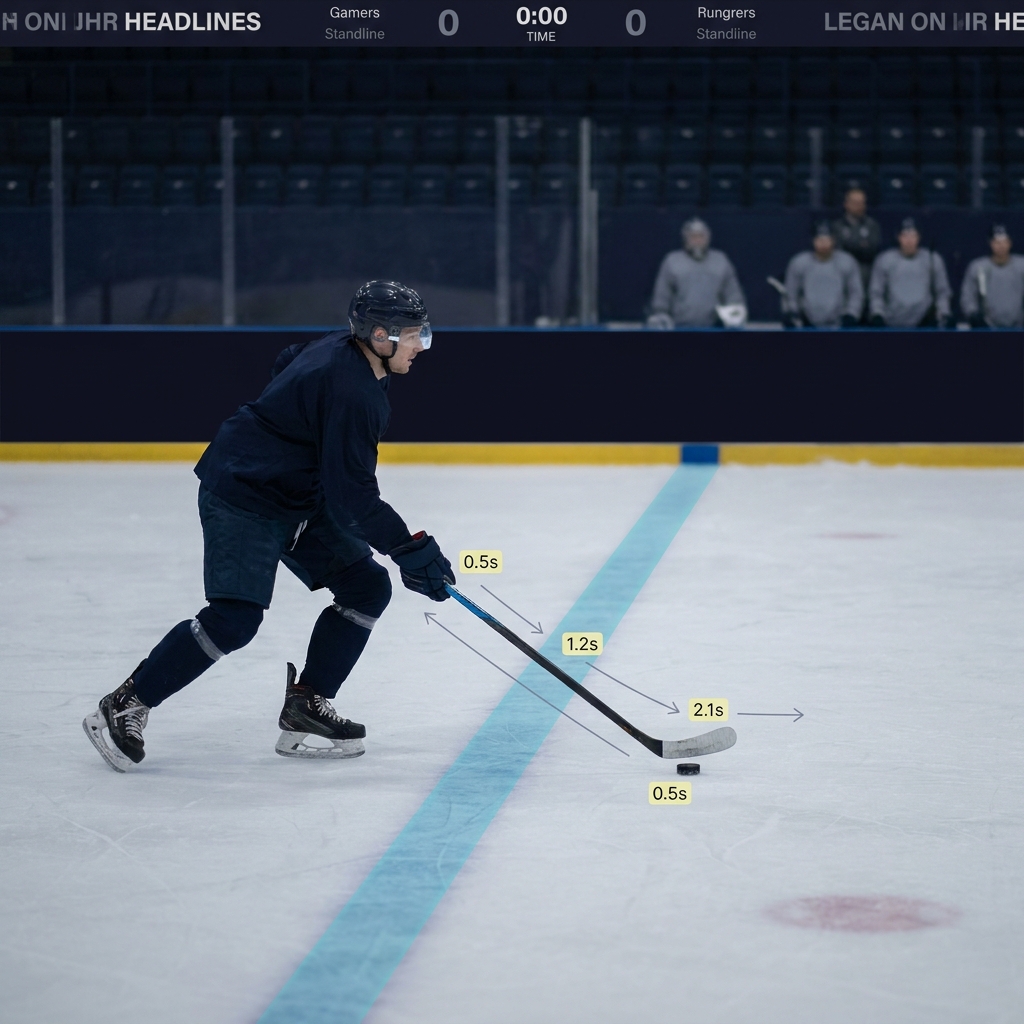
Video review is designed to provide additional angles and slow motion to clarify player position relative to the offside plane. Because the replay examination depends on available camera angles and synchronized timing, different replays sometimes yield different-looking results even though the physical markers have not changed. That is an operational reality rather than a change in where the blue line sits.
When discussing these procedures, remember that linesmen, replay officials, and the coach challenge system are parts of a process that prioritizes fairness and clarity. Their tools are limited by camera coverage, and interpretations can differ slightly depending on angle and frame selection. That context helps explain why viewers sometimes conclude that the line was moved.
Common scenarios that make it look like the NHL moved the blue line
Several recurring factors create the impression of line movement. A steep camera angle can foreshorten distances and make an onside player look offside. Lens type and broadcast cropping can shift perceived alignment between players and painted markings. Slow motion and freeze frames can exaggerate tiny timing differences and make the offside plane appear inconsistent across replays.
Test your verification skills with structured challenges on the FundedPlays Challenges page
If you see a clip claiming a changed blue line, pause and compare multiple angles before sharing. Verify timestamps and context rather than relying on a single freeze frame.
Rink-level variations like different lighting, dasher board graphics, and even ice resurfacing patterns can also change how the blue line reads on screen. Most arenas adhere to standard rink markings, but camera placement and arena sightlines create variable impressions for viewers. That is why the same play can look different on replay and in the arena.
Another common cause is misreading the moment of puck possession. Offside depends on the timing of the puck carrier crossing the plane, not solely on a later frame where the puck or a player may have moved. When a clip isolates a single frame without the lead-up, it can misrepresent the timing that linesmen used to make a call.
How line movement affects scoring, offside calls, and analytics
Perceived or actual differences in how the offside plane is enforced matter for scoring and for analytic pipelines. An overturned goal or a sustained review affects play continuity, and inconsistent visual interpretation can introduce noise into datasets that track zone entries, offside events, and scoring chances.
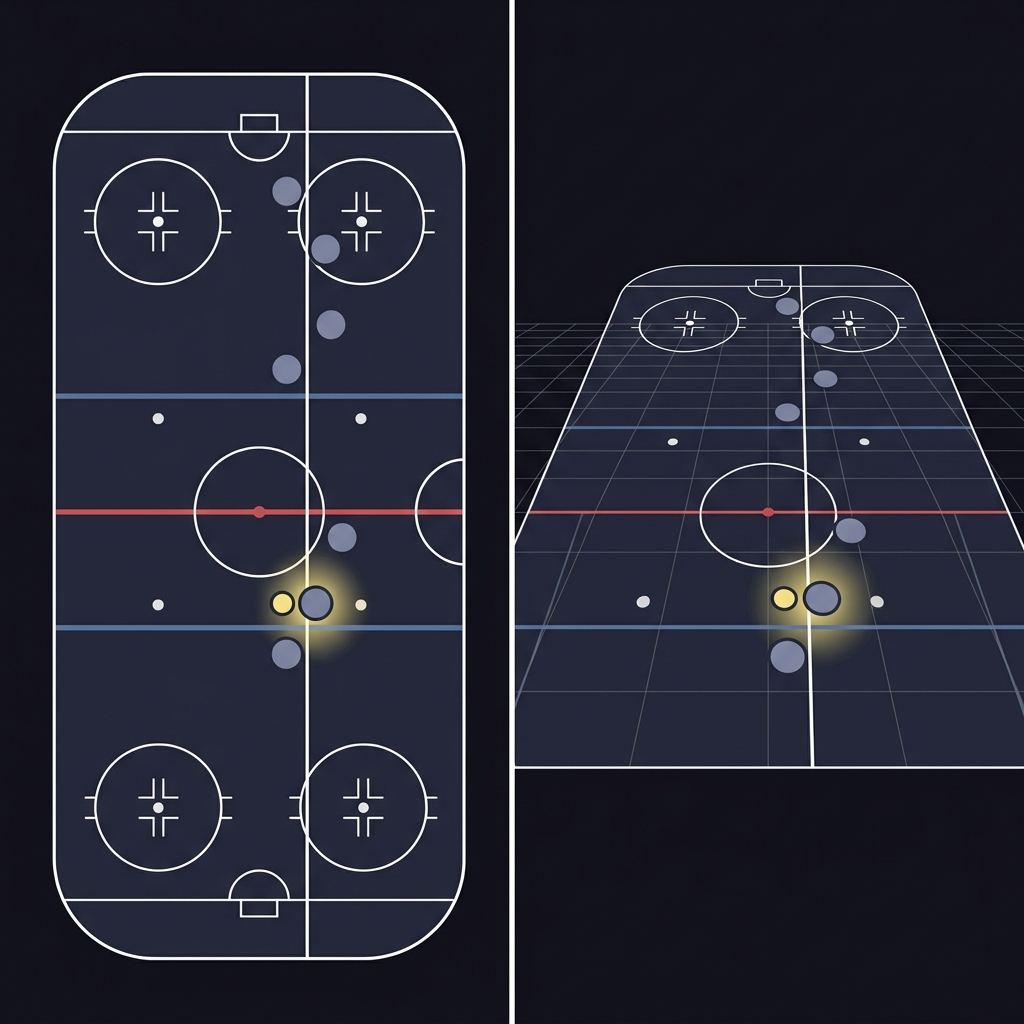
For analysts, the important discipline is to document the source and context of any anomalous event before adjusting models. If you see a cluster of plays that look different, collect the evidence first: game ID, time, replay angles, and any league communications. That evidence helps determine whether an apparent pattern is a real shift in enforcement or a temporary artifact of coverage and replay practice.
If line interpretation were to change in practice, modelers should treat the change like any other regime shift. Tag the period when the interpretation appears and run sensitivity tests on key parameters. Conservative adjustments and clear versioning of models reduce the risk of overreacting to noise in the short term.
How to tell if a blue line shift is a rule change, an officiating call, or a visual effect
Use a short checklist when you encounter a claim that the NHL moved the blue line. First, ask whether the claim refers to painted markings, to an interpretation of the offside plane, or to referee enforcement. Second, check for an official announcement or dated memo. Third, compare multiple camera angles and the lead-in to the play. Fourth, save the clip with timestamps and metadata so you can reference it later.
Do not rely on a single freeze frame. Look for corroborating evidence and for official confirmation before accepting a claim. If you plan to share the clip publicly, note the limitations of what the footage shows and avoid definitive language when the evidence is incomplete.
Most reports that suggest the NHL moved the blue line reflect perception, officiating interpretation, or replay artifacts rather than an announced rule change; verify with the official rulebook and league communications before concluding otherwise.
Sources to consult include the published rulebook, official league communications, and the broadcast replay package. If none of these show an amendment or a clear replay consensus, treat the report as unconfirmed and proceed cautiously in analysis and commentary.
Decision framework: how to assess claims about 'nhl line movement'
A structured evaluation helps separate noise from signal. Step one, clarify what is being claimed: a change to the paint, a new interpretation of offside, or an altered enforcement pattern. Step two, seek primary source confirmation. Step three, compare full-play replays from all available angles and check the exact game time and frame. Step four, ask whether similar plays in other games show the same pattern. Step five, decide whether the evidence warrants treating the event as a one-off, a coverage artifact, or the start of a broader shift.
Weight your evidence by its closeness to primary sources. An isolated fan clip has low evidentiary value by itself. An official memo or a consistent pattern across multiple games carries far more weight. When in doubt, document what you saw, label it uncertain, and wait for further confirmation before changing coverage or models.
A practical note for stakeholders who rely on historical data is to maintain a simple change log. Record the dates and descriptions of any interpretation shifts you adopt in models. That log helps explain past prediction performance and prevents retroactive overfitting to apparent changes that later prove to be artifacts.
Typical mistakes fans and commentators make when claiming the NHL moved the blue line
One predictable error is forming a conclusion from a single clip. Confirmation bias leads people to notice examples that support a favored narrative and to ignore counterexamples. Another frequent mistake is trusting slow motion without considering how frame selection changes time context. Freeze frames can misrepresent the actual sequence that the linesman used to make a call.
Avoid equating viewer perspective with official perspective. A camera angle that looks authoritative on TV may not match the linesman s vantage point. Also avoid amplifying tentative claims as fact when sharing on social platforms. Use cautious language and state which elements of the clip you verified and which you did not.
Finally, analysts sometimes overcorrect their data pipelines after seeing a dramatic clip. That can introduce bias if the change was a one-off. Use documented patterns and multiple examples before you reweight historical data or change model parameters.
Practical examples: play-by-play scenarios and how to evaluate them
Example A, a late-zone entry that looks offside on a close freeze frame. Step through the checklist: check the full sequence of frames leading to the entry, compare two or three broadcast angles, note the exact game clock, and save the clip with that metadata. If the line s position and the puck timing are ambiguous, label the event as disputed rather than as definite evidence of a rule or enforcement shift.
Example B, broadcast camera distortion producing a false impression. A wide-angle lens near the boards can make near and far objects converge differently. In that case the supporting evidence would show the same entry looks different from an overhead or center-ice angle. If multiple angles consistently show the same alignment, the evidence becomes stronger. If not, treat the claim as a visual artifact.
When sharing either example on social media, use measured wording. State the elements you verified, use phrases like appears or under this angle, and invite others to submit alternate views or footage. That approach helps prevent spreading an unverified conclusion and encourages collaborative verification.
How teams, coaches, and the league typically respond to alleged blue line changes
When a claim gains traction, teams or coaches may issue comments to clarify their perspective, and the league may provide a statement if the issue concerns rules or enforcement. Official clarifications and league memos are the authoritative sources for any rule change. Team commentary can provide context but cannot substitute for a formal league announcement.
Expect that the league will document any substantive changes with dates and effective language. If a reported change does not come with that type of documentation, it is likely an interpretation or coverage issue rather than a formal amendment. That procedural reality keeps the distinction between public commentary and official rulemaking clear.
What would need to happen for the NHL to officially move the blue line
An official change would require a league process that results in a dated announcement and an updated rulebook or guidance memo. Practical impacts of such a change would include updated officiating directives, possible changes to rink standards or broadcast overlays, and an adjustment period for teams and data providers to reconcile historical statistics with the new interpretation.
For stakeholders who rely on historical data, an official change should trigger a versioning step in datasets so that analysts can compare apples to apples. Until the league posts an explicit amendment, assume that painted rink markings and the offside definition remain as published and documented by the official rule sources.
How to adapt your analysis and predictions if line interpretation changes
If interpretation or enforcement appears to shift, proceed methodically. Tag the date you believe the shift began. Run sensitivity tests that alter key parameters such as offside penalty frequency and successful zone entries. Compare model outputs before and after the tagged date and evaluate performance changes cautiously.
Document assumptions and maintain model versioning. Keep an annotated archive of plays you used to justify adjustments. That record helps explain performance changes and supports transparent communication with any audience that follows your forecasts or rankings.
Finally, prefer conservative adjustments until a consistent multi-game pattern emerges. Abrupt model changes based on a small sample risk degrading predictive quality if the observation later proves to be a coverage artifact.
Key takeaways and next steps for fans and analysts
Keep the verification checklist handy: identify whether a claim is about paint, interpretation, or enforcement; check official communications; compare multiple angles; save clips with timestamps; and document your conclusion. Prioritize primary sources and avoid definitive statements when evidence is incomplete.
For analysts, maintain versioned data and run sensitivity tests before changing model inputs. For fans, avoid amplifying unverified claims and invite collaborative verification by asking others to share alternate angles or game footage. That measured approach helps the community reach accurate conclusions and preserves the integrity of analysis and conversation.
There is no reason to accept that without an official league announcement; verify rulebook and league communications before concluding a change occurred.
Camera angle, lens distortion, and frame selection can make the same play look different across replays, which can affect perceived offside judgments.
Tag the date, run sensitivity tests, and use conservative model updates until multiple games confirm a consistent pattern.
References
- https://www.fundedplays.com/challenges
- https://www.fundedplays.com
- https://www.fundedplays.com/blogs
- https://www.fundedplays.com/blogs/how-fundedplays-evaluations-work
- https://scoutingtherefs.com/2025/09/49364/nhl-rule-book-updates-for-2025-26/
- https://records.nhl.com/history/historical-rule-changes
- https://www.nytimes.com/athletic/6340198/2025/05/08/nhl-offside-faceoffs-rules-court/