
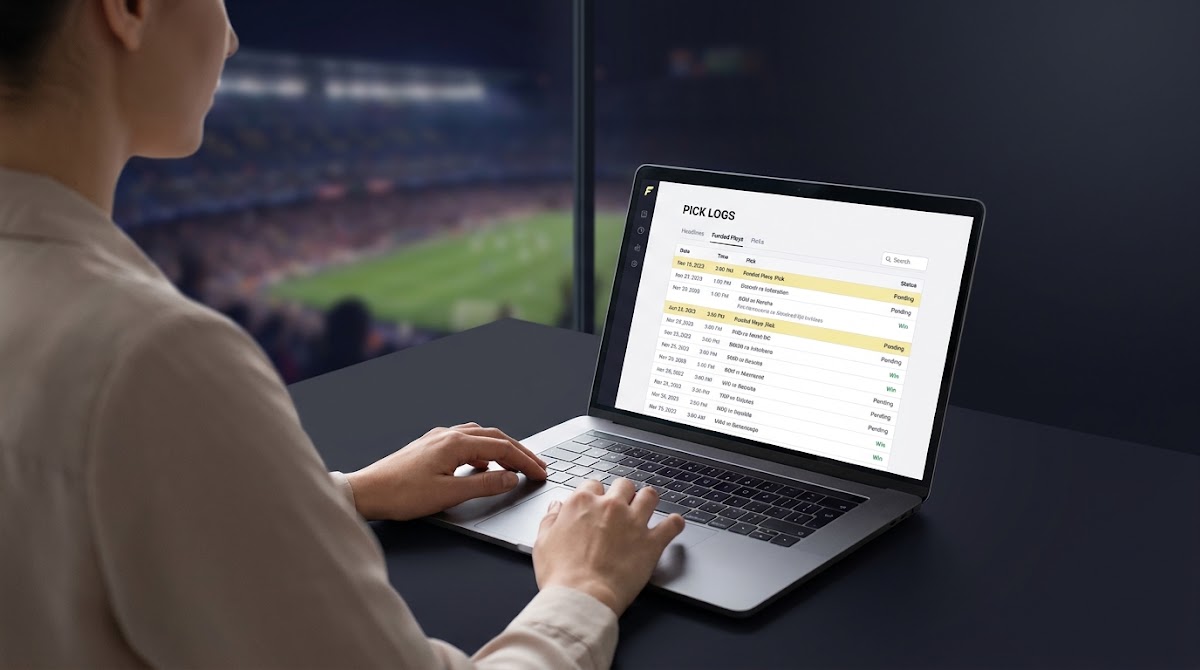
What we mean by 'best' NFL betting advice
When people ask who gives the best nfl betting advice they usually mean: whose guidance produces a reproducible, long-term edge after real costs and constraints. That phrasing separates short-term win rate claims from durable skill and sets the expectation that proof should be verifiable and repeatable.
A helpful rule of thumb is to ask what evidence would convince you a provider has skill rather than luck. Credible evidence includes timestamped records, independent trackers, and disclosure of methodology and stake sizing. Regulators treat truthful, substantiated claims and clear disclosures as a baseline expectation for public claims, so compliance is itself a sign you can start from rather than a marketing detail FTC's Endorsement Guides.
Different delivery formats change what proof looks like. A single handicapper with a small public run needs a different verification bar than a subscription model or an algorithmic product. Community consensus, model ensembles, subscription tip services, and individual handicappers each present distinct reproducibility challenges, and you should judge them using criteria tied to format rather than eyeballing headline win rates.
Short-term win rates can be noisy. What matters is whether the approach produces a persistent edge when you account for fees, limits, and the realities of execution. A single good season does not itself prove skill, and a clear definition of 'best' focuses on long-term, net performance rather than flashy short-term numbers.
The best advice is identifiable by reproducible, timestamped proof, consistent Closing Line Value over large samples, transparent methodology, and net performance after realistic costs; use independent trackers and a small trial to verify claims.
Why independent, timestamped proofing matters
Timestamped proofing means published picks and results include an auditable time that shows when a selection was made relative to market prices. That order of events matters because it prevents simple cherry-picking and helps reproduce whether a claimed edge was possible for a subscriber to take. Specialist reviewers recommend timestamped, third-party logs as stronger evidence than screenshots or reconstructed tables.
Public trackers and third-party logs make it possible to check that picks were posted before line movement and to compare listed odds to archived markets. Independent proofing reduces the risk that a provider selectively published only the winning runs while omitting losing periods, and it helps you measure whether a claim holds across multiple seasons rather than one isolated sample How we proof and verify tipsters: a 2024 checklist for bettors.
Survivorship bias is common in tip reporting: successful records survive and failing services drop away or hide their history. That is why multi-season samples and large sample sizes are standard verification requests from careful reviewers. Look for timestamped histories spanning several seasons and hundreds of selections rather than a brief, cherry-picked snapshot.
Metrics that actually indicate long-term skill
Closing Line Value, or CLV, is one of the most practical metrics for long-term skill because consistently beating the closing price is difficult and difficult to game. CLV captures whether a tipster routinely posts prices that are better than where the market closes, which correlates with sustainable edge when measured over large samples What is Closing Line Value and why it matters. See a practical CLV primer at BoydsBets.
Net performance after subscription costs, transaction friction, and realistic stake sizes is what ultimately determines whether advice is valuable to you. A service that shows a positive gross win rate but requires odds or stake levels that are impossible for most subscribers will deliver little real benefit. Ask for net metrics or calculate net expectation from published records and your typical book prices.
Verify before you subscribe
Download a one page verification checklist that lists the minimum proof to accept: timestamping, CLV summary, independent tracker link, and net after fees.
Sample size is critical. Small samples let variance dominate and can make poor methods look good in a single season. As a rule of thumb, the more selections and the more seasons that show consistent CLV and net outcomes, the more confidence you can have that an observed edge is not random.
Practical interpretation also requires realism about stake sizing. Public proof that assumes outsized stakes or optimised stakes that trigger limits is much less useful than proofs that use conservative, replicable units. Insist on examples that show how stake logic works at ordinary bettor sizes.

How to read and verify published records
Start by checking timestamps and cross referencing with independent trackers or archived odds. If a pick is timestamped, verify that the posted time came before any major line movement and compare the claimed odds to the archived market. Independent tracking sites and archived odds let you reproduce the conditions a subscriber would have faced when the pick was placed. For practical CLV tracking steps see How to Track Closing Line Value.
Ask a provider for simple, reproducible details: the stake size used for each selection, how voids and cancelled bets are handled, and whether results show gross and net returns. A transparent methodology section that explains selection rules and stake sizing is a strong signal that the provider expects scrutiny and reproducibility.
Watch for edited histories and selective reporting. Reputable trackers and reviewers publish raw exports or timestamped feeds that show full lists of selections including losers, voids, and push results. If a provider cannot or will not supply a timestamped export, treat that as a red flag and proceed with caution until independent verification is possible NFL Expert Picks Accuracy.
Costs, limits and execution frictions that kill an edge
Subscription fees, account limits, and line movement are common frictions that can erode a claimed edge. A service may show a positive record on paper while subscribers encounter worse pricing, pushed limits, or delayed notifications that make the edge vanish in practice.
When evaluating a paid service, estimate net performance after subscription costs and realistic book prices. Run a simple sensitivity test: subtract your expected subscription fee from the published edge and compare outcomes under conservative stake assumptions.

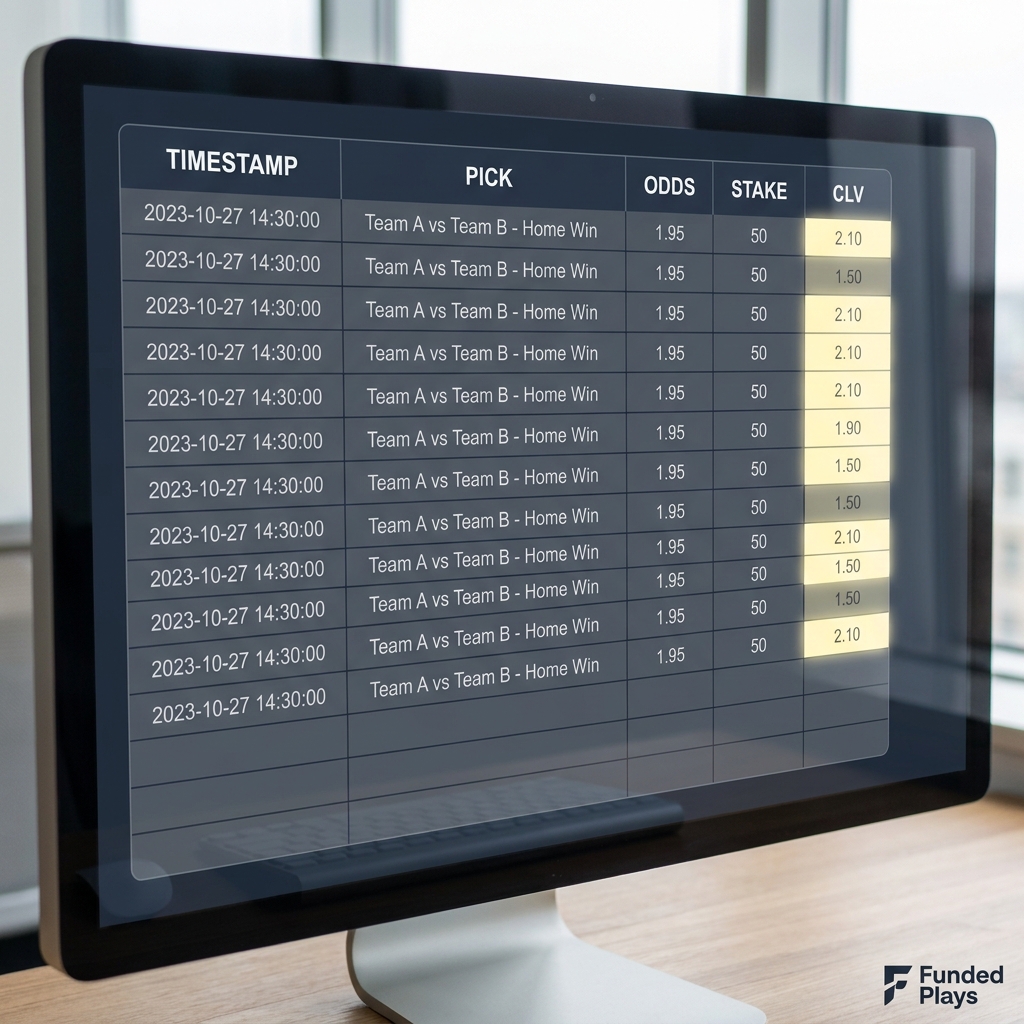
Execution matters. Large or late-moving public picks can shift market prices quickly, and some steered odds in public channels can disappear for retail users. Look for proof that addresses these execution realities and ask whether the provider or their reviewers account for limits and shifting lines in net calculations.
Try to find services that provide public time stamps and show that their picks consistently beat the close across books that typical subscribers actually use. If a provider only posts after the market has moved or their selections require unusual account relationships to reproduce, treat that as a material concern.
Using aggregation and consensus as a baseline
Research on forecasting tournaments shows that well designed aggregation or model ensembles can match or exceed individual experts, and that consensus forecasts make a useful low cost benchmark when judging paid services What we learned from 2024 forecasting tournaments.
To build a simple consensus baseline, collect several independent public forecasts or odds, normalise stake units, and calculate an aggregated recommendation. Use that baseline to judge whether a paid provider consistently adds value above collective wisdom rather than simply following popular lines.
Aggregation is not a magic solution. It helps set expectations and reveals when many sources converge, but expert models still add value when they bring unique data or structural advantages. Treat consensus as a benchmark rather than a replacement for careful proofing.
Common statistical traps and survivorship bias
Survivorship bias appears when only successful histories are published or when failed services quietly disappear. That pattern inflates perceived performance because the surviving records are a non random subset of all attempts. Be skeptical when you see success stories without full, timestamped histories.
Small sample noise and cherry-picking are equally dangerous. A run of lucky outcomes in a single season can look compelling until variance is viewed over multiple seasons. Simple checks like looking for consistent CLV and varied conditions over time help separate skill from noise.
a simple logging template to record picks and reproduce proof
keep one row per selection
Red flags include edited spreadsheets, missing voids, absence of negative runs, or claims that cannot be reproduced by matching timestamps to archived markets. If a provider resists publishing raw, timestamped exports for independent checks, that resistance is itself an evidence point to factor into your decision.
Practical checklist: questions to ask before subscribing
Require timestamped, multi season records with an independent tracker reference. If a provider cannot point to an auditable feed or third party tracker, assume you will not be able to reproduce their claimed edge.
Ask for a CLV summary and net results after reasonable subscription costs and stake sizes. If a provider posts only gross win rates without CLV or net numbers, ask why and be prepared to discount headline claims How we proof and verify tipsters: a 2024 checklist for bettors.
Look for clear disclosures and a documented methodology. The existence of structured stake rules, a stated void handling policy, and historical timestamps are practical minimums that make independent verification feasible How we proof and verify tipsters: a 2024 checklist for bettors.
Case scenarios: judging different provider types
Individual handicappers with small public records need a higher skepticism bar. Ask for independent timestamped proof covering several seasons and at least a moderate number of selections. If the public run is brief, treat it as suggestive rather than decisive, and use a short trial protocol before committing funds.
Analytics subscription services should provide methodology, backtest transparency, and live proof with timestamps. Backtests are useful but can be prone to overfitting; favour services that show live, timestamped performance and CLV summaries rather than only in sample backtest results.
Community or consensus platforms can be a cost effective benchmark. Use consensus forecasts as a baseline to evaluate whether a paid service adds incremental value. If a subscription rarely beats the consensus baseline net of fees and execution friction, its value proposition is weak NFL Expert Picks Accuracy.
How to trial a service and keep risk tiny
Use a small bankroll test with independent logging and predefined loss limits. Set aside a trial unit sized to an amount you can afford to lose, publish your copies of every trial pick with timestamps, and compare your achieved prices to the provider’s claimed prices to measure slippage and execution differences.
Measure CLV during the trial by tracking the difference between the price you obtained and the close. If claimed edges vanish once you include subscription costs and the slippage you actually face, escalate caution or stop the trial early according to your loss limits.

Define a clear stop condition before you start. For example, a maximum permitted drawdown in the trial or a set time horizon of several weeks will prevent escalation and emotional doubling down. Record everything so you can reproduce your results and compare them to published histories.
Regulatory and advertising rules to watch for
U.S. guidance on endorsements expects claims to be truthful, substantiated, and accompanied by clear disclosures when influencers or tipsters are compensated, which makes verifiable records and transparent disclosures a legal and practical baseline for evaluating public claims FTC's Endorsement Guides.
UK guidance from advertising authorities highlights similar expectations for gambling tipsters, requiring that performance claims be substantiated and that consumers are not misled by selective reporting. Clear disclosures make a service easier to verify and reduce the chance of undisclosed bias Gambling: Tipsters and betting systems.
Red flags and when to walk away
Immediate warning signs include unverifiable screenshots, no timestamps or independent tracker links, and small sample sizes presented as definitive. If you cannot reproduce a service’s record by matching timestamps and archived odds, do not rely on its promises.
Also watch for pressure tactics and claims of guaranteed profits. These are marketing signals rather than evidence of skill. A disciplined verification process will help you walk away early if the evidence does not meet minimum standards.
Key takeaways and next steps
Demand timestamped histories, CLV summaries, and net results after reasonable subscription costs before paying. Use consensus aggregation as a benchmark and run a small, logged trial to test execution and slippage for your own accounts. For more on how Funded Plays approaches evaluations see how Funded Plays evaluations work.
Prioritise services that publish reproducible evidence and comply with disclosure rules rather than those that rely on marketing screenshots or selective highlights. Past performance is not a guarantee and responsible participation means testing claims conservatively.
When you find a provider that meets the minimum standards, start small, monitor CLV and net outcomes over time, and be prepared to stop if reproducible evidence does not match promised results.
Closing Line Value is a practical proxy for long term skill because consistently beating the close is hard to achieve and tends to indicate a real edge when measured over large samples.
Timestamped proofing shows when selections were posted relative to market movement, which helps reproduce whether a claimed edge was available to subscribers and reduces cherry picking.
Consensus forecasts are a low cost baseline that can match expert performance in many cases, but expert models may still add value when they provide unique data or structural advantages.
References
- https://unabated.com/articles/nfl-betting-post-mortem-analysis
- https://www.ftc.gov/business-guidance/resources/ftcs-endorsement-guides-what-people-are-asking
- https://smartbettingclub.com/blog/how-we-proof-and-verify-tipsters-a-2024-checklist/
- https://www.pinnacle.com/en/betting-articles/Betting-Strategy/closing-line-value-explained/
- https://www.boydsbets.com/closing-line-value/
- https://pikkit.com/blog/how-to-track-closing-line-value-clv-in-sports-betting
- https://nflpickwatch.com/experts/accuracy
- https://www.fundedplays.com/blogs
- https://www.fundedplays.com/challenges
- https://goodjudgment.com/2024-forecasting-tournaments-aggregation/
- https://www.asa.org.uk/advice-online/gambling-tipsters-and-betting-systems.html
- https://www.fundedplays.com/blogs/how-fundedplays-evaluations-work
- https://www.fundedplays.com