
What NBA award odds actually measure
Short definition: odds as aggregated market expectations
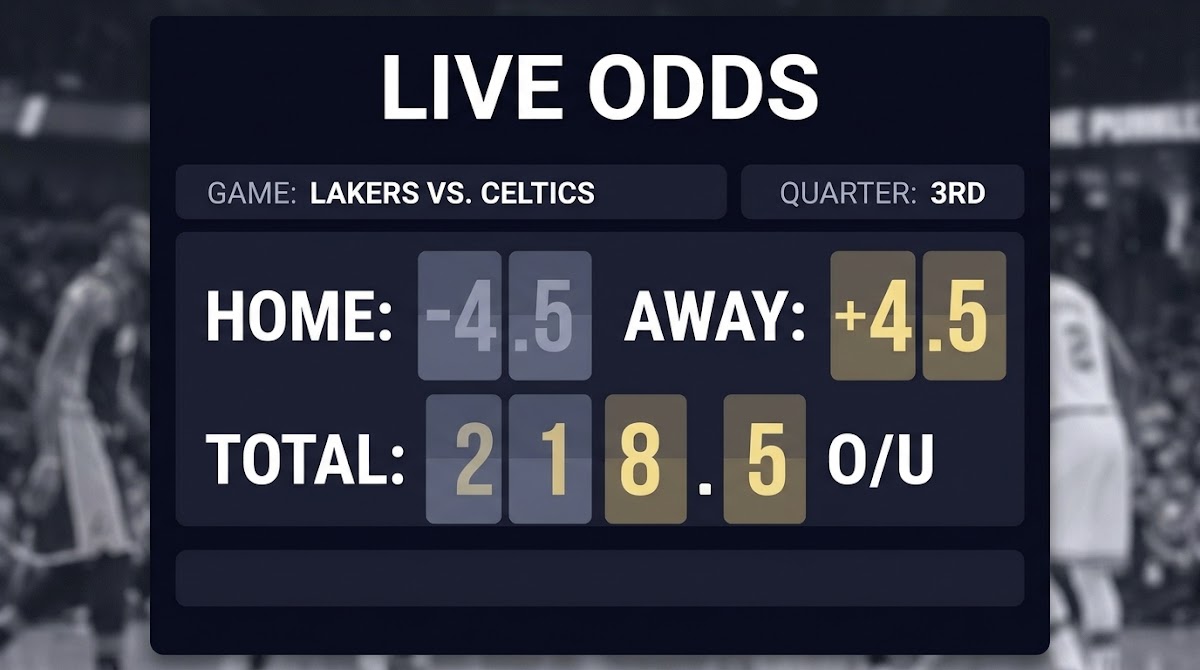
Odds in public markets are shorthand for a market-implied probability about an outcome. They combine the views of many participants, the prices bookmakers set to manage risk, and the flow of money that moves those prices. Treating those prices as a consensus signal is useful, but it is important to remember they are not a direct report of voter intent.
When readers follow nba awards odds they are watching a financial surface that reflects trading behavior. The price that looks like confidence may instead reflect liquidity, hedge activity, or betting patterns. That distinction matters because awards are decided by ballots, not by bets.

When readers follow nba awards odds they are watching a financial surface that reflects trading behavior. The price that looks like confidence may instead reflect liquidity, hedge activity, or betting patterns. That distinction matters because awards are decided by ballots, not by bets.
Difference between betting markets and voter outcomes
Bookmakers and bettors react to information and incentives that differ from the motivations of ballot voters. Market participants may focus on exploitable narratives and short-term momentum while voters tend to account for season-long consistency and context. Understanding this separation helps explain why a market favorite is not always the ballot favorite.
In practice, odds change faster than ballots can, and they can reflect what traders think will happen, or what will move other bettors to act, rather than what actual voters will do when marking their choices.
What moves odds: information, money flow, and narratives
Several simple drivers move odds: new information, concentrated money from sharp bettors, and shifts in media narrative. Each of those elements changes how a bookmaker hedges risk and updates a market price. Watching those drivers gives a clearer read on why a player gains or loses ground in the marketplace.
For readers who want to interpret market moves, remember that odds are a timely signal, not a comprehensive judgement. Keep the focus on how odds are formed and what they omit when you use them alongside other evidence.
For readers who want to interpret market moves, remember that odds are a timely signal, not a comprehensive judgement. Keep the focus on how odds are formed and what they omit when you use them alongside other evidence.
Why oddsmakers might favor Shai Gilgeous-Alexander
Performance patterns that attract market attention
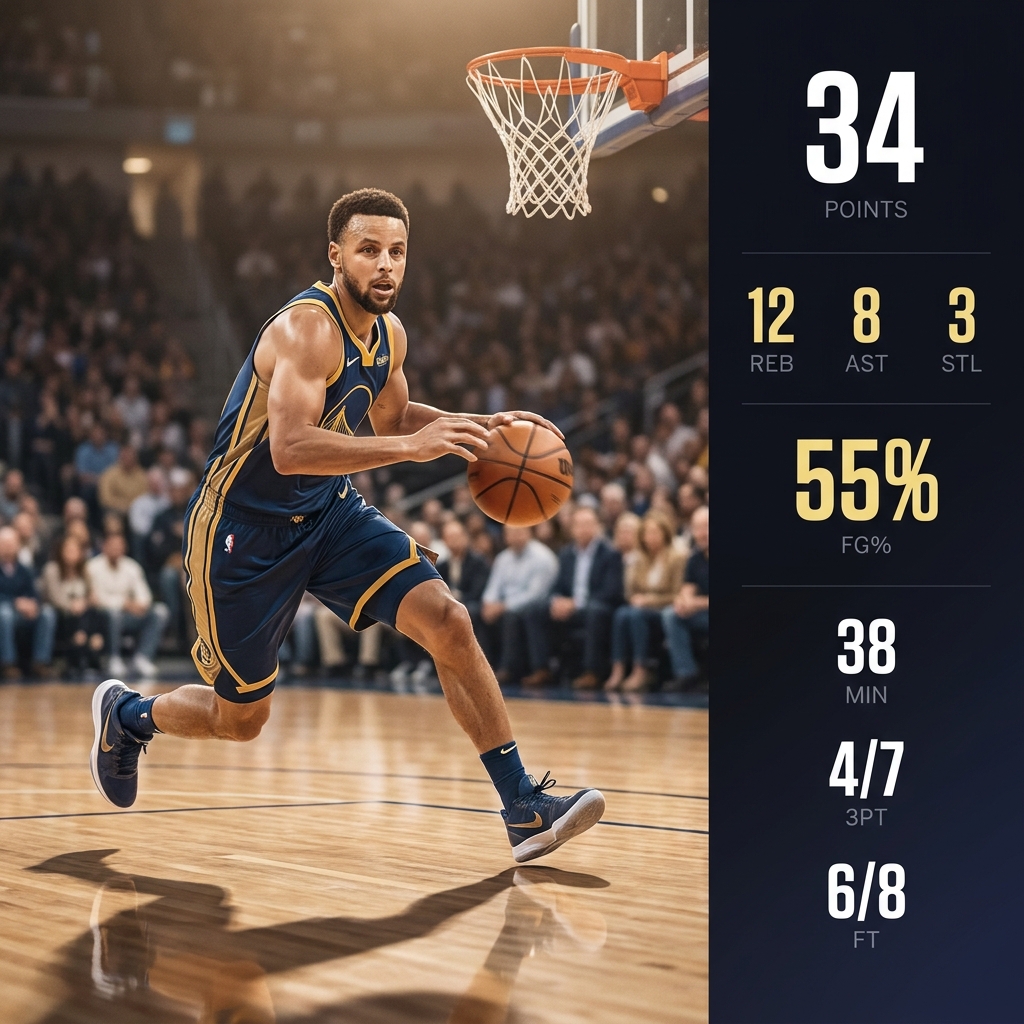
Shai Gilgeous-Alexander can attract market attention because the betting public and traders prize recognizable changes in role or output. A visible scoring surge, a string of high-profile wins, or a sequence of standout box score lines are the kinds of short-term patterns that often move money quickly. Those patterns are easy to communicate and to bet on, which is why they show up in published lines.
Markets tend to reward clear story arcs that are simple to convey and to trade around. When a player's recent stretch is compelling and easy to narrate, that can push oddsmakers to shorten prices even if voters will ultimately consider a longer record.
How narratives like breakout seasons or leading a surprise team affect odds
Narratives matter because they change perception. A player leading an unexpectedly strong team creates a tidy story that bettors can latch onto. That story can travel through social feeds, highlight reels, and sports talk, concentrating attention and money into a short window. Because bookmakers manage the risk that follows those moves, short priced lines can appear even where longer-term ballots may be unchanged.
These narrative effects explain part of why some bettors see SGA as an appealing market pick. The immediacy of a breakout or a team overperforming invites bets, which shapes how odds read at any given moment.
Stay informed on awards market movement with targeted updates
Sign up for targeted market alerts or a short newsletter that highlights major moves in awards markets and why they matter to long term evaluation.
Short-term signals that move money toward a candidate
High-visibility performances, replayable highlights, and a compact story about a player's impact are all examples of short-term signals. These signals are especially influential when they align with the calendar, such as a strong run before major award publicity windows. Oddsmakers update lines to balance risk, and when many bettors act on the same short-term signal, the market will reflect that.
Understanding that oddsmakers often price for what bettors will do rather than what voters will do helps explain how SGA can lead in markets even while other candidates remain highly regarded on ballots.
Why many voters still consider Nikola Jokic a top candidate
Voter criteria: consistency, peak performance, and team impact
Ballot voters-sports writers, broadcasters, and insiders-often weigh consistency and sustained all-around impact heavily. A candidate who delivers across a season in scoring, playmaking, and team success presents a persuasive case to the kinds of voters who prioritize season-long contributions over short-term surges.
Those voters read a different ledger than markets do. They pay attention to context, role stability, and how a player’s abilities translate across multiple facets of the game rather than single-game counting stats alone.
How established resumes and prior awards influence ballots
An established resume can anchor voter perception. Players with prior awards or a long track record of elite contributions often receive the benefit of the doubt when ballots are filled out. That does not mean voters ignore fresh narratives, but reputation and historical consistency are powerful cognitive anchors in voting contexts.
For a candidate like Nikola Jokic, long-term elite performance and demonstrable value to his team are the qualities that usually resonate with ballot voters, even when market narratives are shifting elsewhere.
The difference between statistical dominance and narrative-driven appeals
Advanced metrics and holistic evaluations matter to many voters because they capture contributions that highlight reels do not. Voters often reference efficiency, playmaking, and team leverage when making decisions. Those elements can keep a player like Jokic high on ballots even if markets pay more attention to a rival’s visible scoring streak.
In short, statistics that capture a player’s full value and narrative factors that highlight late-season storylines do not always align, which is why ballots and markets can diverge.
How oddsmakers, markets and voters use different evidence
What bookmakers model versus what media narratives emphasize
Bookmakers set prices to manage risk, balancing the book so there is predictable liability while reflecting expected bettor behavior. They consider which side bettors are likely to choose and how sharp money might move the line. Media and social narratives, in contrast, emphasize compelling angles and memorable events that attract attention rather than the technicalities bookmakers model.
Understanding that divergence clarifies why a market price often reads as a statement about bettor psychology, not a definitive claim about how voters will fill out a ballot.
Time horizon differences: short-term market moves versus season-long ballots
Markets are short term by design. They react quickly to new information because prices are a mechanism for transferring exposure. Ballot voters operate on a longer horizon; they can fold in the entire season when they cast votes. This difference in time horizon creates predictable situations where a short sharp market move does not translate into a ballot shift.
Those timing differences explain why a market favorite late in the season can be a transient reflection of recent events, while voter consensus may lag or remain stable based on a broader season appraisal.
How injuries and schedules are priced by markets and evaluated by voters
Injuries and schedule strength present a practical example. Markets will update prices immediately when an injury report appears or when a team faces a sudden change in schedule difficulty. Voters may do the same, but they also factor in recovery windows, role continuity, and sustained impact across many games. The market price is the faster signal; ballots are the more deliberative one.

For readers interested in structured evaluation and simulated account challenges, platforms that emphasize disciplined prediction can be a useful place to practice translating market signals into reasoned views.
Core decision criteria that shift MVP-related odds
On-court metrics and team success
Bookmakers and voters both look at on-court contributions, but they weight them differently. Team wins and a player’s role in producing those wins matter for both camps. Markets incorporate these factors when bettors and odds compilers expect team success to influence perception near award decisions.
Readers should track both raw counting stats and efficiency measures because they tell complementary parts of the same story about a player's influence on outcomes.
Narrative drivers and timing
Timing is central. A narrative that builds in the final weeks of the season can move odds rapidly because it concentrates attention and deposit activity. Voters consider timing too, yet they can integrate narrative developments into a broader season context rather than treating late runs as a decisive switch.
Knowing how to weigh late-season narratives against season-long evidence is a key skill when interpreting nba awards odds.
Market mechanics and betting flows
Large wagers or persistent backing from experienced bettors commonly labeled sharp money can move published lines. When bookmakers detect this action they adjust prices to preserve balanced liability, which can produce abrupt shifts in a player’s market price even if the underlying long-term case remains steady.
Recognizing whether a move reflects market mechanics or a structural change to a player’s case helps you decide whether to update your own view.
Common mistakes when reading NBA awards odds
Treating odds as guarantees
A core mistake is reading odds as certainty rather than as a market snapshot. Odds express implied probabilities that can change rapidly and do not guarantee the eventual award outcome. Keep perspective when a line looks definitive.
Overconfidence in a single market signal is especially risky in award races where ballots and markets can diverge for clear reasons.
Overweighting short-term hot streaks
Another common error is letting a short-term scoring surge substitute for season-long evaluation. Hot streaks are attention grabbing, but they do not always reflect durable changes in role or value. If you use short runs to update your view, do so proportionally and check for sustaining context.
Confirmation bias also plays a role here. Seeing only supporting evidence for a narrative and ignoring countervailing season-long metrics will lead to poor interpretation of nba awards odds.
Quick odds monitoring checklist
Use this checklist to flag moves worth deeper review
Practical examples and scenarios: when SGA odds spike and what it means
Scenario A: late-season surge in scoring and team wins
Imagine a late-season window where a player suddenly scores at a noticeably higher clip while the team strings together wins. That compact story is easy for media and bettors to narrate. Odds can shorten quickly because the signal is visible, repeatable, and timely.
In that scenario, the market move is meaningful for trading because it reflects concentrated attention and likely short-term backing. For ballot watchers, the move is one element among many and must be reconciled with season-long contributions.
Scenario B: market reacts to a high-profile media narrative
A second scenario is where a sustained media narrative frames a player as the face of a turnaround or a breakthrough. When narratives take hold, attention grows and so does the flow of money into a single candidate. Bookmakers respond by adjusting prices to manage their books, amplifying the visible market lead.
For bettors, this can create an opportunity to trade on sentiment. For voters, such narratives can matter as well but usually after they are embedded in a season-long evaluation rather than as an immediate ballot changer.
Scenario C: voters reward long-term dominance and efficiency
Finally, consider the case where voters prioritize season-long dominance, efficiency, and role leadership. Here, an established candidate with a durable impact keeps collecting votes even if a rival's market position improves briefly. Ballots filled with deliberation tend to favor nominees with sustained, quantifiable value.
Each scenario shows that a market lead may be meaningful for different reasons. Traders and bettors should treat market signals with nuance, while voters and analysts should weigh how each signal fits into a larger season narrative.
How to track and interpret live odds and market signals
Which market moves are noise and which deserve attention
Not every price movement deserves the same response. Short, isolated jumps with no corroborating action across multiple books often represent noise. Sustained movement across several outlets and driven by recognizable reasons such as injury reports or sharp backing is more indicative of a meaningful shift.
If you follow nba awards odds look for cross-book consistency and repeated supportive reasons behind a move before adjusting your long-term view.
Tools and data sources to follow market movement
Use consensus lines, tracking of line movement over days, and centralized injury reports to form a rounded picture. Cross-checks help separate a single book’s overreaction from a genuine market trend. Combining market feeds with media monitoring reduces the chance of overreacting to a single signal.
Because markets and voters evaluate different signals on different time horizons. Markets price bettable narratives and money flow quickly; voters integrate season-long performance and broader context when filling ballots.
Build a simple routine: record consensus odds each morning, note any major news items, and flag moves that persist across multiple publishers. That habit will help you see whether a change is transient trading noise or a real shift that merits a reassessment.
Practical rules for weighing odds against ballot logic
Develop heuristics that respect both sources. If odds move quickly but season-long data still favors another candidate, require stronger evidence before switching your primary view. Conversely, if odds shift persistently and are supported by credible context such as sustained team improvement or role change, treat that as a signal to update cautiously.
Simple rules of thumb can prevent overreaction while keeping you responsive to meaningful new information in nba awards odds.
A short checklist for readers deciding which candidate to favor
Checklist items to compare SGA and Jokic across relevant axes
1) Team context: Are wins and strength of schedule supporting the player? 2) Recent performance: Is there a durable change in role or efficiency? 3) Narrative timing: Is the story concentrated near ballots? 4) Market movement: Are multiple books showing sustained line change? 5) Voter history: Does the candidate have the resume to hold ballots?
Weigh narrative versus steady contributions by assigning relative importance based on how late in the season you are and how robust the supporting evidence is. Use this checklist as a disciplined way to synthesize signals from both markets and ballots without jumping to conclusions.
Conclusion: reading odds as part of a broader evaluation, not the whole story
Summary of why SGA may be favored by markets while Jokic remains a strong voter choice
To sum up, market preference for Shai Gilgeous-Alexander often reflects short-term narrative strength and concentrated betting flows, while many voters continue to value a proven, season-long profile like Nikola Jokic’s. Neither market prices nor ballots are inherently wrong; they are different tools that weigh evidence differently.
When you follow nba awards odds use them as one input among many. Combine market signals with season-long metrics, media context, and voter tendencies before updating your view. That balanced approach reduces the risk of mistaking transient market momentum for determinative ballot change.
No, odds reflect market-implied probabilities and bettor behavior; the MVP is decided by ballots, so odds are informative but not determinative.
Yes, but voters typically consider the whole season; a late surge helps if it meaningfully alters season-long context or perception.
Relying only on market favorites is risky; combine odds with season metrics, narrative assessment, and a disciplined stake plan.
References
- https://polymarket.com/event/nba-mvp-694
- https://www.si.com/betting/nba-mvp-odds-shai-gilgeous-alexander-heavily-favored-nikola-jokic-gaining-for-no-2-spot
- https://www.rotowire.com/betting/nba/mvp-odds.php
- https://www.fundedplays.com/challenges
- https://www.fundedplays.com/blogs/how-fundedplays-evaluations-work
- https://www.fundedplays.com/blogs
- https://www.fundedplays.com