
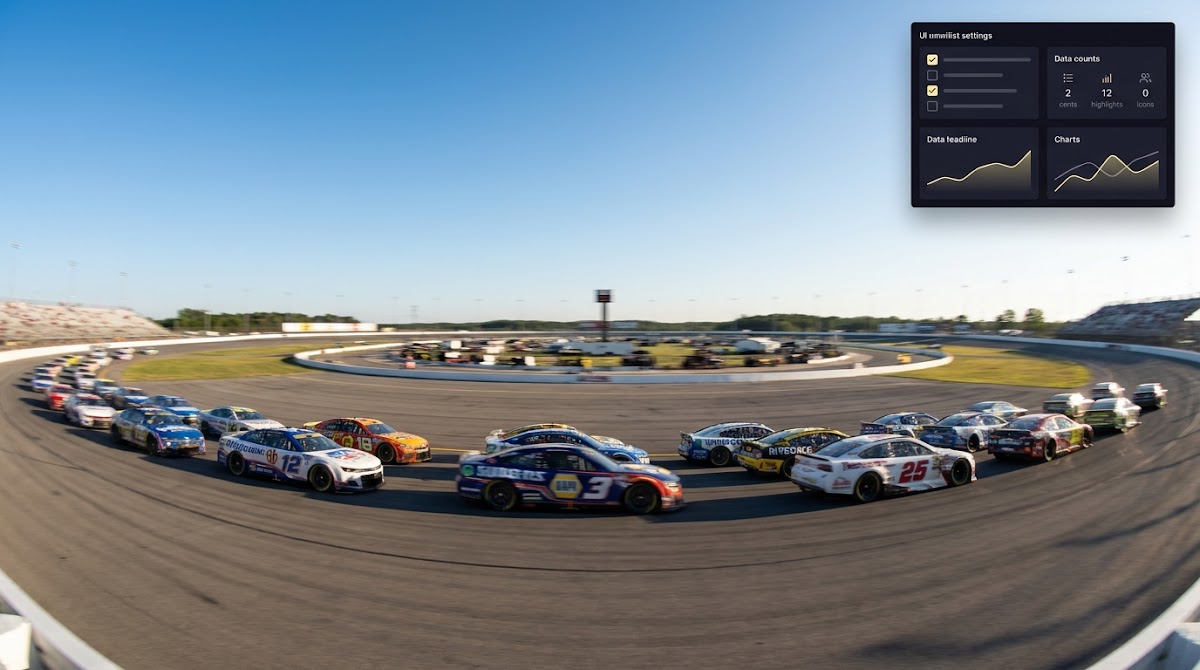
What "nascar expert picks" means for fantasy players
The phrase nascar expert picks describes choices grounded in repeatable predictive signals rather than guesswork. For fantasy players this means selecting drivers because pre-race and short-window performance indicators increase the chance of scoring stage and finish points, not because of narratives or single-session flashes.
In practice, nascar expert picks emphasize measurable items like starting position, recent form, and practice long-run speed to tilt expected outcomes. When those signals are used consistently they turn a subjective hunch into a defensible lineup decision.
Prioritize finishing and stage-point probability, then layer qualifying on non-draft tracks, practice 5 to 10 lap long-run pace, and recent 4 to 6 race form. Adjust weights by track type and contest format.
Below we set expectations and clarify what a model-backed pick can and cannot promise.
First, remember that NASCAR Fantasy Live scoring makes finishing position and stage points the core scoring drivers, and that alignment matters when you pick a roster for a specific contest format, so use the official scoring guide when translating signals to lineups NASCAR Fantasy Live rules and scoring.
Definition and why the phrase matters for lineup decisions
Calling something an expert pick is shorthand for a choice that combines recent performance windows, track-appropriate history, and last-minute practice or qualifying intelligence. The goal is not certainty; it is improved expected value relative to pure guessing or fandom.
How fantasy scoring changes pick priorities
Because stage points and finishing position dominate scoring on most contest platforms, nascar expert picks should favor drivers who are likely to earn stage points and finish in strong positions rather than players who only collect flashy but low-impact stats.
What this article will and will not promise
This article aims to deliver a practical, repeatable framework for building nascar expert picks. It does not promise guaranteed results, specific earnings, or shortcuts to consistent wins. Instead it shows how to use observable signals and contest-aligned decisions to improve your odds over time.
How NASCAR Fantasy Live scoring shapes nascar expert picks
Understanding the score structure is the first step toward making informed choices. Finishing position and stage points are the two items that most directly move your score, so any credible pick discipline must prioritize candidates who can realistically collect those points in the contest format you enter NASCAR Fantasy Live rules and scoring (official rules).
Lineup and substitution mechanics also change how you allocate risk. If a platform allows late substitutions and you expect qualifying or practice to produce informative drift, you can be more aggressive with early roster construction because you have a path to correct last-minute information NASCAR Fantasy Live rules and scoring.
Finish and stage points: what they are and why they dominate scoring
Finish points reward the final race placement while stage points reward top finishes in designated segments of the race. Together these two components typically account for the majority of a fantasy score, which is why models that predict finishing distributions and stage probability yield the most useful forecasts for nascar expert picks NASCAR Fantasy Live rules and scoring.
Lineup and substitution mechanics that change decision thresholds
Some contest rules tighten the cost of mistakes by limiting substitutions or enforcing lineup locks earlier. When substitutions are available late, you can keep an eye on qualifying and practice; when they are not you must commit earlier and weight earlier signals more heavily NASCAR Fantasy Live rules and scoring.
How stage-point potential shifts rostering priorities
A driver with a strong short-run pace who starts well but lacks long-run durability may still be a high-value pick if they are likely to collect stage points. Conversely, a driver with steady long-run speed but poor short-run position may provide finish upside but limited stage share.
Pre-race indicators to prioritize for nascar expert picks
Not all pre-race signals are equally predictive. On short and intermediate ovals the starting position often correlates with finish because clean air and track position reduce incident exposure and allow leaders to control pace NASCAR qualifying format explained.
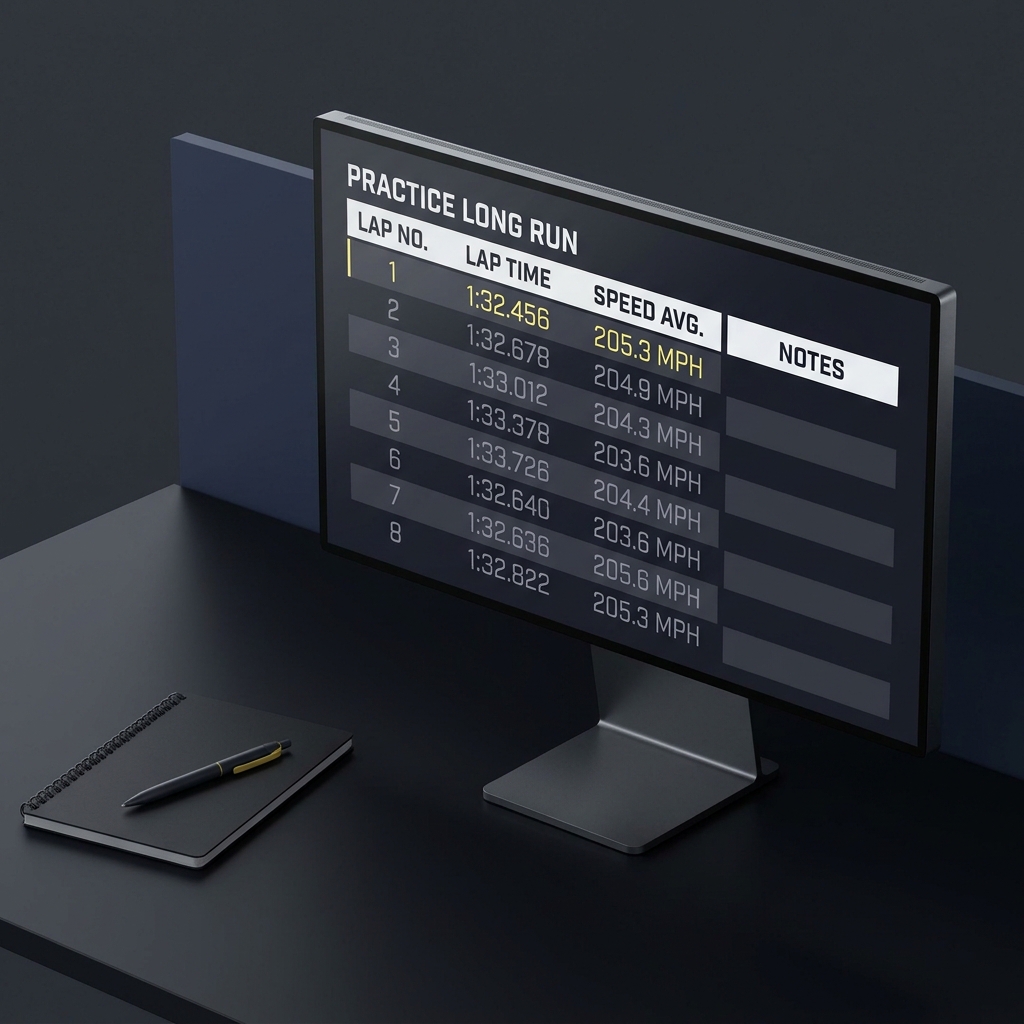
Practice sessions and long-run averages also carry predictive value, especially on non-draft tracks where green-flag speed matters. A consistent 5 to 10 lap pace that matches competitive green-flag speeds is a reliable late signal for finishing potential Predicting NASCAR race outcomes using pre-race features and machine learning (see fantasy 10-lap averages).
Practice nascar expert picks with structured, rule-based challenges
Try the practical checklist in this guide or sign up for race-week alerts to get disciplined pre-race reminders and finalize lineups with clear signals in mind.
Recent form, measured over a rolling 4 to 6 race window, helps smooth noise and highlights drivers trending toward better finishes or consistent stage performance. Using a short rolling window reduces lookback bias while capturing momentum that often persists in the Next Gen era Predicting NASCAR race outcomes using pre-race features and machine learning.
Qualifying and starting position: when to emphasize it
On short and intermediate ovals prioritize starting position as a key input for nascar expert picks because a front-row start often translates into early control and stage points. On superspeedways, where drafting and pack dynamics dominate, starting position loses predictive power and should be downweighted NASCAR qualifying format explained.
Practice and long-run speed: last-minute signals
If a driver's 5 to 10 lap averages in practice match or exceed the field on a non-draft track, that is a meaningful indicator of competitive green-flag speed and finishing potential. Use these long-run proxies to adjust late swaps when allowed Predicting NASCAR race outcomes using pre-race features and machine learning.
Recent form and loop-style metrics: the 4 to 6 race window
Driver ratings and loop-style performance metrics summarize green-flag speed and consistency, and when combined with a 4 to 6 race recent-form window they produce more stable short-term forecasts. That window balances responsiveness to change with resistance to single-race randomness NASCAR performance metrics and predictive indicators.
Track types and how they change nascar expert picks
Track type matters. When building nascar expert picks you must treat Next Gen era track history separately from pre-2022 data because vehicle packages and tires changed performance baselines after the Next Gen introduction, making older results less comparable NASCAR performance metrics and predictive indicators.
Superspeedways create unique variance. Multi-car incidents and pack drafting raise outcome randomness on these tracks, which reduces the predictive value of most usual signals and argues for roster diversification or ownership leverage strategies to manage tournament exposure Superspeedway dynamics and variance.
Next Gen era track history: why 2022+ matters
Only compare track histories within the Next Gen era when possible. That era provides a consistent baseline for how cars interact with tires, packages, and aerodynamic behavior, which makes track comps more reliable for forecasting finishes NASCAR performance metrics and predictive indicators.
Superspeedway dynamics and variance
On plate and superspeedway events give less weight to qualifying and recent-form signals because incidents and drafting create outsized randomness; instead emphasize roster construction that spreads risk and exploits ownership edges in tournaments Superspeedway dynamics and variance.
Short and intermediate oval behavior and clean-air effects
On non-draft tracks clean air and track position matter. Starting near the front can provide stage opportunity and reduce exposure to midpack incidents; increase the weight you assign to qualifying and practice long-run pace in those settings NASCAR qualifying format explained.
A simple framework to build nascar expert picks
Follow a repeatable three-step workflow each race week. Step 1 gather and normalize pre-race signals. Step 2 weight signals by track type and contest scoring. Step 3 construct a roster and enforce ownership and diversification rules. This structured approach turns signal noise into practical roster decisions.
Core signals to collect include qualifying and starting position, practice long-run averages, recent 4 to 6 race form, Next Gen era track comps, and loop metrics that summarize green-flag speed. These groups collectively capture position, pace, trend, and context Predicting NASCAR race outcomes using pre-race features and machine learning.

Sample weighting: on short and intermediate ovals put more emphasis on recent form and starting position, on superspeedways reduce those weights and increase diversification. For cash games emphasize floor and consistency, for tournaments add ownership leverage to upside picks NASCAR performance metrics and predictive indicators.
Step 1: gather and normalize pre-race signals
Collect qualifying, practice long-run averages, driver rating or loop metrics, and Next Gen-era track comps. Normalize each signal to a consistent scale so weightings are comparable across drivers and races.
Step 2: weight signals by track type and contest scoring
Adjust weights according to track type. Increase starting-position and recent-form weight on short tracks. On superspeedways lower these and favor diversification to manage variance Superspeedway dynamics and variance.
Step 3: construct roster and set ownership/diversification rules
Build a roster that balances stage-point hunters and finish-floor drivers. For tournaments lean into contrarian picks with plausible upside and manageable ownership; for cash games prioritize drivers with stable stage and finish outlooks and low downside NASCAR Fantasy Live rules and scoring.
Decision criteria and checklist for finalizing your lineup
Use a compact yes-no checklist before lock: Do your top picks align with the contest scoring? Does recent practice or qualifying support substitution candidates? Is your ownership exposure appropriate for the contest type? Each check prevents a common mismatch that costs expected value NASCAR Fantasy Live rules and scoring.
When your model and signals disagree, decide whether the discrepancy reflects new information or a model overfit. If qualifying or long-run pace shows clear drift trust the new data, provided substitutions are allowed and the sample is not a single outlier Predicting NASCAR race outcomes using pre-race features and machine learning.
Core yes/no checks before lock
Require alignment between model signals and contest scoring rules. If your best model picks score poorly under the specific scoring rubric do not enter them without adjustment.
When to pivot off your model
Pivots are justified when multiple independent pre-race signals move in the same direction, such as qualifying and long-run pace both worsening or improving significantly. Single-session sparks rarely justify wholesale changes.
Salary and ownership tie-breakers
When salaries constrain your ideal roster choose drivers that keep stage-point potential intact while maximizing finish floor. Use ownership ceilings to manage tournament exposure and tilt toward contrarian value on a small number of roster spots.
Using live data: practice updates, qualifying changes and last-minute pivots
Not all practice sessions offer the same predictive power. Trust long-run averages of 5 to 10 laps for green-flag speed on non-draft tracks because they correlate with finishing pace and identify sustainable race speed Predicting NASCAR race outcomes using pre-race features and machine learning.
Qualifying should override practice signals when the qualifying result clearly changes starting position in a way that affects stage probability, especially on tracks where clean air matters. Conversely, if qualifying is anomalous and long-run pace is consistently high, prefer long-run indicators for finish potential NASCAR qualifying format explained.
live pre-race checks for practice qualifying and scratches
Use as a quick memory aid before lock
Handle late scratches and substitutions by having a short protocol: identify the next-best fit by the same signal set, confirm contest substitution rules, and ensure the replacement preserves stage-point potential where possible NASCAR Fantasy Live rules and scoring.
Which practice sessions to trust and how to read long-run lap averages
Trust sessions where teams ran consistent stints and avoid one-off single-lap efforts as a primary basis for decisions. Look for repeated 5 to 10 lap stints that match or beat field averages as a durable indicator of race speed NASCAR performance metrics and predictive indicators.
When qualifying results should change your starter selection
Let qualifying pivot your picks when it alters stage probability materially, such as a top-10 start converting a midpack driver into a stage contender on short ovals. If qualifying moves are minor, treat them as tiebreakers rather than complete reversals.
Handling late scratches and lineup substitutions
Maintain a ranked shortlist of acceptable replacements that fit your signal profile so substitutions are mechanical. Confirm substitution timing and check that replacements do not violate salary or ownership constraints.
Common mistakes to avoid when making nascar expert picks
Avoid relying on pre-Next Gen data without adjustment; vehicle and tire changes around the Next Gen era altered performance baselines so older track history can mislead if used unfiltered NASCAR performance metrics and predictive indicators.
Do not overreact to a single strong practice or qualifying run. Single-session speed can be noise; prefer signals supported by multiple sessions or a consistent long-run average Predicting NASCAR race outcomes using pre-race features and machine learning.
Never ignore contest scoring when drafting strategy. A pick that looks attractive on raw finishing probability may be poor value if it cannot collect stage points under the contest’s rules NASCAR Fantasy Live rules and scoring.
Sample roster scenarios and explained picks
Short track sample: choose a driver who starts near the front, shows consistent 5 to 10 lap practice pace, and has a positive recent-form trend. That combination gives stage and finish upside while limiting midpack crash risk Predicting NASCAR race outcomes using pre-race features and machine learning.
Intermediate oval sample: balance drivers who can collect stage points early with one or two drivers who have long-run durability and finish upside. Prioritize starting position a bit more than on superspeedways, and use Next Gen track comps for context NASCAR performance metrics and predictive indicators.
Superspeedway sample: avoid concentrated exposure and instead build diversified lineups that can profit from ownership skew. On plate tracks favor smaller, high-upside pieces sized modestly because variance is high and historical signals are weaker Superspeedway dynamics and variance.
When to pick sleepers and contrarian drivers
True sleepers often show recent-form deviations that are not yet priced into ownership and have favorable Next Gen-era track comps. Look for drivers whose rolling 4 to 6 race window shows improvement but who remain underowned due to narrative or luck Predicting NASCAR race outcomes using pre-race features and machine learning.
Size contrarian bets by contest type. In tournaments use small allocations for multiple contrarian pieces to capture upside without risking the roster floor. In cash games prefer lower-variance sleepers that raise your minimum expected score Superspeedway dynamics and variance.
Manage downside by enforcing a maximum allocation per sleeper and by ensuring each sleeper aligns with at least one reliable signal such as recent-form improvement or a strong Next Gen track comp.

Translating analytics to contest types and scoring formats
Cash games require a focus on floor and stability because the objective is to finish in a safe percentile. Tournaments require upside and ownership leverage to separate from the field. Translate model outputs accordingly by mapping expected floor to cash priorities and tail upside to tournament construction NASCAR Fantasy Live rules and scoring.
Single-entry players should concentrate on a single balanced roster, while multi-entry players can diversify pool-level exposure across multiple lineups to capture both floor and upside opportunities.
How to test and iterate your nascar expert picks strategy
Backtest models on Next Gen era data to avoid biases introduced by older packages and tires. Restrict historical comparisons to 2022 and later to keep the evaluation relevant to current race behavior NASCAR performance metrics and predictive indicators.

Use rolling 4 to 6 race windows for validation rather than single-race outcomes. That window reduces the impact of outlier results and reveals persistent drift in driver performance that a single race would miss Predicting NASCAR race outcomes using pre-race features and machine learning.
Recalibrate weights after technical or package changes. If a new tire, aero package, or rule affects pace, revisit your signal weights and rerun backtests to confirm continued predictive value.
Conclusion: a practical checklist and next steps for nascar expert picks
Quick checklist before lock: verify finishing and stage-point alignment with contest scoring, confirm qualifying and long-run practice signals, check recent 4 to 6 race form, and apply track-appropriate weightings. These steps focus your picks on the signals that historically matter most NASCAR Fantasy Live rules and scoring.
Next steps: practice the framework in low-risk settings, backtest using only Next Gen-era comps, and use roster diversification on superspeedways to manage variance. If you want a structured challenge environment to practice skill-based prediction and hone lineup discipline, consider a simulation or challenge platform that focuses on consistency and rule-based progressions.
Responsible-play reminder: treat fantasy as skill-based entertainment, track results objectively, and avoid implying guaranteed outcomes. Use disciplined bankroll management and measured iteration to improve over time.
Prioritize finishing and stage-point likelihood, qualifying on non-draft tracks, 5 to 10 lap practice long-run averages, and recent 4 to 6 race form.
Reduce weight on qualifying and recent-form signals, diversify roster exposure, and size contrarian plays smaller because of high incident variance.
Yes. Use simulation or challenge-style practice environments that let you test lineups and backtest strategies without real wagers.
References
- https://www.nascar.com/news-media/2025/02/07/how-to-play-nascar-fantasy-live-2025/
- https://www.nascar.com/news-media/2024/02/14/nascar-qualifying-format-explained/
- https://www.mdpi.com/2227-7390/12/6/xxxx
- https://theathletic.com/motorsports/nascar-analytics-stats-primer-2024/
- https://nascar.nbcsports.com/2024/08/18/superspeedway-racing-variance-crashes-talladega-daytona/
- https://www.fundedplays.com/challenges
- https://www.fundedplays.com
- https://www.fundedplays.com/blogs
- https://www.fundedplays.com/blogs/how-fundedplays-evaluations-work
- https://fantasygames.nascar.com/live/page/rules
- https://frcs.pro/nascar-loop-data
- https://www.nascar.com/news-media/2018/02/09/nascar-fantasy-live-rules-to-play-by-manifesto/