
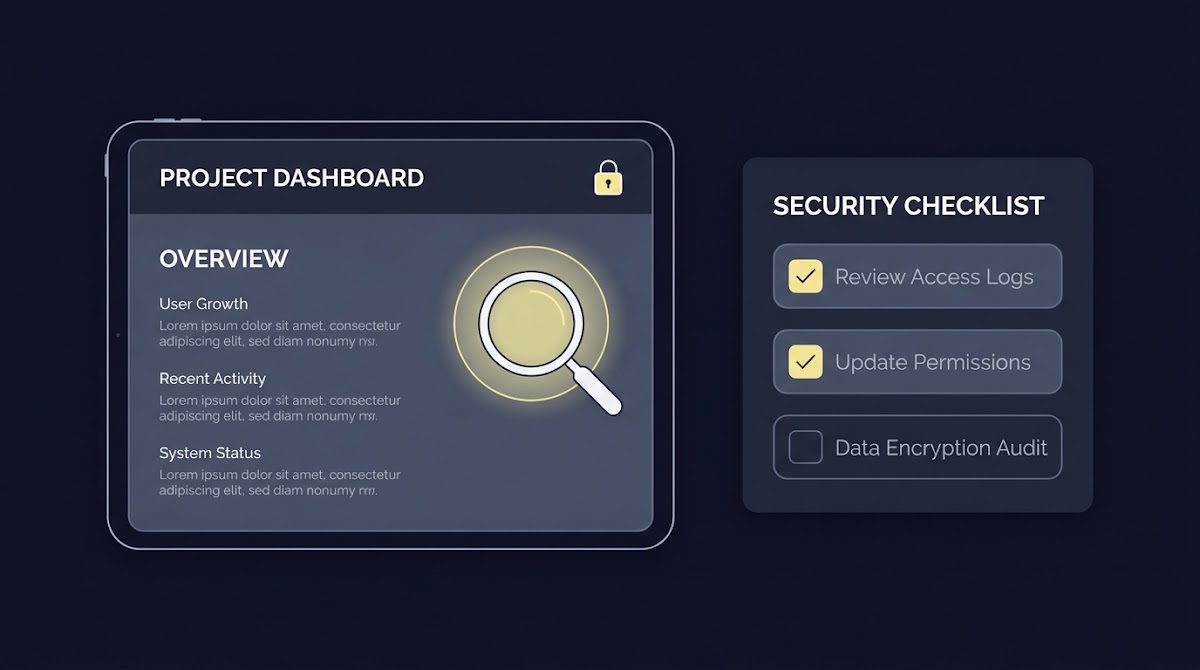
Introduction: why readers ask 'Is mystake sportsbook legitimate?' and how to use this guide
What this article covers about mystake sportsbook
People ask whether mystake sportsbook is legitimate because online wagering platforms mix promotional language with technical and legal details that are easy to miss. This article presents a neutral, step-by-step verification approach you can apply to any site that offers sports odds or related services. It does not claim the platform is legitimate or illegitimate. Instead it explains which documents, site elements, and external signals to inspect and how to interpret them.
How to use the checklist and examples that follow
Read the quick checklist to get a 10-minute overview, then follow the deeper checks if you want a more confident view. Use the scenarios to practice the steps on a trial site or in a private verification log. The focus is practical: record what you find, note any mismatches, and err on the side of conservative action when information is unclear.
a compact list to run a quick verification of site trust signals
run tests in this order
What is mystake sportsbook: basic description and common claims to verify
How these platforms typically present themselves
Sites that describe themselves as sportsbooks often show account types, odds formats, promotions, and a list of supported sports. Those public-facing pages are marketing tools and should not be the sole basis for trusting a platform. Promotional language about bonuses and guaranteed returns needs scrutiny in the corresponding terms and conditions and payout rules.
Terms commonly used on site that merit verification
When you read product pages look for an About page, Terms and Conditions, Privacy Policy, Responsible Gaming statement, and a visible contact method. These pages should explain the legal entity running the site, the jurisdiction that governs operations, and the rules for deposits and withdrawals. If those items are missing or vague, treat the site as higher risk.
Quick legitimacy checklist: a practical framework to evaluate mystake sportsbook
Top-line yes/no checks you can do in 10 minutes
Start with a short list of checks that take under ten minutes. Confirm the site uses HTTPS, find a clear company name and address, look for an About page and a Terms and Conditions link, and note whether there are visible contact channels such as email or live chat. Also glance at accepted payment methods to see whether common, reputable processors are shown.
Deeper checks for a 30-minute review
For a longer review, verify any stated license by finding the license number and checking it on the issuing regulator's website, review the privacy policy for data handling practices, and search for recent user complaints that show a pattern rather than an isolated issue. A site legitimacy check should also include testing small withdrawals if you plan to deposit funds.
Explore challenge-based verification on the FundedPlays Challenges page
Run the 10-minute checklist now to get a quick sense of risk before you create an account or deposit funds.
Licensing and regulation: what to look for and how to verify claims
Different licensing models and jurisdictions
Licenses vary by jurisdiction in terms of consumer protections and enforcement. Some regulators require strict financial segregation and audited operations, while others provide lighter oversight. Knowing the jurisdiction named in the site terms helps you understand which consumer protections apply to you and what steps you can take if a dispute arises.
How to check a license with the regulator

Security, payments, and account controls: technical and operational signals
How to inspect basic security: SSL, 2FA, password rules
Technical security starts with HTTPS and a valid site certificate. A modern site should also document account controls such as password requirements and two-factor authentication. These items reduce the risk of account compromise and signal that the operator considers user security.
Payment options, withdrawal policies, and timing expectations
Accepted payment methods and clear withdrawal instructions are important operational signals. Look for named payment processors and a clear explanation of how withdrawals are handled including expected timeframes and any fees. If payment methods are limited to obscure processors or cryptocurrency without supporting documentation, proceed cautiously. Good sites disclose dispute and refund procedures in their terms and help users understand processing timelines.

User reviews, reputation signals, and where to look beyond the site
Interpreting review sites, forums, and social media
Third-party reviews and forum discussions help reveal recurring issues such as delayed withdrawals or account closures. Check multiple independent sources and note dates. A cluster of similar complaints filed over time is more meaningful than a single negative comment. Be wary of ratings that lack textual detail or that show many identical statements across profiles.
How to spot coordinated reviews or fake testimonials
Fake reviews often share phrasing, post times, or profiles with minimal activity. Look for reviews that include specific, verifiable details such as transaction timing, support ticket IDs, or regulator responses. If reviews are uniformly positive without depth, they are less useful as trust signals. Balance user feedback with document checks and regulator records.
Common scams, red flags, and typical user mistakes when evaluating an online sportsbook
Top red flags that suggest caution
Pay attention to unverifiable license claims, missing contact details, overly aggressive bonus promises, and pressure to move funds to private wallets. Delayed or refused withdrawals are a serious red flag that often shows up in complaint records and review threads. Always read the terms and conditions for clauses that could limit your ability to withdraw funds.
This guide does not make a definitive claim. Use the checklist to verify HTTPS, legal entity details, license entries on regulator sites, payment processors, and user complaint patterns before deciding whether to register or deposit.
Common evaluation mistakes and how to avoid them
Common mistakes include relying on a single review, ignoring small print in terms, and sharing account credentials. Avoid these by cross-referencing multiple sources, storing screenshots of problematic pages, and using minimal personal data while you test a site. If you see unexpected holds or increasing verification requests without clear reasons, document everything and escalate to your payment provider if necessary.
Practical scenarios and example checks: walk-throughs you can replicate
Scenario A: quick 10-minute verification
Open a private browser tab and run the quick checklist. Confirm HTTPS, find the About and Terms pages, note contact methods, and record the stated payment options. Search for a license number and copy the exact text. Finally, scan recent user comments on at least two independent sites. Record all findings in a short verification log with timestamps so you have a concise record if you need to reference it later.
Scenario B: deeper 30-minute verification with regulator checks
Decision criteria: how to decide whether to register, deposit, or walk away
Risk tolerance and warning thresholds
Create a simple scoring rubric for your own use. For example, assign points for verified license, reputable payment options, clear contact details, and absence of repeated withdrawal complaints. If your score falls below a conservative threshold, avoid registering or funding an account. Always default to small test deposits if you decide to proceed.
What to do if a red flag appears after you registered
If you encounter a red flag after registration take small steps. Document the issue with screenshots and support ticket IDs, reduce or pause activity, and test a small withdrawal to verify processing. If the site is uncooperative, contact your payment provider to see if a dispute or chargeback is appropriate and report the issue to the regulator in the site's stated jurisdiction if one exists.

Conclusion: short checklist recap and recommended next steps
Three quick takeaways
First, verify the basic site signals such as HTTPS, clear company details, and visible terms before you create an account. Second, check licensing claims on the regulator site and confirm payment methods and withdrawal procedures. Third, use small test deposits and a personal verification log to minimize exposure until you are confident in the operator's transparency.
Where to go next if you want deeper verification
If you need more confidence, escalate your checks by contacting the named regulator, asking the operator for documented proof of payment relationships, and using small, reversible transactions to test processing. Keep records of all correspondence and decisions so you can escalate effectively if needed.
Run the 10-minute checklist: confirm HTTPS, find the Terms and About pages, note contact methods and payment options, and scan recent user reviews for repeated complaints.
Document the delay with screenshots and support ticket numbers, contact customer support, and consider contacting your payment provider if the operator cannot resolve the issue.
Not always, but an absent or unverifiable license is a major red flag; combine that finding with other signals before deciding to deposit funds.
References
- https://www.fundedplays.com
- https://www.fundedplays.com/blogs
- https://www.fundedplays.com/blogs/how-fundedplays-evaluations-work
- https://www.fundedplays.com/challenges
- https://justgamblers.com/online-casinos/how-to-verify-a-us-state-license/
- https://casino.guru/complaints/mystake-casino-player-s-struggle-with-address-verification
- https://www.ccn.com/crypto-casinos/reviews/mystake/