
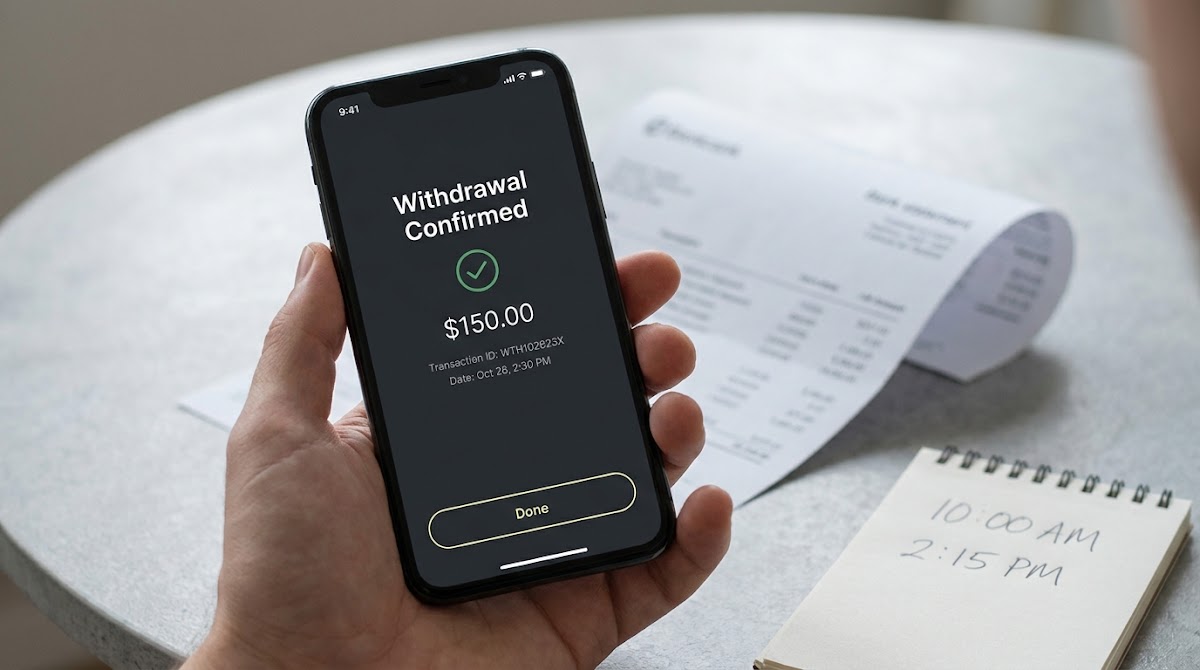
What this article will answer
This article explains what we mean by a payout, how withdrawal processing typically works in betting apps, and how you can evaluate whether an app like the my bookie com app actually pays out. It sets realistic expectations and focuses on the practical steps you can take to verify a payout yourself without assuming any guarantees.
We outline which parts of the payout experience the article covers and which topics we will not address. Included are: the end-to-end withdrawal flow, verification steps that commonly cause holds, how to gather evidence for disputes, typical payment channels, and a decision checklist you can use to assess reliability. We do not cover legal advice, jurisdiction-specific regulations, or individual account adjudications that require platform review.
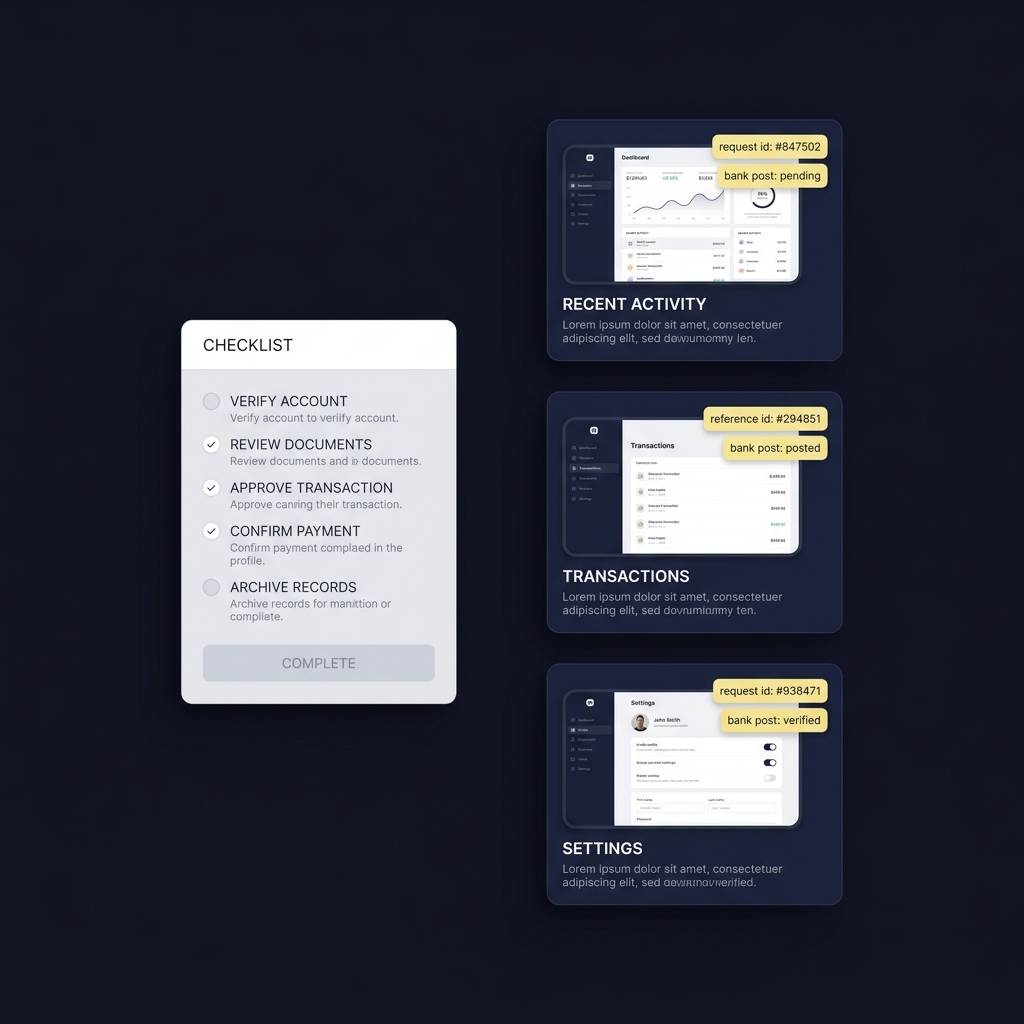
Test payouts with a simple checklist from FundedPlays Challenges guidance
Follow the checklist below and perform a small test withdrawal before moving larger funds, so you can confirm the payout flow and gather any necessary documentation.
To use this guide, collect clear documentation while you test a withdrawal: time-stamped screenshots of the withdrawal request, transaction or reference IDs shown in the app, any email or chat confirmations, and the corresponding posting in your bank or e-wallet history. These items form the evidence set you will need if you must follow up with support or your payment provider.
Scope and what we will not cover
When we say "payout" we mean the complete process from when you submit a withdrawal request in the app to when the funds are available in your bank account, e-wallet, or other destination. We will not provide legal or tax guidance, and we will not speculate about individual outcomes or make guarantees about any specific account.
How to use this article to check payouts yourself
Work through the checklist in the evaluation section, run a low-value test withdrawal, and keep a chronological record of all messages and timestamps. If an issue arises, the record you create will help you escalate with clear evidence and reduce the time needed to resolve the problem.
What the MyBookie app is and what 'payout' means here
The MyBookie app is a mobile interface provided by a sports betting operator that lets users place wagers, deposit funds, and request withdrawals. In common usage, it functions like many other betting apps: users add funds, place eligible bets, and then request withdrawals once any wagering requirements or hold periods are met.
For this article, "payout" refers specifically to the withdrawal lifecycle inside the app: the act of submitting a withdrawal request, the platform's verification and approval processes, the handoff to a payment processor, and the final settlement when the funds arrive in your external account or e-wallet. Different channels are possible, such as bank transfers, ACH, card refunds, or e-wallet disbursements, and each has different timelines and requirements.
Common withdrawal channels you should expect to see listed in an app include bank transfer, e-wallets, and in some cases check disbursements. The speed and reliability of each channel vary by processor and by your payment institution, so knowing which channel an app uses helps set expectations about timing and potential fees.
App purpose and core features
The core features relevant to payouts are the deposit and withdrawal interfaces, transaction history, and support channels. A clear transaction history that shows request timestamps and reference IDs is one of the primary tools you will use to verify that a payout is in process.
Definition of payout in the app context
In practical terms a successful payout is one where the withdrawal request is approved, the payment processor indicates a completed transfer, and the receiving account shows the funds available for use. Intermediate states such as pending, processing, or held are part of the workflow and do not mean the funds are lost, but they do require monitoring.
Typical payout workflow in betting apps
Most betting apps follow a predictable workflow for withdrawals. Understanding each stage helps you identify where delays typically occur and what actions you can take while the request is progressing. Keep an eye on transaction IDs and status updates in the app's transaction history, and note timestamps for each status change.
Payout reliability depends on how well the app follows transparent withdrawal rules, how complete your verification is, and the payment channels you use; run a small test withdrawal and document each step to confirm the process.
Step 1, request: you initiate a withdrawal in the app and select a channel. The app should present an estimated processing time and a confirmation number. Step 2, review: automated checks run, including balance verification and quick screens for matches between payment method and account holder details. Step 3, approval: if checks pass, the platform marks the withdrawal as approved and hands it off to a payment processor. Step 4, processing: the payment processor executes the transfer to the destination; this is when banks or e-wallets may apply their own posting timelines. Step 5, settlement: the destination account shows the inbound funds and they become available for use.
Where delays commonly occur: delays are often introduced during review and processing. Verification requests during review are a common cause, especially when KYC is incomplete or the payment method does not match the account holder. Processing delays can occur at the payment processor or the receiving financial institution, especially around weekends or banking holidays.
Step-by-step: request, review, approval, processing, settlement
At the request stage confirm the amount, the destination, and any fees shown. Immediately capture a screenshot of the confirmation screen and note any reference or confirmation number provided. During review expect automatic checks for account status, pending wagers, and verification completeness; if a manual review is needed, the app may provide an estimated hold time or a prompt to submit documents.
When your withdrawal moves to approved or processing, watch the transaction history for a change in status and look for a processing ID. If the app reports the withdrawal as completed but your bank or e-wallet does not show the funds, collect the app-side confirmation and compare it with the receiving account statement; this evidence is key when contacting support.

Delays most often arise due to missing verification, mismatched payment details, or additional checks triggered by unusual account activity. External factors like bank posting cycles and payment processor schedules are also a frequent source of apparent delay. Knowing which stage is active lets you direct inquiries more precisely to support or your bank.
Where delays commonly occur in the flow
Delays most often arise due to missing verification, mismatched payment details, or additional checks triggered by unusual account activity. External factors like bank posting cycles and payment processor schedules are also a frequent source of apparent delay. Knowing which stage is active lets you direct inquiries more precisely to support or your bank.
Registration, identity checks, and why they matter for payouts
Most regulated apps require identity verification as part of anti-fraud and regulatory compliance. Common KYC items include a government-issued photo ID, a proof of address document such as a utility bill, and confirmation that the payment method belongs to the account holder. These checks are standard and directly affect how quickly a withdrawal can be approved.
If the platform requests additional documents while a withdrawal is pending, the withdrawal may be placed on hold until the documents are reviewed. That hold is a normal part of the compliance process, but it is also the stage where providing clear, accurate documents and a decisive response will shorten resolution time.
Common KYC requirements
Typical requests include a scan or photo of a government ID, a recent proof of address, and sometimes a selfie or live photo to match the ID. If you used a card to deposit funds, the app may also ask for a copy of the card front and back with selective redaction of digits as instructed by the platform.
How incomplete verification delays withdrawals
Incomplete or unclear documents can trigger manual review and requests for clarification, which extend the time before approval. If a document is rejected, correct it promptly, and supply additional proof if the platform requests it. Keep track of any support ticket numbers you receive when you upload documents so you can follow up efficiently.
Withdrawal methods, limits, and fees
Withdrawal limits and minimums matter because they can cause your request to be split into partial payouts or to be delayed until balances meet minimum thresholds. Fees and currency conversions also affect the net amount you will receive, so review the app's published withdrawal terms and any fee disclosures before requesting a transfer.


Withdrawal limits and minimums matter because they can cause your request to be split into partial payouts or to be delayed until balances meet minimum thresholds. Fees and currency conversions also affect the net amount you will receive, so review the app's published withdrawal terms and any fee disclosures before requesting a transfer.
Common withdrawal channels and how they compare
Bank transfer: generally reliable for larger amounts but can take several business days to post. ACH: similar to bank transfer with low cost, but schedules vary by country and bank. E-wallets: often faster for receiving funds but the app and your wallet provider must both support the channel. Checks: slowest and usually reserved for specific cases.
Limits, holds and how fees can affect timing
Withdrawal limits may be daily or per-transaction; if you request an amount over a limit, the platform may suggest splitting the payout or applying a scheduled release. Fees can be charged by either the platform or the intermediary, and currency conversion can change the net value. These elements affect how you plan withdrawals and interpret the settlement amount you ultimately receive.
Common payout problems and how to resolve them
Users commonly face three problem categories: verification holds, payment method mismatches, and suspicious activity flags. Each has predictable remediation steps you can follow to speed resolution. Start by gathering all relevant evidence and then follow a prioritized escalation path to support.
When a withdrawal is delayed, collect documented proof: screenshots of the withdrawal request, any in-app messages or emails, transaction IDs, and the corresponding entries in your bank or e-wallet history. This evidence forms the basis of a clear support inquiry and reduces back-and-forth with the platform.
Frequent causes of holds or rejections
Verification requests for missing documentation are the most common cause. Other causes include mismatched deposit and withdrawal methods, detected suspicious activity that triggers a manual review, or pending wagers that need settlement before funds are available. Understanding the specific cause helps you provide the right documents or explanations.
Step-by-step troubleshooting and escalation
1) Confirm the app shows the withdrawal request and capture the reference ID. 2) Check your account messages and email for any document requests and supply them exactly as requested. 3) If no response arrives in the stated time, open a support ticket including your evidence and request a ticket number. 4) If support is unresponsive, follow the platform's escalation path: ask for supervisor review, keep records of all response attempts, and consider contacting your payment provider if the transfer was initiated but not posted to your account.
How to evaluate whether an app 'actually pays out' - a practical checklist
A practical checklist helps you combine public signals and personal testing to form a judgement about payout reliability. The checklist focuses on transparency of terms, the presence of multiple withdrawal channels, account verification clarity, and the responsiveness of customer support.
Use the verification routine below to track a small test withdrawal and compare outcomes across channels. A single successful small payout is a helpful signal, but multiple successful tests across channels and days provide stronger evidence of reliable behavior.
Track and verify small test withdrawals across channels
Keep screenshots and timestamps for each row
Signals of reliable payout behavior include transparent published withdrawal terms, clear KYC guidance, multiple supported withdrawal channels, and consistent user reports of successful low-value payouts. Red flags include unclear terms, frequent unresolved complaints, unusually high fees, and repeated requests for new documentation without clear reason.
Signals of reliable payout behavior
Look for a clearly written withdrawal policy, an accessible transaction history with reference IDs, and explicit instructions for KYC. Responsive support that provides ticket numbers and realistic timelines is another positive indicator. If public user reports are mixed, treat them as one input in your personal testing rather than definitive proof.
Red flags to watch for
Be wary of platforms with opaque payout terms, patterns of unresolved complaints, or requests that appear inconsistent with standard KYC (for example, vague document requests that are not well explained). High or poorly disclosed withdrawal fees and inflexible single-channel payout options are also cause for caution.
Decision criteria: when to proceed, pause, or escalate
Define simple thresholds before you deposit or commit larger funds. Time-based thresholds help you decide when to escalate; for example, if a documented withdrawal remains in a pending state beyond the platform's published window plus a reasonable buffer, it is time to escalate. Value-based thresholds set the monetary point at which you stop using the app pending resolution.
Verification compliance thresholds are straightforward: if the platform requests standard KYC and you have provided accurate documents, allow the stated review window to elapse before escalating. If the platform continues to request more documentation without clear justification, escalate to a supervisory support contact and retain all evidence for review.
Risk thresholds for continuing to use an app
Set a personal maximum at-risk amount that you will not exceed until you have completed several successful withdrawals. Consider pausing further deposits if you encounter repeated unresolved issues, and avoid using third-party payment methods that can complicate dispute resolution.
When and how to escalate a payout dispute
Escalate after you have completed initial troubleshooting and provided requested documents. Ask for a supervisor review, request a support ticket number, and if the payment processor shows an outbound transfer that did not post, contact your bank or payment provider about a possible trace or chargeback depending on the payment method used.
Typical mistakes users make that delay or block payouts
Avoid common mistakes that create unnecessary delays. These include using payment methods that do not match account holder details, failing to complete identity verification before requesting a large withdrawal, sharing accounts, and relying on third-party payment accounts that complicate verification.
Each of these behaviors raises compliance flags or creates processing issues. Use consistent, traceable payment methods in your name and complete all required verification steps in advance to reduce the chance of holds or denials.
Account setup and deposit mistakes
Using someone else’s payment method or not entering your legal name exactly as on your ID are frequent contributors to delays. Also, depositing with a method that the platform cannot support for withdrawals later forces alternative channels that can be slower or require additional checks.
Behavior that triggers holds
Rapid, high-volume activity, frequent large deposits and withdrawals in short succession, or transacting through third parties can trigger suspicious activity flags and manual reviews. If you expect to move larger sums, perform staged tests and keep your documentation current.
Practical scenarios: three real-world examples and how to handle them
Scenario 1 illustrates a smooth small test withdrawal. Execute a low-value withdrawal using your preferred channel, capture the confirmation screen, and monitor both the app and your receiving account. If the funds arrive within the expected window, note the timing and channel as a baseline for future withdrawals.
Scenario 2 covers a withdrawal held for verification. If a hold appears, respond promptly with the requested documents, note the support ticket number, and expect the review to take longer if additional verification is required. Keep asking for status updates if the hold extends beyond the stated review window.
Scenario 3 walks through a denied withdrawal and dispute steps. If a withdrawal is denied, gather all evidence, ask for a written explanation from support, and if the platform indicates an attempted transfer to your account, follow up with your bank or payment provider about a trace or refund procedure.
1. Small test withdrawal succeeds
Choose a modest amount you are comfortable losing if something goes wrong. Record timestamps and confirmation IDs, and confirm the arrival in your bank or e-wallet. Successful test withdrawals across different channels increase confidence in the platform's payout behavior.
2. Withdrawal held for verification
When held, submit documents in the format requested and keep copies of everything you send. If the platform provides an expected processing timeframe, allow it to elapse and then follow up with support referencing the ticket number and your evidence set.
3. Denied withdrawal and dispute steps
If denied, request a clear reason in writing, collate your evidence, and escalate within the platform. If the platform has already sent funds to a processor that did not post, contact your bank or payment provider with the processor reference to open a trace or dispute.
Safer practices and alternatives to reduce payout risk
Before depositing, read the app's payout terms carefully, complete KYC in full, and confirm which withdrawal channels are supported for your account. Use consistent payment methods and keep your account information current to reduce friction when withdrawing.
Ongoing account hygiene includes maintaining up-to-date ID and address documents, monitoring transaction history, and keeping a separate small testing bankroll to validate payout behavior before moving larger sums. Manage your bankroll conservatively while you test an app and avoid risky shortcuts like shared accounts or third-party payment services.
Best practices before you deposit
Read published withdrawal terms, verify supported channels, and complete identity verification ahead of time. If fees or minimums apply, factor them into your decision about which channel to use.
Ongoing account hygiene
Keep documents current, use matching payment methods, and record each withdrawal attempt with screenshots and timestamps. These habits make it faster to resolve any disputes that might arise later.
How FundedPlays differs from betting apps in payout mechanics
FundedPlays operates as a skill-based sports prediction challenge platform using virtual funded accounts and performance-based reward rules. The platform’s model focuses on users completing evaluation challenges with simulated funds and qualifying for rewards by meeting performance criteria under defined rules.
Payout mechanics on FundedPlays differ from sportsbook withdrawals because rewards and eligibility depend on meeting the platform's challenge terms and maintaining performance standards. FundedPlays is not a sportsbook or financial institution, and it does not guarantee earnings; participants must follow the challenge rules to become eligible for any rewards the platform makes available under its terms.
Funded account challenge model explained
The funded account approach uses staged evaluation challenges. Successful participants may become eligible for funded accounts or performance-based rewards according to the platform's published criteria. These rewards are subject to the platform's own verification and distribution rules, which differ from sportsbook withdrawal flows.
Why payout expectations differ from sportsbooks
Because payouts on a funded-challenge platform are tied to performance and compliance with challenge rules, the timelines and verification steps may be distinct. Expect clear rules and documentation requirements that reflect the evaluation model rather than direct bankroll transfers typical of sportsbook withdrawals.
Conclusion and next steps for readers
In summary, assessing whether an app like the my bookie com app actually pays out requires a combination of checking published terms, completing KYC, using supported withdrawal channels, and running small test withdrawals while carefully documenting each step. Multiple successful small tests across channels give you more confidence than a single instance.
Your immediate action plan: read the withdrawal terms, complete verification, perform a small test withdrawal, collect screenshots and reference numbers, and keep a record of support interactions. If a problem occurs, escalate with clear evidence and consider contacting your payment provider if the platform shows an attempted transfer that did not post.
Following the decision thresholds and practical checklist in this article will help you reduce risk and act quickly if a payout issue arises. Remember that platforms vary, and consistent, documented testing is the most reliable way to judge payout behavior.
Timing varies by channel and verification status; small e-wallet transfers can be faster while bank transfers may take several business days. Complete verification to avoid avoidable delays.
Common documents include a government ID, proof of address, and proof that the payment method belongs to you. Provide clear, dated copies as requested by support.
Collect screenshots, note the transaction reference, contact platform support with your evidence, and if needed ask your bank or payment provider to trace the transfer.