

Quick answer and what this article covers
Short, cautious summary
Short answer, cautiously stated: public claims about a well-known player's private aircraft often circulate but should be treated as unverified unless supported by primary records or direct confirmation. This piece does not assert ownership either way; it shows how to check available public sources and how to interpret what they reveal.
Why this matters for readers interested in live golf betting: travel reports and lifestyle stories can appear in live coverage and social feeds, and they may shape perception even when they do not affect on-course performance. Understanding how to verify an ownership claim helps prevent drawing unreliable conclusions during live markets.
There is no definitive public confirmation presented here. Claims about private aircraft should be verified with primary records such as national registries, corroborating flight-tracker data, or statements from authorized representatives before being treated as fact.
How this relates to live golf betting coverage
For people following live golf betting, distinguishing verified information from rumor is essential. A reported aircraft sighting or a social post should not become a basis for trading or placing bets without corroboration from reliable sources. Treat travel claims as potentially newsworthy background but not as a direct indicator of competitive form.
Throughout this article you will find step-by-step checks, a reliability hierarchy, and a shareable checklist to guide responsible reporting or betting commentary.

Why people ask if top golfers have private jets
Public image and celebrity lifestyle
Fans and media pay attention to the lifestyles of elite athletes because such details help tell a story about success, convenience, and priority. A private aircraft, when confirmed, often becomes part of that narrative because it is a visible sign of mobility and status.
Logistics, media access, and tournament travel
Professional golf involves frequent travel between tournaments, practice venues, and media appearances. Observers notice travel patterns because they can affect arrival times for practice rounds or sponsor commitments, and because unusual scheduling sometimes shows up in pre-tournament reporting. However, frequent travel arrangements do not by themselves indicate any competitive edge on the course.
Why bettors and commentators notice travel details
Commentators and bettors track logistical details because they contribute to a fuller understanding of an athlete's schedule and preparation routine. That said, travel-related stories are background context. When following live golf betting, treat those stories as secondary color unless they are backed by clear, verifiable evidence about availability or last-minute changes to a player's schedule.
Practical ways to verify whether a public figure owns or uses a private jet
Public aircraft registries and what they show
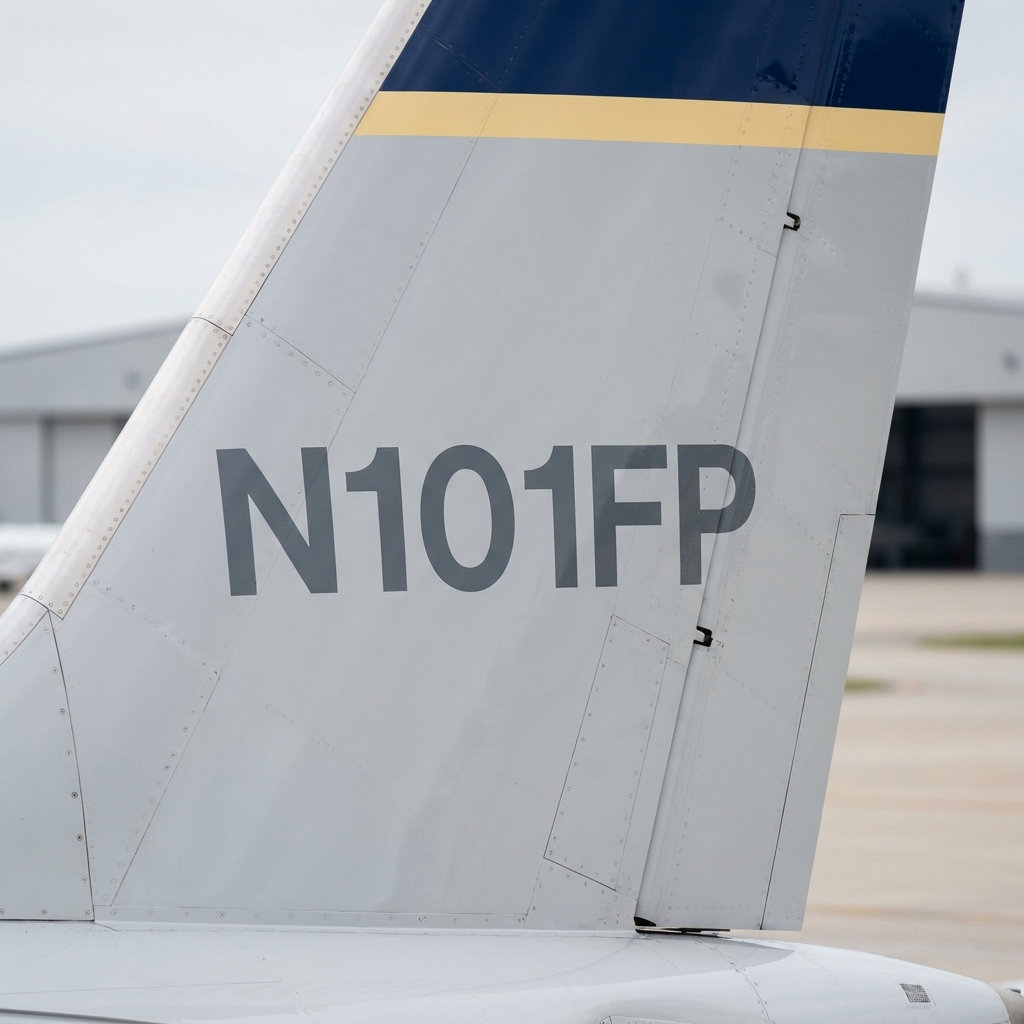
National civil aircraft registries list the legal registrant of an aircraft and the tail or registration number. Searching the appropriate registry can reveal the name under which a plane is registered and basic details about make and model. A registry entry is a strong starting point, but it may show a company name, trust, or corporate entity rather than a celebrity's personal name.
Registries differ by country in the level of publicly available detail, and a registrant name that looks corporate does not automatically mean the celebrity does not control access to the aircraft. Still, a registry record is primary documentary evidence worth prioritizing in any aircraft ownership search.
Explore FundedPlays Challenges for disciplined sports prediction
Check the national aircraft registry for the plane's registration as a first step.
Flight-tracking data, photo evidence, and corporate filings
Flight-tracking information can show aircraft movements tied to a specific tail number. When a tail number appears repeatedly in the places a public figure spends time, that can suggest usage patterns. Photographs of a tail number at an airport provide additional corroboration, but a single photo is weak on its own.
Corporate filings, such as business registrations or filings naming a corporate owner, can add context. A plane owned by a company linked publicly to an athlete is stronger evidence than an unauthenticated image. Still, many ownership structures are intentionally opaque for privacy and tax reasons, so absence of clear documentary ownership is sometimes inconclusive rather than proof of non-ownership.
Limitations: charter, fractional ownership, and privacy protections
Even when a private aircraft is repeatedly associated with a player, it may be chartered for specific trips, part of a fractional ownership program, or registered to a corporate entity or trust. Those arrangements are common and can look similar to private ownership in casual reporting. Distinguishing among these possibilities requires gathering multiple independent records and understanding the limitations of each source.
Keep detailed notes on timestamps, source names, and document copies when you research. That documentation is critical if you later need to show why you treated a claim as verified or unverified.
Private ownership, charter, or fractional share: what each scenario actually means
Full private ownership: indicators and documentation
Full private ownership typically leaves a clearer trail in a national registry, a bill of sale, insurance records, or corporate filings that point to a single owner or controlling entity. Indicators include consistent registration details, repeated flight patterns under the same tail number, and direct statements from the owner or authorized representative. However, public access to bills of sale and insurance documents is limited, so the registry remains the most accessible primary record.
Charter flights and one-off rentals
Charter arrangements are common for high-profile travelers who want privacy without the responsibilities and cost of ownership. Charters will not appear as registry ownership changes, but repeated charter flights for one person will show up in flight-tracking data if the same tail number is used, or in operator schedules. A confirmed charter invoice or operator confirmation is stronger evidence of charter use than a single photo at an airport.
Fractional ownership and corporate registration
Fractional ownership programs allow multiple parties to hold shares in an aircraft; corporate registration can further obscure an individual's connection. In these cases the registrant might be a management company or trust. That structure can be legitimate and common, but it complicates the simple assertion that a named individual owns a particular plane outright.
A concise verification checklist for ownership and usage signs
Use multiple independent records
Why the answer matters for live golf betting and event coverage
Perception and media narrative during live broadcasts
Travel reports and lifestyle stories often surface in broadcast narratives, where they shape perception about a player's focus or priorities. For people involved in live golf betting, perception can influence market behavior even when the underlying facts are weak. Because of that, bettors and analysts should separate verifiable logistical impacts from rumor and anecdote.
Logistics and potential tournament absences
Verified travel facts sometimes have real logistical implications. For example, last-minute travel disruptions or confirmed scheduling conflicts can affect a player's availability for practice rounds or sponsor commitments. Those verified scheduling changes can be relevant to markets that factor in preparation time, but only when substantiated by credible evidence.
What bettors should and should not infer
Bettors should avoid treating unverified lifestyle claims as predictive signals. A sighting of a plane or a social post does not translate automatically to course readiness or form. Prioritize performance data such as recent scoring lines, strokes-gained metrics, and course history when evaluating live markets.
When a verified travel event appears to affect availability, document the source and timing before using it in a betting stance. Clear documentation helps maintain disciplined decision-making and prevents chasing narratives that later prove inaccurate.
Decision checklist: how to weigh sources and make a responsible conclusion
Source reliability hierarchy
Start with primary records: registry entries and official statements from an owner or operator. Next, use corroborated flight-tracking data and corporate filings. Lower on the hierarchy are single social media posts, unverified photos, and anonymous tips. Weight claims accordingly and require two or more independent confirmations for stronger confidence.

Key red flags and corroboration steps
Red flags include recycled images with no timestamp, conflicting tail numbers in different reports, and registry entries that point to unrelated corporate names without additional context. If you encounter any of these, pause and seek independent confirmation before sharing or acting on the claim.
When to treat the claim as unverified
If you cannot find a registry entry, independent flight-tracking corroboration, or an official statement, treat the claim as unverified. Absence of public records is not the same as confirmation of absence, so label the claim clearly when discussing it in live coverage or on social channels.
Common mistakes and pitfalls when researching celebrity aircraft claims
Misreading registry entries and tail numbers
Registry entries may list corporate names or management companies rather than individual names. Interpreting such entries as proof of personal ownership is a common error. Tail numbers can be reassigned, and casual observers sometimes misread or misreport them; always verify numbers against multiple sources with timestamps.
Confusing charter evidence with ownership
A single image of a player boarding a plane does not establish ownership. It could indicate charter use, a one-off rental, or movement in an aircraft owned by a sponsor or third party. Look for patterns across time and confirm with flight-tracking and registry records where possible.
Amplifying unverified social media posts
Social posts spread quickly, but they often lack crucial context. Before amplifying a claim on a live stream or in a betting chat, verify timestamps, photo metadata if available, and whether the same content appears from independent sources. When in doubt, label the material as unverified and explain what evidence would be needed to upgrade confidence.
Step-by-step example checklist readers can follow now
Quick 8-step verification checklist
1) Identify a reported tail or registration number in the original claim if available. 2) Search the appropriate national aircraft registry for that registration. 3) Run a flight tracker lookup for recent movements by tail number. 4) Look for multiple independent photographs with verifiable timestamps showing the same tail number. 5) Check corporate filings or business records for companies linked to the registrant. 6) Search for official statements from representatives or the athlete's team. 7) Corroborate any billing or charter operator confirmations, when available. 8) If multiple independent sources align, treat the claim as higher confidence; otherwise label it unverified.
Document each step and save screenshots or permanent links where possible. Good documentation makes it easier to correct the record if new information appears.
Funded Plays Logo

How to document findings responsibly
Record the registry snapshots, flight-tracker outputs, photo timestamps, and any corporate filings you consult. Note the date and source for each item and store copies where they cannot be edited later. When sharing findings, show the key pieces of corroboration instead of repeating an unverified claim.
What to do if you cannot verify the claim
If your checks do not produce reliable corroboration, label the claim as unverified and explain which sources you checked. Encourage others to avoid treating the rumor as fact and to report responsibly if new primary evidence appears.
Conclusion: cautious, evidence-first next steps
When to accept a claim as verified
Accept a claim as verified when primary records align with corroborating flight movement and photographic evidence, or when an authorized representative confirms ownership or usage. Multiple independent lines of evidence reduce the risk of error and support responsible reporting and interpretation.
How fans and bettors should use the information
Fans can use verified travel facts as background context, and bettors should only consider travel-related information when it is directly tied to availability or preparation and is supported by reliable evidence. Prioritize performance data for betting decisions and treat lifestyle reports as secondary information.
Resources and where to learn more
Use national registries, flight-tracker tools, and public corporate records as primary resources for verification. Maintain disciplined documentation practices and cite sources when sharing conclusions with others.
Being methodical about verification protects both personal reputation and market integrity in live golf betting contexts. When in doubt, default to describing a claim as unverified until solid evidence appears.
Start with the national civil aircraft registry for the aircraft's registration number; registries usually show the legal registrant and basic aircraft details.
No. A single photo is weak evidence; corroborate with registry entries, flight-tracking data, or official statements before treating it as proof.
Generally no. Only verified facts about availability or confirmed last-minute schedule changes should influence betting decisions; prioritize performance metrics instead.
References
- https://www.fundedplays.com/blogs
- https://www.fundedplays.com
- https://www.fundedplays.com/blogs/how-fundedplays-evaluations-work
- https://simpleflying.com/rory-mcilroy-private-jet-guide/
- https://www.irishnews.com/news/northern-ireland/inside-rory-mcilroys-private-jet-as-he-touches-down-in-england-following-masters-win-EMVXP7I2JVBARNSSDKVV7IJTEQ/
- https://extra.ie/2025/04/24/sport/golf/rory-mcilroy-private-jet
- https://www.fundedplays.com/challenges