

Short answer and quick context: is Westbrook likely to be traded?
Short verdict
The short answer is that a headline, first-round-for-player trade for Russell Westbrook looks unlikely; the most probable outcome in early 2026 is that he stays put, or moves only in a small, cap-neutral, multi-player match with limited draft compensation. This verdict is driven by leaguewide second-apron constraints that make salary aggregation harder for high-spend teams and by Westbrook's recent placement on minimum-scale deals, which typically lowers trade return value; for an explanation of the apron mechanics, read the CBS Sports overview of the second apron rules, which outlines the real restrictions teams now face CBS Sports apron explainer. Funded Plays
Follow FundedPlays for trade‑deadline mechanics and updates
Subscribe for concise, evidence-based trade deadline notes and check back for updates if major cap moves occur.
To elaborate briefly, Westbrook's low salary profile makes him easy to match technically, but that same low salary limits what a receiving team can trade back without using non-guaranteed or minimum-scale contracts. Public reporting of Westbrook's recent contract placements shows a minimum-scale structure with the Clippers in the 2023-24 period, which is the reason smaller salary matches are the realistic currency in any transaction; see the Spotrac contract breakdown for the most recent public details Spotrac Westbrook contract page.
lakers pelicans prediction
That combination of apron pressure and a minimum-scale salary means a classic blockbuster is unlikely unless someone clears or restructures salary in the days before the deadline.

How the NBA second-apron and trade rules shape midseason deals
What the second apron restricts in practical terms
The second apron creates concrete limits on how much incoming salary a team above the apron can absorb, and it narrows options for cash considerations and salary aggregation that would have been routine before 2024; this reduces the set of feasible trade partners for high-spend clubs and raises the friction cost of assembling headline deals CBS Sports apron explainer. See a Yahoo Sports analysis of apron effects Yahoo Sports apron piece.
In practice, that means teams near the apron must often make trades that are cap-neutral on paper, or they need matching outgoing salary of similar size rather than absorbing a long list of smaller salaries. Those constraints make minimum-scale targets both easier to fit and harder to monetize into valuable return assets.
Other CBA constraints that affect trades, including Stepien limits
Beyond the apron, the Stepien Rule and related pick-trading limits prevent teams from trading first-round picks in consecutive future years, so packages that appear to rely on multiple future firsts are usually not viable without complicated protections or swaps; for a detailed technical reference on these CBA trade limits, see the CBA FAQ resources which outline Stepien and other trade restrictions CBAFAQ trade rules overview.
The combined effect of apron rules and pick-trading limits pushes trade architects toward second-round picks, pick swaps, protected later-year firsts, and non-guaranteed contracts as the most usable assets when constructing a compliant deal.
Westbrook's recent contract history and why salary size matters
Publicly documented deals and recent salary placement
Public salary reporting indicates Westbrook has been on minimum-scale or near-minimum arrangements in the most recent seasons, which reduces the raw outgoing dollar value teams can offer in a standard match and therefore limits the expected draft or salary capital returned; Spotrac records the most recent publicly documented contract placement that underlies that conclusion Spotrac Westbrook contract page.
Because the player salary being moved is small, teams looking to acquire him must construct matches that remain cap-neutral under apron rules, or they must include additional matching salaries that may only be non-guaranteed or minimum-scale deals.
salary-match checklist for minimum-scale player trades
Include guarantee status when choosing match candidates
Why a minimum-scale contract lowers trade return and increases matchability
Minimum-scale salaries are attractive to teams that need short-term rotation or veteran depth because those deals are inexpensive, but from a trade construction perspective they usually yield modest returns: small matching salaries, second-rounders, or conditional swaps rather than premium first-round compensation.
That trade dynamic both raises the probability that any Westbrook move would be low headline and increases the pool of teams that could technically take him, because the salary math is simple to satisfy if the acquiring club can offer similar small contracts or non-guaranteed deals.
Lakers 2025-26 payroll: apron pressure, roster fit and trade feasibility
Top-end commitments and tax/apron implications
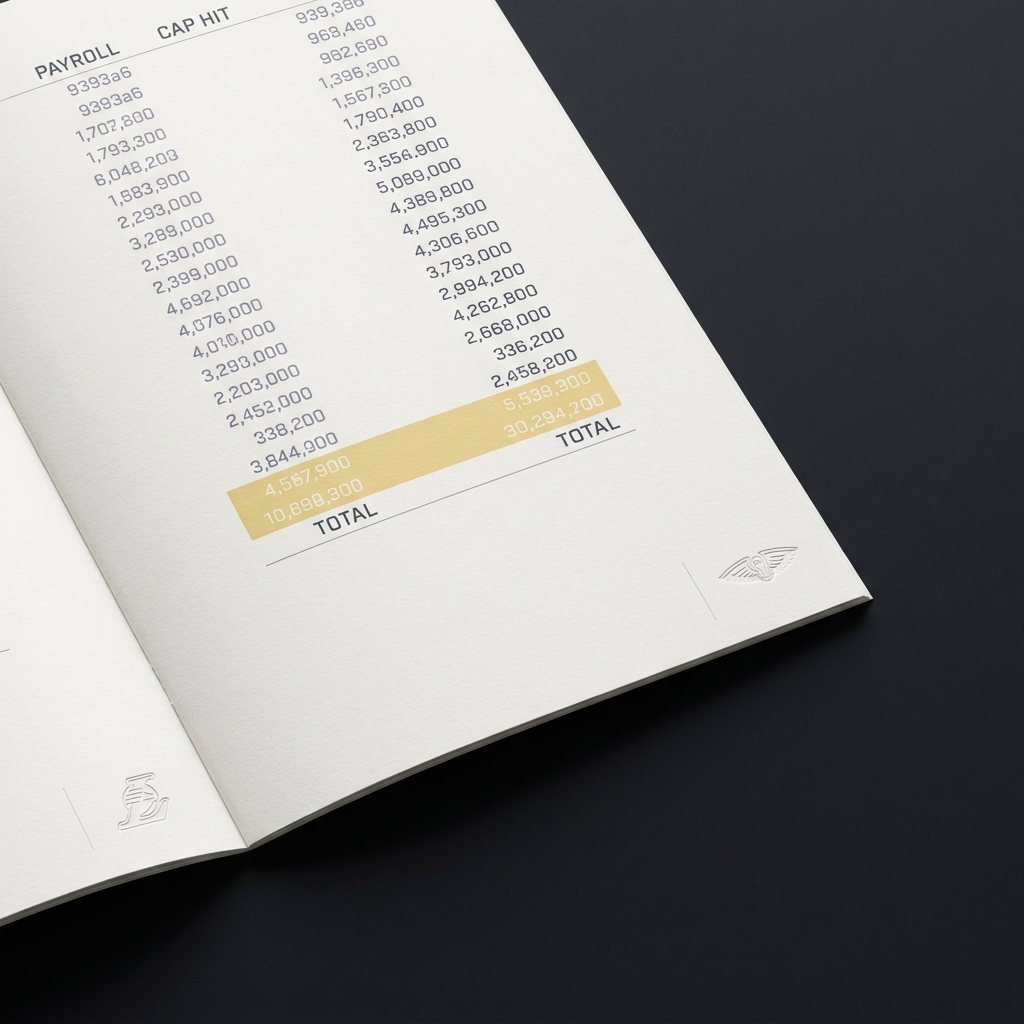
The Lakers' publicly reported 2025-26 payroll shows concentrated top-end commitments that put the franchise near tax and apron thresholds, which means they face limited flexibility to add open salary without corresponding outgoing payroll or clear cap relief; Spotrac's Lakers payroll snapshot gives the current public payroll view and illustrates why any incoming salary must be matched carefully Spotrac Lakers payroll.
For the Lakers to take on even a minimum-scale contract comfortably, they would typically need an exchange that is cap-neutral, using outgoing salary of similar size or a multi-player swap that nets out under the apron rules.
What the Lakers would need to move salary and remain cap-compliant
Given Stepien and apron constraints, realistic outbound assets the Lakers could use are seconds, pick swaps, or non-guaranteed and minimum-scale contracts-items that avoid violating consecutive first-round trade limits and leave the cap sheet functionally intact.
That means, practically, a Westbrook trade involving the Lakers would likely be structured as a small handful of matching salaries plus a minor draft sweetener, rather than a package including a protected near-term first without complex protections that satisfy Stepien constraints.
Pelicans 2025-26 payroll, role fit and what they could offer
Pelicans top-end commitments
The Pelicans' 2025-26 payroll also looks top-heavy, which creates the same apron and tax sensitivities any potential incoming guard would need to clear; Spotrac's Pelicans payroll page shows the public team commitments that drive those constraints Spotrac Pelicans payroll.
That payroll picture limits the Pelicans' ability to add a veteran guard without matching salaries or clearing space through internal roster moves.
Under current second‑apron and pick‑trading limits, and considering Westbrook’s minimum‑scale contract placement, the most likely outcomes are that he remains with his team or moves only in a small, cap‑neutral multi‑player match with limited draft return.
Role fit: where Westbrook would slot and what they must give up
Beyond cap math, the Pelicans must weigh whether Westbrook's skill set and minutes profile fit their rotation and whether the cost in matchable salaries or second-rounders is worth the roster disruption; that assessment often matters more in practice than the pure salary mechanics.
If the Pelicans were to pursue him, expect offers built from matchable minimum-scale or non-guaranteed salaries and possibly second-round picks or pick swaps that respect Stepien and apron limits rather than an offer that centers on near-term firsts.
Most likely deal constructions and concrete scenarios to expect
Cap-neutral, multi-player matches with minimal draft return
The baseline trade construction to expect is a cap-neutral multi-player match where the incoming minimum-scale salary is offset by outgoing minimum-scale salaries and perhaps a couple of non-guaranteed contracts, with a small draft pick or swap serving as the main sweetener; this is the most straightforward path under the second-apron rules CBS Sports apron explainer.

Those deals are low headline because the return is rarely a high-value pick; instead teams use seconds, swaps, and rosterable minimum contracts to make the math work while keeping the cap sheet compliant. See an apron tracker for context SportsBusinessClassroom apron tracker.
Scenarios that are unlikely: headline first-round pick packages
Trades centering on valuable near-term first-round picks are unlikely, because Stepien and related pick limits complicate packaging consecutive firsts and the apron reduces appetite for adding salary in exchange for picks that would force ugly cap consequences.
Put simply, unless a team clears a significant salary chunk or is willing to accept complex protections that push picks out several years, a big first-round for veteran-minimum swap is not the natural equilibrium under current rules CBAFAQ trade rules overview.
Signals that would change the probability
Watch for a few clear signals that would materially raise trade odds: a team cutting or buying out larger contracts to create room, a short-term guarantee change to Westbrook's contract, or a credible front-office report that a team is willing to eat salary in a one-off to acquire a veteran. Each of these events can shift what previously looked infeasible into a workable trade.
If none of those signals appear, the baseline probability remains that Westbrook either stays or moves in a modest, cap-neutral way with limited draft return, not in a headline blockbuster.
Common mistakes reading trade rumors and how to check claims
How salary and guarantee details get misreported
A frequent mistake is treating reported trades as mechanically possible without checking guarantee status and exact salary figures; misreading whether a contract is fully guaranteed or non-guaranteed leads to bad assumptions about what matching salaries solve versus what they actually require CBAFAQ trade rules overview.
Another common error is ignoring Stepien pick limits when a rumor suggests multiple future firsts will be swapped; those trade restrictions often force realistic packages toward seconds and swaps instead.

Quick checks: contract pages, CBA rules, and credible sources
Quick verification steps you can use: confirm the guarantee status and salary on contract databases, check whether the picks mentioned are tradeable under Stepien rules, and look for confirmations from credible beat writers or official team announcements, see our evaluations guide evaluations guide.
Avoid treating single anonymous tips as definitive; the mechanics here are precise and a small detail in guarantees or pick protections can make a reported trade impossible.
Quick takeaways and the key things to watch before the deadline
Watch point one: whether any team clears sizable salary or executes buyouts that change apron exposures, because those moves materially widen the deal set teams can make CBS Sports apron explainer.
Watch point two: any change in Westbrook's guarantee status or a public roster move that creates matching salary on either the Lakers or Pelicans payroll sheets, since that can convert an impossible fit into a straightforward match; check contract databases for those updates Spotrac Westbrook contract page and our blog our blog. Also consult the Spotrac apron tracker Spotrac apron tracker.
Watch point three: credible confirmations from team sources rather than repeated anonymous rumors, because official or widely corroborated reporting often precedes a real transaction in tight cap environments.
Bottom line: absent a clear salary clear or guarantee change, the most likely outcomes are no move or a small, cap-neutral match with limited draft compensation.
Apron rules limit incoming salary flexibility and cash in trades for teams above the apron, which reduces options for big salary aggregation and makes cap‑neutral matches more likely.
A minimum‑scale contract makes him easier to match technically but reduces the trade return value, so moves tend to be lower headline and built around small salaries or seconds.
Look for teams clearing sizable salary or buyouts, any change to Westbrook’s guarantee status, and corroborated reporting from credible team sources.
References
- https://www.cbssports.com/nba/news/nba-second-apron-rules-explained-what-new-restrictions-mean-as-2024-free-agency-begins/
- https://www.spotrac.com/nba/los-angeles-clippers/russell-westbrook-9884/
- https://cbafaq.com/salarycap.htm
- https://www.spotrac.com/nba/los-angeles-lakers/cap/
- https://www.spotrac.com/nba/new-orleans-pelicans/cap/
- https://www.fundedplays.com/challenges
- https://www.fundedplays.com
- https://www.fundedplays.com/blogs
- https://www.fundedplays.com/blogs/how-fundedplays-evaluations-work
- https://sports.yahoo.com/nba/article/the-problem-with-the-nbas-second-apron-204009360.html
- https://sportsbusinessclassroom.com/nba-2026-27-apron-tracker/
- https://www.spotrac.com/nba/apron/_/year/2026