

Why travel and scheduling matter for tennis players
How Travel and Scheduling Affect Tennis Players is not just a scheduling question, it touches on physiology, performance, and injury risk. Crossing time zones and tight tournament windows can produce circadian misalignment and sleep disruption that reduce alertness and readiness; public health guidance notes that adaptation tends to take about one day per time zone and that timed light exposure and short term melatonin can help with adjustment CDC Yellow Book.
Professional tours move players across continents and climates, which means many elite competitors face compressed recovery windows, travel fatigue, and variable match timing within a single event. That mix raises practical questions about when to arrive, how to schedule practice, and how to protect sleep so match skills are preserved.
Outcomes depend on individual response and planning choices. Some players tolerate travel and late matches better than others. This article emphasizes evidence based guidance and conservative planning rather than guarantees of specific results.
Plan arrival timing and recovery with a simple checklist based on best practices
Download the travel checklist to help structure arrival timing, sleep shifts, and practice intensity for tournament weeks.
Scope of the problem on global tennis tours
Global tennis tours require frequent long haul flights, quick turnarounds, and matches scheduled by broadcasters and tournament directors. These realities can create several days of accumulated sleep debt and circadian strain if not managed proactively.
What readers will learn in this article
Readers will get practical steps for pre flight and in flight routines, a simple tool to estimate adaptation days based on time zones crossed, and a one week template for match weeks. The guidance is intended for adaptation and monitoring rather than guaranteed outcomes.
How circadian rhythms, sleep, and time zones interact
Circadian rhythms govern sleep timing, peak alertness, and many physiological processes. When a player crosses multiple time zones the internal circadian phase can be out of sync with local clock time, producing jet lag symptoms and sleep disruption; health guidance summarizes the common rule of thumb that about one day per time zone is a reasonable starting point for resynchronization NHS jet lag guidance.
In practical terms, that guideline helps teams plan arrival timing. If a player crosses three time zones, planning for roughly three days to settle before high intensity competition is a conservative baseline, adjusted for individual differences and schedule constraints.
Eastward travel normally requires more effort to advance the circadian phase than westward travel does to delay it, so arrival timing and light exposure plans should reflect travel direction when possible.
Basic circadian biology for coaches and players
Circadian phase sets windows for best sleep and alertness, which affects when training and high stakes matches should be scheduled. Understanding the biology helps coaches choose light and sleep strategies to shift the phase predictably.
Typical adaptation speed per time zone
Use the one day per time zone guideline as a pragmatic rule for planning, not an exact prescription. Individual rates vary and practical constraints often force tradeoffs between arrival time and tournament commitments.
Direction and magnitude: east versus west and performance consequences
Direction of travel matters: eastward travel typically creates harder to shift circadian disruption than westward travel, which can translate into larger immediate decrements in alertness and timing based skills when arrival time is short CDC Yellow Book.
Field data from other elite sports indicate measurable performance changes after time zone shifts, though sport specific magnitudes vary and direct tennis data are more limited; careful interpretation is required when applying findings across sports PNAS study on MLB and jet lag. Additional open access reviews examine travel effects on athlete sleep and performance see a review.
Estimate recommended adaptation days from time zones crossed
Use as a quick planning guide
Magnitude matters too. Short hops across a single time zone rarely require the same level of mitigation as crossing half a continent. For larger shifts, especially eastward travel across five or more zones, allow more conservative adaptation time where feasible.
Performance studies from elite sport
Studies in high level sport settings link circadian shifts to changes in reaction time, decision making, and other performance metrics, which supports treating time zone changes as a real operational risk for competitive readiness.
How magnitude of time zone change scales risk
As time zones crossed increase, so does the likelihood of residual sleep debt and phase misalignment on match day, and teams should scale arrival and recovery plans accordingly rather than using one fixed rule for every trip.
Sleep, alertness, and in-match skills: what can decline
Circadian misalignment and disrupted sleep can slow reaction times and impair decision making, which are central to serve returns, volley timing, and shot selection; clinical guidance and field reports in elite sport contexts link these outcomes to jet lag and sleep disturbance CDC Yellow Book.
Reduced physical output and endurance also follow poor sleep and misalignment, so match stamina and repeated sprint ability can be affected in longer rallies or multi match days. Coaches should monitor perceived exertion and objective markers when possible.
Because tennis performance relies on split second timing and consistent decision making, even modest decrements in alertness can shift competitive margins. However exact magnitudes differ by individual and by the specific demands of a match.
Reaction time, decision making, and endurance
Reaction time is one of the most sensitive skills to sleep loss and circadian disruption. Training that simulates match timing under varying sleep conditions can help identify vulnerable players and inform individualized arrival planning.
Why these capacities matter in tennis
In tennis, impaired decision making or slightly delayed reactions can turn close points into losses. The interaction of sleep, circadian phase, and match timing makes travel management a core aspect of performance planning.
Load, recovery, and injury risk on congested schedules
Short recovery windows and cumulative load increase injury risk in elite athletes, and consensus guidance on load and injury emphasises protecting rest and monitoring cumulative exposure during intense competition periods IOC consensus statement on load and injury.
Tournament congestion, travel related fatigue, and insufficient sleep combine to raise the physiological and perceptual load on players. This increases the importance of conservative training loads and protected rest periods during match weeks.
Practically, teams should prioritize rest days and use objective or subjective workload measures to flag players who need modified practice intensity to reduce injury risk while preserving readiness for competition.
IOC consensus on load and injury
The IOC guidance frames load management as a risk reduction strategy. Applying those principles in tennis means monitoring match density, training volume, and recovery metrics during travel heavy periods.
Why rest days matter during tournaments
Protected rest days reduce cumulative fatigue and give players time to correct sleep debt and rehydrate before key matches. When schedules cannot provide rest days, other mitigations become more important.
How rules and tournament policies shape recovery opportunities
Tournament rules and governance can change match timing and therefore recovery windows. For example, ITF policies allow extreme weather adjustments that can shift match order or timing and have downstream effects on when a player can rest or train ITF Extreme Weather Policy.
Broadcaster demands, travel connections, and venue logistics also shape feasible arrival times and practice windows. Players and coaches should factor likely schedule constraints into travel plans rather than assuming a fixed daily routine will be possible; visit the Funded Plays blog for related resources.

When match schedules change at short notice, contingency planning can preserve recovery. That means ready to shift practice intensity, adjust sleep plans, and prioritize sleep and nutrition over additional on court time when recovery is compressed.
ITF Extreme Weather Policy and timing changes
Heat and weather rules are designed to protect player safety but they can alter match timing. Teams that anticipate these adjustments can avoid last minute decisions that increase fatigue or injury risk.
Other scheduling constraints tournaments commonly use
Draw size, television windows, and court availability all influence match placement. Understanding these constraints helps teams choose arrival days that maximize recovery given realistic schedule patterns. See the Funded Plays homepage for more about planning and travel logistics Funded Plays.
Pre-flight and pre-arrival strategies players should use
Effective pre travel routines reduce circadian disruption. Gradual pre flight sleep shifting and planned light exposure are practical steps to move circadian phase before departure, and short term melatonin is an evidence based option when used appropriately as part of a broader plan MedlinePlus jet lag guidance.
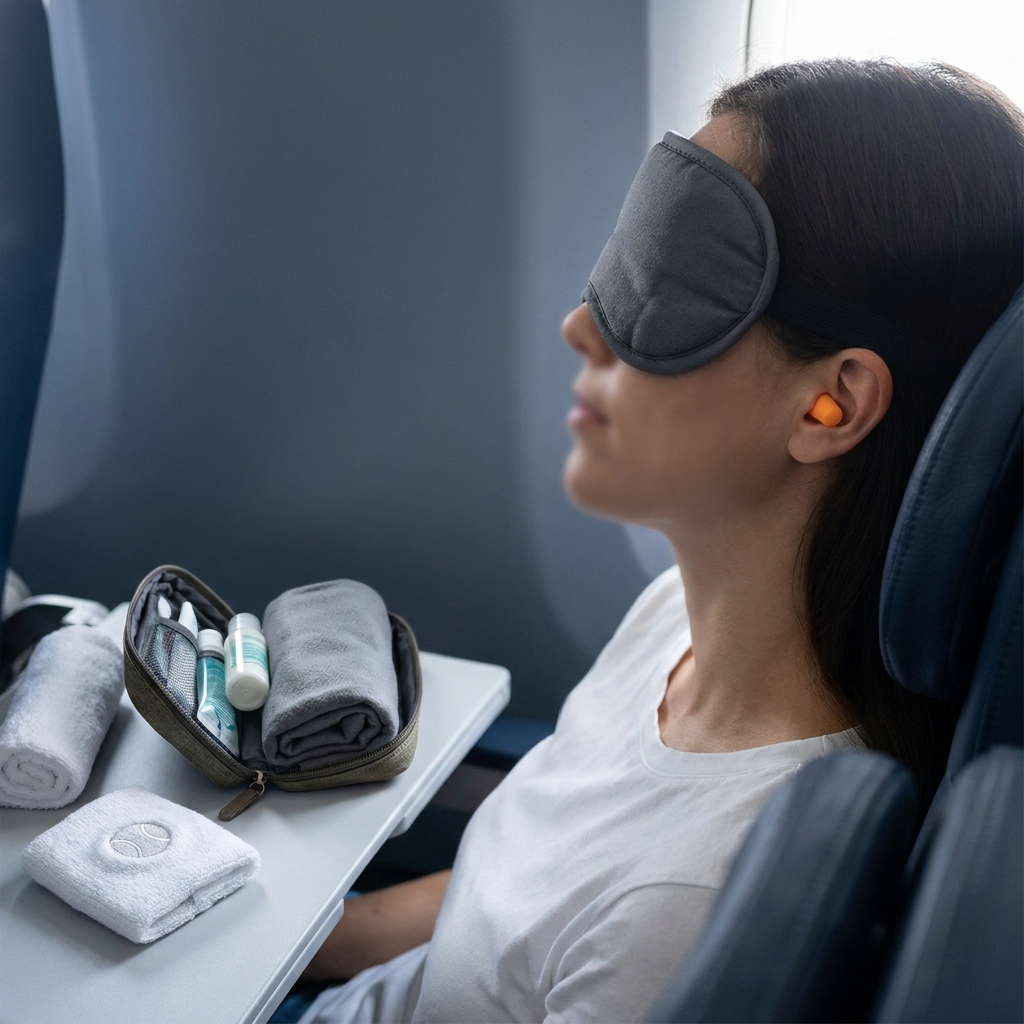
Other pre travel details matter: timing meals to local plan, packing essential sleep aids like eye masks and ear plugs, and avoiding long late naps in the day before departure help limit accumulated sleep debt en route.
A pre travel checklist that combines sleep shifts, light strategies, hydration, and nutrition reduces the number of corrective steps needed after arrival and makes scheduled training on day one more predictable.
Sleep shifting and light exposure planning
Move bed and wake times by 30 to 60 minutes per day toward the destination time when schedule allows. Combine the shift with timed light exposure to reinforce the desired phase change and reduce reliance on pharmacological aids. See a practical guide to strategic light exposure on light timing.
Packing and nutrition for travel
Pack a simple hydration plan, electrolyte options, and familiar easy to digest foods for arrival day. Having consistent meal timings aligned to the arrival time supports circadian entrainment.
Practical in-flight and arrival routines to speed recovery
On long flights, optimizing sleep and light exposure helps align the body with destination time. Aim to sleep on the aircraft when it coincides with destination night and use daylight on arrival to strengthen the new schedule CDC Yellow Book.
Manage hydration and movement during the flight to reduce travel fatigue and prepare the body for competition. Simple mobility, avoiding excess alcohol, and using compression where appropriate assist arrival recovery.
Players should combine pre flight sleep shifts, timed light exposure, short strategic naps, and a graded return to intensity after arrival, while aiming for 48 to 72 hours before high stakes matches when feasible and using daily monitoring to individualize the plan.
After arrival, limit naps to under 30 minutes before mid afternoon and plan a graded return to training rather than full intensity immediately; these steps reduce sleep inertia and help the circadian system adjust more smoothly MedlinePlus jet lag guidance.
Managing sleep on the plane
Use a combination of sleep hygiene tools on the plane, including an eye mask, ear plugs, and a consistent pre sleep routine to increase the chance of meaningful rest when the clock calls for it.
Arrival first 24 hours checklist
On day of arrival prioritize light exposure, a short low intensity movement session, hydration, and an early local bedtime to align sleep with local time and accelerate adaptation.
Monitoring, individualization, and when to wait 48-72 hours
For many players and teams, allowing 48 to 72 hours between arrival and high stakes matches is a reasonable target when feasible, and it provides a buffer for adaptation and recovery; sports science guidance promotes this conservative window while acknowledging individual variability IOC consensus statement on load and injury.
Objective and subjective monitoring supports individualized decisions. Sleep logs, short questionnaires about fatigue, and simple performance checks during light training help determine if a player is ready for match intensity.
Use the 48 to 72 hour guideline as a planning tool rather than an absolute rule. For some athletes shorter or longer windows may be appropriate based on prior responses to travel and current workload.
Use of sleep logs and subjective fatigue scales
Daily sleep diaries and short fatigue scales offer low burden ways to track adaptation. Coaches should use these tools together with observation of on court timing and recovery to guide final match readiness choices.
Tailoring the 48-72 hour rule to the individual
Some players show fast adaptation and can be ready sooner, others need more time. Monitoring and conservative decision making for high stakes matches reduces the chance of avoidable performance decline or injury.
Training modification and load management after travel
After travel, plan a graded return to intensity with lower volume sessions on day one and progressive increases by day three, which aligns with load management principles intended to reduce injury risk while restoring competitive readiness IOC consensus statement on load and injury.
When competition density is high, reduce cumulative load by shortening practice duration, focusing on high value technical work, and protecting scheduled rest windows so players do not accumulate unnecessary fatigue.
Monitoring session RPE and objective metrics when available makes it easier to adapt training quickly if a player shows signs of excessive fatigue after travel.
Graded intensity returns
Day one after arrival should emphasize mobility, technical timing drills at low intensity, and sleep opportunity. By day three incorporate higher intensity work if subjective and objective markers support it.
Reducing cumulative load in tournament weeks
Limit additional high intensity sessions between matches and prioritize recovery modalities that have reliable, low risk benefits, like sleep, nutrition, and light movement to aid circulation.
Sample scheduling scenarios and decision flowcharts
Short trips over one to two time zones usually require minimal adaptation and can be handled with simple sleep and light adjustments, planned naps, and conservative training intensity on arrival CDC Yellow Book. Practical guidance on minimizing jet lag and maximizing performance is available from sports resources Minimizing Jet Lag.
When trips involve five or more time zones, especially eastward, plan for at least 48 to 72 hours before key matches and use phased light exposure, sleep timing, and monitoring to guide training intensity. For Grand Slam or major events, err to the conservative side when stakes are high.
When tournament schedules compress recovery due to weather, late matches, or travel links, use contingency steps: delay high intensity work, prioritize sleep and nutrition, and communicate with organizers if recovery windows are unsafe.
Short trip: 1-2 time zones
Arrive the day before or earlier depending on personal tolerance, adopt local meal and sleep timing, and plan one low intensity practice aligned to local peak alertness.
Long trip: 5+ time zones and major events
Arrive 48 to 72 hours before competition where possible, rely on phased sleep shifts and daylight exposure, and keep early sessions focused on timing and light intensity rather than full match simulation.
Common mistakes players and teams make
Frequent errors include arriving the day before a key match, relying on long late naps, and pushing full intensity sessions immediately after long flights. These choices worsen circadian misalignment and raise cumulative load risk MedlinePlus jet lag guidance.
Ignoring light exposure and sleep timing is another common pitfall. Light is one of the strongest behavioral cues for circadian timing, so failing to plan exposure at arrival reduces the efficiency of adaptation.
Corrective actions are straightforward: plan arrival to allow adaptation when possible, limit naps and use short strategic naps if needed, and start with lower intensity practices until monitoring shows readiness.
Ignoring light exposure and sleep timing
Mismanaged light exposure can move the circadian phase in the wrong direction. Use daylight to reinforce desired sleep phase and limit evening bright light when trying to advance the phase.
Ramping intensity too quickly after arrival
Ramping intensity before a player is adapted increases injury risk and reduces the recovery value of practice. Conservative progression is safer and often more effective.
Putting it together: a one-week travel and match plan template
Two days pre flight: begin shifting sleep by 30 to 60 minutes per night toward destination time, plan light exposure windows, and prepare a packing checklist with sleep tools, hydration, and familiar foods MedlinePlus jet lag guidance.
Day of travel: follow planned sleep windows on the aircraft, hydrate, move frequently, and align in flight sleep to the destination night when possible. Arrival Day 1: prioritize daylight exposure, limit naps to under 30 minutes before mid afternoon, and keep training low intensity.
Day 2 to Day 3: gradually increase intensity if subjective and objective markers indicate adaptation. Day 3 to Day 4: for many players this is when higher intensity work and match simulations become appropriate, but always individualize based on monitoring.
Example daily schedule from two days preflight to competition day 4
The template includes specific sleep windows, timed light exposure recommendations, and progressive training intensity cues. Use it as a starting point and adapt based on each player response.
Checklist for players and coaches
Include items for sleep tools, hydration strategy, light exposure plan, travel day movement, and a monitoring plan with daily sleep logs and fatigue checks. See how Funded Plays evaluates travel readiness in our evaluations page how Funded Plays evaluations work.
Key takeaways and action checklist for players and coaches
Top actions: allow 48 to 72 hours between arrival and key matches when feasible, use timed light exposure to speed adaptation, consider short term melatonin under guidance, monitor sleep and subjective fatigue, and protect rest days during tournament weeks CDC Yellow Book.
Remember that evidence comes from public health and sports science sources and that individual responses vary. Use monitoring to tailor plans and avoid rigid rules that fail individual checks.
Prioritized checklist: plan arrival timing, prepare a pre travel sleep shift, pack sleep and hydration tools, limit late naps, plan graded intensity returns, and use daily monitoring to guide final match readiness.

Two days pre flight: begin shifting sleep by 30 to 60 minutes per night toward destination time, plan light exposure windows, and prepare a packing checklist with sleep tools, hydration, and familiar foods MedlinePlus jet lag guidance.
Day of travel: follow planned sleep windows on the aircraft, hydrate, move frequently, and align in flight sleep to the destination night when possible. Arrival Day 1: prioritize daylight exposure, limit naps to under 30 minutes before mid afternoon, and keep training low intensity.
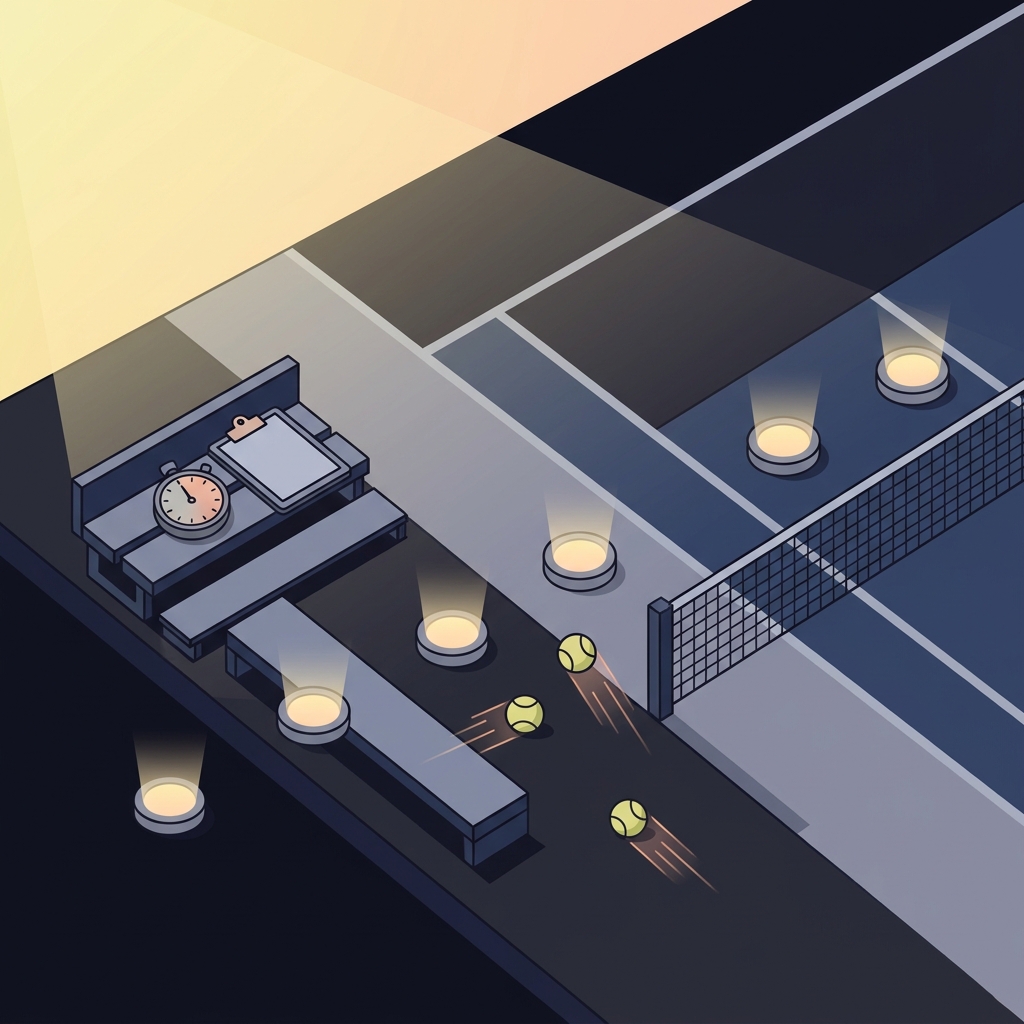
Day 2 to Day 3: gradually increase intensity if subjective and objective markers indicate adaptation. Day 3 to Day 4: for many players this is when higher intensity work and match simulations become appropriate, but always individualize based on monitoring.
Day 3 to Day 4: for many players this is when higher intensity work and match simulations become appropriate, but always individualize based on monitoring.
A common guideline is about one day per time zone as a starting point, and many teams aim for 48 to 72 hours before key matches when feasible, individualized by monitoring and tolerance.
Short term melatonin can aid phase shifting when used appropriately as part of a broader plan, but dosing and timing should follow clinical guidance and a team medical advisor.
Prioritize hydration, align in flight sleep with destination night, move regularly, avoid excess alcohol, and use eye masks and ear plugs to improve rest.