

How Travel Affects College Football Teams: Overview
What we mean by travel in college football
Travel in college football describes the practical movements that take a team away from its home facilities for preparation or competition. That includes team flights, bus trips, overnight stays, time-zone crossings, and the intra-day movements that connect those elements. It also covers the support tasks around travel: early meetings, team meals on the road, and the time needed to move equipment and staff.
The focus here is on predictable operational factors rather than rare events. Travel can be routine, such as a short regional bus trip, or more complex, such as a multi-leg flight across time zones. Regardless of scale, travel changes the rhythm of practice, sleep, and recovery in ways staff can plan for.
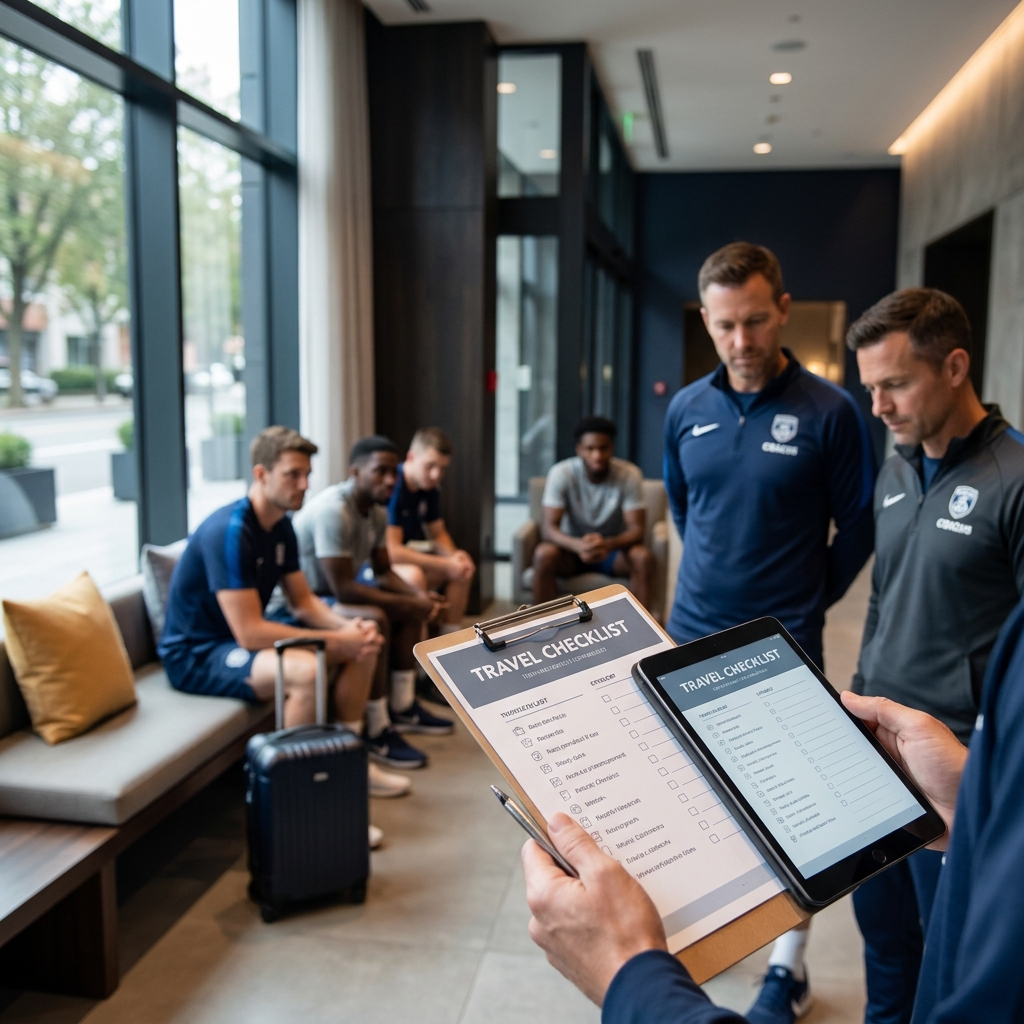
a compact travel planning checklist for team ops and coaches
keep entries simple and repeatable
Why travel matters for performance and player welfare
Travel matters because it alters the time players spend resting, preparing, and rehearsing. When routines are interrupted, small losses in sleep, practice specificity, or focus can accumulate into larger effects on readiness. Staff who manage travel well aim to protect sleep opportunity, limit avoidable stressors, and preserve key preparation time.
Teams often face trade-offs between arriving early to rehearse and minimizing the time away from normal recovery. Those trade-offs are central to planning and are best resolved with clear priorities for player welfare, practice content, and logistical feasibility.
Key travel factors that influence team performance
Distance and travel mode
How far a team travels and how it gets there strongly influence planning. Short regional bus trips have different risks than flights. Bus trips may allow flexible departure times but can be tiring when travel times are long. Flights reduce transit time but introduce airport routines, security lines, and the need to manage sleep on aircraft or in transit hubs.
Direct flights shorten total travel time and limit the number of transitions where delays or delays cascade. Multiple legs increase the time players are out of their normal routines and reduce usable recovery windows after arrival.

Time-zone changes and circadian disruption
Crossing time zones changes the relationship between clock time and players' internal clocks. It can make local game times feel earlier or later for athletes, which affects alertness. When teams cross multiple time zones, staff should expect more planning is needed to align schedules with local time.
Smaller trips within the same time zone usually pose less risk to basic sleep timing, but other factors such as early departures, late meetings, or long bus rides can still disrupt routines.
Try a travel checklist for consistent away-game readiness
Plan travel by prioritizing sleep opportunity and keeping key pregame practices focused and short.
Travel timing relative to game day
The timing of departures and arrivals directly determines how much quality preparation time remains. Traveling too close to kickoff can squeeze practice and recovery. Traveling very early can cause missed sleep at home and reduce the benefit of being 'early' at the destination.
Good planning balances arrival time with the need for a stable sleep opportunity and an effective walk-through or light practice. Operations staff should map out the hours from wake-up through kick and protect slots for recovery, team meetings, and predictable nutrition.
How time zones and circadian disruption matter for college football
Circadian basics in plain language
Circadian rhythm is the body's internal timing system that organizes sleep and wake cycles over roughly 24 hours. It responds to light, meal times, and social routines. When a team moves across time zones, that internal timing can be out of step with the local schedule, producing feelings of sleepiness or reduced alertness at times when the team needs to be sharp.
Short trips that do not cross time zones mainly affect total sleep opportunity rather than the body's clock. Cross-country or multi-time-zone travel introduces circadian misalignment that can take longer to stabilize.
When travel disrupts routines, prioritize sleep opportunity and simplified, high-value preparation. Use clear checklists, protect recovery windows, and document choices so the team can evaluate and refine decisions.
Sleep timing vs. sleep quantity
Two related issues matter: how long players sleep and when they sleep. A player who gets eight hours on a bus or plane at the wrong time of day may still feel misaligned for performance tasks scheduled at a different clock time. Both quantity and timing are relevant to readiness, but timing is often the harder problem to fix quickly.
Coaches and staff can reduce risk by protecting the longest continuous sleep window possible and by using predictable schedules for meals and light exposure after arrival.
Practical signs of circadian misalignment in players
Coaches can look for patterns rather than single events. Common practical signs include players who appear unusually sleepy in afternoon meetings, slower reaction during physical drills, or inconsistent alertness during walkthroughs. These observations are useful because they point to routine adjustments that can be tested and tracked.
Because individual responses vary, combine observation with simple checklists and short surveys rather than relying on a single staff impression. That approach helps staff spot trends across a roster and adjust plans for the whole group or selected players.
Flight logistics, travel timing and recovery windows
Best and worst travel windows before game day
There is no universal best window for every team, but some patterns are common. Same-day travel to late kickoff times can preserve normal sleep at home but reduce on-site rehearsal time. Traveling the day before provides time to settle but can reduce a night of sleep at home and introduce hotel-based sleep challenges.
Teams that travel two days before a game often gain a stable sleep opportunity and a full day for light practice. That extra day comes at a cost: more time away from campus and potentially more logistical complexity. Staff should weigh those trade-offs against roster depth and opponent preparation needs.
Managing multi-leg travel and connections
Multi-leg itineraries increase the number of transitions and the chance of delays. Each connection reduces the time available for uninterrupted sleep and for orderly arrival at hotels or practice sites. When possible, prioritize direct connections or routings with reliable connection times to protect recovery windows.
If connections are unavoidable, build buffer time into schedules, and consider moving crucial team meetings earlier to account for potential late arrivals. Assign clear roles for staff to handle equipment, late arrivals, and communications so players can focus on rest.

Hotel selection and in-transit recovery options
Hotel choice matters for simple reasons: available quiet, blackout options, and basic recovery facilities. A consistent, quiet room with a stable bedtime routine reduces the chance that players lose restorative sleep. When possible, select hotels that offer predictable meal times and straightforward transport to practice and game venues.
During flights or long drives, encourage short naps timed to local night-time when feasible, controlled hydration, and avoiding heavy meals close to planned sleep. These are operational habits rather than medical prescriptions and are chosen because they support consistent rest.
Team preparation and routines on the road
Maintaining practice quality away from home
When travel reduces available practice time, prioritize high-value activities: mental reps, walk-throughs, special-teams timing, and simple schematic clarity. That preserves physical freshness and focuses limited time on the plays and situations most likely to matter in the game plan.
Smaller, focused sessions often beat long, full-speed practices late in the travel window. Use filmed walk-throughs or classroom film sessions to maintain tactical preparation without adding fatigue.
Nutrition and sleep routines
Consistent meal timing and predictable composition help support sleep and energy levels. Teams should build simple nutrition checklists for travel days: consistent carbohydrate and protein sources, sensible portion sizes, and controlled caffeine use tied to planned wake times. Avoid big changes to diet immediately before competition unless the staff has tested them in advance.
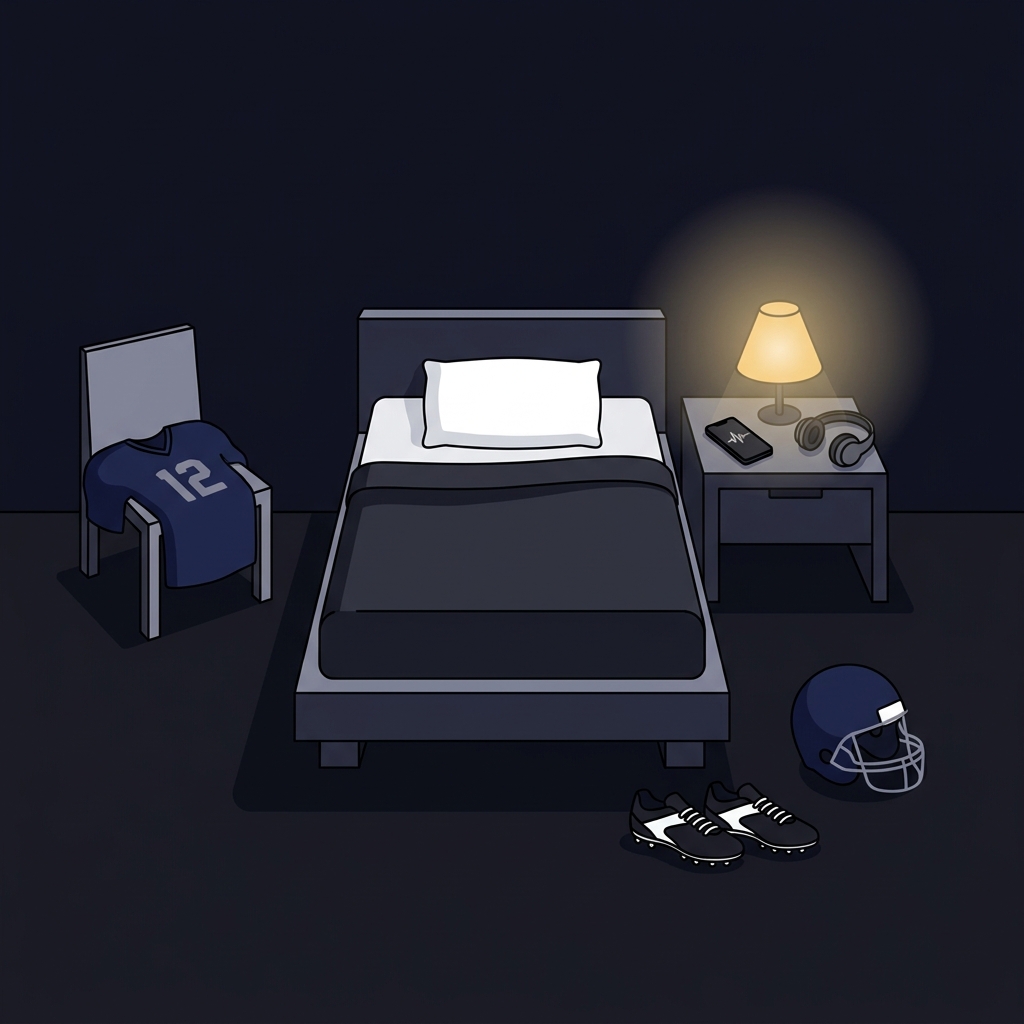
Sleep routines should prioritize a single longest uninterrupted sleep period, regular wake times, and wind-down routines that players know and can follow while away. Small, repeatable rituals-such as a brief guided breathing routine or a specific pre-sleep snack-can signal rest time and improve sleep opportunity in unfamiliar environments.
Communication and mental readiness
Clear, concise communications reduce cognitive load for players who are already managing travel stress. Keep briefings short and directive, and provide written checklists for arrival, meeting times, and room responsibilities. That reduces the mental overhead players face and frees attention for performance tasks.
Leaders should acknowledge that travel adds friction and set expectations about what will change. That transparency supports buy-in when the staff reduces practice intensity or adjusts rotation plans for recovery reasons.
Strategies coaches and players use to reduce travel impact
Sleep hygiene and strategic light exposure
Sleep experts share strategies that include protecting a consistent sleep window, minimizing blue-light exposure before planned sleep, and using morning daylight exposure to help align body clocks after arrival. These steps are low-cost and repeatable across seasons.
When teams cross time zones, gradually shifting sleep times in the days before travel may help, but such shifts require early planning and a clear schedule. Smaller teams can also stagger arrival times for players who play different roles to reduce full-roster disruption.
Roster and play-calling adjustments
Coaches often adapt rotation patterns or simplify play-calling when they expect travel-related fatigue. That can mean more rotation to protect starters, shorter playbooks for certain situations, or emphasizing high-percentage plays that reduce mental load. These decisions are practical compensations rather than concessions: they keep players fresh and reduce the chance that fatigue leads to mistakes.
Any adjustment should be documented and communicated so players understand the rationale. That transparency helps maintain trust and reduces surprise on game day.
Use of travel-specific checklists
Operational checklists that cover packing, equipment staging, meeting times, and contingencies reduce errors that add stress on travel days. A consistent checklist frees players and coaches from ad hoc decisions and lowers the chance that small logistical issues cascade into larger readiness problems.
Checklists also make it easier to review what went well or poorly after a trip, which supports iterative improvement over a season.
Decision criteria: when travel should change game planning
Prioritizing rest vs. tactical preparation
Decisions about practice intensity and rest should be driven by simple criteria: how much sleep opportunity players have, how far the trip is, and how many time zones were crossed. When sleep opportunity is clearly reduced, favor rest and simplified preparation over heavy physical practice.
Document the decision and the reasons for it so staff and players understand the trade-offs. That record helps in post-game reviews and in communicating with athletic department stakeholders.
Evaluating opponent strength and travel cost
The relative strength of the opponent and the competitive importance of the match are legitimate inputs. For a critical game, staff may accept more travel risk in exchange for additional on-site preparation. For lower-stakes contests, protecting player freshness might be the better choice.
Use a short decision checklist that weights travel disruption, opponent difficulty, and roster depth to arrive at a consistent operational choice rather than making the same call differently each week.
Communicating changes to stakeholders
Be explicit with players, medical staff, and department leaders when travel forces changes to routine. Explain the operational reasons, expected benefits, and how success will be measured. Open communication reduces rumors and aligns everyone on the plan.
Keeping a brief written rationale also helps with continuity if staff changes or if the same travel scenario arises later in a season.
Common mistakes teams make when traveling
Waiting too long to prioritize sleep
One common mistake is scheduling late meetings or team events that cut into prime sleep opportunity before a travel day or the night before a game. Protecting sleep windows is often a higher-return action than adding an extra film session late at night.
Quick mitigation is to set a firm latest-start time for meetings and hold key information in written form so players can read it asynchronously if needed.
Overloading practice after arrival
Another error is trying to make up for lost practice time with long, intense sessions immediately after arrival. That often adds fatigue and increases injury risk. Instead, prefer short, high-value sessions and reserve intense work for normal training windows back on campus.
If physical preparation is essential, split it into shorter segments across available days and protect the players most likely to be physically taxed during the game.
Ignoring small logistical details
Missing chargers, equipment miscounts, or unclear room assignments add stress and can distract players. Small failures compound the fatigue and make it harder for athletes to maintain focus. Use a checklist and a single staff member accountable for each operational area to avoid these pitfalls.
Simple fixes-redundant chargers, pre-bagged meals, and a short arrival orientation-save time and mental energy on game day.
Practical scenarios and examples
Short regional road trip
Scenario: a three-hour bus ride to a same-time-zone opponent. For this trip, prioritize keeping players on their usual sleep schedule and plan a light walkthrough after arrival rather than a long physical session. Keep travel windows comfortable by scheduling a mid-morning departure that avoids very early wake-ups when possible.
Checklist: protect sleep, plan a short walkthrough, assign a hydration lead, confirm hotel quiet rooms, and maintain regular meal timing.
Cross-country flight with multiple time zones
Scenario: a flight across three time zones for an evening kick. For such trips, consider arriving two days early to allow adaptation or, if that is not feasible, use strict light and sleep routines to accelerate alignment to local time. Protect the first full night at the destination as the primary sleep window.
Checklist: prioritize direct flights, build buffer into connections, plan morning daylight exposure, stagger arrival for key players if needed, and keep the first practice short and tactical.
Holiday-weekend travel case
Scenario: travel around a holiday can bring irregular fan activities, late events, and crowded airports. Plan for extra time at security and confirm hotel meal availability. Protect team routines by booking quieter hotels and by providing clear guidance on curfew and optional activities.
Checklist: confirm meal options, set clear curfews, assign staff to manage transport and equipment, and keep pregame meetings concise to reduce late-night gatherings.
Conclusion: balancing competitive fairness and travel realities
Key takeaways
Travel affects teams through sleep disruption, compressed preparation windows, and added logistical stress. Many practical, low-cost strategies exist to reduce those impacts: protect sleep opportunity, simplify practice when necessary, use clear checklists, and communicate decisions clearly.
Because teams and trips differ, use simple metrics and plain observation to evaluate the effect of changes. Iteration and consistent documentation are more valuable than a single perfect plan.
Next steps for teams and staff
Create or adapt a travel checklist, run a pilot on one type of trip, and track a few simple indicators: arrival sleep window length, reported player alertness, and late logistical issues. Use those data to refine routines across the season.
Small, repeatable improvements in travel planning can preserve player readiness and reduce avoidable fatigue without requiring large investments.
The best timing depends on distance, time-zone changes, and roster needs. Many teams balance arrival time to preserve sleep and allow a short tactical session; there is no single rule that fits every situation.
Yes. Long bus rides can reduce rest and increase fatigue even in the same time zone, so operations should protect sleep opportunity and plan lighter on-site sessions.
Medical options exist but should be managed by team medical staff. Non-medical strategies like sleep routines and light exposure are practical first steps.
References
- https://pmc.ncbi.nlm.nih.gov/articles/PMC13030464/
- https://www.sciencedirect.com/science/article/pii/S2451994423000147
- https://humsci.stanford.edu/feature/sleep-experts-share-strategies-minimize-jet-lags-effects-college-athlete-performance-and
- https://www.fundedplays.com/challenges
- https://www.fundedplays.com
- https://www.fundedplays.com/blogs
- https://www.fundedplays.com/blogs/how-fundedplays-evaluations-work