
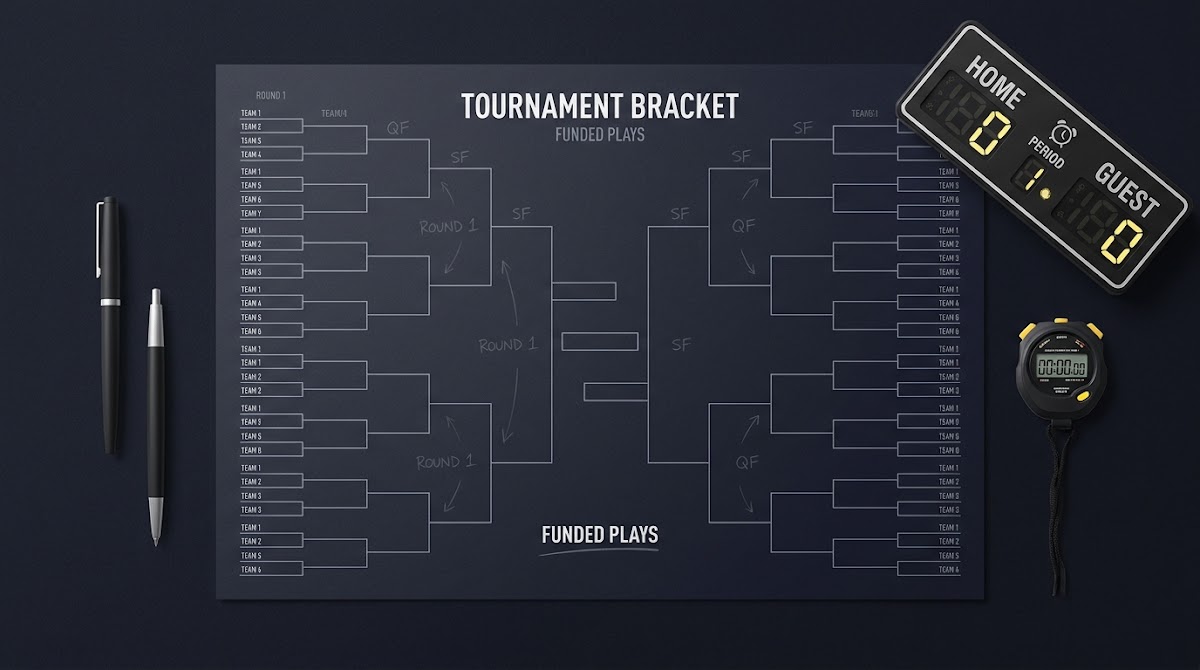
How Tournament Matchups Work: definition and why matchups matter
A matchup is a planned pairing between competitors in a structured contest. In simple terms, a matchup names the two or more entrants who meet in one contest at a defined time and place. Some formats, such as round-robin group stages, intentionally schedule every entrant to meet every other entrant in the same group, while elimination brackets pair entrants only for single or repeated knockout rounds.
Organizers design matchups to balance competitive integrity, spectator clarity and logistical constraints like travel and venue availability. Committee rules, published regulations and seeding practices all influence the result, and in many events committees apply documented discretion alongside formal placement rules to meet those goals. For example, committee-based selection and bracket principles are described in official guidance used for U.S. collegiate tournaments, which shows how committees balance competitive factors and geography when making placements Division I men’s basketball principles and procedures.

Matchups matter because they shape competitive opportunity, affect fairness and influence spectator narratives. A carefully constructed pairing system helps ensure higher-ranked entrants are not unfairly eliminated early while still allowing for unexpected results. Different sports and governing bodies codify pairing logic in rulebooks or procedures, so it pays to read the specific regulations that govern any event you care about.
Common tournament formats and how they affect matchups
Format choice is the first, and often decisive, factor in how matchups are created. In single-elimination brackets, entrants are placed in a fixed tree where each loss removes the entrant from title contention; the bracket size often dictates byes and initial placement, and the bracket structure determines the sequence of potential opponents. Because each match is win-or-go-home, organizers often use seeding to protect top entrants from meeting each other in the early rounds.
Round-robin group play uses a scheduling matrix where every entrant in a group faces every other entrant over the stage. That structure makes tie-breaker rules important because total wins or points alone may not resolve standings, and the schedule must be clear so teams know when they will meet. Group scheduling also affects rest days and venue allocation.
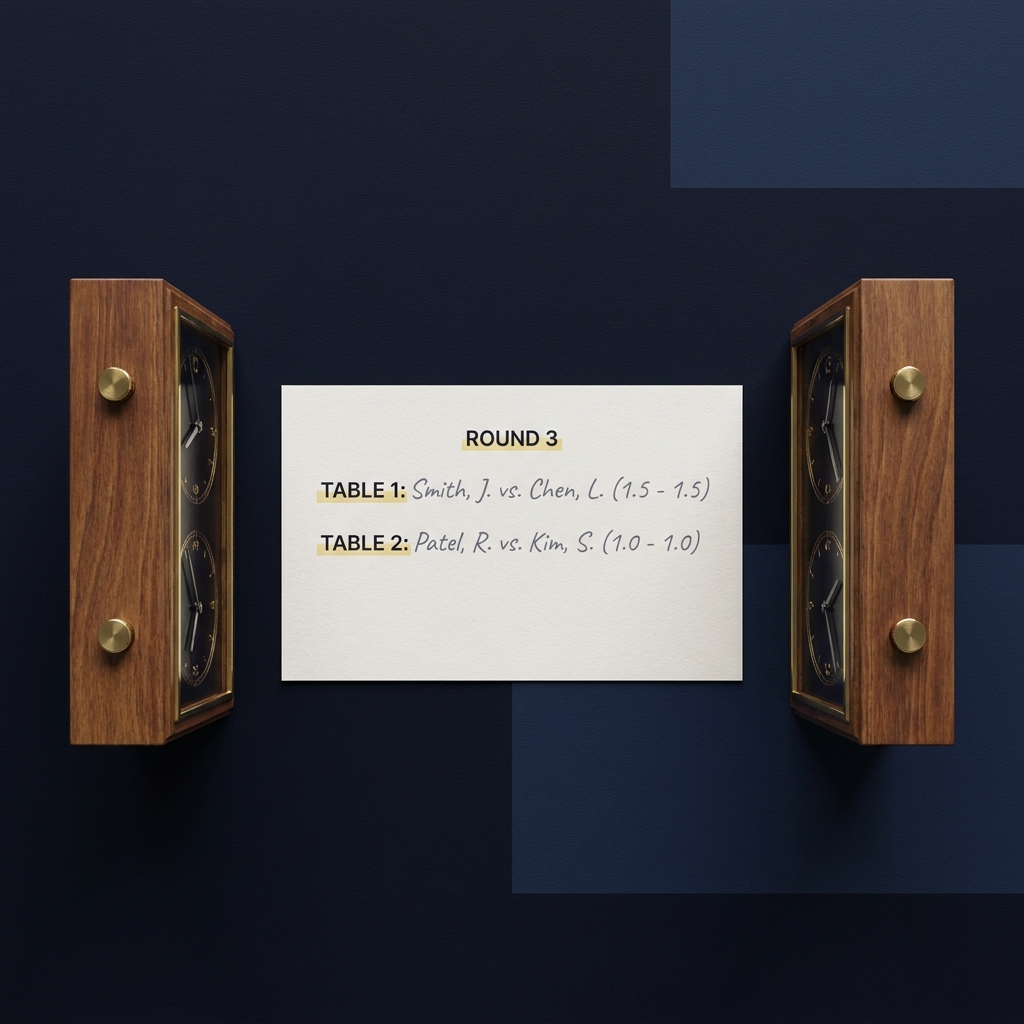
The Swiss system is a different model that pairs entrants with similar current scores each round while avoiding repeat pairings and balancing color or home-away assignments. The Swiss approach is common in chess and other competitions where organizers want to rank many entrants across a limited number of rounds without eliminating participants early. The FIDE Swiss pairing framework codifies pairing by score, no-repeat constraints and color balance for chess tournaments FIDE Swiss pairing rules.

How seeding and committee decisions shape early matchups
Seeding assigns a preliminary ranking to entrants to guide draw placement. Typical inputs for seeding are public rankings, recent performance metrics, and sometimes committee judgment when a single numeric metric fails to capture competitive context. Seeding protects top entrants in elimination formats by placing them in positions where they cannot meet until later rounds, which preserves competitive balance and commercial interest.
In events where a selection committee sets the bracket rather than a single metric, the committee may use an S-curve approach to distribute teams across seeded lines and apply regional or travel considerations to maintain fairness and logistical sense. The NCAA’s documented procedures illustrate how a committee blends seeding logic with geographic and competitive balance rather than relying solely on one ranking source Division I men’s basketball principles and procedures.
Prepare with the FundedPlays seeding and tie-breaker checklist
Download a one-page checklist of seeding, tie-breaker and bye rules to prepare for your next event.
Some sports fix the top seeds into defined bracket positions while leaving unseeded slots to be drawn at random. Tennis rulebooks describe how seeds are placed in set positions to prevent early clashes among the highest-ranked entrants, with unseeded entries placed by lot into the remaining slots.
Bracket pairing methods, byes and filling non-power-of-two fields
Elimination brackets work cleanly when the number of entrants is a power of two, for example 8, 16 or 32. When the field is not a power of two, organizers assign byes so that the bracket can resolve to a power-of-two stage; byes are commonly awarded to the highest seeds to reflect their placement in the draw. Tournament handbooks for racket sports and other events explain how seeds receive fixed positions and how byes are assigned to top seeds to balance the bracket USTA Friend at Court.
Fixed seed positions mean that a seed number corresponds to a specific bracket location rather than a variable placement. The remaining unseeded slots are often filled by lot during a draw ceremony, which preserves a level of randomness for lower-placed entrants while protecting the intended distribution of top seeds. Draw procedures typically include rules that state exactly who receives byes and the mechanism by which unseeded slots are randomized.
Tie-breakers in group play: the ordered rules that decide who advances
Group stages use an ordered list of tie-breakers to decide which entrants advance when points or wins are equal. A common sequence across many sports is points, goal or point difference, goals or points scored, head-to-head results, fair-play measures, and finally drawing lots if earlier steps cannot separate teams. That ordered approach ensures transparency when standings are tight.
Soccer’s World Cup regulations explicitly list tie-breakers in order; points come first, followed by goal difference and goals scored, then head-to-head criteria, fair-play and, if needed, drawing of lots. The published FIFA World Cup rules provide the authoritative sequence used to rank group-stage teams Regulations for the FIFA World Cup 26.
Organizers use a mix of format rules, seeding, committee decisions and controlled randomness to create matchups. The specific procedures vary by sport and governing body, so consult the event regulations for authoritative rules.
Basketball group rules take a similar but sport-appropriate ordering, often emphasizing head-to-head comparison before overall point difference and points scored. The official basketball rules used by international governing bodies describe the head-to-head and points-difference steps that resolve tied positions in group play FIBA Official Basketball Rules 2024.
Controlled randomness: pots, draws and protecting seeded placements
Organizers commonly mix seeding with controlled randomness to protect top entrants while preserving unpredictability for lower-ranked participants. The idea is to create pots or groups for the draw process so unseeded entrants are randomized among predefined slots while seeded players are placed in protected positions.
Large governing bodies use pot-based draws to keep seeded players from meeting early and to manage geographic or association constraints during the draw. For example, international soccer competitions publish pot and draw rules that prevent immediate clashes among certain seeded teams while assigning other slots by lot to fill the rest of the group matrix Regulations for the FIFA World Cup 26.
Constrained draws may also include rules that avoid placing two teams from the same region into the same early group when organizers want regional diversity in the group stage. These draw constraints are typically spelled out in the competition regulations so that participants know which matchups are possible and which are prevented.
Scheduling rules, rematch prevention and balance considerations
Scheduling rules help avoid unfair advantages and reduce repetitive matchups. In Swiss and paired systems, organizers aim to prevent immediate rematches and to balance home-away or color allocations across rounds so no competitor faces a string of identical conditions that could skew fairness.
FIDE Swiss rules explicitly instruct pairers to avoid repeat pairings and to balance who receives white pieces and black pieces across rounds in chess events, which is an example of rules that protect competitive integrity while keeping the schedule manageable FIDE Swiss pairing rules.
estimate bracket load and average matches per venue
Use to plan rough scheduling
Committee-run brackets also consider geographic balance and rest-day fairness when the draw places teams into regions or sites. Practical constraints such as venue availability, travel time and broadcast windows influence pairing order and the timing of rounds, so organizers often document scheduling priorities alongside pairing procedures.
Common mistakes and pitfalls organizers and participants make
Participants often misread tie-breaker sequences and assume a different order than the rules state. Not checking the published tie-breaker order can lead to incorrect assumptions about who will advance, so always consult the competition regulations before drawing conclusions about standing outcomes.
Organizers sometimes under-communicate how byes are allocated or fail to publish sample draws, which creates confusion on match days. Clear documentation that explains bye allocation, seeding logic and a sample draw helps reduce disputes and ensures that all entrants understand the implications of the bracket.
Practical examples and short walkthroughs
Swiss pairing walkthrough, step 1: After round one, sort entrants by score. Step 2: Pair top halves with corresponding positions in the score group while checking for previous opponents to avoid repeats. Step 3: Adjust pairings to balance color or home status per the pairing rules. This stepwise approach follows the Swiss pairing intent to match similar scores and prevent immediate rematches FIDE Swiss pairing rules.
FIFA group-stage tiebreaker example, numbered steps: 1. Rank teams by points. 2. If tied, compare goal difference. 3. If still tied, compare goals scored. 4. If still unresolved, use head-to-head as the next step, then fair-play and drawing of lots if required. This ordered sequence mirrors the official World Cup regulations and shows why goal difference early in the list matters for team advancement Regulations for the FIFA World Cup 26.
NCAA S-curve example: imagine a 16-team seeded field. The highest seed is placed at the top of the bracket and the next highest at the bottom. The S-curve distributes subsequent seeds to balance the strength across regions so that the bracket remains competitive and avoids overloading one side with top teams Division I men’s basketball principles and procedures. For tennis, seed placement and byes follow the fixed-position practice described in sport handbooks, with byes assigned to the highest seeds when the bracket needs balancing USTA Friend at Court.
Conclusion: how to read rules and what to check before a tournament
Before competing or organizing, confirm the tournament format, read the tie-breaker order, check bye allocation procedures and understand any draw constraints. These checks reduce uncertainty and help participants and organizers plan effectively.
When in doubt, consult the event’s published regulations and the rulebooks of relevant governing bodies for definitive language. Clear communication from organizers and careful rule-reading by participants make matchups less mysterious and competitions fairer for everyone.
Seeding places top entrants in bracket positions that prevent them from meeting other top seeds early, which preserves competitive balance and the intended tournament progression.
Confirm the exact ordered tie-breaker list in the event regulations, since order matters for who advances when teams are level on points or wins.
Byes are commonly awarded to the highest seeds to balance the bracket until the field reaches a power of two, as described in tournament rules.