

How to Set Time Limits for Sports Trading: what it is and why it matters
Session time limits are explicit rules you set for how long you will trade in a single sitting or over fixed windows such as a day or a week. In practice, that means defining a single-session cap, a daily total, and a weekly window so you can compare behaviour against a pre-defined plan. This definition aligns with the concept of reality checks that ask users to pause and confirm session length during online activity, a mechanism now required in some regulatory settings UK remote technical standards
Reality checks are a practical transparency tool. They surface elapsed session time and prompt a brief acknowledgement so a trader can decide whether to continue. For platforms and individuals, a short on-screen notice that shows elapsed minutes and a simple continue or stop option reduces automatic, extended sessions and supports deliberate decision-making.
Beyond reality checks, regulators are moving toward real-time displays of time spent and net spend to help users monitor their activity while it happens. Those policy directions increase the emphasis on clear session tracking rather than complex messaging, and they provide a useful template for how a trader might monitor their own sessions on third-party tools or personal timers UK Gambling Commission guidance on consumer information
Define simple single-session, daily, and weekly windows, choose enforceability (hard or soft), pair time limits with stake controls, and run a fixed trial while tracking minimal metrics to judge effectiveness.
Public health guidance also supports fixed session limits and scheduled breaks as a straightforward way to reduce harm and maintain attention and decision quality. Short, predictable windows with planned pauses are easier to follow than open-ended routines, and they help protect focus across long research or game days NHS safer gambling tips
In short, the core idea when learning how to set time limits for sports trading is to make sessions count by making them short, visible, and reviewable. Use session rules that are easy to remember, check the elapsed time regularly, and pair timing with pre-session goals so each minute has a clear purpose.
A simple framework for setting time limits
Start with three tiered windows: a single-session cap, a 24-hour total, and a 7-day ceiling. These three levels let you control immediate focus, manage a single day's exposure, and observe short streaks or patterns across a week. Using these standard windows mirrors regulator-friendly templates and makes your plan easier to measure and adjust Ontario Registrar's Standards for Internet Gaming
For each window decide between a hard limit and a soft reminder. A hard limit automatically pauses activity when the cap is reached and requires a deliberate reset after a cooling period. A soft reminder is a timed pop-up that asks you to confirm whether to continue. Hard limits reduce the chance of overshoot but can feel restrictive, while soft reminders maintain flexibility at the cost of relying on self-control.
Choose enforcement by pairing window with consequence. For example, make single sessions auto-pause after 60 minutes and require a 30-minute break before restarting. Set a daily cap of four hours that cannot be exceeded without an enforced cooldown. Set weekly caps that trigger a required review period if breached. These layered controls combine time-based risk controls with accountability.
Practice time-limited sessions with FundedPlays Challenges
Try one template for seven days: pick a single-session cap, enable a mandatory break, and log the result after each session to see immediate changes in focus
Combine time rules with stake or exposure limits as part of a layered plan. Time limits reduce fatigue and protect attention, while stake limits guard bankroll exposure. When both are in place you reduce the chance of long, high-risk streaks that come from extended sessions, and you make it easier to diagnose whether losses are performance-related or time-related. A coordinated plan is more effective than relying on either control alone.
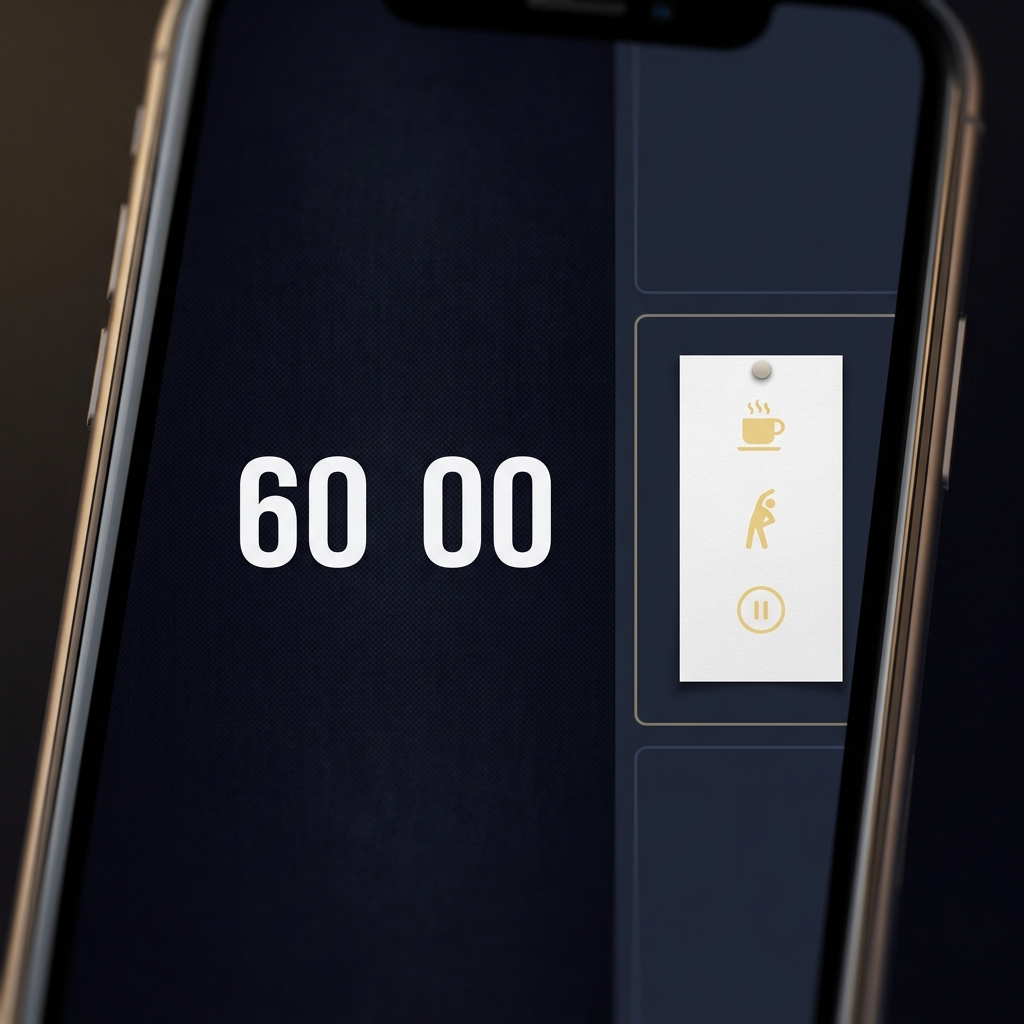
Finally, keep templates simple and consistent. Standard windows such as 24 hours and 7 days are commonly understood and make it easier to compare behaviour week to week. If you need to adapt a template, change one parameter at a time so you can tell what helped and what did not.
How to choose the right time windows for your trading style
Match windows to the rhythm of your strategy. High-frequency or scalp-style traders should favour short-session strategies that protect attention and reaction time. Research-driven traders who place fewer, well-considered picks can choose longer single sessions but still benefit from daily caps to avoid marathon days that degrade judgment.
Use decision criteria to select durations: average trades per session, peak attention span, bankroll volatility, and emotional signs of fatigue. If your typical session generates many rapid decisions and you notice declining accuracy after forty-five to sixty minutes, use a single-session limit in that range. If your sessions are research-heavy and involve long data pulls, a multi-hour block with scheduled breaks may fit better Ontario Registrar's Standards for Internet Gaming
ToolType: | Purpose: | Fields: | Notes:
Consider emotional signs when setting windows. If you notice impatience, repeated rapid stake increases, or a desire to chase losses, shorten upcoming sessions and require a cooling period. These behavioral cues are often a better signal than a single numeric metric because they capture shifts in attention and impulse control that precede poor choices.
As you tune windows, remember the regulatory-friendly defaults: 24-hour and 7-day templates are practical starting points for many traders. They provide a clear baseline for measuring change and align with how several regulators suggest standard periods for limits, which also makes comparison and communication simpler when you evaluate tools or platform features.
Implementing time limits: routines, tools, and account rules
Begin each session with a short pre-session checklist: define the objective for the session, set the planned duration, choose your maximum exposure for the window, and confirm a mandatory break schedule. A clear start ritual reduces drift and helps turn intentions into enforceable behavior.
Use simple tools to enforce your plan. Phone timers, desktop countdown apps, and calendar blocks work well for most traders. When available, prefer platform-enforced limits for daily or weekly caps because they remove a layer of self-control and make exceedances deliberate and costly in time rather than impulse.

If you practice with virtual-account workflows you can rehearse discipline without risking real capital. Virtual funded account challenges let you run sessions with strict time and exposure rules so you can test templates objectively. Treat these practice runs as experiments: set a template, run it for a fixed period, and review. For more on how evaluations work, see virtual funded account challenges.
Pair mandatory breaks with simple recovery actions: step away from screens, hydrate, and log a brief note on feelings and errors. This short reflection reduces cognitive carryover from one session to the next and makes it easier to spot systematic fatigue. Where platform-enforced timers exist, use them; where they do not, combine calendar blocking with a phone timer to create a similar structure New Jersey rules on player-set limits
Regulatory and design considerations to keep in mind
Regulators increasingly expect clear, real-time presentation of time spent and net spend so users can make informed decisions during activity. For platform designers this means prioritising plain displays of elapsed time and cumulative exposure, not buried menus or complex flows, so users can act without friction UK Gambling Commission guidance on consumer information
Ontario and similar regulators also set out practical window templates such as 24 hours, 7 days, and one month as standard durations for limits. Those standard units are useful for individuals because they create common measurement periods and simplify reporting and personal comparisons Registrar's Standards for Internet Gaming
Systems that allow self-imposed time-based limits, deposit limits, and spend caps give traders the tools to coordinate risk controls across domains. When time and stake controls work together, they reduce the risk that long sessions coincide with outsized exposures and help preserve bankroll stability. See guidance from the New Jersey office on responsible gaming and limit tools responsible gaming and the official state regulation CHAPTER 69O.

Common mistakes and how to avoid them
A common error is overcomplicating reminders with long motivational text or highly personalised feedback that asks users to reflect in the moment. Evidence shows that elaborate pop-ups do not necessarily improve adherence, and can add decision friction without reducing overshoot research on pop-up feedback
Another mistake is setting inconsistent windows or abandoning limits after a loss. To avoid this, commit to a single simple rule for a fixed trial period, such as two weeks, and only adjust after reviewing logged outcomes. This prevents chasing immediate results and helps you evaluate changes objectively.
Relying solely on willpower is also risky. Where possible, use a hard limit that requires an explicit action to override, or tie time controls to calendar rules and external timers so you remove the moment-to-moment choice to continue. Pair time rules with stake limits to address both attention and exposure.
Quick fixes include simplifying your reminder language to one short line that shows elapsed minutes, and enforcing a mandatory cool-down of at least 30 minutes after a breach. These corrective actions prioritise enforceability and clarity over persuasion.
Practical examples and ready-made time-limit templates
Template A, short-session strategy for high-frequency pickers: single-session cap 60 minutes, mandatory break 30 minutes, daily cap 4 sessions, weekly review every Sunday. Enforcement: single sessions auto-pause; daily cap is a soft block with a required manual unlock after review. This template suits traders who make many rapid decisions and need to protect attention.
Template B, disciplined daily routine for research-based traders: single-session cap 120 minutes, mandatory break 20 minutes, daily cap 4 hours total, weekly cap 12 hours with a required rest day after three consecutive trading days. Enforcement: soft reminders for sessions, hard weekly cap. This template fits those who combine line research with selective entries.
Template C, week-based recovery plan after a losing streak: week cooling window of 7 days with a 50 percent reduction in typical session time and a requirement to log emotional state before returning to normal windows. Enforcement: hard weekly limit that blocks activity for the cooling window unless predefined criteria are met. Use this after runs of performance deterioration to prevent escalation.
When to use each template: choose Template A for fast tempo systems, Template B for considered selection and model checking, and Template C when you need structured recovery and clear separation from routine. Start with a template that matches your current strategy rather than trying to invent a hybrid on day one.
Trial instructions: pick one template, commit to it for 14 or 28 days, and track session duration, trade count, and subjective focus scores after each session. Compare performance and fatigue markers across trials to find the best fit.
How to measure effectiveness and adjust your limits
Track a minimal set of metrics: average session length, win rate by session, net spend or exposure per window, and tilt incidents or impulsive trades. These indicators show whether time limits are improving the quality of decisions or simply restricting activity without benefit.
Use a simple evaluation routine: run a 4-week test, export or record session metrics weekly, and review with a short checklist that asks whether accuracy, variance, or emotional control improved. If a window produces better focus and a lower rate of impulsive actions, keep that change and extend the trial period.

Be cautious about overfitting limits to short-term variance. A single good week does not justify large relaxations. Adjust windows in fixed increments such as 15 minutes or 10 percent of daily allowance and monitor for another full trial period before making further changes guidance on measured adjustments
If personalised feedback tools are available, use them to summarize trends rather than to intervene constantly. The evidence suggests that constant, tailored pop-ups may not increase adherence, so favour periodic summaries that inform decisions without interrupting focus evidence on behavioural feedback
Finally, keep changes incremental and document why you adjusted a window. Good measurement practice is simple, consistent, and repeatable, and it prioritizes consistent tracking over chasing fast improvements.
A session time limit is a pre-defined cap on how long you will trade in a single sitting, often paired with mandatory breaks and daily or weekly totals to manage attention and exposure.
Use hard limits when you want enforceable pauses that remove moment-to-moment choice; use soft reminders when you need flexibility, and pair them with strict stake controls.
Start with a single-session cap of 60 to 120 minutes depending on tempo; choose the shorter end for high-frequency activity and adjust after a two to four week trial.
References
- https://www.gamblingcommission.gov.uk/technical-standards/remote-technical-standards-and-testing-strategy
- https://www.gamblingcommission.gov.uk/news/article/strengthening-consumer-choice-and-information-in-online-gambling-consultation-response
- https://www.nhs.uk/live-well/addiction-support/safer-gambling-tips/
- https://www.agco.ca/ig/registrars-standards-internet-gaming
- https://www.fundedplays.com/challenges
- https://www.nj.gov/oag/ge/docs/Rules/chapter69O.pdf
- https://www.tandfonline.com/doi/full/10.1080/14459795.2024.0000000
- https://socialwork.rutgers.edu/sites/default/files/2022-05/responsiblegamingfinalreport_2015.pdf
- https://www.njoag.gov/about/divisions-and-offices/division-of-gaming-enforcement-home/responsible-gaming-main/
- https://www.nj.gov/lps/ge/docs/Regulations/CHAPTER69O.pdf
- https://www.fundedplays.com
- https://www.fundedplays.com/blogs
- https://www.fundedplays.com/blogs/how-fundedplays-evaluations-work