

How to Read Sports Trading Challenge Rules Before You Begin
Reading the rulebook before you enter any sports trading challenge turns uncertainty into manageable risk. The opening rule sections often define who can enter, what counts as an eligible entry and which actions can disqualify you, so getting this right up front protects your account and any potential rewards. For public guidance on disclosures and avoiding misleading promotions, see the FTC guidance on prize promotions FTC prize promotion guidance.
Below you will find a structured approach that works whether you are evaluating a short evaluation challenge or a longer funded account program. Keep in mind that state rules influence what operators must disclose and how they describe prize and eligibility terms, so one quick read is rarely enough. The checklist in this opening section is designed to be printable and simple.
A printable pre-entry checklist to verify key rule items before entering a challenge
Print or save a dated copy of the rulebook page you used
Why reading the rules matters
Rules define the baseline for participation, and small language differences can change outcomes such as eligibility or withdrawal timing. A single clause about drawdowns or prohibited instruments can determine whether your account stays in good standing. Because official rules and related marketing must avoid deceptive claims, you should always cross check the promotional language against the full rulebook.
When a rulebook is clear and prominently discloses material terms, it reduces surprises. Where operators follow disclosure expectations, participants can evaluate risks and plan their activity more confidently.
How state and federal guidance shapes rulebooks
Federal guidance and state statutes shape what must appear in an official ruleset, with regulators emphasizing conspicuous disclosures about entry, prize descriptions and material terms; this is the baseline participants should expect when scanning a rulebook Florida statutory guidance on game promotions.
Operators in different states may include additional language to meet filing or registration obligations, so a rulebook from one operator is not a universal template.
What to look for first: the essential sections in every rulebook
Where operators put material terms
Start by finding the short list of sections that determine whether you should proceed: eligibility, entry period and start capital, prize and withdrawal rules, prohibited conduct and operator contact or dispute procedures. These are the show-stoppers that appear in nearly every rulebook.
Many operators place the eligibility and prize summaries near the top to comply with conspicuous disclosure expectations imposed by regulators, so those sections are often your fastest route to deciding whether to continue reading. Florida filing rules and department guidance explain why prize details and filing information are often highlighted FDACS game promotions guidance and related filing page FDACS filing page.
How to scan a rulebook fast
For a five-minute scan, use this quick order: 1) eligibility, 2) entry period and start capital, 3) prize summary and withdrawal conditions, 4) prohibited conduct, 5) operator contact. If any of those items are missing or unclear, pause and move to a deeper review before signing up.

On mobile, search the page for keywords such as eligibility, prize, withdraw, prohibited and dispute to reach the show-stopper clauses quickly.
How to verify age and geographic eligibility before you sign up
State-specific age thresholds and examples
Age and residency rules matter because states can set different minimums for paid contests and promotions. For example, Massachusetts requires a minimum age of 21 for certain paid fantasy contests while Virginia uses 18 as the threshold in its fantasy contests statute, so always check the eligibility section for age and residency restrictions before creating an account Massachusetts fantasy contest regulations.
If you are in a state that the rulebook excludes, do not enter. Operators frequently block certain jurisdictions for regulatory reasons, and entering from an excluded state can result in disqualification or account suspension.
Run the quick five-minute pre-entry check
Run the five-minute checklist in the "A step-by-step pre-entry checklist you can use right now" section to confirm your eligibility and avoid wasted time.
What to do if your state is excluded
If the rulebook shows your state is excluded, contact operator support for confirmation and ask whether a waiting period or alternative entry method exists. If support cannot provide a clear, written path that complies with local law, you should not participate from that state.
Document any reply you receive and save the version of the rulebook you reviewed so you have a record if the operator later changes the rules or your eligibility status.

Start capital, entry period and how challenge mechanics are defined
Virtual bankrolls and starting balances
Challenge mechanics center on the virtual bankroll or starting capital the operator assigns, and rules should make clear whether the start capital is fixed, tiered or adjusted by promotions. When start capital language is vague, disputes commonly arise about how results are calculated and whether resets apply.
Operators should also disclose drawdown limits and the mechanics that trigger resets or disqualification, because those terms influence risk management and strategy for the challenge.
Entry windows, trading periods and reset rules
Entry periods and trading sessions define the temporal boundaries for permissible activity. Some rulebooks specify daily or weekly sessions, while others run a single consolidated evaluation period. Where jurisdictions require transparent disclosures, operators tend to include precise start and end times to avoid ambiguity Colorado fantasy contest operator rules.
Note whether rules allow late adjustments, whether markets or instruments are restricted, and whether any promotions alter the usual start capital. If bonus credits or promotions change starting balances, the rulebook must explain how those changes affect eligibility and prize conditions.
Prizes, withdrawals and performance conditions you must confirm
How prizes are described and paid
Prize descriptions should be conspicuous and complete: the total prize pool, how winners are chosen, payment timing and any hold periods or documentation required for withdrawals. Filing rules for larger prize pools often force operators to present these details up front so participants know what to expect FDACS filing guidance.

When a rulebook lists a prize table or a clear payout schedule, that is a sign of transparency. Conversely, vague language such as unspecified payment timing or conditional language without examples is a red flag you should investigate before entering.
Performance hurdles, hold periods and tax considerations
Some funded challenge models attach performance hurdles or maintenance requirements that must be met before funds are available for withdrawal. Confirm whether there is a minimum activity requirement, a holding period after qualification or documentation required for payout.
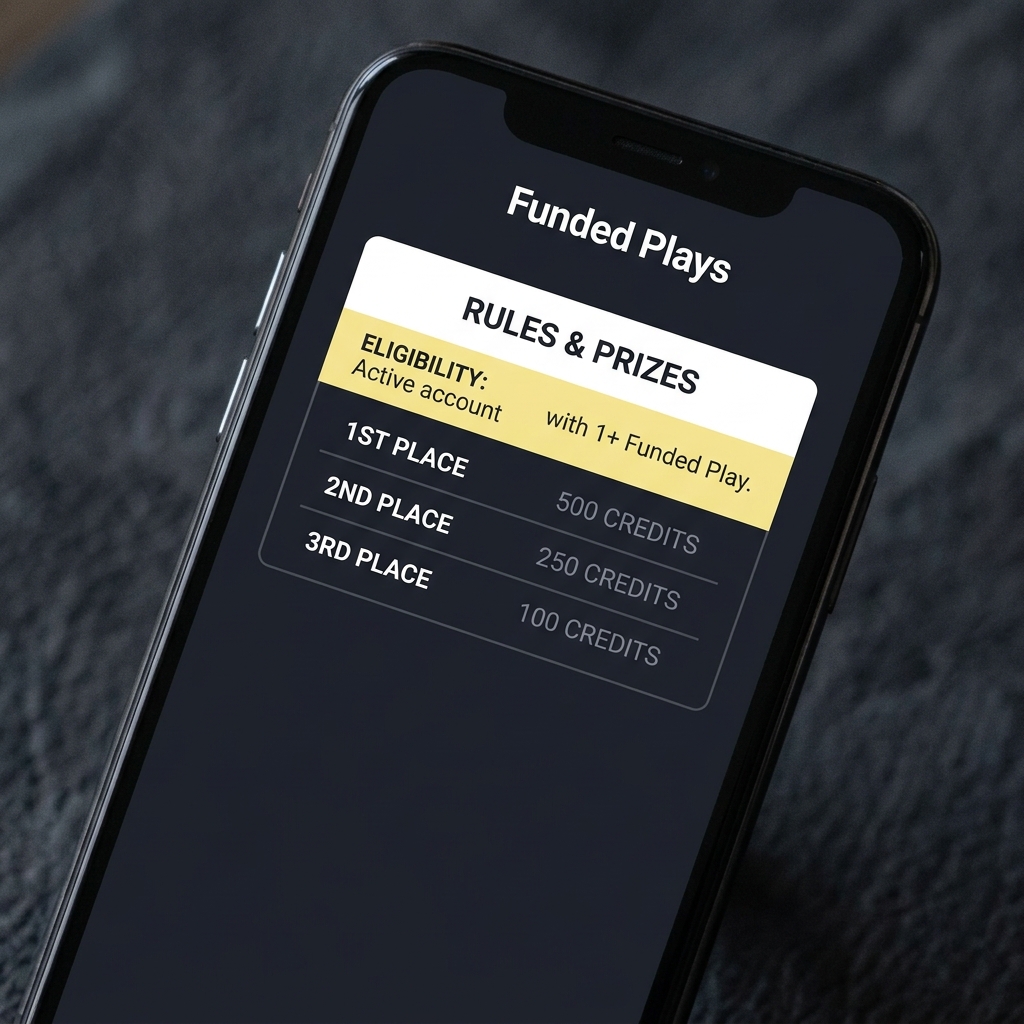
Operators should not promise guaranteed earnings; any reward is contingent on performance and compliance with the stated rules. Treat promotional language with caution and check the rules for specific payout mechanics.
Prohibited conduct and anti-fraud rules: what can get you disqualified
Typical prohibitions: scripts, collusion and multi-accounting
Rulebooks commonly forbid automated scripts, collusion among players, multi-accounting, account sharing and market manipulation. These prohibitions appear in state regulations and operator rules because such behavior compromises fair play and may violate consumer protection standards Massachusetts fantasy contest regulations.
Even inadvertent violations, such as sharing account credentials with a friend, can lead to sanctions. Read the prohibited conduct section carefully and apply conservative habits such as single-user access and no automations unless explicitly allowed.
How operators detect and respond to rule breaches
Operators describe their monitoring, recordkeeping and complaint processes in the rulebook. Where regulators have licensing or recordkeeping expectations, operators will include language about retaining activity records and cooperating with investigations Colorado operator expectations.
If an operator alleges a rules breach, follow the documented dispute procedures, gather your records and respond promptly. A calm, evidence-based reply can help resolve misunderstandings without escalation.
Operator obligations and filing requirements to check in the rules
When filings or licenses are required
Certain jurisdictions require operators to file official rules or register to run contests, and filing thresholds can depend on total prize value. Florida provides a clear example of filing and disclosure requirements for game promotions, which is why many operators adopt its disclosure model even outside Florida Florida game promotion statute. See the filing packet here.
Where filings or licenses are required, a rulebook will typically reference the relevant registration or filing and provide contact details for regulatory inquiries. That reference increases confidence that the operator is following state expectations.
Confirm eligibility, entry period and start capital, prize and withdrawal rules, prohibited conduct and operator contact or dispute procedures, because these items determine whether you can participate and how rewards are handled.
How to find operator contact and complaint channels
Look for a clear operator contact, a complaint procedure and a stated recordkeeping policy in the rulebook. Transparent operators publish an email, phone number or a web form and explain how they handle disputes.
If the rulebook lacks a complaint channel or the contact information is incomplete, treat that as a red flag and consider asking for clarification before you enter.
Disputes, complaints and recordkeeping: steps to protect yourself
How to document a dispute
If you need to file a dispute, preserve transaction histories, timestamps, screenshots and any one-to-one communications with support. Good documentation helps the operator validate your account activity and speeds resolution.
Operators often describe the dispute workflow in the rules; when they do, follow those steps exactly and keep copies of every message and confirmation you receive.
When to escalate to regulators or consumer agencies
If an operator does not resolve a clear rules-based dispute, or if the rulebook lacks complaint channels or recordkeeping commitments, you may consider contacting the appropriate state regulator or filing a complaint with consumer agencies, using federal prize-promotion guidance as a baseline for what a compliant operator should disclose FTC prize promotion guidance.
Escalation is usually a last resort. Try to resolve the issue directly, but document each step so you can present a clear timeline to a regulator if needed.
How to spot misleading marketing or deceptive promises in promotions
Common marketing claims to be skeptical of
Marketing often highlights opportunity, but promotional copy may omit material limitations found in the rulebook. Be skeptical of language that implies guaranteed success or income, and check whether the advertisement references the official rules and where they can be viewed.
The FTC advises that prize promotions must not mislead and must include conspicuous disclosures, so use the official rules to verify promotional claims before relying on them.
Cross-checking marketing against the official rules
Compare any promotional screenshot or landing page with the rulebook for inconsistencies. If the marketing suggests broader eligibility or easier withdrawal terms than the rules allow, contact support and save the correspondence before entering.
Keep a dated copy of both the promotion and the rulebook so you can show what was advertised versus what the rules stated at the time you entered.
Common mistakes people make when reading challenge rules
Overlooking small-print eligibility and withdrawal clauses
Participants often skim past small-print eligibility clauses that change who can enter or whether winnings are payable. Missing those lines can lead to disqualification or blocked withdrawals, so make the eligibility and withdrawal sections your primary checkpoints.
Another typical error is assuming marketing promises match the rules. Always confirm the mechanics in the official rulebook before acting on promotional language.
Assuming operator promises in marketing match the rules
Operators may highlight benefits in marketing that the rules limit. If a claim seems unusually generous, read the full rules to find any conditions tied to that claim, such as performance thresholds or hold periods.
When in doubt, ask the operator to point to the specific clause that supports a promotional claim and request the response in writing.
A step-by-step pre-entry checklist you can use right now
A five-minute scan
Five-minute quick-scan: 1) Confirm age and residency eligibility, 2) Note the entry period and start capital, 3) Read the prize summary and withdrawal conditions, 4) Open the prohibited conduct section, 5) Save the rulebook version and operator contact information. These five steps catch most show-stoppers and let you decide whether to proceed.
For clarity, run the five-minute scan before you create an account. If any of the items are missing or vague, pause and perform the deeper check.
A deeper 30-minute verification
The 30-minute check expands the quick scan: verify whether the operator has filing or registration notes, confirm drawdown and reset mechanics, check whether bonuses change start capital, and look for explicit dispute procedures. Where filing thresholds exist, operators may mention them in the rules or on a filing page FDACS filing guidance.
Also save screenshots with timestamps of the rulebook and any promotional claims so you can document the exact wording available at the time you entered.
Practical scenarios: red flags and green flags in real rule examples
Red-flag language to avoid
Red flags include vague prize descriptions, no operator contact or complaint channel, hidden withdrawal restrictions and ambiguous eligibility. Where filing rules exist, a missing prize disclosure is notable because regulators require conspicuous disclosure of material terms Florida statute on game promotions.
If you encounter red-flag language, do not assume goodwill. Ask for clarification in writing and save the reply before you risk time or possible qualification requirements that could later be disputed.
Green-flag language that signals transparency
Green flags are explicit prize tables, clear payout schedules, an operator filing or registration note and an obvious dispute procedure. These elements indicate an operator who expects oversight and is prepared to support fair resolution Colorado fantasy contest operator expectations.
When you see green-flag language, note the clause locations so you can refer to them quickly if questions arise during the challenge.
Maintaining good standing: basic conduct and recordkeeping tips
How to document your activity
Keep a simple activity log with timestamps, screenshots of key actions and copies of any messages with support. This record is the primary evidence you can present if the operator questions your activity or performance.
Do not share account access or use any unapproved automation. Many rules explicitly prohibit those behaviors and they are common grounds for disqualification.
Routine checks to avoid inadvertent violations
Regularly verify that your activity meets any minimum participation or performance requirements and review the prohibited conduct section periodically for updates. Even routine rule changes may affect your eligibility or withdrawal timing.
When the operator changes a rule, save a copy of the new version and a copy of the previous version so you have a dated record of what applied when you entered.
Final takeaways: turning rule-reading into a habit
Key reminders before you click enter
Before entering, complete three checks: confirm eligibility, confirm prize and withdrawal terms, and confirm prohibited conduct. Saving the rulebook version and contacting operator support for any unclear items makes disputes easier to resolve.
Remember that rewards depend on your performance and adherence to the rules. Clear rule-reading and good recordkeeping reduce the chance of disqualification and help you focus on consistent performance.
Where to go for questions or regulator help
If the rulebook lacks clear complaint channels or filing information, you can ask the operator for clarification in writing and, if needed, contact the state regulator referenced in the rules. Federal guidance on prize promotions describes the disclosure standards operators should meet and can help you identify when rulebooks are incomplete FTC prize promotion guidance.
Keep copies of your rulebook and correspondence. That paper trail is the most effective way to protect yourself if a dispute arises.
Check eligibility, entry period and start capital, prize and withdrawal rules, prohibited conduct, and operator contact information before creating an account.
No. Always verify promotional statements against the official rulebook because the rules govern eligibility and payouts.
Keep timestamps, screenshots, transaction histories and all communications with support to document your activity.
References
- https://www.ftc.gov/business-guidance/resources/prize-promotions-are-you-complying-law
- https://www.fundedplays.com/blogs/how-fundedplays-evaluations-work
- https://www.fdacs.gov/Business-Services/Sweepstakes-and-Game-Promotions
- https://www.fdacs.gov/Business-Services/Game-Promotions-Sweepstakes
- https://www.leg.state.fl.us/statutes/index.cfm?App_mode=Display_Statute&URL=0800-0899/0849/Sections/0849.094.html
- https://www.mass.gov/regulations/940-cmr-3400-fantasy-contests
- https://sbg.colorado.gov/fantasy-contests
- https://www.fundedplays.com/challenges
- https://forms.fdacs.gov/10951.pdf
- https://www.fundedplays.com
- https://www.fundedplays.com/blogs