

How to Prepare Before Starting a FundedPlays Challenge
Before you open the platform and make your first pick, have a short plan that covers five areas: account security, device and software hygiene, reading the official rules, a practice routine using a simulated bankroll, and basic administrative tasks like recordkeeping and tax awareness. This quick roadmap helps you start with secure access, clear expectations, and a repeatable process for decisions.
This guide calls attention to the structure of the evaluation, and it reminds readers that FundedPlays is a skill-based challenge platform using virtual funded accounts; outcomes depend on performance and following published rules. What you do before the challenge often matters as much as what you do in a single session.
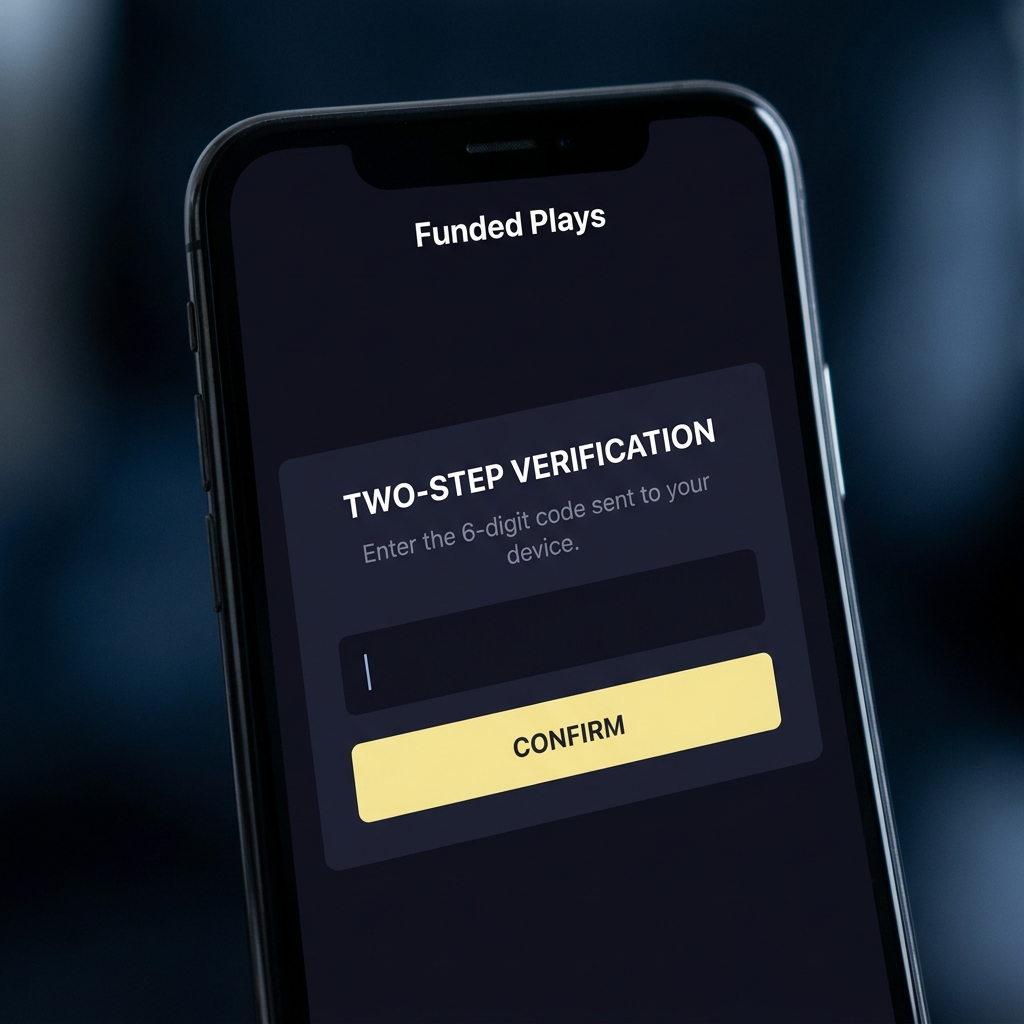
Secure your account access by enabling multi-factor authentication and using a strong, unique password stored in a reputable password manager, then verify the platform rules and any required identity checks.
Quick action items to start now include enabling multi-factor authentication where available, installing a password manager, turning on automatic updates, saving the official rules, and running a short simulation to test your routine.
What this guide covers
This article explains practical steps you can take in the days before a challenge so that technology, rules, and routines are ready. It focuses on clear, actionable items rather than complex technical detail so you can move from planning to practice quickly.
Quick action items to start now
Use the checklist in the final section as a one-page run-through in the week before a challenge. The list groups items into security, device hygiene, rules and verification, practice, bankroll discipline, and recordkeeping.
What a FundedPlays-style challenge is and why preparation matters
How the funded-account evaluation model works
A funded-account evaluation challenge asks participants to demonstrate consistent decision-making using a virtual bankroll and objective qualification criteria. You complete evaluation tasks under published limits and performance targets; if you meet the objectives, you may qualify for a funded account or other platform opportunities. The point is to show skill and discipline under rules, not to predict guaranteed returns. For more details on how evaluations work, see how FundedPlays evaluations work.
How this differs from traditional sportsbooks or casual betting
Unlike a sportsbook, a funded challenge focuses on evaluation: your choices are measured against objective rules, drawdown limits, and time windows. It is not a financial product or investment service, and outcomes depend on your performance and compliance with the challenge rules.
Preparation matters because small administrative or security failures can make otherwise good performance unusable. Knowing the rules, securing your access, and practicing under the same constraints you will face improves the chance that your results reflect skill rather than avoidable mistakes.

Secure your account before you start
Enable multi-factor authentication (MFA)
Turn on multi-factor authentication to reduce the chance of account takeover; MFA is a primary defense that materially lowers compromise risk and is widely recommended by U.S. cyber authorities CISA guidance on enabling multi-factor authentication.
Use strong, unique passwords and a password manager
Create a unique, strong password for your challenge account and store it in a reputable password manager rather than reusing credentials. U.S. cyber guidance recommends this approach to lower compromise risk guidance on using strong passwords and a password manager.
Set up account recovery options
Set recovery methods that only you control, such as a secondary email you use only for sensitive accounts or a phone number you keep private. Avoid using shared or easily guessable recovery answers and record recovery steps in a secure place so you can regain access without help.
Recommend a short security checklist to prepare your challenge account
Run this checklist before you start
After you enable MFA and store credentials securely, test a sign-in and recovery flow so you know the steps you will use if access becomes an issue. That short test can prevent lost time or stress when the challenge is live.
Device and software hygiene: updates, browsers, and network safety
Turn on automatic updates for OS, browser, and apps
Enable automatic updates for your operating system, browser, and apps to reduce exposure to known vulnerabilities; automatic updates are recommended to mitigate exploit risk CISA guidance on turning on automatic updates.
Use secure Wi-Fi and avoid public networks for challenge activity
Avoid public Wi-Fi when you are making picks or accessing account settings. If you must connect remotely, use a private, password-protected network and ensure your router firmware is current. Public networks can expose credentials and session data to attackers.
Browser hygiene: extensions and saved passwords
Audit browser extensions and remove anything you do not use for daily work. Do not save challenge account passwords in the browser if you already use a password manager. Keep the browser dedicated to your routine where possible and clear cookies and cached data periodically.
Read and verify the official rules, eligibility, and verification steps
Where to find official challenge rules and what to look for
Open the official challenge rules page and read all sections relating to eligibility, verification, drawdown rules, daily limits, and withdrawal procedures. Look for residency, age, or identity requirements and note any verification documents that may be needed.
Common eligibility and verification requirements
Confirm you meet residency and age limits, and prepare identity documents that meet the platform's verification checklist. Some checks can take days, so start verification early to avoid last-minute delays.
Withdrawal, prize, and dispute policies to confirm before you start
Carefully check withdrawal conditions and dispute procedures so you know how to proceed if a question arises about account activity or rewards. Be aware that legitimate sweepstakes and contests do not ask you to pay fees to claim prizes; requests for payment are a common scam warning sign FTC guidance on prize scams.
Save the official rules and contact details on the FundedPlays Challenges page
Read the official challenge rules in full now, save a copy of the rule page, and store support contact details where you can find them quickly.
Save or export a copy of the rules and the platform's contact details, such as support email or help center links, so you can reference them without relying on search results during a live session.
Plan a practice routine and simulation schedule
Design a practice schedule using simulated bankrolls
Set a simple cadence: daily scouting for upcoming events, three to five simulation entries per practice day, and a weekly review session. Use a simulated bankroll to mirror the constraints you will face in the evaluation so that the habits you form transfer directly to live sessions.
Track decision rationale and review results
Record the reasoning behind each pick: the data points you used, the confidence level, and what you expected to happen. Reviewing reasons against outcomes helps you learn and reduces the influence of emotion when the evaluation begins. A short written note after each session adds more value than only tracking wins and losses.
Use small, measurable objectives for skill building
Pick clear short-term goals such as 'keep drawdown under 3 percent for four consecutive sessions' or 'document reasoning for 20 picks this week'. Small, measurable steps help you build discipline and allow objective progress checks.
Bankroll management and evaluation strategy for consistent performance
Set risk-per-pick and drawdown rules
Define a fixed risk-per-pick percentage of your virtual bankroll, for example 1 to 3 percent, and stick to it. A consistent sizing rule reduces large swings and preserves the chance to meet qualification objectives by protecting the account from outsized losses.
Focus on consistency over volatility
Prioritize steady gains and controlled losses instead of sporadic large wins. In an evaluation context, consistent performance is often valued more than short-term volatility because it demonstrates repeatable skill and rule compliance.
How to mirror platform drawdown constraints in practice
Read the platform drawdown and daily loss limits and enforce identical constraints in practice. Mirroring limits helps condition decision-making so you do not inadvertently break rules during the live evaluation.

Treat platform rules as binding conditions for practice; simulate the same drawdowns, bet sizes, and session durations so that your live decisions match practiced behavior.
Track records, taxes, and administrative tasks
Maintain an audit-ready activity log
Keep a simple exportable log of picks, timestamps, stake size, outcome, and short rationale. Use a spreadsheet or a text file you can export easily so you have a clear history if you need to verify activity or reconcile results.

What to track for tax reporting
Many prizes and awards may be taxable income in the United States and generally must be reported; review how taxable income is characterized and what records to keep before you file IRS Publication 525 on taxable and nontaxable income.
When to consult a tax professional
If rewards are significant or your situation is complex, consult a tax professional early so you understand reporting obligations and any documentation you should collect during the challenge.
Responsible play: limits, breaks, and avoiding chase behavior
Set time and loss limits before starting
Decide in advance how long you will play in a session and set a maximum loss threshold. Predefined time and loss limits help you keep decisions disciplined and prevent fatigue or emotional choices from shaping outcomes.
Recognize signs of problematic gaming
Watch for signs such as escalating stakes after losses, skipping breaks, or obsessively reviewing marginal picks. These behaviors reduce long-term performance and can indicate that you need to pause or step back.
Resources and steps if you need help
If you notice patterns that concern you, consider the responsible-play resources and guidance available from recognized organizations for support and practical steps NCPG resources on responsible gambling.
Common mistakes participants make and how to avoid them
Ignoring basic account security is a frequent error; password reuse and lack of MFA make accounts easier to compromise. Fix this by enabling MFA and using unique credentials stored in a password manager.
Failing to read official rules can lead to ineligibility or lost rewards; always save or export the rule page and check for residency, age, and verification requirements. Scam warnings also include requests for payments to claim prizes, which legitimate sweepstakes do not require FTC guidance on prize scams.
Oversizing positions and chasing losses are common bankroll mistakes. Use a fixed risk-per-pick rule and mirror platform drawdown limits in practice so your behavior during evaluation reflects disciplined sizing.
Pre-challenge checklist and a 7-day timeline
Checklist you can run through 7 days before start
Seven-day checklist: enable MFA, set up a password manager, turn on automatic updates, save the official rules and support contacts, run a short simulated bankroll session, set risk-per-pick and drawdown rules, and create an exportable activity log.
What to finish 24 hours before the first pick
Complete final tech checks 24 hours before start: test sign-in and recovery, confirm updates applied, ensure verification is complete, and review withdrawal and dispute policies. Have your short practice notes and risk rules visible and accessible.
How to launch your first live session responsibly
Begin your first live session with a small number of conservative picks that follow your practiced routine, stick to your predefined risk-per-pick, and take scheduled breaks. Keep expectations realistic: qualification depends on consistent, rule-compliant performance.
Remember that careful preparation can reduce avoidable mistakes and support steady performance under pressure.
Legitimate funded challenges and sweepstakes do not require payment to enter or to claim a prize; requests for fees are a common scam sign.
Enable multi-factor authentication, use a strong unique password stored in a reputable password manager, and verify account recovery options.
Many prizes and awards can be taxable income in the United States; keep clear records and consult a tax professional if needed.
References
- https://www.fundedplays.com
- https://www.fundedplays.com/blogs
- https://www.fundedplays.com/blogs/how-fundedplays-evaluations-work
- https://www.fundedplays.com/challenges
- https://www.cisa.gov/topics/cybersecurity-best-practices/multifactor-authentication
- https://www.staysafeonline.org/articles/multi-factor-authentication
- https://www.meritalk.com/articles/cisa-nsa-panel-roll-out-new-guidance-for-identity-security-management/
- https://consumer.ftc.gov/articles/prize-scams
- https://www.irs.gov/publications/p525
- https://www.ncpgambling.org/programs-resources/responsible-gambling/