

Why enjoyment slips when sports meet trading
When sports viewing turns into a decision loop where each outcome affects a balance or score, the experience often shifts from relaxed fandom to pressured evaluation. How to Keep Sports Enjoyable While Trading starts with recognising that outcome-focused cycles increase stress and narrow attention, which reduces pleasure and can lead to harmful repeated behaviours; psychological interventions that identify triggers and teach coping skills are shown to reduce problem pathways, offering ways to interrupt that progression Cochrane review on problem gambling interventions
Decision pressure changes how fans watch the game. A single loss can amplify emotional responses and trigger chasing or rapid risk escalation, often called tilt, which further distances people from the original source of enjoyment. This pattern is well described in evidence syntheses that link cognitive restructuring and coping skills to lower symptom levels, meaning structured psychological approaches can help calm tilt and restore better decisions Cochrane review on problem gambling interventions
Commercial messaging and hype can worsen that shift by encouraging bigger bets or faster decisions at a time when restraint would protect enjoyment. Industry marketing rules updated in 2024 discourage misleading claims and promote messaging that supports discipline rather than excitement, which helps keep experiences aligned with long-term enjoyment Responsible Marketing Code for Sports Wagering (2024)

How to Keep Sports Enjoyable While Trading: core principles
Keeping sports fun while using prediction systems rests on a few clear principles: pre-commitment, timeboxing, and using informed platform tools. These core habits help convert emotional responses into predictable routines that protect enjoyment and decision quality.
Start with one small limit
Try one small limit today: pick a single session length or a modest spending cap and follow it for one event to see how it changes your focus.
Pre-commitment means deciding amounts of time and money before you act and using those limits consistently. Public guidance recommends this approach as a primary harm-minimisation strategy on regulated services, and pairing operator features like activity statements with personal rules creates a two-layer system of control NHS guidance on gambling support
Timeboxing and bankroll rules work together: set a session length, decide a maximum percentage of your test bankroll to risk that session, and treat those choices as non-negotiable. Responsible play standards also encourage platforms to present real-time data and alerts so users can stick to their pre-commitments rather than chase excitement, which keeps the activity closer to a skill exercise than a stress source RGC iGaming Standards (2024)
Practical money and time limits that actually work
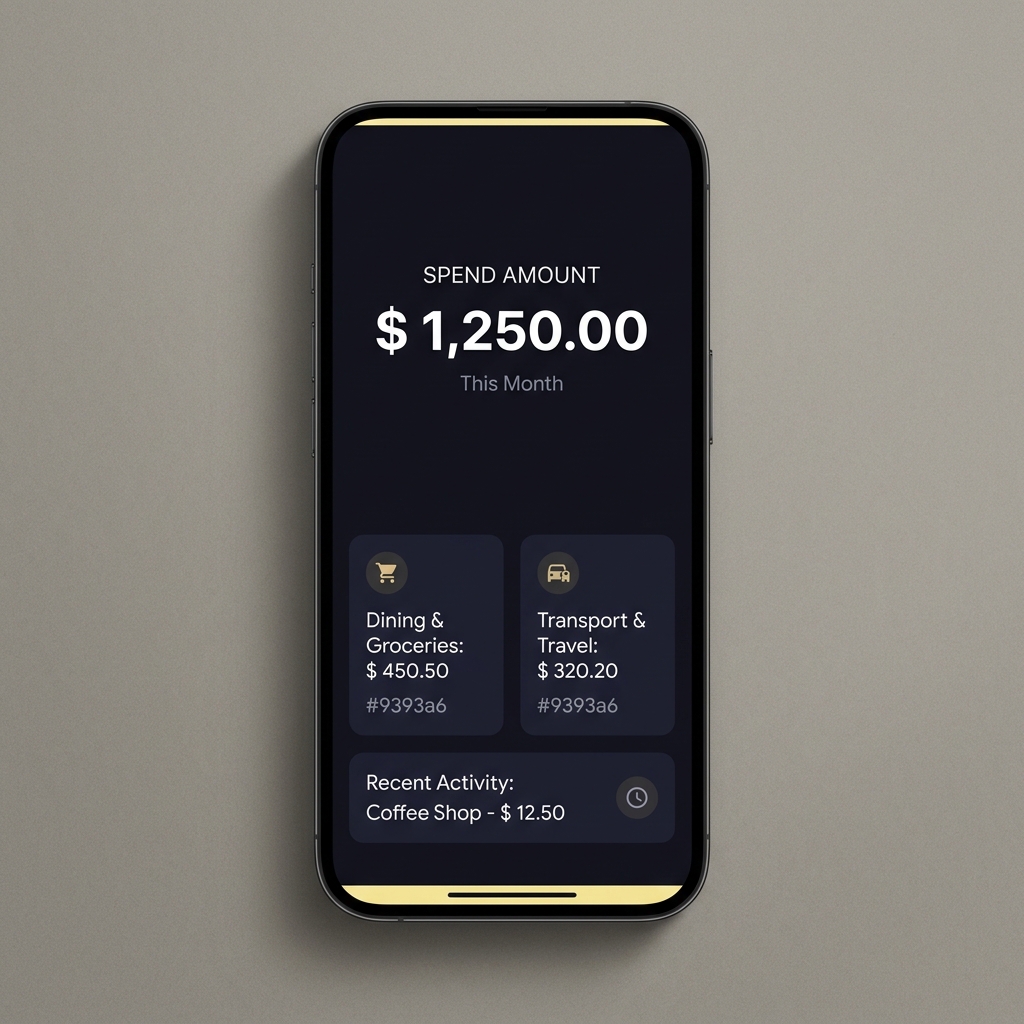
One barrier to keeping sports fun is not having clear numerical guardrails. Canada’s Lower-Risk Gambling Guidelines offer a set of benchmarks that can be used as an example for adults without contraindications: no more than 1 percent of pre-tax household income, no more than four days per month, and no more than two types of gambling activity. These community-level numbers provide a useful starting point when you translate them into personal session caps and monthly totals Lower-Risk Gambling Guidelines
To make those benchmarks usable, convert the 1 percent rule into session or weekly amounts that match your typical activity. For example, if 1 percent of pre-tax household income equals 100 dollars per month, you could translate that into two sessions at 40 dollars and a small reserve of 20 dollars for special events. Framing the cap as a stable monthly budget helps prevent impulsive increases that undermine enjoyment Lower-Risk Gambling Guidelines
Numeric caps need caveats: they are intended for adults without contraindications and are not a substitute for clinical advice or stricter personal limits when necessary. If your activity or emotions suggest the 1 percent rule is too permissive, choose a lower threshold and prioritise small, repeatable limits over occasional large bets, which preserves long-term enjoyment and reduces stress Lower-Risk Gambling Guidelines
Behavioral tools: breaks, cool-offs and managing tilt
When emotions rise during a session, short, deliberate breaks reduce the likelihood of extended tilt. Simple practices include stepping away for a fixed time, doing a different activity that interrupts the emotional loop, or using a planned distraction to reset attention. These short-term tactics are consistent with cognitive-behavioural approaches that target triggers and coping skills Cochrane review on problem gambling interventions
Watch for signs such as increased stress during games, fixation on recovering losses, missed responsibilities, or repeated failure to follow your own limits; if these appear, use planned breaks, enforce caps and consider formal platform protections.
For deeper or repeated problems, regulated platforms and public guidance recommend cool-off periods and self-exclusion as formal protective tools. These options allow a temporary or extended pause that can stop harmful escalation and are widely available on regulated services as a consumer protection measure UK Gambling Commission tools to manage gambling and see the Gambling Commission for more.
Combining microcool-offs, session limits and platform-level protections creates layers of defence. For example, if a personal rule is to stop after two losing selections, an automatic session timer plus a scheduled cool-off period can reduce the chance of chasing and help return focus to enjoyment rather than recovery of losses NHS guidance on gambling support
Using platform tools and dashboards to stay in control
Look for real-time spend and time displays, personalized messaging and account-level tracking in your platform. These features are specifically recommended by recent iGaming standards because they give users concrete, timely feedback that supports informed decision-making RGC iGaming Standards (2024)
Activity statements that summarise weekly or monthly behaviour make it easier to spot creeping increases in stakes, more frequent sessions, or changes in the types of bets you place. Seeing aggregated activity reduces impulsive escalation by creating a factual record rather than relying on memory or emotion NHS guidance on gambling support
Integrate dashboard feedback with personal rules: set automatic alerts for session timeouts, spend thresholds, or when a predefined number of consecutive losing selections occurs. When the platform enforces a brief pause, that interruption can help you decide from a calmer place and protect the core reason you started predicting in the first place, which is enjoyment and skill development RGC iGaming Standards (2024)
Choosing personal decision rules and when to step away
Design simple, enforceable rules that convert emotion into predictable choices. Examples include fixed-session lengths, a stop-loss after a specific number of losses, and risking a small percentage of your virtual bankroll per session. Behavioural strategies that focus on structure and coping are supported by the evidence base as ways to reduce harm and maintain better decision quality Cochrane review on problem gambling interventions

Practical stop signals include emotional markers like irritability or fixation on recouping losses, objective signs such as exceeding a session cap, and external indicators like missed obligations. When these signals appear, use a planned cool-off or the platform's pause tools rather than extending play, which helps safeguard wellbeing and keeps choices aligned with long-term enjoyment NHS guidance on gambling support
Regularly review your rules on a set cadence, for example weekly or monthly, and adjust based on whether they protected your enjoyment and life balance. Rely on metrics rather than short-term results when changing rules, and avoid revising limits immediately after a win or a loss to prevent emotional bias from reshaping your long-term plan RGC iGaming Standards (2024)
Common mistakes that kill enjoyment
A few predictable mistakes erode fun quickly: chasing losses, increasing stakes impulsively after wins, and ignoring preset limits. These behaviours are tied to cognitive vulnerabilities that evidence reviews show can be mitigated through structured coping and behavior change strategies Cochrane review on problem gambling interventions

Marketing and hype can exploit these tendencies by promoting rapid play and overstating opportunity. The 2024 marketing code updates reinforce the need for disciplined messaging and discourage claims that make activities seem risk-free or guaranteed, which helps protect enjoyment by reducing pressure to escalate Responsible Marketing Code for Sports Wagering (2024) and see analysis of recent regulation UK gambling regulations.
Quick corrective actions are effective: return to your initial bankroll percentage, enforce a cool-off, or activate a spending cap. Combining behavioural fixes with platform tools reduces the chance of repeating the same error and helps restore the original motives for participating, such as testing skill or enjoying a game NHS guidance on gambling support
Quick scenarios: three practical plans for different player types
Casual fan: low time, minimal stakes plan
Goal: preserve enjoyment with minimal interruption. Rule set: single session per game, 30 minute session timer, risk no more than a small fixed amount per game. This keeps play quick and predictable, emphasising watching over outcomes and limiting routine decision pressure.
Why it works: short sessions reduce fatigue and emotional escalation, and the fixed, modest stake keeps outcomes from dominating the viewing experience.
Frequent predictor: disciplined session and bankroll template
Goal: balance regular prediction activity with sustainable habits. Rule set: two to three scheduled sessions per week, weekly activity statement review, percentage-based bankroll per session and an automatic session timer that enforces breaks. These habits use both personal discipline and platform feedback to keep decisions calm and consistent.
Practical tool suggestion: a compact session checklist helps enforce routine and focus. Use simple prompts such as confirming session length, stake limit, stop-loss threshold and intended review day to reduce impulsive choices.
quick pre-session checklist to enforce rules
tick each item before you start
Competitive trader: performance review and cooldown protocol
Goal: sustain performance while protecting wellbeing. Rule set: scheduled strategy reviews, explicit cool-off triggers after defined losing streaks, and use of cognitive reframing techniques when tilt appears. Combine formal cooldowns with a weekly review of activity metrics to separate emotional reactions from strategic adjustments RGC iGaming Standards (2024)
These templates are templates to copy and adapt; each player should adjust numbers and cadence to match personal circumstances and the level of emotional reactivity they experience. For many adults, starting conservative and increasing only after evidence of stable control preserves enjoyment.
Maintaining long-term enjoyment: review, adapt, and seek help when needed
Set a regular review cadence to check whether your rules protected enjoyment and life balance. Track simple metrics such as days active, net spending, number of sessions, and subjective emotional impact; these measures help you decide whether to tighten limits or change workflows RGC iGaming Standards (2024)
If limits repeatedly fail or emotional distress increases, public guidance recommends seeking support and considering formal protections such as self-exclusion or longer cool-off periods. These options exist to protect wellbeing and are part of regulated platforms' consumer protections UK Gambling Commission tools to manage gambling and the Gambling Commission framework.
Remember that long-term enjoyment is a habit built from small, repeatable choices rather than occasional big wins. Prioritise sustainable rules and lean on platform features and public resources when needed to keep the activity aligned with your broader goals and wellbeing NHS guidance on gambling support
Conclusion: keeping the love of the game while trading smart
Discipline, pre-commitment and platform tools form a practical framework that preserves enjoyment without promising outcomes. Using structured limits, scheduled breaks and dashboard feedback helps the activity stay close to fandom and skill instead of stress and chase NHS guidance on gambling support
Pick one small limit this week, follow it, and schedule a short review to see how it affects your focus and enjoyment. If control slips or enjoyment declines, know that formal supports and regulated protections are available to help you step back and reassess UK Gambling Commission tools to manage gambling
Set limits immediately before a session as a pre-commitment step and stick to them; deciding in advance reduces impulsive changes during play.
No, numeric benchmarks are examples for adults without contraindications; personalise them to your finances and emotional response and use stricter limits if needed.
Consider self-exclusion or extended cool-offs when personal limits repeatedly fail or emotional distress increases despite safeguards.
References
- https://www.cochranelibrary.com/cdsr/doi/10.1002/14651858.CD008937.pub3/full
- https://www.americangaming.org/code/responsible-marketing-code-for-sports-wagering/
- https://www.fundedplays.com
- https://www.nhs.uk/live-well/addiction-support/gambling-addiction/
- https://www.responsiblegambling.org/what-we-do/standards/igaming-standards/
- https://www.ccsa.ca/lower-risk-gambling-guidelines
- https://www.gamblingcommission.gov.uk/for-the-public/your-rights-and-protections/tools-to-help-you-manage-your-gambling
- https://www.fundedplays.com/challenges
- https://www.fundedplays.com/blogs
- https://www.fundedplays.com/blogs/how-fundedplays-evaluations-work
- https://www.gamblingcommission.gov.uk/
- https://www.gov.uk/government/publications/gambling-commission-framework-document/gambling-commission-framework-document
- https://www.cliffordchance.com/insights/resources/blogs/ip-insights/2025/06/uk-gambling-regulations-uk-government-doubles-down-on-consumer-protection.html