
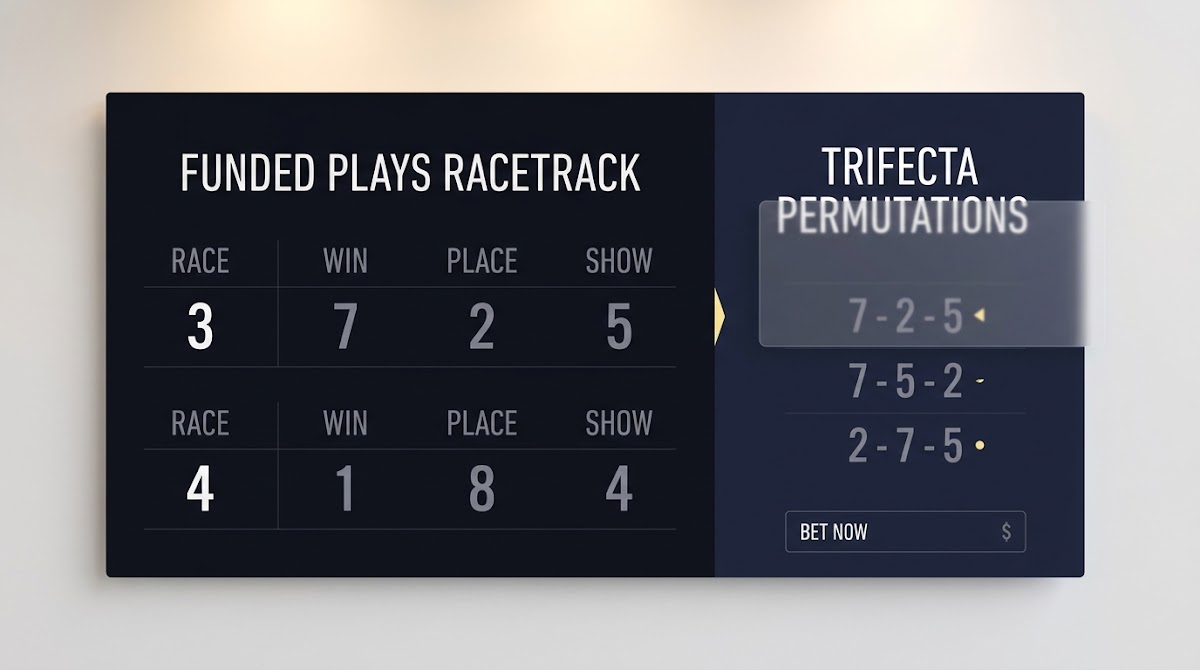
how to bet trifecta: Definition and quick context
What a trifecta is
A trifecta requires selecting the first three finishers in exact order, a higher risk exotic compared with simpler win, place, or exacta bets. Many U.S. tracks list a 0.50 USD base denomination for this wager as of 2026, which affects how ticket cost is calculated and displayed.
Because trifectas are settled in pari mutuel pools, every winning ticket shares the net pool and payouts vary with how many bettors hold winning combinations and with takeout rates published by commissions. For a concise explanation of the ticket types and base denominations used by operators, see the TwinSpires guide on trifecta bets TwinSpires guide.
Practice efficient ticket building with the FundedPlays challenges guide
Download a printable cheat sheet to keep base-unit math and ticket templates handy, or sign up to get short email updates on concise ticket building tips.
Base denominations and where to find them
Tracks and online operators post the base unit for exotic bets in their rules and wagering pages. Before you place a ticket, confirm whether the track uses a 0.50 denomination or a different unit because the base unit multiplies directly into your final stake when you box or part-wheel combinations.
Official track pages and operator help sections are the primary places to check rule details and denomination. For example, operator guides and track result pages include denomination notes and examples of how different ticket types are priced.
Why trifecta payouts vary so widely
How pari-mutuel pools determine payout
Payouts for a parimutuel trifecta are calculated by taking the pool of money bet into the trifecta pool, subtracting the takeout, and dividing the remainder among all winning tickets. That mechanism means per-ticket payoffs shrink when many bettors hold the same successful ordering and grow when few winning tickets exist; a clear primer on how pari-mutuel payouts are computed is available from Equibase Equibase FAQ.
Takeout percentages are set by jurisdiction and published by racing commissions, so two tracks can show very different expected yield from the same winning order if their takeout rates differ. The Kentucky commission, for instance, publishes takeout schedules that affect how large the net pool will be Kentucky Horse Racing Commission takeout rates.

Role of the takeout and winning ticket count
As a quick example, when many tickets correctly list the top three in order, the pool divides across those tickets and per-ticket payout is smaller. Conversely, when a longshot appears among the top three and few tickets selected that ordering, payouts can be very large. The New York Racing Association results pages show real race payouts and illustrate this variance across major events NYRA results.
Ticket types: straight, box, wheel and part-wheel explained
Straight tickets and when to use them
A straight trifecta names one exact ordering. Use a straight when you are highly confident in the precise finish order, because it is the least expensive single combination but needs the exact result to win. See TwinSpires wager types wager types for related operator examples.
Straights are commonly used when a race has a dominant favorite and two clear challengers, or when pace and form strongly suggest one ordering. Operator guides walk through examples for when a straight is most appropriate TwinSpires guide.
Boxing to cover permutations
Boxing a trifecta covers every order of the selected horses. For example, a three-horse box produces six distinct orderings, so the ticket cost is six times the base unit. This expansion is practical when you are confident about a small set of runners but not their exact order. See a trifecta calculator with examples GamblingCalc trifecta.
The combinatorial growth of boxes is why boxes can become expensive rapidly as you add horses; Tote and other operator resources explain the permutations and costing for boxes in clear examples Tote explanation.
compute permutations and ticket cost for boxes and simple part-wheels
Use whole numbers for horses and decimals for base unit
Wheel and part-wheel basics
A wheel sets one or more fixed positions and rotates other slots through a list of runners. Part-wheel tickets fix a key or two and vary the remaining positions to limit cost while preserving key outcomes. These formats let you focus capital on scenarios you consider most likely without buying every permutation.
Guides on practical wheel and part-wheel construction provide template tickets and show how to combine keys with secondary runners to catch likely outcomes at lower cost than a full box TwinSpires guide.
How ticket costing grows: combinatorics and practical costing examples
Combinatorics: how many permutations does a box produce
A 3-horse box covers all six orderings, which means it costs six times the base denomination. When you move to four horses the number of orderings increases sharply, and five horses generate many more permutations, so each additional horse multiplies cost nonlinearly.
Operator explanations and betting primers show the math behind these counts and provide simple worked examples so you can estimate cost quickly before you commit funds Tote explanation.
How base denomination multiplies actual ticket cost
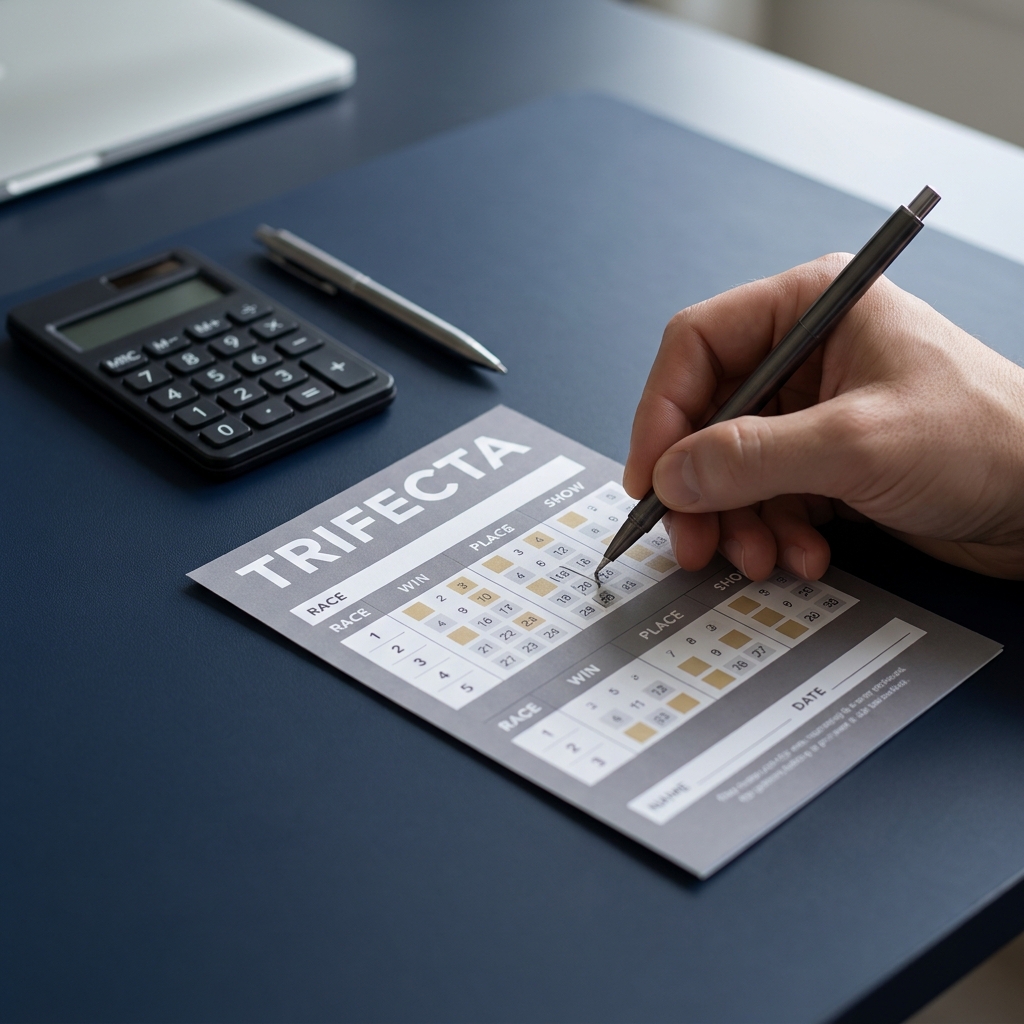
Because many U.S. tracks list a 0.50 base denomination, you multiply the number of permutations by 0.50 to get the ticket price in dollars for a standard unit. If a box has six permutations and the base is 0.50, the cost is 3.00 for that set at that unit size; if the operator sets a different unit, the same permutation count produces a different dollar cost.
That direct relation between permutations and the base unit is a key reason part-wheel and key structures are popular: they let you reduce permutations while keeping coverage of the most important combinations TwinSpires guide.
Efficient ticket building: part-wheel and key structures
How a key banker reduces cost
A key, or banker, fixes one runner into a finishing position and combinations vary the other spots. Fixing a reliable favorite as a key for a trifecta can dramatically cut cost compared with boxing the same set, because you only buy permutations with that key included.
Operator and major-event wagering guides recommend using keyed part-wheels when you have high conviction in one or two runners but want to insure against uncertainty in the remaining slots Breeders Cup wagering guide.

When to trade full coverage for targeted tickets
Trading full box coverage for part-wheels is a practical decision when the extra permutations add little expected value relative to cost. If a box requires many permutations and your confidence in some runners is low, use a key or a restricted wheel to concentrate dollars on the combinations you rate highest. See the Funded Plays homepage Funded Plays for related resources.
Major-event guides and operator tutorials discuss scenarios where a part-wheel preserves your most likely outcomes while keeping stake size manageable, and they recommend matching ticket complexity to conviction and bankroll rules Breeders Cup wagering guide.
Bankroll rules and ticket sizing for trifectas
Setting a per-race budget
Set a fixed spend per race and stick to it, then choose ticket constructions that fit that budget. Contemporary wagering advice emphasizes a consistent unit plan so single bad outcomes do not derail a session. For wagering info that shows takeout schedules and impacts on pool yields, consult the NYRA wagering information NYRA wagering info.
Keeping units modest and aligning ticket cost to confidence helps prevent over-spending on expensive boxes or wide part-wheels, a discipline recommended in recent wagering guides Breeders Cup wagering guide.
Sizing tickets to confidence
Only use large multi-permutation tickets when your analysis gives you strong conviction about multiple combinations. Otherwise prefer fewer, better sized tickets that let you stay in the market across more races.
Guides that discuss exotic management and bankroll discipline advise keeping a predetermined cap on any single race allocation to avoid large drawdowns when trifecta variance results in streaks of losing tickets TwinSpires guide.
Picking races and horses for profitable trifecta opportunities
When race composition favors a trifecta
Race shapes and field sizes influence whether a trifecta is sensible. Medium fields with clear pace and form separation often create better defined top three candidates than very large or extremely small fields, where unpredictability or lack of depth can make trifectas especially volatile.
Use a disciplined approach: set a per-race budget, prefer part-wheels or keyed tickets when confidence centers on one or two runners, and avoid large unfocused boxes unless you have strong reason to cover many permutations.
Signals that recommend boxing or keying
Signals that favor boxing include a small group of clear contenders without a dominant single runner; keying is attractive when one horse stands out and you want to capture permutations where that runner finishes in a specified slot. Major-event guides and race result patterns can help you interpret those signals in context Breeders Cup wagering guide.
Studying past major-race payouts can also show which race profiles produced efficient returns for certain ticket constructions, because payouts depend on both pool size and the odds mix among the top three NYRA results.
Common mistakes and how to avoid them
Over-spreading and diluting ticket value
A frequent error is buying large boxes or sprawling part-wheels that dilute your stake across too many permutations, reducing the potential payoff per ticket when you might have been better off concentrating on the most likely combinations.
Avoid the instinct to cover every minor possibility. Use simple rules, like limiting the number of horses in a box to those you rank highly, and prefer keyed part-wheels to control cost when you need some coverage Tote explanation.
Ignoring takeout and pool size
Never ignore published takeout rates and posted pool sizes when estimating value. A high takeout reduces the net pool and small pools limit maximum payable amounts, so the same correct combination can return very different payouts across tracks or days.
Reference the commission takeout pages and operator pool reports before sizing expensive tickets so you understand how much of the pool will be available to winners Kentucky Horse Racing Commission takeout rates.
Three practical ticket examples and when to use them
Scenario A: strong favorite plus two challengers
Ticket example 1, straight focus: If you strongly believe Horse A will win and Horses B and C will place second and third, a straight trifecta on A-B-C is the cheapest way to express that exact outcome. Use this when form, pace, and class point in one clear ordering.
Rationale: A straight keeps cost tiny, and when conviction is very high a straight captures the payout without splitting into many permutations. Operator tutorials provide similar example scenarios for straights and when they are efficient TwinSpires guide.
Scenario B: wide open race with several mid-odds threats
Ticket example 2, part-wheel: Fix a top contender as a key to cover many possible orderings while rotating a short list of other mid-odds horses through the remaining spots. This preserves many likely outcomes but keeps the ticket count far lower than a full box of the same set.
Rationale: In wide open races a full box with many runners inflates cost. A keyed part-wheel targets the most plausible permutations for less money and is recommended in wagering guides as a cost efficient approach Breeders Cup wagering guide.
Scenario C: overlay and longshot target
Ticket example 3, mixed box and small wheels: Use a small box that includes your longshot with two higher-probability horses, plus a few keyed wheels that place the longshot in second or third with several plausible leaders. That approach captures upside if the longshot hits without buying an excessively large set of permutations.
Rationale: Because payouts can spike when longshots reach the top three, mixing boxes and keys lets you maintain exposure to those overlays while limiting cost compared with a large unfocused box NYRA results.
Step-by-step: placing a trifecta ticket at track or online
Choosing denomination and ticket type
Confirm the base unit on the wagering screen or at the betting window before you finalize a ticket. Select straight, box, wheel, or part-wheel according to your planned construction, and ensure the denomination reflects your intended stake per permutation.
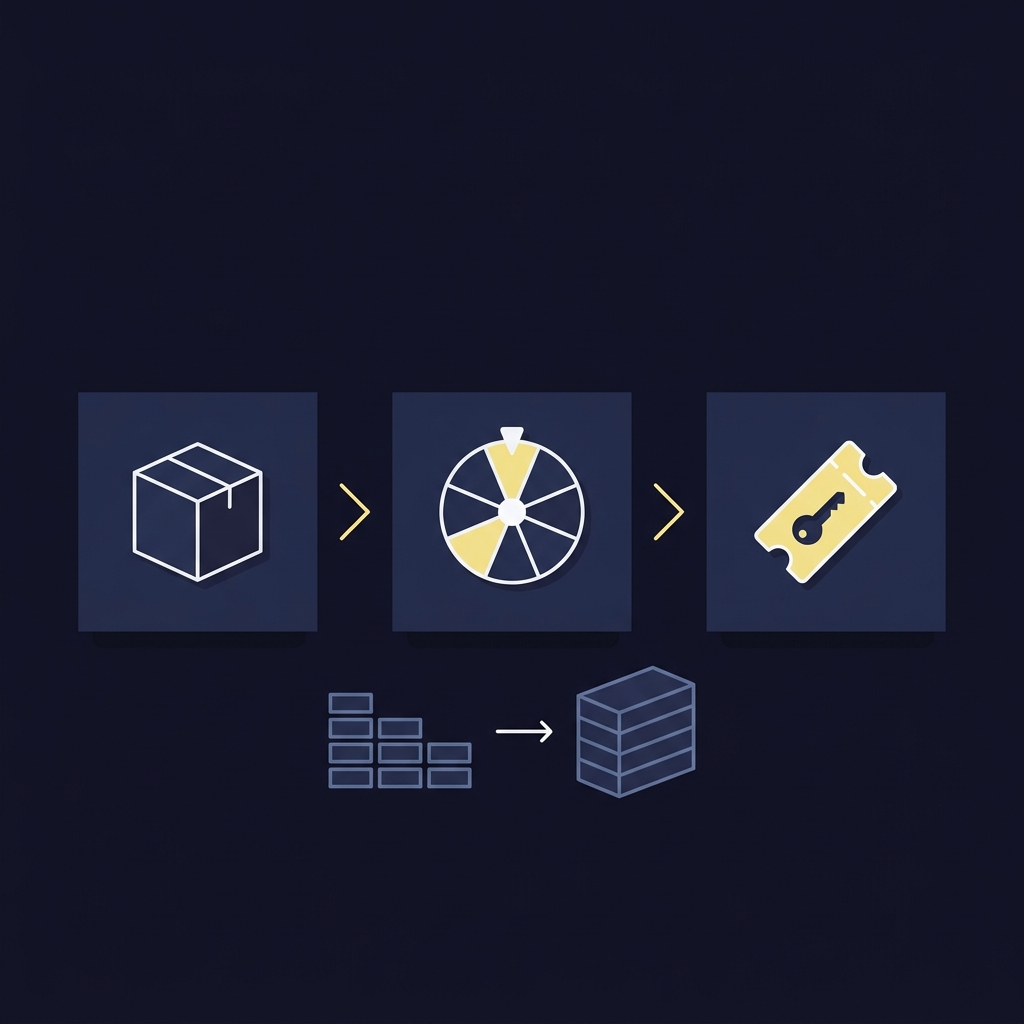
If you are at the track ask the clerk to confirm the unit and the total cost. Online, the wager preview usually displays the number of combinations and the total stake; review that carefully to avoid surprises TwinSpires guide.
Filling the ticket and checking cost
Fill the ticket with runner numbers and the ordering or type. Before submitting, double check the permutation count and total stake. Small errors in position or duplicated numbers can convert a valid ticket into a losing one due to order specificity.
Final checks: confirm base denomination, verify the number of permutations, and only then submit. If you are racing multiple events, keep to your per-race budget rules to avoid accidentally overspending Breeders Cup wagering guide.
Reading trifecta payouts and interpreting results
Where to find official payout pages
Official result pages from tracks and racing bodies publish trifecta payouts, showing the winning order, the pool, and the payout per standard unit. Those pages are the authoritative source for actual payouts after the race is closed.
Major-race result pages also let you study patterns over time so you can see how similar races produced varying payouts, which helps build practical intuition about payout variance NYRA results.
How to understand variations from race to race
Two main factors cause variation in trifecta payoffs: the size of the net pool after takeout and the odds mix among the top three finishers. A large net pool with few winning tickets yields larger per-ticket payouts than a small pool or many winners.
Consult payout pages and the pari-mutuel payout explanation to understand how pools and takeout interact to produce the published payout numbers Equibase FAQ.
When to choose a trifecta versus simpler wagers
Risk, cost and expected value trade-offs
Trifectas carry higher variance and complexity than exactas or win-place-show bets. They can produce larger payoffs for correct orders but require more permutations and higher cost for broad coverage, so consider expected value and bankroll impact before choosing them.
If your confidence in a precise top three is low, simpler wagers like exactas or show bets may better preserve bankroll while still offering reasonable upside, particularly on cards with small pools or high takeout rates Equibase FAQ.
Situations better suited to simpler bets
Choose simpler wagers when pools are tiny, takeout is high relative to the expected payout, or when the race is chaotic and your model does not separate runners clearly. Simpler bets reduce unit cost and let you stay involved across more races.
Use trifectas selectively when the race shape, field size, and your confidence align to justify the extra expense of permutations Breeders Cup wagering guide.
Quick glossary and cheat sheet
Box: buy every order of a set of horses. Key: fix one runner in a position and vary others. Wheel: fix a position or two and rotate other runners. Part-wheel: a restricted wheel that reduces permutations. Takeout: the commission cut removed from the pool. Net pool: the pool after takeout available to pay winners.
Mnemonic for box cost: count your horses, compute the ordering permutations for three slots, then multiply by the base unit. Track rules can change terms, so consult the operator or track pages for exact language and denominations TwinSpires guide.
Conclusion: a disciplined approach to trifectas
Key takeaways
Trifectas reward precise forecasting but impose high variance and rapidly rising costs as coverage expands. Use keying and part-wheels to limit permutations, set per-race budgets, and size tickets to your conviction so you avoid large drawdowns.
Next steps for practice and tracking
Practice building tickets with small units and track outcomes to learn which race shapes and ticket formats produce consistent value for your process. Over time you will see how pools, takeout, and field composition affect returns and can adapt your constructions. Visit our blog Funded Plays blog and read how our evaluations work here.
A trifecta requires picking the first three finishers in exact order; payouts come from the pari-mutuel pool after takeout is deducted.
Cost equals the number of order permutations times the base denomination, so a three-horse box costs six times the base unit.
Use a part-wheel when you want to fix one or two runners and reduce permutations while keeping coverage of your highest-confidence outcomes.
References
- https://www.twinspires.com/edge/racing/how-to-bet-the-trifecta/
- https://www.equibase.com/about/faq.cfm
- https://khrc.ky.gov/Commissions/Pages/TakeoutRates.aspx
- https://www.nyra.com/saratoga/racing/results?raceDate=2026-06-08
- https://tote.co.uk/betting/trifecta
- https://www.breederscup.com/sites/default/files/pdf/2025-breeders-cup-wagering-guide.pdf
- https://www.fundedplays.com/challenges
- https://www.twinspires.com/wager-types/
- https://gamblingcalc.com/tote-pool/trifecta/
- https://www.nyra.com/aqueduct/racing/nyra-wagering-info/
- https://www.fundedplays.com
- https://www.fundedplays.com/blogs
- https://www.fundedplays.com/blogs/how-fundedplays-evaluations-work