
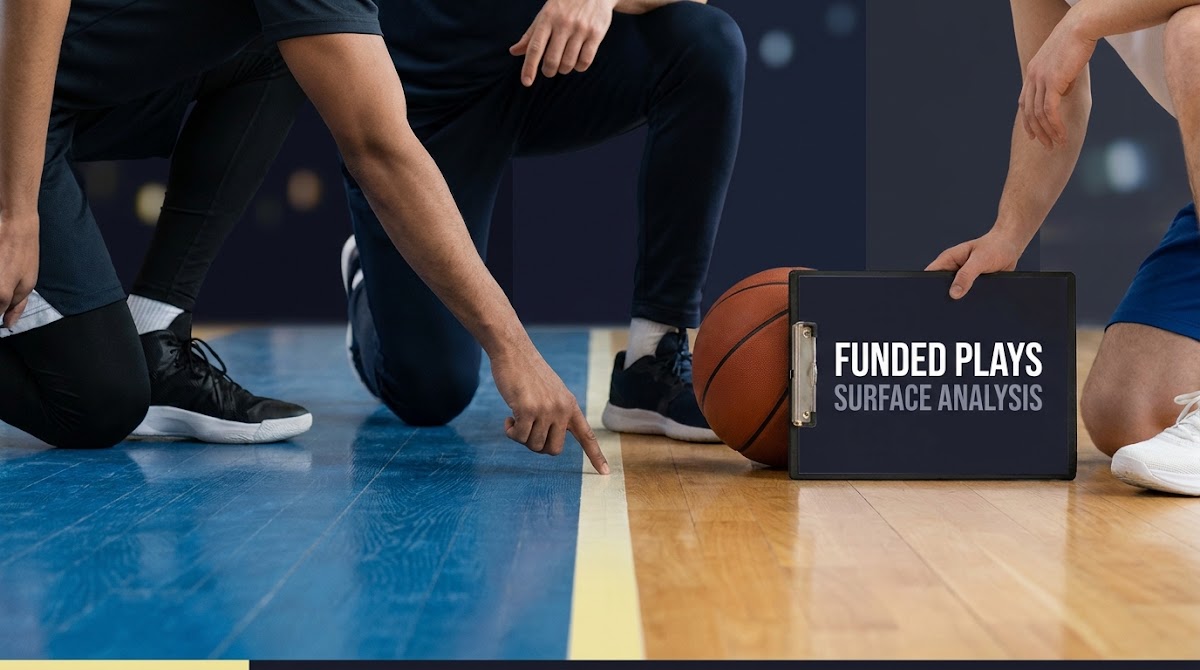
How Surface Type Affects Player Performance: overview
Why surface matters across sports
How Surface Type Affects Player Performance begins with a simple idea: the surface underfoot and under the ball shapes how both move and interact. Players feel that effect immediately in timing, in how shots bounce, and in how much grip they can rely on for cuts and push offs.
Across sports, surface differences change three visible things: how the ball reacts on impact, how reliably a player can push off and change direction, and how movement patterns must be adjusted to stay efficient. These effects matter in tennis, soccer, basketball, field hockey and many other sports that mix footwork and ball control.

Typical surface categories and examples
Surfaces cluster into a few practical categories. Natural grass tends to be softer and can vary with moisture. Clay slows a ball and often produces higher bounce variability. Hard court or indoor floors are firmer and deliver a more consistent, faster response. Synthetic turf tries to mimic grass while offering more consistency, and indoor synthetic floors can sit between hard courts and cushioning surfaces.
To keep concepts usable, think in terms of three simple qualities: hardness, texture and consistency. Hardness affects energy return, texture affects friction and grip, and consistency affects predictability. Coaches often refer to court surface and playing surface speed when planning training and match tactics. Learn more on our blog.

Core mechanisms: how surfaces change ball behavior
Bounce, skid and pace
Surface texture and firmness determine whether a ball bounces high, low, fast or slow. Rough or loose textures can absorb energy and create more skid, while firm, smooth surfaces return energy quickly and keep pace higher. Ball type, inflation and coverings also change the result, so surface effects combine with ball properties to set outcomes.
Players and coaches watching rallies notice these differences as changes in timing and in how often the ball takes unexpected angles. On slower surfaces rallies often lengthen, while faster surfaces reward early contact and flatter shots. Those observations form the basis for tactical choices without relying on exact numbers. See related research here.
Energy transfer between ball and surface
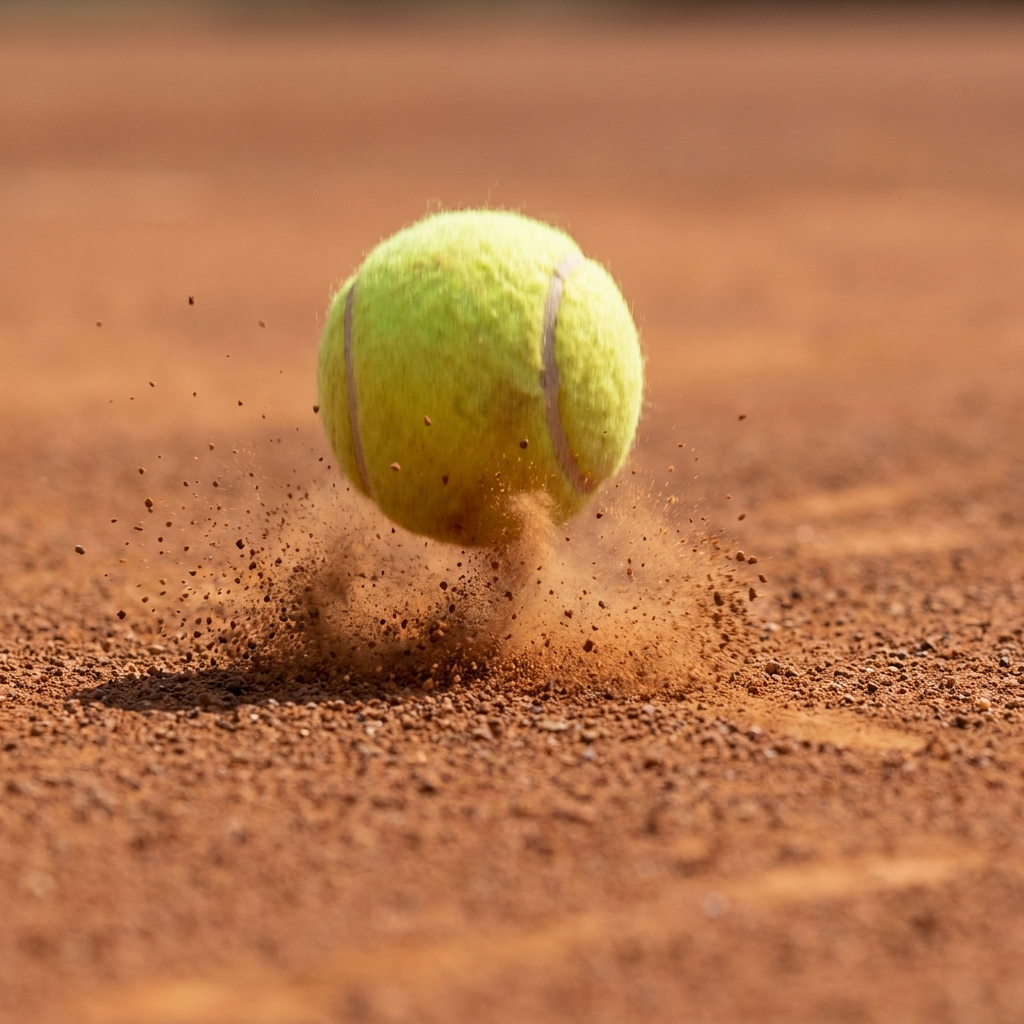
When a ball hits a surface, energy moves between the ball and the ground. A firm surface returns more of that energy to the ball, producing quicker rebounds and a livelier pace. Softer or more porous surfaces absorb some energy, reducing post impact speed and sometimes raising bounce height if the surface deforms slowly.
Surface irregularities, moisture or debris change the contact geometry and add variability. In practice this looks like unexpected skids or lower-than-expected bounces. Players who test touch and timing in warm ups reduce the chance of being surprised when play starts.
How Surface Type Affects Player Performance: movement, traction and biomechanics
Footwork and change of direction
Traction determines what a player can do with each step. On higher traction surfaces, athletes can push off more confidently, creating sharper changes of direction and faster acceleration. Lower traction pushes athletes to rely on longer, more controlled steps and different foot placement to avoid slipping.
Footwear, tread pattern and sole stiffness interact with surface friction to set available grip. A good early warm up uses short drills to sense whether the court surface feels sticky, slippery or neutral, then adjust footwork patterns accordingly. See acute effects of footwear and surface condition here.
Prepare for surface transitions with a practical checklist
Download a printable surface checklist or sign up for coaching tips to get step by step warm up cues and a pre-match inspection list.
Braking, push-off and stride mechanics
Braking and push off change with surface stiffness. Firmer surfaces often let players shorten ground contact time and rely on elastic recoil, while softer surfaces increase muscular work because they deform under load. That changes stride length and the way joints load during rapid decelerations. Players may need to adjust their braking angle or to favor different muscles to maintain control.
High grip can bring trade offs: it helps sharp movements but can raise joint loading during abrupt stops. Conversely, low grip protects joints from peak reaction forces but can increase the volume of muscular effort and fatigue from compensatory patterns. Practicing technique on the match surface helps players find safe balances.
Injury considerations and load management by surface type
Surface stiffness and repetitive load
Hard surfaces tend to increase impact forces that travel up the kinetic chain. Softer surfaces change which muscles and tendons do more work and can shift load from joints to soft tissue. Neither type is inherently bad; the key point is that a sudden switch in surface exposes tissues to unfamiliar demands, which is when injuries can occur.
Managing transitions slowly reduces acute risk and helps tissues adapt. Progressive exposure, short sessions that increase in duration and intensity, and targeted conditioning are practical ways to lower injury chance while maintaining performance goals.
Common load-management strategies
Teams and players often use a few general strategies to manage load when switching surfaces: progressive exposure, footwear adjustments, surface-specific strength work and careful monitoring of soreness and fatigue. Incorporating low intensity maintenance sessions and deliberate recovery days during a surface change helps keep chronic load balanced.
Importantly, injury risk is multifactorial. Training load, sleep, nutrition, prior injuries and movement technique all play roles. Surface choice is one contributor among many, and good practice treats it that way rather than as a sole explanation for problems.
Player archetypes and matchups: who benefits from which surfaces
Fast-court players versus slow-court players
Some players naturally fit certain surfaces. Fast-court players rely on quick footwork, flat timing and aggressive early contact. They tend to do better on firmer, faster courts that reward those traits. Slow-court specialists often build points with heavy spin, long rallies and patience; slower surfaces can magnify those strengths.
Player conditioning, shot selection and willingness to adapt moderate these archetypes. A speedy player with adaptable technique can still find success on slower courts by changing patterns and patience levels. Likewise, a spin specialist can open up tactics on firmer courts with improved timing and serve placement.
Different playing surfaces alter ball bounce, traction and the biomechanics of movement, which changes timing and load patterns; progressive exposure, targeted drills and equipment adjustments help manage those effects.
How surface can shift tactical advantages
Surface can amplify or blunt specific strengths. For example, a player who wins with low, penetrating shots gains an advantage when the surface returns balls quickly. A player who relies on high bouncing, heavy spin benefits when the surface adds lift and slows pace.
Match preparation should include assessing opponent tendencies and imagining how the surface will change those tendencies. Conditioning and equipment choices will moderate those shifts, so treat surface as one axis in your matchup planning rather than the only deciding factor.
Tactical adjustments: how to change shot selection and patterns by surface
Short-term match adjustments
Small adjustments can make a big difference in a match. On a faster surface, aim to take the ball earlier, reduce excessive spin when it diminishes control, and use flatter trajectories to shorten rallies. On slower surfaces, increase depth, use more spin to push opponents back, and accept longer point construction.
Simple in-match cues work: check early whether opponent is comfortable when you move the ball wide; test short slices to see if the surface rewards low balls; and adapt serve placement rather than serve speed if returns are consistently getting through. Always calibrate these ideas in warm up and the first games.
Long-term tactical planning
Over weeks, adjust training emphasis. Emphasize timing and shorter swing mechanics for fast courts, and work on patience, foot recovery and heavy spin options for slower surfaces. Recording match moments where surface changed outcomes helps refine choices and prevents repeating avoidable errors. For related guidance, see our evaluation process here.
Coaches should script practice sequences that simulate match conditions on the intended surface, then gradually add tactical complexity. Long-term plans that repeat testing and evaluation lead to more reliable match adjustments when the stakes rise.
Equipment and footwear: tuning grip and protection for surfaces
Footwear tread and sole choices
Shoe tread pattern and cushioning change how traction and impact absorption feel. A more aggressive tread increases grip on loose or synthetic surfaces, while a smoother sole pairs well with consistent indoor floors. Midsole cushioning alters how much impact is transmitted to joints, and stiffer soles change how force is delivered from the foot to the ground.
Test footwear in training before match use. Small changes in sole stiffness or tread can change timing and balance. Players should keep backups and try new combinations in low risk sessions before using them in competition.
help choose shoe tread and cushioning for a target surface
test new shoes in warm ups only
Ball and gear considerations
Ball type and external gear also matter. Some balls sit better on soft surfaces, others on firm ones. Clothing and tape choices rarely change performance directly but can affect comfort and confidence during transitions. Review competition rules for allowed equipment before making swaps.
When trying a new ball or shoe, include it in several practice segments to observe effects on timing, grip and recovery. Keep notes so decisions are repeatable and justified rather than being reactions to a single session.
Measuring surface effects: metrics, tests and data to collect
Simple on-court tests coaches can run
Low tech tests provide actionable insights. For bounce checks use a controlled drop test from a fixed height and observe rebound height and direction. For traction run timed short sprints with consistent starting technique and note perceived slip events. Repeat each test under similar conditions to compare surfaces reliably.

Record conditions such as moisture, temperature and shoe model when testing. That contextual information helps avoid misreading results and lets you compare like with like across sessions.
Key metrics to track in practice and matches
Track a small set of repeatable metrics: perceived traction score on a 1 to 10 scale, baseline time on a standard approach sprint, number of unforced slips or mis-timed shots, and qualitative notes on ball bounce predictability. Keep entries short and consistent to encourage regular logging. Related analyses of pitch surface on match running performance are available here.
Over time, look for trends rather than single values. Consistent differences across repeated tests provide a stronger basis for changing training or equipment than one off sensations during a single match.
Designing training sessions to adapt between surfaces
Progressive exposure and load plan
An effective adaptation plan ramps exposure from short, low intensity sessions to longer, higher intensity work. Start with 10 to 20 minute drills focused on movement and touch, then add intensity and match simulation over days or weeks. Monitor soreness, fatigue and perceived control to guide progression.
Include cross conditioning that targets muscles expected to work harder on the new surface. For example, add eccentric strength work if the surface reduces shock absorption, or single leg balance and stability drills if traction increases joint loading. The goal is a conservative increase in specific load rather than abrupt exposure.
Drills to emphasize timing and balance
Choose drills that isolate the skill you want to adapt. Use short approach timing drills, shadow footwork sequences, and controlled rally routines where emphasis is on depth and recovery rather than winners. Progress difficulty by increasing speed, adding directional changes, and then moving into live points.
Always end adaptation sessions with low intensity mobility and recovery to protect tissues adjusting to new patterns. Clear debrief notes after each session help track what improved and what needs more repetition.
Decision criteria: choosing when and where to play based on surface
Player strengths, schedule and long-term goals
Choose events and practice locations with an honest view of strengths, current form and long term goals. If a surface clearly favors your game and the event matters to your schedule, it may be worth prioritizing. If injury history or recovery needs are a concern, favor surfaces that reduce acute loading while you rebuild.
Consider the tournament calendar, travel costs and practice availability when planning surface choices. Testing assumptions in lower risk events lets you validate choices without compromising important objectives.
Risk and reward trade-offs
Make decisions with a simple trade off: short term match gain versus long term conditioning and injury risk. When the upside of a favorable surface is large for a targeted event, accept higher training load but manage recovery. When the event is lower priority, use it as a testing ground rather than a must-win situation.
Keep decisions conservative and document why you chose a surface for a given event. Clear reasoning helps maintain discipline and avoid chasing short term gains that undercut long term progress.
Typical mistakes and myths about surface effects
Overgeneralizing from single matches
A common mistake is assuming a single match outcome proves a surface effect. One match includes opponent behavior, weather, equipment and small timing errors. Use repeated tests and match logs to distinguish random outcomes from repeatable surface-driven patterns.
Recording conditions and using the same footwear and ball type across comparisons reduces confounding factors and leads to better conclusions about true surface effects.
Misattributing causes
It is easy to blame surface for poor performance when the real cause can be conditioning, tactical errors or equipment mismatch. Before changing training or gear, run focused tests that isolate the surface variable and get coach feedback on whether the change truly improves performance.
When in doubt, slow down decisions and collect more data. Rapid changes based on small samples risk creating new problems rather than solving the original issue.
Practical match scenarios: examples of planning and adjustment
Scenario 1: switching from hard court to clay
Start conservative. Use the warm up to test bounce and perceived traction. Shift to deeper shots and rely more on spin to create time in rallies. Expect longer rallies and plan for slightly earlier recovery between points to manage energy. Use practices that emphasize depth and sliding footwork if clay is consistent with your schedule.
In the match, play the first set as an exploration phase. Use that time to confirm how your serves and returns behave, then adjust serve placement and rally tempo based on those observations. Post match, note how timing changed and use those notes to guide the next practice.
Scenario 2: playing on a wet synthetic surface
Reduce aggressiveness in first exchanges and favor higher safety margins for depth. Wet surfaces can reduce traction unpredictably, so shorten swing paths and focus on balance. Adjust footwear if possible to a tread that handles moisture better and limit attempts at explosive cuts until you confirm stability during warm ups.
After the match, record any slips or timing disruptions and plan a short recovery and adaptation session before returning to high intensity training. Use that session to reinforce safer braking technique and to rebuild confidence on the surface.
Sample drills and progressions to practice surface-specific skills
Footwork ladder and balance progressions
Start with slow ladder drills to establish foot placement and rhythm. Progress to dynamic ladder sets with quick direction changes and then add resistance band steps to emphasize hip and ankle control. Finish with short reactive catches or ball feeds that require immediate balance recovery.
Cue players to keep a low center of mass during cuts and to prioritize a controlled deceleration before accelerating into the next step. Scale intensity gradually and stop drills early if balance or form breaks down.
Ball handling and rally tempo drills
Use controlled rally drills that fix rally length and vary depth. One partner focuses on consistent depth while the other practices adjusting timing and spin to match the surface. Increase tempo once control is consistent and then add directional variability to simulate match pressure.
Include drills that isolate first step recovery after each ball to train quick repositioning on surfaces that change traction. Keep progressions clear: build control, then speed, then unpredictability.
Core framework: simple checklist to apply before, during and after a match
Pre-match checklist
Check footwear and have a backup pair. Observe surface in warm up for traction and bounce. Test a few serves and short rallies to confirm timing. Ask whether the surface feels faster, slower or neutral compared to your baseline.
In-match cues and post-match learning
During play, watch whether you need extra recovery step on returns, whether slices skid, and whether your opponent struggles with depth. After the match, log what changed in timing, what equipment felt best and what tactical choices worked. Use that log to adjust the next practice session.
Putting it together: a step-by-step approach for coaches and players
Assess, test, adapt, repeat
Follow four steps: assess baseline skills and injury history, design simple tests on the target surface, adapt training through progressive exposure and drills, and repeat the cycle while logging outcomes. That iterative approach turns impressions into reproducible improvements.
Documenting each cycle reduces guesswork. Keep short notes on traction, bounce and perceived energy return after each session to build a reliable database for decisions moving forward.
Sample 8-week adaptation plan
Week 1 and 2: light exposure and movement drills. Week 3 and 4: increase intensity and add tactical drills. Week 5 and 6: simulated match play and recovery monitoring. Week 7 and 8: full match simulation and review. Adjust volume by observing soreness and control metrics, and keep conditioning targeted to the surface demands.
Set small milestones each two weeks to check whether timing, confidence and load tolerance are improving before increasing difficulty. Conservative progression beats rapid escalation when adapting surfaces.
Conclusion: key takeaways and next steps
Top practical takeaways
Surfaces matter because they change ball response, traction and player biomechanics. Test in warm ups, adapt equipment and train progressively to reduce injury risk and improve match performance. Treat surface as one variable among many and use repeated tests rather than single matches to guide changes.
Where to go from here
Start with simple tests this week: a drop test for bounce, a timed approach sprint and a perceived traction rating. Prioritize drills that improve timing and balance on the target surface and keep a short post-session log to drive your next steps. If concerns about injury or persistent performance drops remain, consult a qualified coach or medical professional for targeted advice. Or visit the Funded Plays homepage.
Adjust gradually over days to weeks using short drills, progressive exposure and monitoring of soreness and timing. Avoid sudden high intensity on a new surface.
Footwear helps but does not solve every issue. Tread, cushioning and sole stiffness matter, but technique, conditioning and consistent testing are also critical.
Not necessarily. Consider injury history, consult a professional, and use conservative exposure and tailored conditioning to reduce risks.