
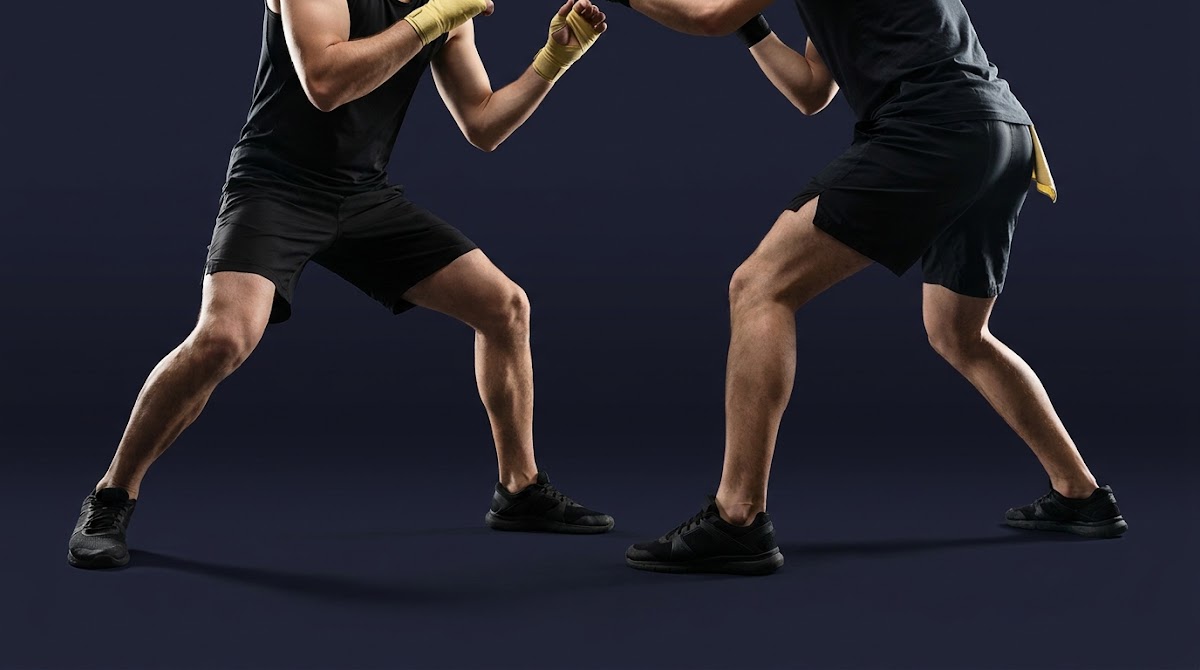
Quick summary: How southpaw matchups change fight dynamics
Concise takeaways
How Southpaw Matchups Change Fight Dynamics skews a fight toward angle-driven exchanges, alters lead-hand alignments, and turns foot-position battles into primary determinants of who can land power shots. Southpaw opponents tend to create different sightlines and mirror-image jab trajectories compared with orthodox opponents, which often produces new opening lanes for the rear hand and different timing windows for counters.
Plainly put, a southpaw versus orthodox pairing changes the geometry of attack and defense more than it changes the basic tools fighters use. This matters because small positional advantages compound into cleaner opportunities to land effective combinations and reduce exposure to counters.
Southpaw stances change the angles of attack and defense, making outside-foot control and lead-hand timing central to creating or denying clean power shots; fighters should prioritize footwork drills, targeted sparring, and film-based pattern recognition to convert these geometric differences into tactical advantage.
Who this matters for
Fighters and coaches use these insights to prioritize footwork and lead-hand awareness in preparation. Analysts and experienced fans can read film for cues like outside foot control, head angles, and repetitive lead-hand misalignments to judge whether stance will be a decisive factor in a bout.
How Southpaw Matchups Change Fight Dynamics
Key phrases to track when watching fights include outside foot, center line, jab alignment, and angle creation. If you are scanning highlights or full rounds, pay special attention to how often a fighter can pivot to the opponent's open side while keeping their rear hand free to counter.
What defines a southpaw stance and how it differs from orthodox
Basic posture and hand/foot placement
The southpaw stance places the right hand and right foot to the rear, with the left hand forward as the lead hand. In contrast, an orthodox fighter leads with the left hand and left foot forward. That mirrored arrangement shifts common attack lines, so a southpaw's jab and lead hooks often travel along different tangents relative to the opponent's guard.
Describe the stance simply when annotating film: rear hand is the power hand, lead foot is the stepping foot, and the center line is the imaginary vertical plane between the fighters. In a southpaw-orthodox pairing, each fighter's rear hand tends to have a clearer path toward the opponent's open side when foot placement and angle are allowed to develop.
Common tendencies of southpaw fighters
Southpaw fighters commonly adopt slightly different head posture and guard habits to protect against straight rights and to set up their own straight left. They may favor lateral pivots in the opposite direction of orthodox fighters and can present uncommon timing that opponents have less experience handling.
Some fighters switch stances situationally to create momentary confusion, but a declared southpaw is generally defined by habitual right-hand rear placement and repeated lead-foot alignment. When a fighter switches often, the southpaw label is descriptive for the round or sequence, not an absolute technical identity.
film-annotation checklist for stance and foot placement
Use consistently across rounds to track trends
Core principles: How Southpaw Matchups Change Fight Dynamics
Angle creation and line-of-attack changes
Opposite stances open and close attack angles in predictable ways. The key mechanical principle is simple geometry: when two fighters mirror, their jabs travel along crossing lines rather than parallel ones, which shifts the easiest path for power shots and counters. That means rotational entries and pivots take on greater value because a pivot that puts you to the opponent's outside lets your power hand align on a more direct vector to the target.
Breaking this down, a pivot to the outside of the opponent's lead foot creates a sharper line for a rear-hand cross, while stepping straight ahead often leaves both fighters on similar lines where jabs neutralize each other. Coaches who emphasize angle creation teach fighters to combine a step with rotation so the rear hand becomes an efficient strike rather than a trailing blow.
Lead-hand interactions and counters
When stances oppose, the lead hands interact differently: the two lead jabs often meet, and the space between them can either block or open a channel. For a southpaw, the left jab may slide inside or outside an orthodox jab depending on timing, creating opportunities for the straight left or a left hook behind it. Conversely, orthodox fighters often look to time their right cross over the southpaw's jab at the moment the jab retracts.
These lead-hand dynamics also create characteristic counters. If a fighter overextends the lead jab, the rear hand counter becomes more accessible because the returning arc is longer and predictable. Conversely, smart fighters use short, tight jabs and angled footwork to deny that counter window.

Foot placement and control of the center line
Foot positioning is the decisive element in many southpaw-versus-orthodox exchanges. Control of the outside foot often determines who can step to the favored angle and who is left pivoting away. Outside foot control means placing your lead foot outside your opponent's lead foot so you can create a line to the opponent's rear side while limiting their ability to counter along their preferred path.
In practical terms, winning the foot battle gives you safer access to your power hand and reduces exposure to straight counters. That is why coaches consistently drill entries that combine a small lateral step with a committed rear-hand shot, because when foot placement is correct the geometry favors decisive, cleaner contact.
Tactical adjustments: What fighters change mid-fight in southpaw matchups
Offensive adjustments
Fighters adjust offense by prioritizing outside stepping, timing the lead jab to create openings, and using feints to elicit committed defensive reactions. A common adjustment is to shorten the jab and immediately pivot the rear foot so a straight power shot follows the jab's retraction. That sequence reduces the opponent's window for a counter and uses the stance mismatch to amplify the power hand's line.
Another practical change is targeting the rear side repeatedly to break posture and create openings for combinations. Rather than long looping strikes, many fighters use compact, rotating entries that exploit the angle advantage while keeping recovery simple. These adjustments tend to be iterative during a round as fighters test which timing and distance produce reliable openings.
Practice strategic thinking with structured challenges
Try observing the outside-foot exchange and lead-hand retraction timing in your next film session to spot recurring opportunities or vulnerabilities.
Defensive responses
Defensive adjustments include changing head position to the off side, parrying the lead jab to shorten opponent timing, and stepping the outside foot back to disrupt angle creation. Parries and checks are often executed not just to block, but to change the opponent's timing and discourage repeated entries from particular angles.
Fighters also alter rhythm, using varied cadence to prevent the opponent from establishing predictable lead-hand sequences. A subtle but effective defense is the body-level change, where a slight bend or lateral tilt reduces the target area for straight rear hands while keeping the guard structured for counters.
Common patterns to watch for
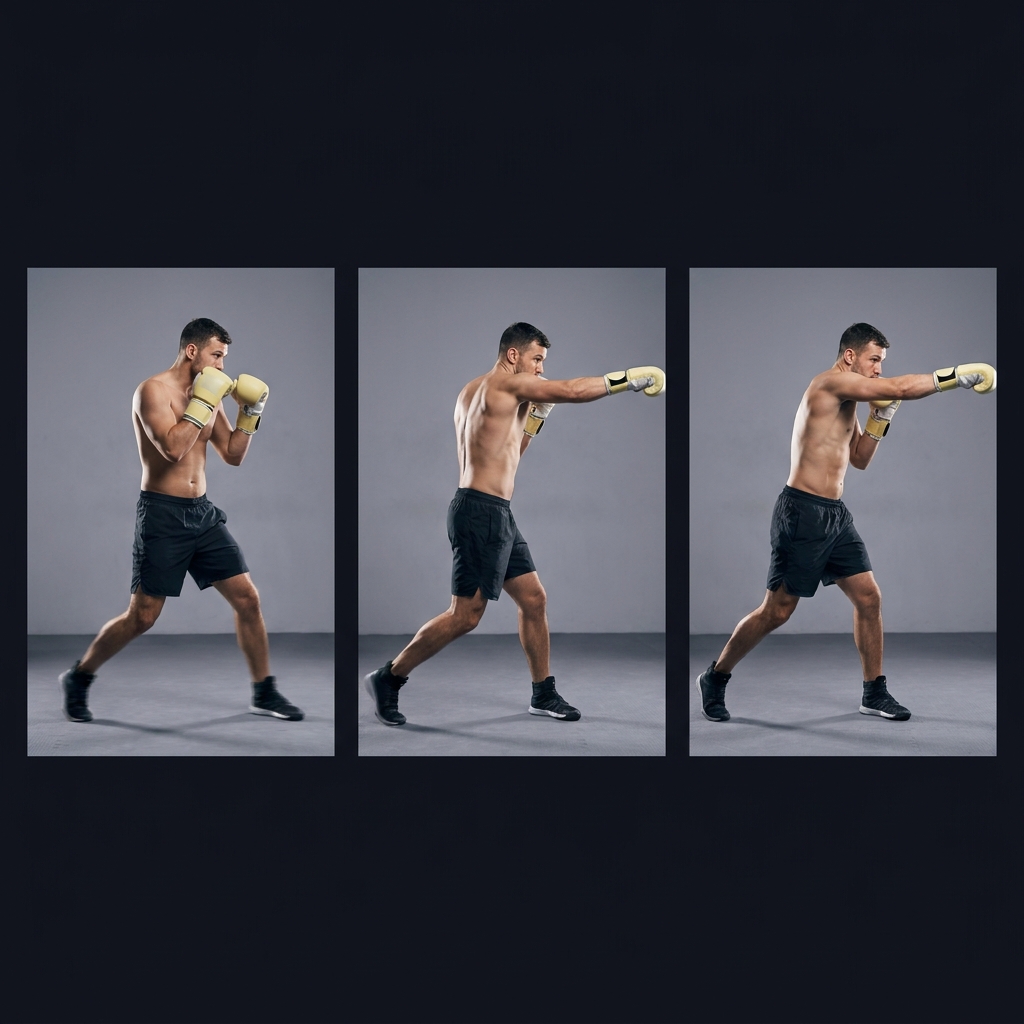
Watch for the fighter who consistently loses or gains outside foot position within the first two exchanges. Also note who successfully times the retraction of the lead jab and whether either fighter overcommits when attempting to force an angle. These patterns reveal whether a stance advantage is material or merely situational.
Timing and rhythm shifts are especially telling when they lead to repeated success or failure. If a fighter lands the rear hand after a specific feint three times in a round, that sequence becomes a predictable pattern that trainers can exploit or correct in the corner.
How reach, foot positioning, and angles shift in southpaw-versus-orthodox fights
Measuring effective reach in opposite stances
Reach is not just an arm measurement when stances oppose; effective reach depends on how the lead hand and stance geometry change the usable striking plane. A fighter with nominally shorter reach can become effectively longer if they consistently control the outside foot and present the correct angled line for their power hand. Conversely, a longer reach can be neutralized if footwork keeps the attacker on a less favorable tangent.
Coaches emphasize practical measures of reach such as the distance at which a fighter can land the straight hand while remaining outside the opponent's counters. In opposite-stance scenarios, that practical or effective reach often differs from static measurements because angles change which limb reaches the target most cleanly.
Footwork drills that reflect real-match dynamics
Drills that replicate real-match dynamics focus on small, repeated exchanges that emphasize stepping to the outside, pivot recovery, and immediate guard reconstitution. For example, a drill might have a partner present a jab and then require an outside step followed by a single rear-hand strike and a rapid pivot back to a neutral stance. The goal is to make the angle entry and recovery habitual so that in a live round the tactic can be executed under pressure.
Drill concepts include short rounds where one fighter must maintain outside foot position for three consecutive exchanges to score the point. That trains both the offensive insistence of stepping outside and the defensive urgency of denying that step, and helps expose the small timing differences that become significant in matches between opposite stances.
Decision criteria: When a southpaw advantage matters and when it does not
Contextual factors (skill, preparation, range)
Stance advantage depends heavily on context. Key factors include prior experience against southpaws, quality of footwork, ability to adapt mid-fight, and relative range control. A novice opponent who has never drilled outside-foot exchanges is more likely to suffer a stance-driven disadvantage than an experienced opponent who has prepared specifically for southpaws.
Preparation matters as much as natural stance mismatch. Fighters who have practiced timing and counters for opposite stances reduce the raw advantage that a southpaw might otherwise enjoy, which is why film study and targeted sparring are often decisive preparation choices between evenly matched athletes.
How to evaluate match-specific advantage
When evaluating a particular matchup, look for indicators such as consistent outside-foot wins, repeated clean landing of rear-hand shots after a jab, or visible difficulty reestablishing the center line. These cues suggest that stance geometry is producing usable openings rather than transient opportunities.
Conversely, if both fighters trade evenly and neither can sustain outside-foot control, stance is likely a minor factor and other attributes like timing, power, and conditioning will be more consequential. Treat stance as one element within a composite evaluation rather than the sole determinant of outcome.
Practical film checks
Use short film checks to determine impact: mark how often one fighter gains outside foot position, track sequences that end with rear-hand success, and note defensive recovery times after angle entries. These quick metrics reveal whether a stance mismatch is systematic or incidental to the fight's flow.
Common mistakes and pitfalls in southpaw matchups
Overcommitting to counters
One common error is overcommitting to a counter after baiting a lead jab. When a fighter lunges too far with a counter, they open themselves to pivots that change the line of attack and expose the rear side. Correcting this requires shorter counters and immediate foot repositioning to avoid trading off a simple positional loss for a larger tactical deficit.
Another mistake is attempting complex combinations without first securing outside-foot control, which often results in partial contact and dangerous exposure. Simple, decisive entries that maintain the center line tend to be safer when stance differences are in play.
Ignoring foot-position battles
Ignoring the foot battle is a strategic oversight. Repeatedly losing the outside foot tends to compound disadvantages because it gives the opponent the repeated chance to step to power angles. Coaches remind fighters to treat each step as part of a positional sequence rather than merely a setup for a single strike.
Small lapses like failing to check an opponent’s advancing lead foot or neglecting to angle off after landing can be exploited repeatedly, and these small errors often decide close rounds in stance-mismatch contexts.
Predictable patterns to avoid
Predictable sequences, such as always following a jab with the same rear-hand entry, become liabilities. Varying timing, mixing feints with short combinations, and ensuring the back foot is always prepared to pivot reduce the predictability that opponents exploit under opposite stances.
Corrective reminders include shortening punches when necessary, practicing silent retractions to hide intent, and rehearsing immediate pivot recovery as a default response to landing or missing a shot.
Practical examples and scenarios: readouts you can use
Short scenario 1: inexperienced orthodox vs prepared southpaw
Imagine an inexperienced orthodox fighter who has limited sparring against southpaws. Early in the round the southpaw calmly steps to the outside and lands a straight left following a short jab. The orthodox fighter responds by overreaching with a counter right that the southpaw pivots away from, then returns with a left hook to the exposed side. This sequence shows how outside-foot control plus tight rear-hand timing can repeatedly create scoring opportunities for the prepared southpaw.
In film notes a coach would flag the orthodox fighter's failure to check the outside step and recommend focused partner work to practice recovering the center line under pressure.
Short scenario 2: elite fighters both switching stances
Two elite fighters who habitually switch stances turn the match into a contest of adaptability. They may neutralize the raw stance advantage by creating unpredictable rhythm and by removing habitual foot-placement patterns. Instead of sustained outside-foot battles, the engagement becomes a series of micro-contests where each exchange tests guard reconstitution and sightline management.
In this case, a coach watching film might prioritize conditioning and transitions rather than stance-specific counters, because the switching behavior makes sustained angle advantages rare and rewards quick adjustment and diversified offense.
Short scenario 3: incremental corner adjustments
During a fight where one fighter repeatedly lands a rear-hand after a jab sequence, a coach might instruct the corner to have the fighter feint more and step to the inside after the jab to reduce the opponent’s return angle. That advice is practical: a small change in step direction or a slight delay in retraction timing can convert a repetitive loss into a neutral or favorable exchange.
When annotating film for these scenarios, label sequences by step direction, who held outside foot, and whether the rear-hand connected cleanly. These tags help prioritize which adjustments are likely to yield returns between rounds.
How to train for southpaw opponents or to fight southpaw
Drills to practice angle creation
Drill concepts include controlled outside-step sequences, timed jab-retract entries, and pivot recovery patterns. For example, a partner drill where the lead fighter offers a light jab and the responding fighter practices an outside step followed by a single rear-hand strike helps ingrain the foot-rotation combination that produces clean lines in live exchange.
Another useful concept is the incremental building of angle entries: start with a step and no strike, then add a jab, then add the rear-hand. This progression reinforces safe mechanics and reduces the cognitive load when the same actions are required under pressure in sparring or competition.
Sparring guidelines and partner selection
When preparing for a southpaw opponent, prioritize sparring partners who can consistently mimic the opposite stance and who can hold a light, controlled pace that allows for focused repetitions of foot placement and lead-hand timing. Rotate partners so the trainee experiences multiple walking speeds and habits, which builds adaptability.
For fighters training as southpaws, sparring with orthodox partners who emphasize inside-fighting drills and center-line pressure helps the southpaw practice defensive recovery and counters from positions where the angle advantage is reduced. Track progress by noting whether the trainee can establish outside foot control for a growing number of successive exchanges.
Measure qualitative progress by watching whether a fighter needs fewer conscious adjustments to win outside foot position, whether their rear-hand timing becomes more consistent, and whether they reestablish guard more quickly after entries. These observations are more telling than single statistics because they reflect habit formation rather than isolated outcomes.

Keep notes on film sessions that indicate which drills produced consistent improvement and which sequences remain vulnerable. Over time these notes form a practical guide to which tactical habits are reliable and which require further refinement.
Conclusion: key takeaways on how southpaw matchups change fight dynamics
Three practical takeaways: first, stance differences change geometry and therefore make footwork and angle creation central to offense and defense. Second, consistent outside-foot control usually determines who can safely land the rear-hand and who will be forced to trade. Third, stance advantage is conditional; preparation and adaptability often reduce raw mismatch benefits.
Use the ideas in this article as starting points for targeted film sessions and controlled sparring. Treat stance as a tactical tool to be practiced and neutralized when needed, not as a guarantee of success.
Opposite stances change the trajectory of jabs and rear-hand shots, making lateral steps and pivots more valuable to create a direct line for the power hand.
Not always; advantage depends on preparation, footwork quality, and experience versus opposite stances. Good adaptation can neutralize the mismatch.
Coaches should prioritize outside-foot drills, lead-hand timing, and sparring with partners who mimic the southpaw geometry to build practical responses.