

What reach and stance mean in fight analysis
Precise definitions: wingspan vs. functional reach
In fight analysis, reach is best understood as wingspan, the fingertip-to-fingertip arm span recorded with standardized posture and tools; using a consistent anthropometry procedure makes reported measurements comparable across teams and studies NHANES Anthropometry Procedures Manual (see the 2021 NHANES manual here).
Wingspan is a physical measurement, while functional reach is how that wingspan is used in live striking and footwork. Databases and scouting reports often publish reach as a single number that serves as a proxy for effective striking distance, but published reach should be treated as one input among many rather than a decisive predictor Reach (boxing) definition.

Common stance labels: orthodox, southpaw, open and closed stances
Stance is the fighter's foot and hand alignment, most commonly described as orthodox or southpaw, and includes open versus closed variations that change attack angles and lead-hand interactions; these asymmetries can shift which lines are available for jabs, straights, and counters PLOS ONE study on left-handedness and fighting success.
Think of stance differences as a geometric overlay on reach: the same wingspan produces different effective lanes depending on which foot is forward and how the fighter pivots or angles off the centerline Technical-tactical interactions in boxing.
How reach is measured and why measurement protocol matters
Standardized procedure: posture, equipment, and error controls
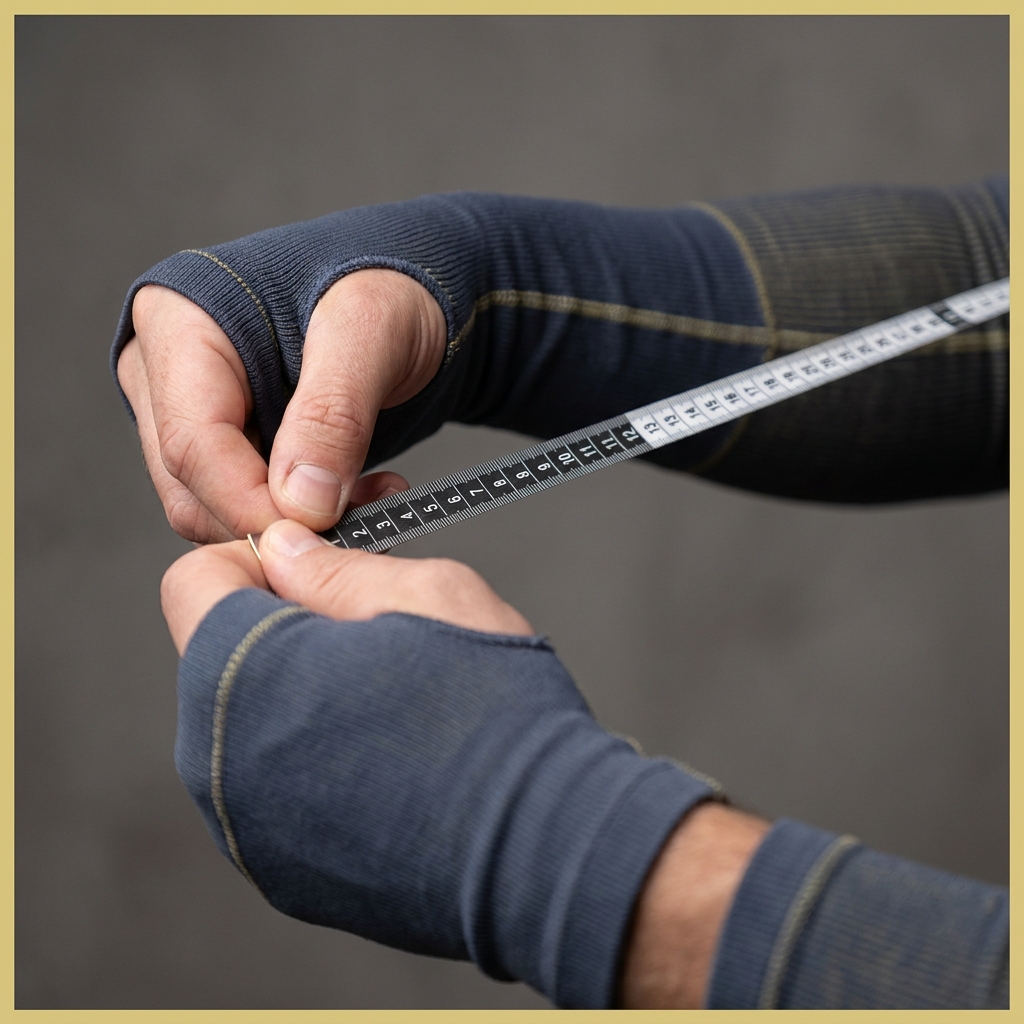
Official anthropometry protocols require a fingertip-to-fingertip measurement taken with the subject standing, arms extended horizontally and using calibrated tools, which reduces observer variation and improves reproducibility for analysts working across gyms and databases NHANES Anthropometry Procedures Manual (overview at NCBI NBK620755).
Try structured prediction challenges on the FundedPlays Challenges page
For practical use, print a single-sheet checklist that reminds measurers to control posture, use the same tool, and record repeat measurements and conditions.
Controlling the environment matters: footwear, surface, and whether the subject stretches before measurement are small sources of error that should be recorded alongside the reach value to help later comparisons remain valid NHANES Anthropometry Procedures Manual.
Practical tips for collecting reliable reach data for analysis
When collecting or using reach measurements, prefer a single trained measurer, take at least two repeated measures and average them, and log metadata such as tool type and subject posture so analysts can adjust for systematic differences between sources Reach (boxing) definition (see protocol here).
If you must use a published database number, annotate it with a confidence flag that notes whether the value came from an official measurement, a promoter's listing, or a secondary source; flagged values should be down-weighted in models until verified Reach (boxing) definition.
How reach changes offensive and defensive options
Biomechanics: straight-line attacks and buffer zones
Biomechanics research indicates that greater reach tends to favor straight-line attacks, such as jabs and straights, because a longer wingspan lets a fighter attack from a greater linear distance and create a larger buffer zone for intercepting or evading incoming strikes A systematic review of punching biomechanics.
That buffer space can make clean long-range scoring easier, especially when the rangy fighter maintains balance and measures distance with step control or a consistent jab pattern Meta-analysis on left-handedness and fighting advantage.
Limits of reach: timing, footwork, and closing distance
Reach alone does not win exchanges; timing and footwork determine whether a fighter controls range. A shorter opponent with superior entries, angles, or inside pressure can nullify a reach advantage by shortening the exchange window and changing the fight's preferred distance A systematic review of punching biomechanics.
Practical film study should therefore record not only strike types and counts, but who initiates range changes, how often entries succeed, and which fighter consistently controls the lead hand during jab battles Meta-analysis on left-handedness and fighting advantage.
Stance dynamics and the southpaw effect
Why open-stance matchups change angles and lead-hand contests
Open-stance matchups, notably orthodox versus southpaw, systematically alter angles for lead-hand clashes, rear-hand lanes, and pivot opportunities; analysts see repeated patterns in how leads meet and how counter lanes open when the front feet are outside each other Technical-tactical interactions in boxing.
compact visual aid for stance angle relationships
Use with a stance diagram
These angle changes affect which side a jab controls and which rear-hand counters are available; the lead-hand contest becomes a primary tactical focus in many open-stance scenarios, influencing whether a fighter can control range with repeated jabs or must rely on timing and feints Technical-tactical interactions in boxing.
Evidence for a small-to-moderate southpaw advantage and context dependence
Population and meta-analytic studies have found overrepresentation of left-handers among successful fighters, which suggests that southpaw or left-handed orientations can confer a small-to-moderate advantage; however, effect sizes vary across sports and depend on exposure and training practices PLOS ONE study on left-handedness and fighting success.
In practice, an apparent stance advantage can shrink with experience: fighters who regularly face southpaws or train specifically for open-stance strategies reduce surprise and angle-related benefits, so analysts should record opponent exposure in scouting notes Meta-analysis on left-handedness and fighting advantage.
A practical framework: combine measurement, film, and notation
Notational coding to capture reach- and stance-specific exchanges
Good notation captures entries, exits, lead-hand control, jab success, and counter lanes; combine a verified wingspan number with play-by-play tags so you can measure whether reach translated into effective long-range scoring or merely appeared as an unused attribute NHANES Anthropometry Procedures Manual.
Use discrete tags for events such as successful jab, jab blocked, entry to inside, pivot away, and rear-hand counter; these codes let you compute event rates per round and compare how reach and stance interact under live conditions Technical-tactical interactions in boxing.
How to triangulate measurements with recent opponent film
Triangulation means verifying a fighter's published wingspan, checking film for how often that reach is used, and considering opponent-specific variables like southpaw exposure and ruleset differences; combining those streams gives a more defensible input for predictions and scouting grades Technical-tactical interactions in boxing.
Include a simple rubric that weights reach, stance, timing, footwork, and ruleset modifiers; record which items are empirical from film and which are inferred from measurements so modelers can tune parameter weights transparently NHANES Anthropometry Procedures Manual.
Decision criteria: when to prioritize reach or stance in your model
Situations where measured reach should be weighted higher
Prioritize reach when a fighter demonstrates range-dominant style, consistent jab control, and an empirical record of scoring from distance; these conditions amplify the value of wingspan in predictions and scouting grades A systematic review of punching biomechanics.
Also increase the weight for reach when film shows the opponent struggles to close distance or frequently gets caught during entries, because reach can then act as a persistent barrier rather than a theoretical advantage Meta-analysis on left-handedness and fighting advantage.
Use verified wingspan measurements as a stable attribute, then validate its effect with stance-aware notational coding of entries, lead-hand control, and counter lanes; weight reach higher when film confirms range dominance and weight stance mismatch higher when lead-hand battles and limited opponent exposure make angles decisive.
When stance mismatch should change your prediction
Give extra weight to stance mismatch when lead-hand battles are frequent, when the fighter creates unusual angles off the jab, or when the opponent has limited southpaw exposure in their recent fights, since these conditions make stance-related benefits more likely to show up in the scorecard PLOS ONE study on left-handedness and fighting success.
Conversely, down-weight stance where both fighters show extensive cross-training against open stances or when glove size and rules restrict range variability; always document the reason for your weight choice so the model remains auditable Technical-tactical interactions in boxing.
Common mistakes analysts make and how to avoid them
Measurement and data-source errors
Relying on advertised or promoter-published reach without verification can introduce bias because the reported number may not follow standardized measurement procedures; always look for a documented protocol or re-measure where possible Reach (boxing) definition.
Simple corrections include flagging uncertain values, using average repeated measures, and keeping a log of who measured what and under which conditions to reduce systematic error across your database NHANES Anthropometry Procedures Manual.

Tactical oversimplifications
A common mistake is treating reach as a deterministic advantage; small-to-moderate stance effects and the primacy of timing mean that analysts who overemphasize wingspan will miss cases where a shorter fighter wins by superior entries or inside control Meta-analysis on left-handedness and fighting advantage.
Fix this by coding for entry success rates, lead-hand control, and the proportion of exchanges fought at each distance, then report uncertainty intervals when you present reach-based adjustments A systematic review of punching biomechanics.
Concrete examples and step-by-step scenarios
Scenario A: tall rangy jabber vs short power puncher
Step 1, verify the rangy fighter's wingspan from a reliable measurement source or measured record; then code film for jab initiation rate, jab connect rate, entries resisted, and rounds where the jab controlled distance NHANES Anthropometry Procedures Manual.
Step 2, track whether the shorter power puncher successfully closes the distance and the success rate of inside exchanges; if the shorter fighter repeatedly lands power shots after successful entries, down-weight wingspan in favor of entry efficiency metrics A systematic review of punching biomechanics.

Scenario B: orthodox vs southpaw lead-hand battle
Step 1, confirm stances and measure how often the lead feet land outside each other on exchanges; tag each round for lead-hand control, pivot success, and which fighter opens the rear-hand lane for counters Technical-tactical interactions in boxing.
Step 2, if the southpaw shows higher success rates on lead-hand counters and the orthodox opponent lacks recent southpaw exposure, increase the stance mismatch weight when grading or modeling the matchup PLOS ONE study on left-handedness and fighting success.
Convert these observations into graded inputs by assigning simple scores for reach effectiveness, entry efficiency, and stance mismatch, then normalize scores so they fit the scale used in your prediction or scouting model Technical-tactical interactions in boxing.
Key takeaways and next steps for analysts
Summary of actionable rules
Verified wingspan plus stance-aware notation produces the most reliable insight because measurement gives you a stable attribute and notation shows whether it matters in live exchanges NHANES Anthropometry Procedures Manual.
Three immediate actions: verify reach measurements, add notational tags for lead-hand control and entries, and always report uncertainty and recent opponent exposure when weighting stance in models Technical-tactical interactions in boxing.
Reach is defined as wingspan measured fingertip-to-fingertip using standardized anthropometry protocols and consistent posture and tools.
No. Studies show a small-to-moderate overrepresentation of left-handers among successful fighters, but the effect is context dependent and reduced by exposure and training.
Verify measurements, log metadata, code film for entries and lead-hand control, and report uncertainty when weighting reach in models.
References
- https://wwwn.cdc.gov/nchs/data/nhanes/2023-2024/manuals/2023-24_Anthropometry_Procedures_Manual.pdf
- https://boxrec.com/media/index.php/Reach
- https://journals.plos.org/plosone/article?id=10.1371/journal.pone.0105762
- https://www.frontiersin.org/articles/10.3389/fspor.2024.xxxxxx/full
- https://wwwn.cdc.gov/nchs/data/nhanes/public/2021/manuals/2021-Anthropometry-Procedures-Manual-508.pdf
- https://www.ncbi.nlm.nih.gov/books/NBK620755/
- https://www.phenxtoolkit.org/toolkit_content/archive/20000/020703_Protocol.docx
- https://www.tandfonline.com/doi/full/10.1080/14763141.2023.XXXXXX
- https://royalsocietypublishing.org/doi/10.1098/rsos.190915
- https://www.fundedplays.com/challenges
- https://www.fundedplays.com/blogs
- https://www.fundedplays.com/blogs/how-fundedplays-evaluations-work
- https://www.fundedplays.com