
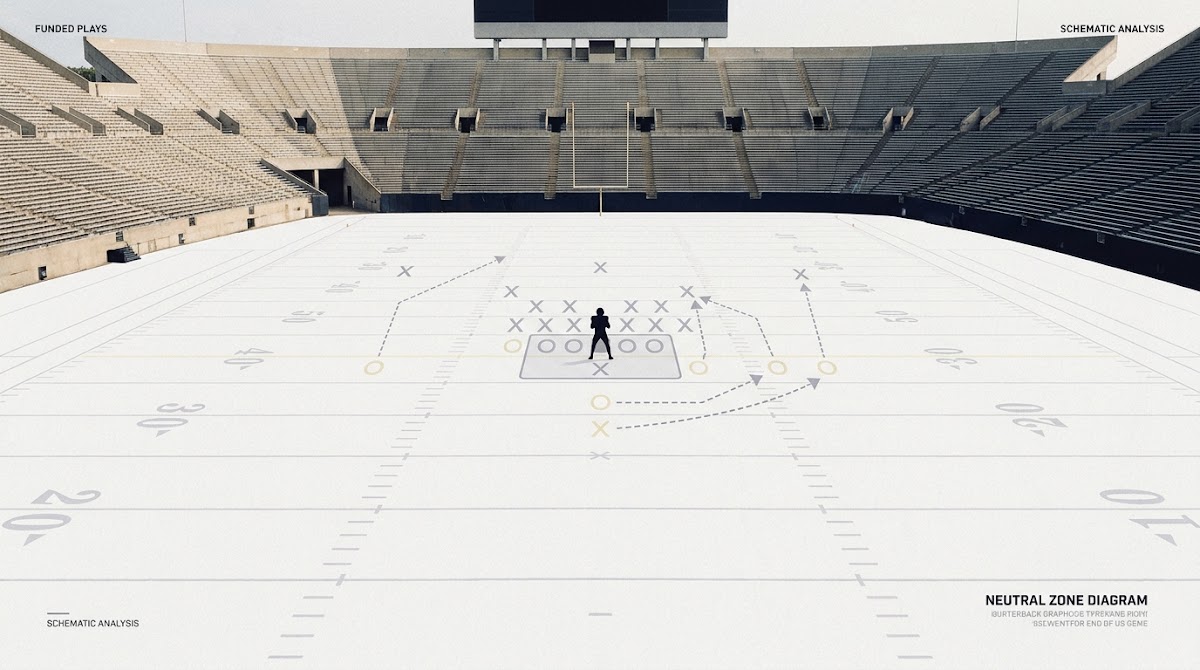
How Quarterback Experience Affects Team Ratings: Definition and context
Start by treating How Quarterback Experience Affects Team Ratings as a clear, operational question: which measurable player history inputs move a team rating and why. For rating models to be actionable, analysts should separate hard counts such as starts and snaps from softer attributes like leadership and system familiarity.
Measurable facets of quarterback experience typically include career starts, recent season snaps, age, and time spent as a primary starter in a system. These are inputs most easily quantified and tested in team rating models. Soft qualities such as leadership, practice habits and locker-room influence matter, but they are harder to encode and should be treated as qualitative modifiers rather than primary predictors.
quick composite experience score to compare quarterbacks on a common scale
use as a prior in small samples
Rating models incorporate player-level inputs because a single player's choices behind center can move yardage outcomes, turnover rates and situational execution enough to change aggregate offensive measures. Analysts should be explicit about the scope: experience is a contributor to team rating variance but not a sole determinant; factors such as offensive line quality and coaching remain essential supports.
When operationalizing How Quarterback Experience Affects Team Ratings, document what you measure, why it matters for your specific model and which parts you downweight as subjective. That discipline helps avoid overclaiming the predictive power of experience versus the supporting cast.
How Quarterback Experience Affects Team Ratings: Core mechanisms
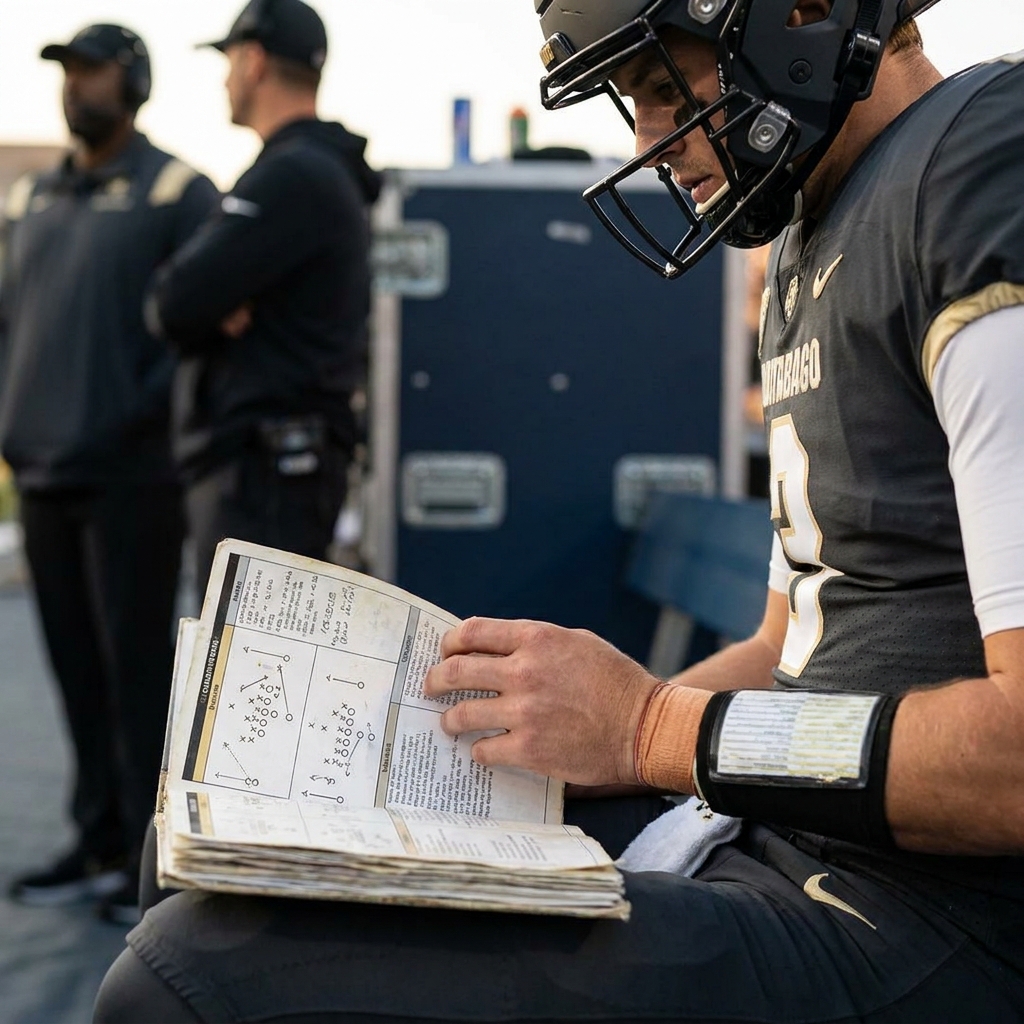
Experience alters team ratings through on-field decision making and play recognition. A quarterback with more in-game repetitions tends to make faster reads, which lowers the probability of negative plays and can reduce turnover rate and sack rate proxies used in team metrics.
Execution under pressure is another channel. Experienced quarterbacks typically demonstrate steadier situational performance in short-yardage and two-minute scenarios, which lifts red zone efficiency and late-game win-probability inputs. When such tendencies are visible, team-level offensive ratings will reflect fewer failed drives and more scoring opportunities.
Pre-snap work matters as well. Quarterbacks comfortable in a system adjust protections, change routes and manage tempo more effectively, which shows up as improved third-down conversion rates and fewer blitz-related errors. These micro-actions accumulate into measurable changes in team output even when raw passing yard totals stay similar.
Non-measurable effects, such as on-field leadership and calm under pressure, also affect teammates and play-calling confidence. While these are difficult to quantify, they influence roster usage and situational play choices that feed into team rating models.
Measuring experience: metrics, data sources and how analysts use them
Quantitative measures to represent quarterback experience include career starts, season snap counts, age, games as primary starter and historical turnover rates. Pressure-handling metrics such as adjusted completion percentage under pressure or sack rate allowed when targeted provide useful situational context for ratings. (See related research.)
Qualitative signals include system tenure, coaching continuity and visible leadership. Analysts can proxy these by counting seasons under the same play-caller, coaching staff turnover events, or by using consistent starter flags across seasons to represent continuity. Encoding qualitative signals numerically improves integration with automated team rating models.
Public data sources for these items are play-by-play logs, snap counts, and roster designations. Film grading and detailed pressure metrics often require subscription data or manual charting, and those sources carry reliability limits and potential bias from small samples. Keep in mind that small-sample volatility makes raw early-season numbers noisy for model training. (See wider industry coverage on analytics adoption here.)

Analysts often combine data sources by constructing rolling windows of starts and snaps, smoothing career counts with exponential decay and using conservative priors when games played are few. That approach helps convert sparse observations into stable inputs for team rating models.
How teams adjust strategy and roster around quarterback experience
Coaching staffs adapt play-calling to quarterback experience. With inexperienced starters, play-calling tends toward simpler concepts, more quick-release passes and scripts that reduce pre-snap decision load. Those changes lower risk but typically suppress peak passing efficiency metrics used in ratings.
Protection and personnel decisions are a direct response to quarterback experience. Teams may keep tight ends in to help with blocking, add extra linemen in heavy protection packages or lean on running game scripts to reduce exposure. These roster adjustments change the offense's profile and therefore alter team-level ratings for yards per play and success on early downs.
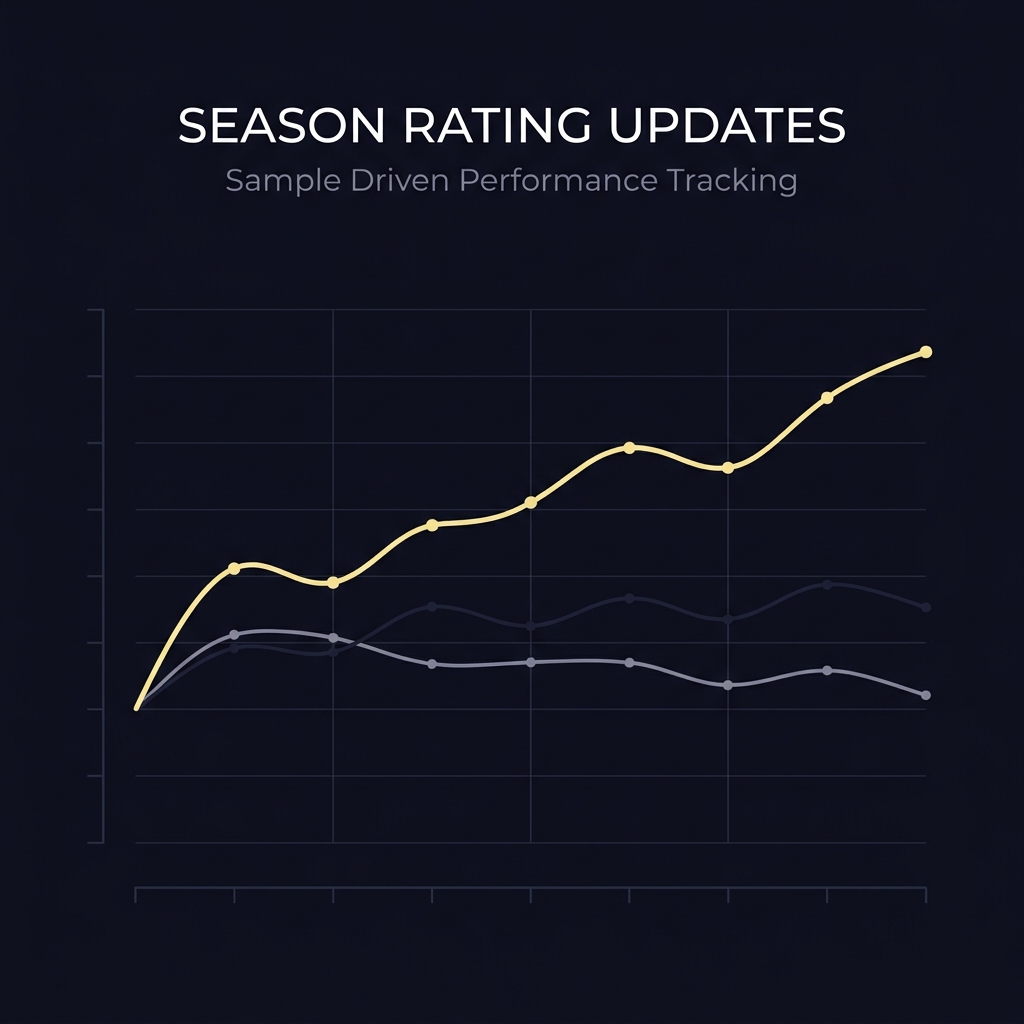
Coaching support is another lever. Simplifying terminology, installing situational packages and giving more in-game support from veteran assistants can mitigate the downside of a less experienced quarterback. Those measures do not eliminate the experience gap but can reduce its impact on measurable outputs.
Front offices sometimes prioritize a veteran backup, or shift roster construction to protect and support the starter, which in turn affects the ratings distributed across offense and special teams in aggregated models.
Decision framework: When to weight quarterback experience in team ratings
Use a clear decision flow when deciding how much weight to assign to experience in a rating model. First, set your rating horizon. For long-term season projections, trend-based experience metrics deserve more weight because learning and adaptation generally play out over many games.
Second, compare the quarterback's experience signal against roster and coaching quality. Experience interacts with offensive line talent and play-caller skill; strong supporting context amplifies the value of experience, while weak support dampens it.
Decision Checklist for Weighting Quarterback Experience
Subscribe for a printable decision checklist that summarizes how to weight quarterback experience across short and long rating horizons.
Third, handle small samples with conservative priors. If a quarterback has limited starts, apply shrinkage toward population means or use hierarchical modeling to borrow strength from similar players. Increase weight only after the player clears sample thresholds such as a meaningful number of starts or snaps.
Finally, adjust for injury returns and midseason changes by using injury-adjusted decay rates. Past experience matters for veterans returning from injury, but recent inactivity increases uncertainty, so balance historical evidence with current readiness when updating team ratings.
Common mistakes and pitfalls when using quarterback experience in ratings
One frequent error is overfitting to short career samples. Early success or failure in a handful of starts can mislead models unless analysts use cross-validation or conservative priors to temper the signal.
Another pitfall is ignoring system and personnel fit. A quarterback who performed well in one scheme may not translate to a different play-caller or offensive line. Failing to control for these contextual factors produces biased estimates that misattribute team outcomes solely to the quarterback.
Misinterpreting correlation as causation is an additional danger. Teams with experienced quarterbacks often also have better rosters and coaching, so simple correlations between experience and wins can be confounded. Use multivariate controls or hierarchical models to isolate the quarterback contribution.
Corrective actions include using regularization, hierarchical modeling and conservative weighting when sample sizes are small. Document assumptions and run sensitivity tests so stakeholders can see how much experience shifts ratings under alternate priors.
Practical examples and scenarios: applying the framework
Scenario 1, a rookie starter progression: start with a conservative rating that reflects small-sample uncertainty. Use a prior based on career-start proxies and adjust weekly with rolling snap-count thresholds. After a set number of starts that pass your sample threshold, gradually increase the weight you give to observed performance relative to the prior.
Step 1: initialize a baseline rating using the calculator score and population mean for rookies. Step 2: update weekly with performance-adjusted metrics such as turnover rate and third-down efficiency. Step 3: when the rookie reaches your pre-defined sample threshold, reduce prior shrinkage and let the player-level data drive updates more directly.
Use a rating horizon and supporting roster assessment to set initial weight, apply conservative priors for small samples, and increase weight only after predefined sample thresholds or consistent performance evidence.
Scenario 2, a veteran returning from injury: treat past track record as informative but discount it based on time missed and recent workload. Give more credence to film-verified readiness and short-term live reps rather than relying solely on historical high-level ratings.
Scenario 3, midseason replacement and stabilization: when a team replaces its starter midseason, prioritize short-term projections. Increase roster support factors in your rating model such as protection packages and run-rate adjustments. For immediate game-level ratings, weight recent practice reports and coaches statements more heavily than long-term career trends.
Across these scenarios, document threshold rules and use play-level metrics such as red zone efficiency and sack rate to capture the concrete channels through which experience changes team outputs. That makes rating updates transparent and repeatable.
Conclusion: practical takeaways for analysts and fans
Experience affects team ratings through decision making, situational execution and system familiarity, but it is not a standalone predictor. Treat How Quarterback Experience Affects Team Ratings as one input among many, and always consider the supporting roster and coaching context.
Three concise takeaways: first, quantify experience with starts and snaps and use conservative priors for small samples. Second, adjust model weights based on rating horizon and roster amplifier effects. Third, validate changes with out-of-sample tests and document sensitivity to the experience prior.
Test frameworks, iterate and favor conservative adjustments when evidence is sparse. That approach yields more reliable team ratings and clearer insights for analysts, bettors and fantasy players alike.

Use measurable metrics such as career starts, season snap counts, system years and historical turnover rates, and apply conservative priors for small samples.
Experience matters more over longer rating horizons and when the supporting roster and coaching are stable; for short-term game-level projections recent performance and readiness often matter more.
Use cross-validation, hierarchical modeling or shrinkage toward population means and explicitly control for offensive line and coaching quality to avoid biased estimates.
References
- https://www.fundedplays.com/challenges
- https://www.fundedplays.com
- https://www.fundedplays.com/blogs
- https://www.fundedplays.com/blogs/how-fundedplays-evaluations-work
- https://digitalcommons.latech.edu/context/mathematics-senior-capstone-papers/article/1055/viewcontent/Quarterback_Statistics_vs._Season_Success.pdf
- https://etd.ohiolink.edu/acprod/odb_etd/ws/send_file/send?accession=osu1242922731&disposition=inline
- https://www.espn.com/nfl/story/_/id/41328710/nfl-analytics-survey-2024-most-least-analytically-inclined-teams-predictions-stats