

Why lineup changes matter for MLB prices
Overview of market sensitivity to roster info
Lineup announcements change the expected run production for a team, and shifts in expected runs flow into win probability and then into prices on moneyline and totals. In practice, starting lineups matter because they set the offensive profile that models use to estimate runs, and the market treats that information as new input that can change prices quickly. Those links between lineup, runs, and odds are the basic causal chain bettors need to follow when assessing sudden moves.
For many bettors the phrase How Lineup Changes Move MLB Prices is shorthand for that chain: identify a lineup change, estimate how many runs it costs or adds, convert runs into win probability, then compare that new probability to the current market price. This stepwise view helps separate noise from material changes and gives a repeatable way to act on roster news.
High-level examples of price moves
Imagine a late scratch of an everyday middle-of-the-order hitter: models that convert player offense into expected runs will lower that team’s forecasted runs and the market often responds by moving the moneyline and total in minutes. Observers commonly see larger moves when a starting pitcher is replaced, and smaller but still actionable moves for hitter scratches or batting-order swaps, depending on the change in run expectancy and the timing relative to first pitch.

When a lineup becomes official: the rules and timing
Official Baseball Rules on batting order and substitutions
The official moment when a batting order is binding is defined by baseball’s rulebook, which requires teams to submit and announce batting orders before the game and then treats later alterations under substitution rules. That rule-based timing is the reason markets treat the posted lineup as authoritative when it appears, because substitution rules change how late scratches are handled within the game context. For bettors this means posted lineups are not mere rumors but officially significant statements about who will play.
Because the rules create a clear handoff from pregame planning to in-game substitution authority, a confirmed lineup functions as a market signal. When a change happens after the lineup is official, substitution rules determine the allowable replacements and game consequences, and markets often re-price around that boundary as traders and price setters update expected run contributions.
Official Baseball RulesPractical timing: announcement windows and late scratches
Clubs typically post their starting lineup within a window before first pitch, and scratches that appear near game time are the ones that move prices most because they alter short-term expectations with little time to rebalance exposure. Bettors should note that timing matters: an early, planned lineup change may be priced already, while a late scratch close to first pitch often forces rapid re-pricing.
Practically, this creates a predictable cadence: quiet windows when lineups are expected, a burst when official lineups are posted, and concentrated activity up to the first pitch where last-minute scratches produce the sharpest moves.
How betting markets absorb lineup news: speed and microstructure
Who moves lines: books, market makers, sharps
When official lineups appear, a chain of actors digests the information: sharp bettors and syndicates often react first, market makers adjust quotes to balance risk, and retail follows. That order matters because concentrated early action from sharps can produce 'steam' that forces books to widen spreads or shift lines to balance liability quickly.
The speed of re-pricing is shorter now than in previous years because wider real-time data distribution and automated feeds let both books and professional bettors update models within minutes of a lineup post. Observers report that moneyline and totals commonly re-price within minutes, particularly for unexpected scratches near game time, and that fast feeds close the window for slower participants.
VSiN betting guideTimely lineup alerts for faster reactions
Subscribe for timely lineup alerts and concise pregame notes to help you act quickly when official lineups post.
Tempo of re-pricing and what 'steam' signals
Steam is visible when coordinated, aggressive bets arrive in a short span and force the line to move; it usually signals that players with informational or model edges are acting together. Watching for concentrated, directional price shifts is a practical way to tell whether movement reflects new information about expected runs rather than random liquidity imbalances.
Closing line value, measured after markets settle, is the retrospective check: if your early price consistently loses value compared to the closing line, you may be reacting too slowly or estimating player value incorrectly. Using closing line value as feedback helps validate whether you are genuinely faster or more accurate than the market.
Action Network on steam movesFrom lineup change to price: converting runs to win probability
Sabermetric building blocks: WAR and runs-to-wins
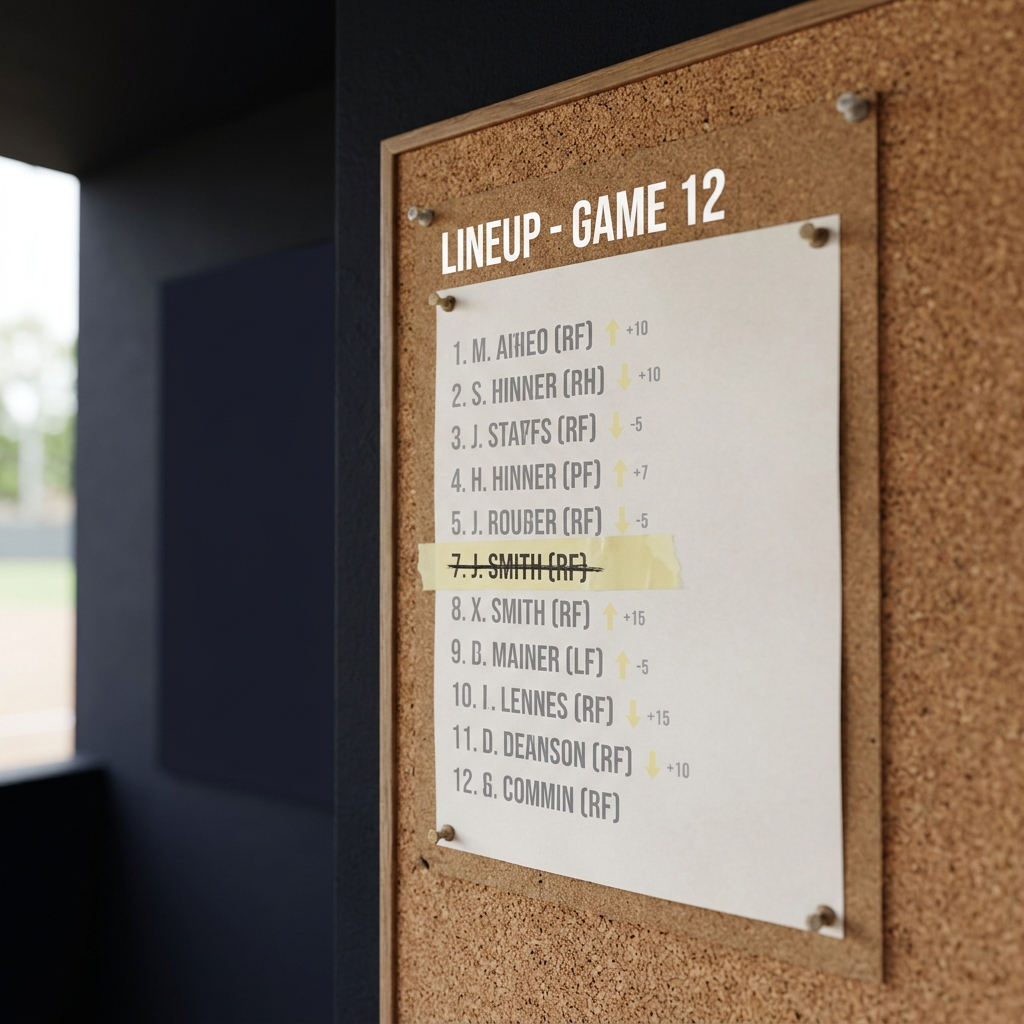
Analysts use player-value frameworks like WAR and runs-to-wins conversion to translate a lineup change into an expected runs difference, which then converts to win probability. WAR and related measures provide a principled way to estimate how much offensive value a missing player removes from the lineup, and that estimate is the first input for an odds-impact calculation.
Applying these building blocks means working from a player-level run impact to team run expectancy, and then mapping that run difference into win probability using runs-to-wins curves. FanGraphs documentation explains these concepts and shows how player contributions are framed for lineup and roster analysis.
FanGraphs Library on WARSimple model: estimate player run value and convert to odds effect
A simple calculation flow is: estimate the change in expected runs from the lineup alteration, convert that runs change to a change in win probability with a runs-to-wins conversion, then translate the win probability change into an implied price shift on moneyline or totals. Thinking in these steps keeps the work transparent and repeatable without relying on opaque heuristics.
For practical handicapping, the emphasis should be on conservative, repeatable adjustments rather than precise point estimates, because small run changes are often swamped by game variance. Using a runs-to-wins approach helps quantify potential impact and sets expectations about the likely size of a market move.
FanGraphs on lineup constructionWhich lineup moves usually move prices most
Starting pitcher changes vs hitter scratches
Starting-pitcher replacements are the single largest driver of price adjustments, since they alter both run prevention and matchup dynamics in ways models and markets recognize quickly. When a scheduled starter is replaced unexpectedly, books and bettors commonly re-price moneylines and totals more dramatically than for most hitter scratches because the pitcher change reshapes expected runs across the lineup exposure.
Hitter scratches and batting-order swaps usually produce smaller moves, but they are still meaningful when they remove a high-leverage bat or change the lineup protection around a key hitter. The size of the move depends on how much the lineup change alters run expectancy relative to the variance employees assume for a single contest.
VSiN on starters and lineup effectsBatting-order shifts and platoon effects
Platoon choices and batting-order position matter because they change how often certain hitters face pitchers and which hitters protect each other in the lineup. A platoon-driven substitution that brings in a better match against the opposing pitcher can raise expected runs in the short term, and markets pick up on these patterns if the change meaningfully shifts run expectancy.
Good handicappers watch not just who is in the lineup but where they hit, and they pay special attention to late changes that alter platoon balance or remove a protected lineup spot. Those subtleties are often the difference between a material and an immaterial move around posted lineups.
FanGraphs on lineup constructionQuantifying impact: practical modeling approaches
Player-value models and lineup-adjusted run estimates
Modelers combine player offensive metrics, platoon splits, park factors, and the opposing starting pitcher to produce a lineup-adjusted expected runs number. Inputs like on-base rates, slugging splits, and handedness splits feed into a straightforward run estimation layer that sits above raw player metrics, and that layer is what changes when a lineup swap occurs.
Building a reliable model requires conservative assumptions and regular calibration against outcomes. Model outputs are inherently noisy, so good practice is to test how sensitive your projected odds change when you vary key inputs, and to avoid overfitting to small differences that will be absorbed by game variance.
FanGraphs on WARHow model outputs map to odds changes
Once you have a runs delta from a lineup change, map that delta into win probability using a runs-to-wins conversion, then to an implied market price. This mapping can be implemented as a lookup or a simple formula within your model pipeline so that a last-minute scratch yields an immediate estimate of how many cents or points the market should move.
Keep in mind that uncertainty near game time is higher, and shops often widen spreads to manage liability. The model output should therefore be interpreted with a margin of conservatism and used as a guide rather than a single decisive trigger for large stakes.
VSiN on modeling and adjustmentsSignals to watch in real time: steam, CLV, and line movement patterns
Interpreting rapid price shifts
Rapid, concentrated price shifts often indicate steam, where informed or fast money pushes a line before books can rebalance. Spotting that pattern in real time helps distinguish information-driven moves from gradual retail drift, and responding to true steam requires both speed and a clear view of whether the underlying lineup change justifies the directional action.
Closing line value should be tracked after the fact to see if your early action was justified. Over time, measuring CLV helps determine whether you are consistently beating the market on lineup events or simply chasing short-lived noise.
Action Network on steam movesOfficial lineup posts change expected runs; analysts convert the run delta into win probability and compare it to market prices. Markets re-price rapidly when changes are material, so quick verification, conservative modeling, and disciplined sizing are essential.
When movement reflects information versus liquidity imbalance
Not every fast move is correct information: some are liquidity imbalances where a single large bet forces a line to move temporarily. To tell the difference, look for volume and follow-through across books. If multiple shops move in the same direction and volumes back the move, it is more likely information-driven than a one-off liquidity blip.
Since real-time data feeds are faster and more widely available by 2026, the window to exploit these differences is smaller, making consistent monitoring and quick verification essential for anyone who trades lineup-driven moves.
Unabated on closing line valuePractical pre-game and live scenarios to practice on
Case studies: late scratch
Scenario: a late scratch removes a regular cleanup hitter shortly before first pitch. The immediate market reaction is often a modest move against that team’s moneyline and a small change to the total because expected runs fall. Reasonable actions include checking model-derived run deltas, watching for steam across books, and reducing stake size if you act on thin confirmation.
Practically, a bettor might watch the odds for a few minutes to see if sharps push the line, use conservative size if taking an early price, or pass if the information is uncertain or priced already by the market.
VSiN scenariosBatting-order swap
Scenario: a manager reshuffles the order and removes a protected spot in the lineup. The market may not react as dramatically as with a scratch, but if the swap meaningfully alters expected matchups or the frequency of key hitters, totals and situational props can shift. The practical response is to quantify the expected run change, look for correlated moves in related markets, and consider a small hedge if you already hold a position.
These swaps reward disciplined sizing and quick re-evaluation rather than aggressive, large wagers because the effect size is often modest relative to game variance.
FanGraphs on lineup impactStarter replacement
Scenario: the scheduled starter is scratched and a bullpen or emergency starter takes the mound. Markets often re-price sharply because the run environment changes more materially than with hitter absences. Bettors should expect larger moves and may find clearer edges if their models properly reweight the matchup and run prevention factors quickly.
In such cases quick model updates, watching steam, and conservative stake sizing are the prudent responses; unexpected starter changes carry both opportunity and substantially higher variance.
VSiN on starter changesCommon mistakes and pitfalls when trading lineup news
Overreacting to noisy changes
A common mistake is treating every lineup tweak as material. Small run impacts can be overwhelmed by the randomness of a single game, so overreacting erodes long-term edge. Successful practitioners filter changes by expected run impact and timing, acting only when the change meaningfully alters win probability after accounting for variance.
Avoid assuming that a late report is finalized until it is confirmed under the substitution and lineup rules, and do not chase price moves that lack supporting volume or follow-through.
Action Network cautionIgnoring substitution timing and rules
Failing to account for the official timing of lineups and the substitution rules risks trading on non-binding or speculative information. Rely on confirmed lineup posts and the rulebook timeline when making decisions, because substitution rules govern in-game changes and affect how markets should treat late alterations.
Keeping timing and rule awareness front of mind reduces false starts and helps avoid losses caused by premature positions.
Official Baseball RulesHow to incorporate lineup risk into bankroll and staking plans
Sizing bets around uncertain information
When acting on last-minute lineup news, reduce stake size due to higher uncertainty and limited confirmatory volume. Conservative sizing prevents a string of small information-driven mistakes from significantly impairing your bankroll, and it aligns risk with the higher variance inherent in late changes.
Track outcomes and adjust sizing rules as you learn which types of lineup events you price accurately. Over time, disciplined sizing and consistent record keeping produce better long-term decision quality than chasing large positions on thin information.
Action Network on riskHedging and conditional triggers
Simple hedges can limit downside when a lineup change materially alters win probability after you have already placed a bet. Conditional triggers, such as pre-defined size reductions or automatic hedges when a starter is changed, keep emotional decisions out of the process and preserve consistency across events.
Use closing line value review to refine when to hedge and how much to size hedges, and avoid complex hedges that create tracking friction or unanticipated exposures.
Unabated on CLV and hedgingTools, data feeds, and practical tracking for faster reaction
Real-time lineup sources and APIs
Prioritize feeds that provide time-stamped lineup confirmations and explicit substitution updates so you can tie a price change to an official event quickly. Speed matters: feeds that lag by even a few minutes reduce the chance of capturing early, informative prices.
Your minimal live setup should include an odds feed, a time-stamped lineup feed, and a compact dashboard for noting changes and tracking post-event closing line value. This setup is lightweight and lets a single operator monitor critical inputs and act promptly when lineups are posted.
quick feed and dashboard checklist
check timestamps first
What to monitor on a live dashboard
On the dashboard watch the timestamp for each lineup post, the difference between pre- and post-lineup odds, and any coordinated moves across books. Logging each event with a short tag helps build a reviewable history of how lineup items translated into closing line value over time.
Because data latency varies, always cross-check lineup posts against official confirmations before placing decisive bets. In practice, this reduces erroneous trades when feeds disagree or a lineup post is a mistaken early leak rather than an official announcement.
Action Network on monitoringA short checklist to run during the lineup window
Pre-announcement checks
Confirm the scheduled starting pitchers and note any pitchers who are day-to-day. Check injury reports and manager quotes for clues that last-minute changes are possible. These prechecks reduce surprises when lineups post and give you a cleaner baseline to compare against.
Also confirm that your data feeds are working and that timestamps align between the lineup source and your odds feed to avoid misattributing movements to the wrong event.
Official Baseball RulesImmediate post-announcement steps
After the lineup appears, compare pre- and post-lineup odds, compute a conservative run-delta and its implied win-probability change, and watch for steam across books. Decide whether to act, reduce size, or pass, and log the event for post-game CLV review.
Finally, perform a post-game review to record closing line value and outcome so you can iteratively improve your lineup reaction process over time.
Unabated on CLVConclusion: disciplined reactions and ongoing learning
Key takeaways
Official lineup timing, runs-to-wins conversion, and market microstructure are the three pillars that explain how lineup posts move prices. Starting-pitcher changes are the biggest drivers, but hitter scratches and batting-order swaps can be actionable when they change expected runs materially.
Use conservative modeling, disciplined sizing, steam detection, and closing line value review to convert lineup knowledge into consistent long-term gains rather than short-term guesses. Continuous learning and careful tracking are the difference makers for bettors working around lineup windows.
FanGraphs on WARA lineup becomes official when the team submits and announces its batting order under the rulebook; substitution rules govern changes after that point.
No, starting-pitcher changes typically cause the largest moves; hitter scratches usually produce smaller effects unless they meaningfully alter run expectancy.
Reduce stakes on last-minute information, use conservative hedges when necessary, and track closing line value to refine sizing rules.
References
- https://www.fundedplays.com/challenges
- https://www.mlb.com/official-information/official-rules
- https://www.fundedplays.com/blogs
- https://www.vsin.com/mlb/mlb-betting-guide-strategies-for-handicapping-lineups-pitchers-and-totals/
- https://www.actionnetwork.com/education/steam-moves-sports-betting
- https://library.fangraphs.com/misc/war/
- https://library.fangraphs.com/strategies/lineup-construction/
- https://unabated.com/articles/closing-line-value-mlb/
- https://www.fundedplays.com
- https://www.fundedplays.com/blogs/how-fundedplays-evaluations-work
- https://developer.sportradar.com/baseball/reference/mlb-overview
- https://sportsdata.io/mlb-api
- https://apify.com/parseforge/mlb-stats-scraper