
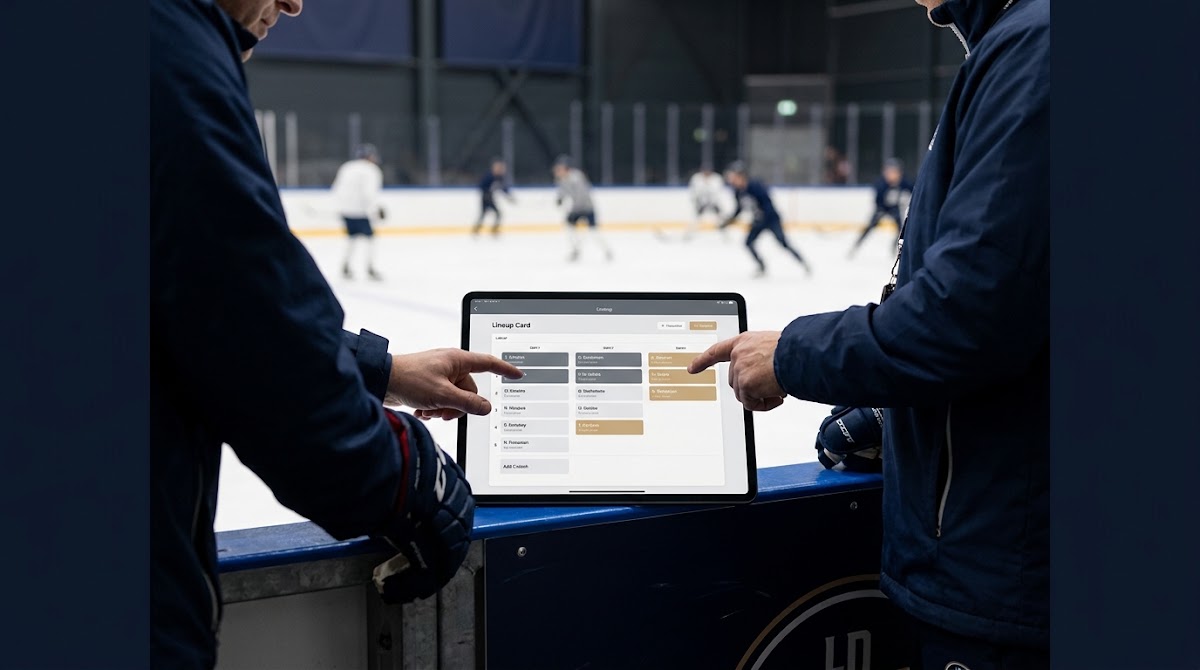
What it means when an injury changes a team's lines
Definition: lineup, line combinations, and roles
When a player is injured, the immediate effect goes beyond a missing name on the scoresheet; it alters the lineup, the composition of line combinations, and assigned roles for minutes and special teams. The NHL collective bargaining framework explains how Injured Reserve and Long Term Injured Reserve create the roster mechanics teams use when they plan replacements and roster moves, which is the structural backdrop for most midseason shifts NHL/NHLPA CBA resources.
Confirm the roster move and any recall, prioritize updating confirmed line and special-teams assignments, adjust minutes by priority using TOI dashboards, and treat early analytics as provisional until line samples stabilize.
Why line changes matter beyond goals and assists, How Injuries Affect Hockey Line Combinations
Line changes usually change the 5-on-5 structure and special teams deployment, so a player who was producing in box scores can be less valuable if his minutes or power-play role disappear. Public line and TOI trackers show changes in usage and shot profiles after injuries, so box-score form is only part of the forecasting picture MoneyPuck line tool.
How the CBA and roster rules drive immediate lineup changes
IR vs LTIR: cap and roster consequences
Placing a player on Injured Reserve frees a roster spot, while Long Term Injured Reserve can provide temporary cap relief that lets teams recall replacements or rearrange contracts, a process described in the CBA and public LTIR explainers Sportsnet LTIR explainer.
Recall rules and emergency recall basics
Emergency recalls exist to let clubs fill gaps quickly, but eligibility rules limit which AHL players can be summoned, and those limits shape the likely quality of the replacement and the minutes that player can expect to receive NHL/NHLPA CBA resources. Transaction primer.
How coaches reconstruct lines after an injury
Priorities: role fit, puck support, and exit/entry balance
Coaches rebuild lines by prioritizing role fit, puck support, and balanced exit and entry skills over simply inserting the next-highest scorer; this helps maintain clean breakouts and stable possession even with personnel turnover How to Build Effective Line Combinations.
Practice line-change forecasting with FundedPlays Challenges
Subscribe for concise line-change alerts and a practical checklist that helps you update projections quickly after confirmed injuries.
Handedness and chemistry considerations
Handedness and pre-existing chemistry often determine which players move into specific slots, especially on the power play where wing handedness can affect cross ice passing and shot angles, factors coaches weigh when they reassign roles Why Handedness Matters on the Power Play.
Why special teams absences create the biggest visible shifts
Which PP or PK roles are hardest to replace
When a player who handles a PP1 half-wall role or a primary PK center is injured, the most visible change is a reallocation of minutes and duty across both units, a shift that shows up in TOI and special-teams deployment tracking Line Combinations and TOI Tracking.
Minute reallocation when a PP1 or PK regular is out
A replacement on the power play or penalty kill often causes other players to move into different 5-on-5 roles as coaches protect structure and chemistry, so monitoring confirmed PP and PK assignments gives earlier insight than small-sample box-score outputs MoneyPuck line tool.
What analytics show about newly formed lines and pairs
Expected goals and shot-quality shifts after an injury
Public analytics show that newly formed trios and defensive pairs typically display different expected-goal profiles and shot-share characteristics until usage and chemistry stabilize across multiple games, a pattern visible in line-level metrics MoneyPuck line tool.

How long it takes line metrics to settle
TOI and special-teams deployment respond immediately, but xG and shot-quality profiles usually need several games to show consistent tendencies, so early-game signals should be treated as noisy until samples grow Natural Stat Trick line combinations.
Who can step in: emergency recalls and replacement quality
How emergency recall rules narrow the replacement pool
Emergency recall provisions restrict who can be pulled from the AHL in short notice situations, narrowing the replacement pool and influencing the expected minutes and role fit for the incoming player NHL/NHLPA CBA resources. Emergency recall explainer.
What to expect from typical recall candidates
Typical emergency recall candidates often come with limited NHL experience or specialized roles, so coaches may use them conservatively while preserving matchup balance and special-teams structure; that pattern affects how many minutes a recall actually receives Sportsnet LTIR explainer. Understanding emergency recall rules.
How long before new combinations stabilize and why it matters
Typical stabilization windows in public tools
Line trackers and expected-goal dashboards typically show a settling of shot-profile and xG metrics after a handful of games, but the exact window depends on usage, opponent quality, and repeat matchups, making early adjustments provisional MoneyPuck line tool.
Factors that speed or slow chemistry formation
Prior familiarity among players, veteran presence, and stable special-teams roles accelerate stabilization, while frequent roster churn and travel delays can slow chemistry formation and prolong noisy samples Natural Stat Trick line combinations.
Quick monitoring checklist for post-injury line tracking
Update timestamps for model inputs
How to update forecasts and fantasy lineups after an injury
Priority changes to minutes and special teams
Immediately prioritize confirmed line assignments and explicit PP and PK notices over recent box-score output when adjusting short-term forecasts, because coaches reshuffle roles to preserve structure rather than reward recent scoring alone How to Build Effective Line Combinations. (how we evaluate line changes)
Quick model adjustments for matchups and minutes
Adjust minutes in this order: special teams first, then primary forward minutes, then depth minutes, and use TOI dashboards as the primary evidence source for those adjustments MoneyPuck line tool.
A step-by-step framework for adjusting models and decisions
Immediate actions in the first 24 hours
Rebalancing weights as the sample grows
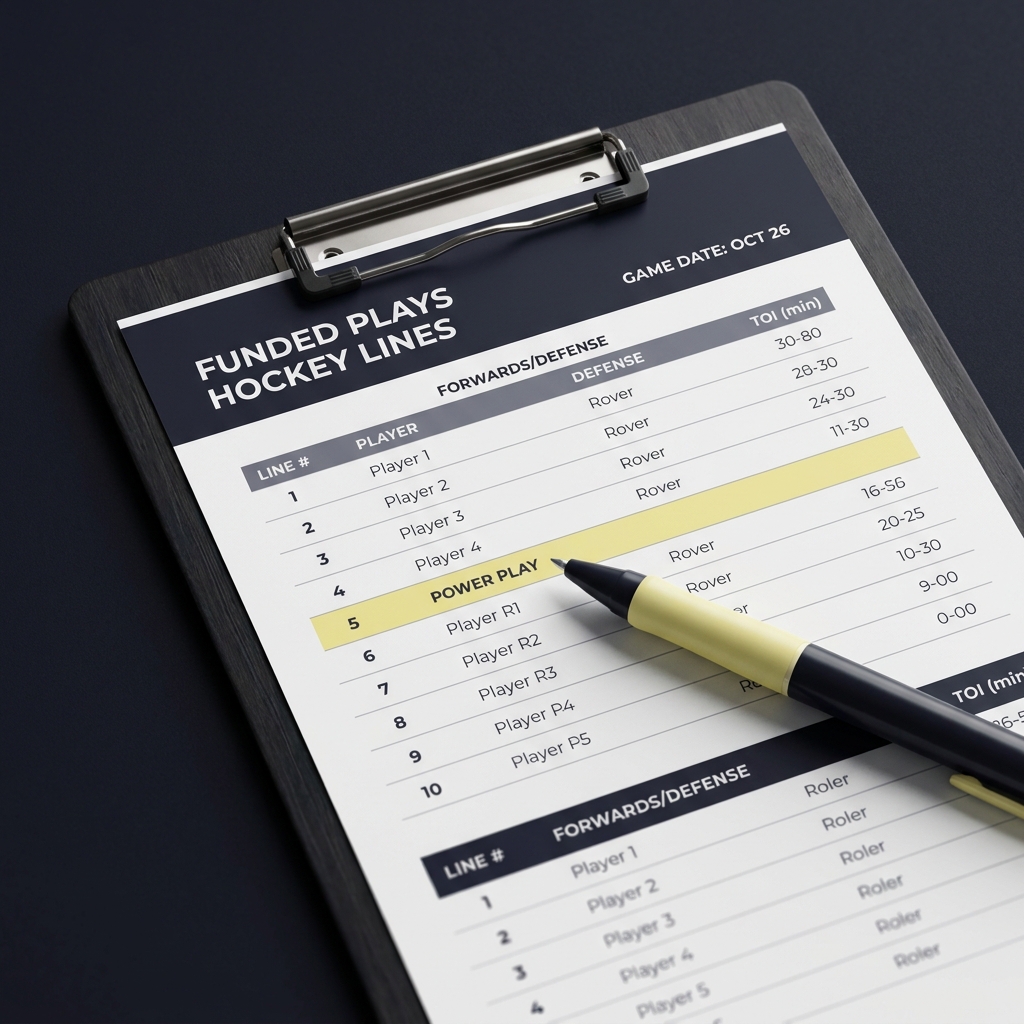
Step 2 and Step 3 are to update the line card and special-teams assignments, reassign minutes by priority, and progressively restore weight to recent box scores only as line sample sizes increase in TOI logs and line tools MoneyPuck line tool.
Common mistakes analysts and fantasy managers make after injuries
Overreacting to single-game performances
One common mistake is overreacting to a single-game performance before minutes and special-teams context are verified, which can lead to poor short-term decisions when usage shifts are the real driver of future output Line Combinations and TOI Tracking.
Ignoring special-teams reassignments
Three practical scenarios: forward out, defenseman out, PP specialist out
Scenario A: top-six winger misses time
If a top-six winger misses time, expect a promotion that considers role fit and handedness, plus a likely shift in power-play assignments rather than a simple swap for the highest scorer. Coaches often rework wings to preserve entry and half-wall balance How to Build Effective Line Combinations.
Scenario B: top-pair defenseman injured
A top-pair defenseman injury typically produces pair reshuffles where a partner moves up and other defenders shift to maintain exit competence, with an immediate effect on matchups and zone exits that shows in TOI and possession metrics MoneyPuck line tool.
Scenario C: PP1 half-wall shooter unavailable
When a PP1 half-wall shooter is unavailable, PP deployment and minutes shift visibly as coaches reassign puck-moving duties and shot creation responsibilities, and downstream changes to PP2 and 5-on-5 usage often follow Natural Stat Trick line combinations.
Example walkthrough: using public line tools to spot post-injury shifts
Where to check TOI and line cards quickly
Start with line and TOI widgets on public dashboards to see immediate minutes reallocations; line cards show which trios and pairs are being used while TOI timelines reveal who picked up special-teams duty in the same game MoneyPuck line tool. (see our blog)
Interpreting line-tool signals for predictions
Read expected-goals and shot-share shifts alongside TOI changes, then map those usage changes into minute-adjusted projections rather than relying on recent goal totals; confirm transactions and coach comments before increasing model exposure Natural Stat Trick line combinations.
Monitoring plan and recommended dashboards
Essential widgets to monitor after an injury
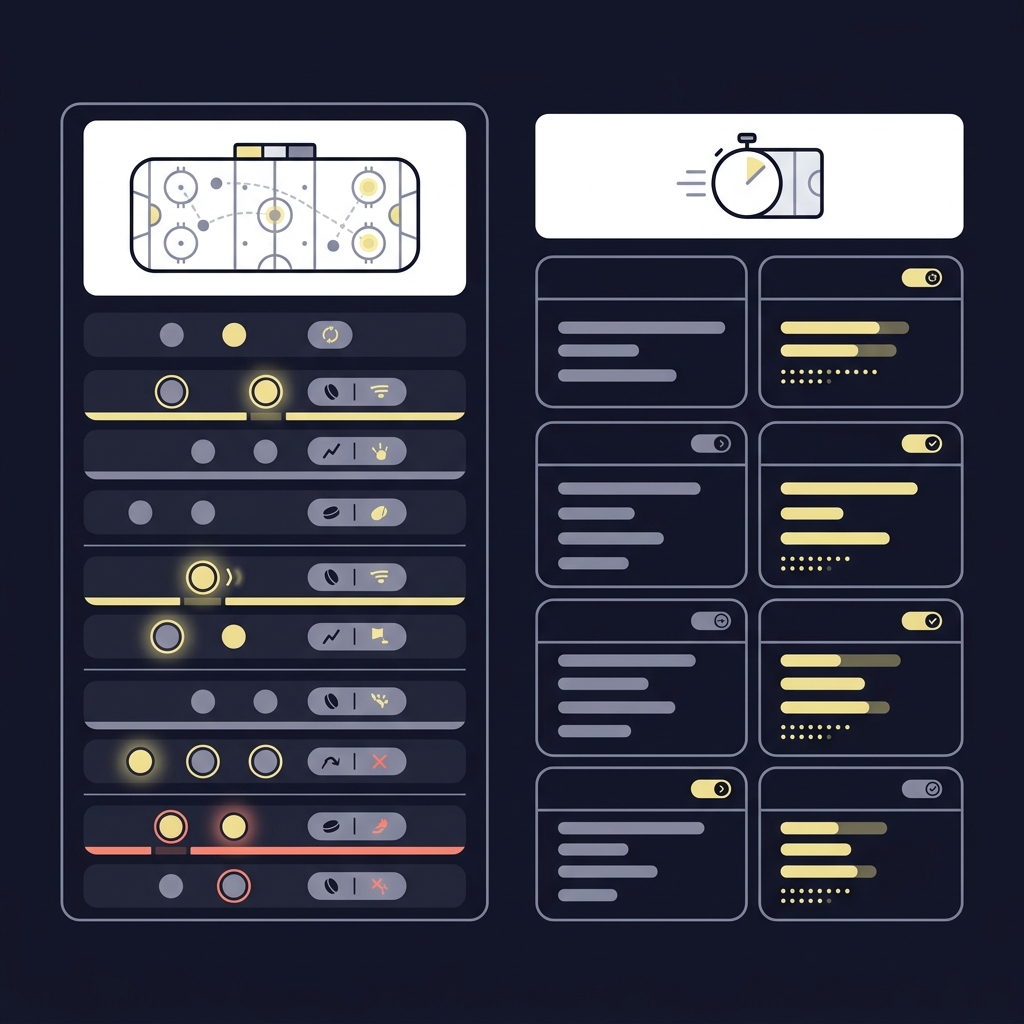
Key dashboard elements are confirmed line cards, TOI by player and line, PP and PK assignments, and expected-goals by line; these widgets together provide the quickest signal for updating minutes and deployment-based forecasts MoneyPuck line tool.
How to log and timestamp changes for model inputs
Timestamp transactions, log initial usage changes, and queue re-evaluations after 2 to 4 games; keeping a short record of when a line card first showed a new trio helps with sample-weighting decisions later NHL/NHLPA CBA resources.
Conclusion and quick checklist: what to do the next time an injury occurs
Quick 6-step checklist
1 Confirm the injury and any IR or LTIR designation using official transaction sources (see Funded Plays guidance). 2 Check emergency recall notices and eligibility. 3 Update the line card and record PP and PK assignments. 4 Reassign minutes by priority, starting with special teams. 5 Reduce reliance on recent box scores for replaced players. 6 Reassess after 2 to 4 games as line samples grow MoneyPuck line tool.
Final cautions and reading suggestions
Remember that the CBA provides the framework but team-level execution varies, so treat early-game metrics as provisional and rely on confirmed assignments before making major model or roster changes Sportsnet LTIR explainer.

Teams typically use IR to open a roster spot quickly and LTIR for cap relief; emergency recall rules determine who can be brought up from the AHL within hours to days.
No, wait for confirmed line assignments and at least a couple of games of stable TOI before heavily reweighting models.
Not always; emergency recalls may be used conservatively while coaches preserve role balance, so expect varied minutes depending on the player and matchup.
References
- https://www.nhlpa.com/the-pa/cba
- https://moneypuck.com/lines.htm
- https://www.sportsnet.ca/nhl/article/nhl-explained-long-term-injured-reserve-ltir-how-it-works/
- https://thecoachessite.com/how-to-build-effective-line-combinations/
- https://thecoachessite.com/why-handedness-matters-on-the-power-play/
- https://www.naturalstattrick.com/line_combos.php
- https://www.fundedplays.com/challenges
- https://www.nhl.com/hurricanes/team/transaction-primer
- https://www.thehockeynews.com/nhl/new-york-islanders/game-day/new-york-islanders-adam-pelech-sebastian-aho-emergency-recall
- https://www.dkpittsburghsports.com/2020/10/05/nhl-standard-emergency-recall-rules-differences-tlh
- https://www.fundedplays.com
- https://www.fundedplays.com/blogs
- https://www.fundedplays.com/blogs/how-fundedplays-evaluations-work