
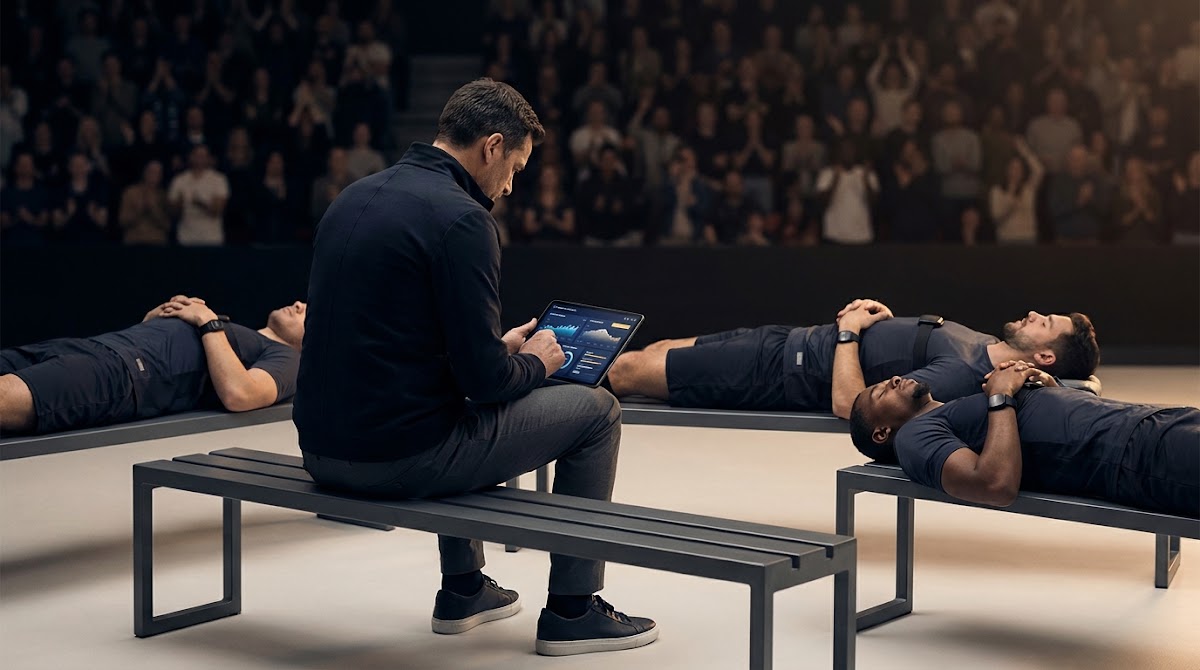
How Fatigue Influences Tournament Results: what we mean and why it matters
In tournaments, fatigue is more than simple tiredness. Physical fatigue refers to reduced neuromuscular capacity and diminished high-intensity output, mental fatigue describes reduced cognitive resources for fast, accurate decisions, and cumulative fatigue is the summed effect of repeated matches, travel and shortened recovery windows over several days. The phrase How Fatigue Influences Tournament Results captures this blend of physical, cognitive and sleep-related factors that together shape late-match and multi-day performance.
What research summarizes about mental fatigue is clear: experimentally induced mental fatigue produces measurable drops in decision-making accuracy and reaction speed, especially when players must decide quickly during match moments, which directly affects outcomes in time-pressured situations mental fatigue systematic review.
Sleep and short-term sleep restriction add another predictable dimension. Short-term sleep reduction degrades cognitive speed and the quality of high-intensity efforts, while planned sleep extension helps stabilize outputs across consecutive matches sleep and performance synthesis.

Tournament settings amplify these effects because many event formats compress fixtures, force travel and leave limited between-match recovery. Elite workload monitoring highlights fixture congestion and compressed recovery as common drivers of elevated fatigue risk across a season, and those same mechanics play out within tournament blocks when matches come in quick succession PWM report 2024/25.
The practical implications are straightforward: when fatigue accumulates players tend to make poorer decisions, react slower to developing situations and show variable technical execution late in matches. Those shifts increase the chance of match-turning errors and can change tournament trajectories when they affect key players or crucial rounds.

How Fatigue Builds Across Tournament Formats
Tournament structure shapes how quickly fatigue accumulates. In single-elimination events, teams may face high-stakes matches spaced closely together, meaning a single poor recovery cycle can eliminate a team. Round-robin formats spread matches across more days but still create load when fixtures cluster, and hybrid knockout-plus formats often combine group phases with quick knockout transitions that compress recovery windows.
Fixture spacing is the core mechanism. Two matches in three days, for example, give much less time for neuromuscular repair, glycogen restoration and mental recovery than a match every five to seven days. Elite workload monitoring shows that compressed match calendars consistently raise cumulative load and reduce per-match recovery opportunities, which increases the risk of late-match declines and season-long variability in performance when repeated PWM report 2024/25.
Consecutive matches with short recovery windows increase both physical strain and mental resource depletion. Injury and availability surveillance in elite clubs has linked dense scheduling and limited recovery with higher time-loss risk and constrained player availability across match cycles, which also reduces a coachs flexibility to rotate and rest players when needed UEFA elite club injury study.
Travel is an additive factor. Long transfers, overnight travel and time-zone changes introduce travel fatigue and circadian disruption that magnify match-to-match fatigue. When scheduling forces frequent travel inside a tight tournament block, the combined load from match play and travel often exceeds simple recovery windows and requires explicit countermeasures.
How Fatigue Influences Tournament Results: evidence linking fatigue to late-match declines
Controlled research shows a consistent pattern: mental fatigue reduces decision-making accuracy and slows reaction time, effects that are most obvious under time pressure. Systematic reviews of experimental studies find small-to-moderate impairments in sport-relevant decisions and reaction speed when mental fatigue is induced, which maps to in-game moments where split-second choices matter mental fatigue systematic review.
At the team level, elite workload monitoring and injury surveillance provide real-world corroboration. Season-long monitoring in elite football highlights fixture congestion and tight recovery as contributors to variable match performance across campaigns, and surveillance from European clubs ties dense scheduling to increased time-loss injuries and constrained availability that can alter late-match dynamics and selection options PWM report 2024/25.
These two evidence streams complement each other: lab-based and controlled studies isolate cognitive effects under time pressure, while longitudinal team data show how fixture design and recovery patterns create conditions where those cognitive and physical decrements appear in real matches. Limitations remain, including varying effect sizes by sport format and individual differences in susceptibility, so translating group-level findings to single-game decisions requires care UEFA elite club injury study.
One-week trend chart to visualize decision-risk
Plot trends to trigger recovery actions
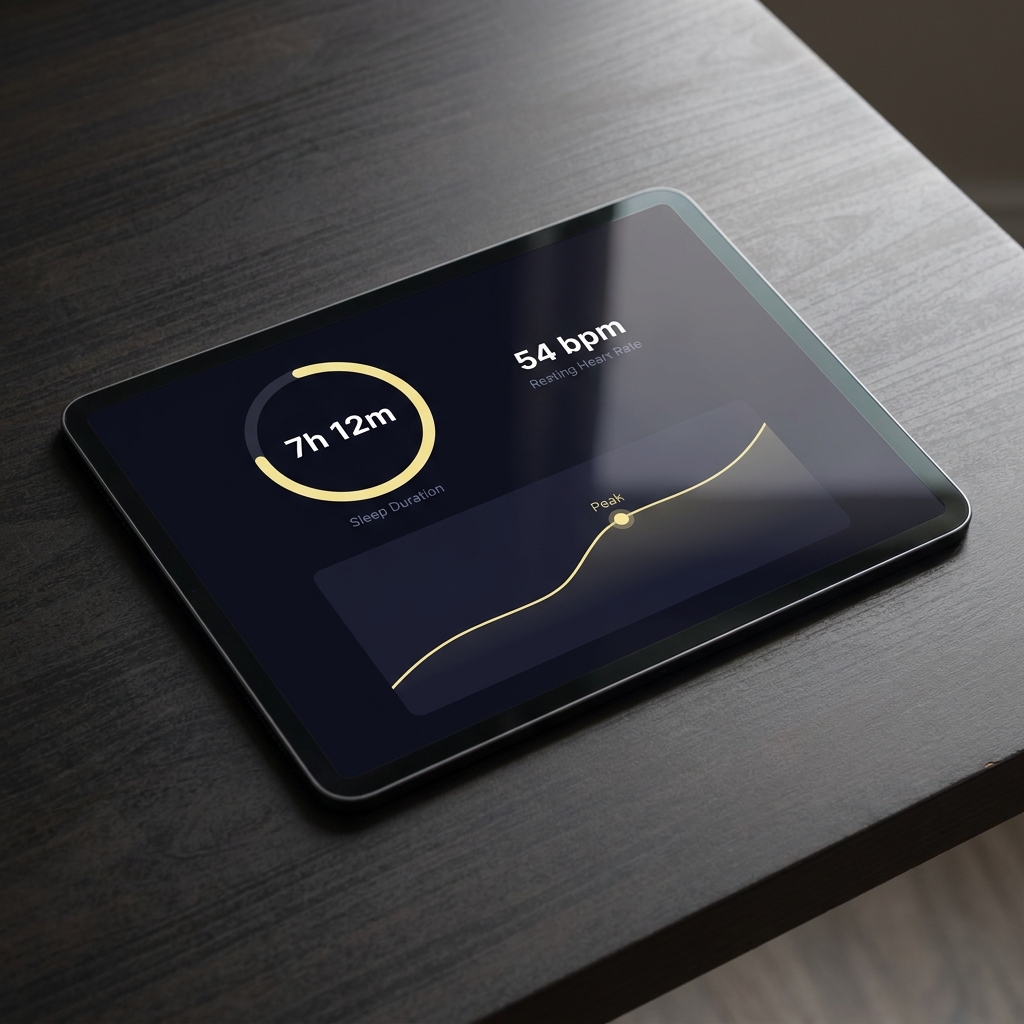
Use a simple one-week trend chart to combine a players sleep duration, subjective wellness and key heart rate measures. Trending downward across these measures raises a decision-risk flag and makes rotation or targeted recovery more likely.
Types of fatigue that matter during tournaments
Neuromuscular fatigue describes reduced muscle contractile capacity, impaired sprint and jump performance, and lower maximal force output. This type of fatigue is most visible in repeated high-intensity efforts and affects technical execution when a player cannot reach previous speed or power levels. Sleep restriction overlaps with neuromuscular effects because poor sleep reduces ability to sustain high-intensity output across matches sleep and performance synthesis.
Mental or cognitive fatigue is a separate but interacting concept. It reflects depleted attentional resources, lower tolerance for prolonged decision-making and slower information processing. Experimental evidence demonstrates that mental fatigue impairs decision accuracy and reaction time in sport-like tasks, especially when choices must be made quickly under pressure mental fatigue systematic review.
Sleep-related and circadian factors are also central. Short-term sleep loss reliably degrades cognitive speed and the reliability of high-intensity actions, and circadian misalignment from travel harms both subjective readiness and objective performance markers. Addressing sleep and timing is therefore a core part of reducing both neuromuscular and mental fatigue across tournaments sleep and performance synthesis.
Measuring fatigue during tournaments: wearables and subjective tools
Practical monitoring blends objective wearable data with daily subjective scales. Recent reviews show that consumer wearables generally capture heart rate and sleep duration with acceptable validity for trend monitoring, while HRV and precise sleep staging have more variable accuracy across devices. That pattern supports using heart rate and sleep duration as baseline wearable inputs for competition monitoring wearables validity review.
Subjective wellness check-ins remain valuable because they track perceived readiness, mood, soreness and sleep quality in ways devices cannot. When trended over days these simple scales, including session RPE and a short wellness questionnaire, reliably highlight deviations that often precede objective drops.
Practical workflow for tournaments starts with a baseline week, then daily check-ins each match day and the day after. A minimal competition workflow can include sleep duration from a wearable, morning resting heart rate, a one-question wellness rating and session RPE after training or warm-up. Coaches should plot moving averages and look for directional changes rather than single-day extremes PWM report 2024/25.
Get the tournament daily check-in template
Use a short daily check-in template to capture sleep, a wellness score and a readiness flag during tournaments.
Decision thresholds should be trend-based. For example, two consecutive days of reduced sleep and rising resting heart rate combined with a drop in wellness suggest elevated risk and trigger targeted recovery steps or rotation. Pairing device trends with player conversations improves trust and accuracy of decisions wearables validity review.
Key risk factors that change the odds in tournaments
Fixture congestion and compressed recovery are the primary drivers of elevated fatigue and performance variability. When matches are tightly scheduled players have less time for physical repair, sleep consolidation and mental decompression, which multiplies risk across a tournament block PWM report 2024/25.
High travel burden and time-zone changes amplify these problems. Long transfers and circadian disruption reduce sleep quality and daytime readiness, and those effects stack on match load to increase late-match declines and selection constraints.
Injury history and limited squad depth modify risk. Teams with constrained rotation options or players returning from recent injuries have less flexibility to rest starters and are therefore more likely to experience performance drops or time-loss injuries during congested tournament phases UEFA elite club injury study.
How fatigue changes decision-making, reaction time and technical execution
Mental fatigue reduces decision accuracy by narrowing attention and slowing information processing. In moments that demand rapid tactical choices, mentally fatigued players make lower quality selections and take longer to respond, which can turn routine situations into match-defining errors mental fatigue systematic review.
Fatigue reduces decision quality, reaction speed and high-intensity output, which raises the likelihood of late-match errors; measured trends in sleep, heart rate and wellness can indicate elevated risk and inform rotation or recovery choices.
Sleep restriction compounds cognitive effects by degrading processing speed and reducing consistency in high-intensity efforts, producing both more frequent errors and less reliable physical responses late in matches sleep and performance synthesis.
These shifts appear as observable match phenomena: late-match tactical errors, slower recovery to pressing actions, delayed reactions at set pieces and uneven technical execution when skill timing matters. Coaches who watch for clusters of errors in the final 15 minutes can often trace those lapses back to accumulated fatigue patterns earlier in the event.
Pre-tournament preparation and tapering to limit fatigue
Structured tapering reduces training load in the days before competition to preserve freshness. Consensus guidance recommends progressive load reduction while maintaining intensity in short drills to preserve neuromuscular readiness without creating fatigue, a balance that helps players arrive in a resilient state ACSM recovery consensus.
Baseline sleep optimization and travel planning are essential pre-tournament steps. Intentional sleep extension in the nights before competition and planning travel to allow sleep opportunity on arrival both reduce initial cumulative risk once matches start sleep and performance synthesis.
Simple week-of competition checklist for teams: 1) reduce total training volume while keeping short high-intensity reps; 2) confirm travel plans that protect key sleep windows; 3) establish daily check-ins for sleep and wellness; 4) designate rotation options and alert players to expected recovery protocols ACSM recovery consensus.
Between-match recovery: practical tactics that show evidence
Brief naps, when timed correctly, help restore alertness and decision-making capacity between matches. Evidence supports short naps as a practical acute strategy to offset sleep debt and improve cognitive speed across a tournament block sleep and performance synthesis.

Caffeine timed to match windows can sharpen alertness for high-pressure moments, but timing must respect sleep goals for the following night and any competition or anti-doping rules. Use coach-led protocols to decide when caffeine is appropriate rather than ad-hoc intake during busy tournament days ACSM recovery consensus.
Hydration, cooling and heat management are practical components that support both physical performance and perceptual readiness during compressed schedules. Simple measures such as planned fluid strategies, cold towels and recovery cooling can reduce physiological strain and help maintain technical execution between matches.
Longer term load management and taper frameworks for multi-day events
Progressive load reduction models use staged decreases in training volume while keeping intensity to preserve sharpness. This approach reduces accumulated fatigue leading into tournaments while minimizing loss of match readiness, an idea supported in workload guidance from elite monitoring sources PWM report 2024/25.
Rotation and substitution policies are practical levers to manage cumulative minutes for key players. Using a rotation plan across group stages or early rounds preserves primary performers for later knockout matches and limits time-loss injury risk when fixture congestion is present UEFA elite club injury study.
Data-driven decision thresholds should focus on trends rather than absolute cutoffs. For example, gradual declines in wellness and rising resting heart rate over several days are more informative than a single high reading. Wearable trends plus subjective reports form the basis for these thresholds wearables validity review.
Common mistakes teams and players make with fatigue management
Over-reliance on a single metric undermines decisions. Devices vary in accuracy for HRV and sleep staging, so using one number as the sole basis for rotation can lead to inappropriate choices. Trended, multi-source data reduces this risk wearables validity review.
Ignoring travel and sleep disruption is another frequent error. Teams that under-plan for transfer timing or fail to protect sleep windows after flights see avoidable reductions in readiness, especially when matches follow travel closely PWM report 2024/25.
Last-minute recovery fixes, such as heavy stimulant use or attempting to compress multiple recovery modalities in a short window, can backfire. Evidence favors planned, coach-led recovery protocols that emphasize sleep, short naps, hydration and measured caffeine use when appropriate sleep and performance synthesis.
Practical example plans and scenarios (matchday and multi-day)
Single-match quick plan: On matchday prioritize sleep the night before, a light morning activation session to maintain readiness, carbohydrate-focused meals timed for digestion, and a 20 to 30 minute nap opportunity if the schedule allows. After the match, use cool-down mobility, targeted hydration, and a structured evening sleep routine to restore readiness for the next day sleep and performance synthesis.
Two matches in three days example schedule: Day 1 play match, evening recovery includes nutrition and a short nap; Day 2 morning light mobility and mental skills rehearsal, mid-day nap and limited tactical work; Day 3 match with rotation of one or two starters to manage minutes. This layout uses rotation and sleep prioritization to reduce cumulative load and preserve decision quality in the later match PWM report 2024/25.
Small-squad checklist: 1) Identify non-negotiable starters and players who can be rotated; 2) Prioritize sleep and naps for those with high minutes; 3) Use individual recovery packs and coach-led caffeine plans; 4) Monitor wellness daily and accept conservative substitution earlier to prevent late-match collapses ACSM recovery consensus.
Decision criteria: how coaches should weigh fatigue versus short-term performance
A simple three-factor decision framework helps structure selection choices. Consider recent objective trends (wearable sleep and heart rate plus wellness), the importance of the upcoming match in the tournament context, and the individual players resilience or injury history. Combining these three perspectives makes rotation decisions transparent and defensible wearables validity review.
When to rest a starter: if trend data show two or more negative indicators and the match importance is moderate, resting or reducing minutes is often sensible. For decisive knockout rounds, the threshold for rest rises, but the decision should remain transparent and documented with the same data inputs.
When to prioritise match importance over freshness: in single-elimination contexts where the consequence of losing is immediate elimination, teams may accept short-term fatigue risks to field the strongest possible lineup, but they should do so with planned recovery interventions and clear communication to players and staff UEFA elite club injury study.
Fatigue effects can appear within a single match, especially late in play, and accumulate across days when matches, travel and poor sleep reduce recovery opportunities.
No, wearables are useful for trends in heart rate and sleep duration but should be combined with subjective wellness and context for decision-making.
Yes, brief naps can restore alertness and decision speed, but they should be timed to avoid interfering with nighttime sleep and aligned with coach protocols.
References
- https://link.springer.com/article/10.1007/s40279-024-01912-3
- https://bmjopensem.bmj.com/content/10/1/e001234
- https://www.fundedplays.com/challenges
- https://www.fifpro.org/en/supporting-players/player-workload/player-workload-monitoring-report-2024-25.pdf
- https://www.uefa.com/insideuefa/protecting-the-game/football-medicine-research/elite-club-injury-study/
- https://www.frontiersin.org/articles/10.3389/fphys.2024.1234567/full
- https://journals.lww.com/acsm-msse/Fulltext/2023/10000/Consensus_Statement_Recovery_for_the_Athlete.00000.aspx
- https://www.sciencedirect.com/science/article/pii/S0010482525008121
- https://pubmed.ncbi.nlm.nih.gov/40580618/
- https://www.frontiersin.org/journals/sports-and-active-living/articles/10.3389/fspor.2026.1784265/full
- https://www.fundedplays.com/blogs/how-fundedplays-evaluations-work
- https://www.fundedplays.com/blogs
- https://www.fundedplays.com