
How does a parlay work: parlay basics and settlement rules
A parlay is a single bet that links two or more individual wagers, called legs, into one combined stake. All legs must win for the parlay to pay out; if any leg loses, the entire bet typically loses under standard U.S. house rules, a point most operators make clear in their published settlement policies DraftKings sportsbook rules and William Hill house rules.
Bookmakers list each leg with its market and the odds at placement. Those odds are the basis for the parlay calculation, and the product of the decimal odds for each leg determines the theoretical payout if every selection wins Sports Betting Glossary from the American Gaming Association.
Settlement terminology is straightforward but worth defining: a win pays as listed, a loss causes the parlay to fail under usual rules, a push means a leg is treated as a tie and removed from the multiplier, and a void means the leg is cancelled and removed so the parlay is recalculated with the remaining legs FanDuel house rules.
Quick two-leg parlay payout reminder
Use decimals for odds
Definition of a parlay and common names
Common names for the same product include accumulator, multi, or parlay depending on the market, but the underlying idea is the same: linked outcomes, multiplied odds, and an all-or-nothing payout unless operators apply pushes or voids Sports Betting Glossary from the American Gaming Association.
How sportsbooks list legs and odds
When you build a parlay the platform shows each leg with its selected market and the odds that apply at the moment of placement. Those displayed odds are the ones used for payout math unless the operator later invokes an obvious error or correction under their rules Caesars house rules.

Basic settlement terminology: push, void, loss, win
In settlement language a push generally means the selection settled as a tie and is removed from the parlay calculation while a void or cancelled selection is treated similarly but may be listed differently by operators; both outcomes reduce the number of active legs and change the payout math BetMGM sports wagering rules.
What happens if one team loses in a parlay: the standard result
In regulated U.S. sportsbooks a single losing leg normally causes the entire parlay to lose; this is the standard settlement outcome many U.S. operators publish in their house rules DraftKings sportsbook rules.
The logic is simple: a parlay requires every linked selection to be correct. If just one selection is wrong, the combination no longer meets the all-win requirement and the stake is forfeited under the common structure of these bets FanDuel house rules.
When a parlay is reduced to a single leg because other legs were pushed or voided, some operators treat that one-leg result as a push and return the stake, while others may pay or refund according to their specific one-leg parlay rules. Always check the operator’s published guidance for one-leg handling before relying on any outcome Caesars house rules.
Pushes, voids, and cancelled events: how operators recalculate a parlay
Difference between a push and a void
A push occurs when a selection finishes exactly at the outcome that is defined as a tie for that market; in parlays the pushed leg is typically treated as 1.00 in the multiplier, effectively removing it from the product without turning the whole bet into a loss FanDuel house rules.
How cancelled or postponed events are usually handled
Cancelled or postponed events are commonly settled as voids rather than losses in U.S. operator practice, which keeps the remaining legs active and leads to recalculation of the payout based on the reduced number of legs BetMGM sports wagering rules.
Review FundedPlays Challenges and their rules
Check your operator’s detailed push and void terms before placing big or complex parlays, since those rules determine whether a cancelled or tied selection removes a leg or leads to a refund.
Recalculation removes pushed or voided legs from the decimal multiplication. That means the parlay is repriced using the decimal odds of the still-active legs, which reduces the total payout compared with the original multi-leg product but keeps the bet alive for remaining outcomes Sports Betting Glossary from the American Gaming Association.
How parlay payouts are calculated: step-by-step example
Parlay payout math uses decimal odds. Multiply each leg’s decimal price together to get a combined multiplier, then multiply that product by the stake to find the total payout. This is the standard method referenced in industry materials Sports Betting Glossary from the American Gaming Association.
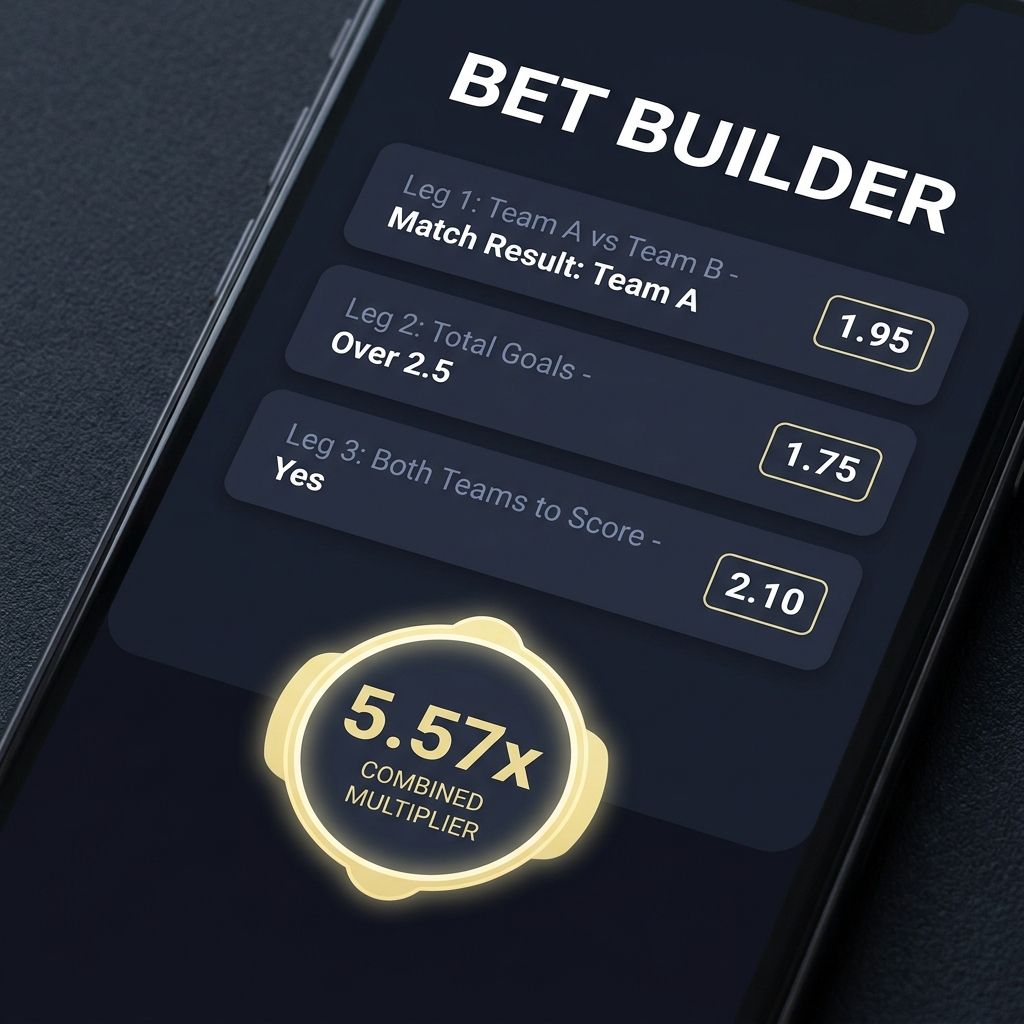
Example 1, three-leg parlay that wins: Leg A 1.80, Leg B 2.10, Leg C 1.60 with a $10 stake. Multiply 1.80 times 2.10 times 1.60 to get the combined multiplier, then multiply by the stake to get the payout. The same multiplication rule applies for larger parlays unless a leg is pushed or voided DraftKings sportsbook rules.
Example 2, three-leg parlay with one push: suppose Leg B above becomes a push and is treated as 1.00 for settlement. You multiply 1.80 times 1.00 times 1.60, then multiply by the stake. The removed leg lowers the payout, but the remaining legs still produce a valid return if they win FanDuel house rules.
Note on odds finality: these examples assume the odds at placement are the ones used to calculate payout. Operators generally lock the odds at placement, but they may reserve rights to correct palpable or obvious errors under their house rules, which can alter final settlements in exceptional cases Caesars house rules and Caesars NY house rules.
Odds locking, obvious errors, and when sportsbooks can correct or void bets
Odds are normally locked at the moment you place a parlay, meaning the multiplier is based on the prices shown at checkout. That gives players certainty about the calculation used for their bet Caesars house rules.
Operators also reserve the right to void or correct a market when a palpable or obvious error occurred. These obvious error policies are part of house rules and can change settlement if the operator determines the posted price was wrong New Jersey Division of Gaming Enforcement guidance.
In most U.S. sportsbooks a single losing leg causes the entire parlay to lose; pushes or voids remove legs and trigger a recalculated payout for the remaining selections, and Cash Out is discretionary.
If an operator corrects a market price due to an obvious error, that correction can affect whether parlays win, how much they pay, or whether they are voided entirely. Always review the operator’s obvious error policy if you think a posted price was incorrect Caesars house rules.
Cash Out and partial settlements: what to expect and limitations
Cash Out is an optional feature that lets a bettor settle a position before all legs resolve, but it is discretionary and can be limited or suspended by the operator at any time, particularly after material event changes DraftKings sportsbook rules.
Because Cash Out can be disabled or paused after significant news, delays, or when odds appear incorrect, it should not be treated as a guaranteed risk control. Platforms vary in how and when they make partial cashouts available FanDuel house rules.
When Cash Out is available it is calculated by the operator and will typically reflect the current implied probability of the remaining legs. If cash out is important to your plan, check the operator’s terms and the specific Cash Out rules before placing the parlay BetMGM sports wagering rules.
Decision checklist: what to check before placing a parlay
Before you place a parlay confirm the operator’s parlay settlement policy, including whether a single losing leg voids the entire bet and how one-leg parlays are handled DraftKings sportsbook rules (see our blog).
Verify event status, scheduled start times, and the operator’s cancellation and postponement rules so you know whether a delayed or cancelled match would be voided or treated as a push FanDuel house rules.

Check obvious error and price correction clauses, and, for larger slips, save or screenshot the bet confirmation and any applicable terms so you have a record of the odds at placement Caesars house rules.
Common mistakes people make with parlays
One frequent mistake is assuming every operator treats pushes, voids, and one-leg parlays the same. Operator rules can differ in wording and effect, so what happens on one platform may not happen on another BetMGM sports wagering rules.
Another common error is relying on Cash Out as a fallback without confirming it is available for that product. Cash Out is a convenience some operators offer, but it is not a guaranteed form of risk mitigation DraftKings sportsbook rules.
Finally, many bettors use large parlays to chase recent losses, increasing variance and the likelihood of losing the entire stake if a single leg fails. A clear bankroll plan and conservative sizing reduce that risk Sports Betting Glossary from the American Gaming Association.
Advanced scenarios: ties, overturned results, and league-specific rules
Tie outcomes and how they settle depend on the market. In many cases a tie is a push for spread markets while some moneyline markets can have different settlement terms, so event notes and market definitions matter for edge cases Caesars house rules.
League or officiating changes, such as a result later overturned or a game completed under unusual circumstances, can prompt operators to apply sport-specific settlement rules. These special cases are handled according to operator policies and any relevant event notes BetMGM sports wagering rules.
If you wager on niche markets or competitions, check event notes because settlement conventions can differ from mainstream leagues and create outcomes that look unusual compared with standard rules New Jersey Division of Gaming Enforcement guidance.
State and regulatory differences: why house rules matter
Regulators require operators to publish clear house rules and settlement standards, but those rules can still allow operator-level differences in handling pushes, voids, and obvious errors. Readers should use regulator documents as a baseline and the operator’s published policy for specifics New Jersey Division of Gaming Enforcement guidance and Massachusetts House Rules PDF.
Regulatory PDFs and guidance often remain foundational even if they predate recent changes, so combine regulator materials with the operator’s latest house rules to understand current practice DraftKings sportsbook rules.
Practical examples: three common parlay outcomes and walkthroughs
Example A - Winning parlay. Three legs with decimal odds 1.90, 2.00, and 1.80 and a stake of $10. Multiply the three odds and then multiply by the stake to get the payout. This is the straightforward full-win outcome described in industry materials Sports Betting Glossary from the American Gaming Association.
Example B - Parlay with a push. Using the same three legs, if the middle leg becomes a push it is treated as 1.00 and removed from the product. You multiply 1.90 times 1.00 times 1.80 and then multiply by the stake to find the reduced payout FanDuel house rules.
Example C - One leg loses. If any of the three legs loses the standard operator response is that the entire parlay loses. That means the stake is lost and no payout occurs under typical U.S. house rules DraftKings sportsbook rules.
Alternatives and risk management: options instead of large parlays
If you want lower variance consider single bets that isolate your conviction in one market. Single bets avoid the compounded probability effect present in parlays and make settlement outcomes easier to predict Sports Betting Glossary from the American Gaming Association.
Smaller parlays, round-robin structures, or correlated parlay protections can also reduce variance relative to a single large multi-leg parlay. Always confirm that any alternative product you use follows the same house rules you reviewed for standard parlays FanDuel house rules (see how funded plays evaluations work).
Bet sizing matters: keep stakes proportional to your tracked bankroll and resist using parlays to chase losses. Over time disciplined sizing and consistent record keeping will show whether your parlay approach is sustainable Sports Betting Glossary from the American Gaming Association.
Conclusion: quick takeaways and where to check your operator’s rules
Core takeaway: a parlay normally loses if any single selection loses, while pushes or voids reduce the parlay and lead to recalculated payouts rather than automatic wins DraftKings sportsbook rules.
Before placing parlays confirm push and void treatment, one-leg parlay handling, Cash Out terms, and obvious error policies with your operator. These house rules determine real outcomes and settle disputes if unusual events occur New Jersey Division of Gaming Enforcement guidance. Visit Funded Plays for brand resources.
Under common U.S. sportsbook house rules, a single losing leg typically causes the entire parlay to lose, though pushes or voids can change the calculation for remaining legs.
A push is usually treated as a tie and removed from the parlay multiplier, while a void is a cancellation of the leg; both outcomes lead to recalculation of the payout based on remaining legs.
No, Cash Out is discretionary and may be limited or suspended by the operator, so it should not be assumed as guaranteed protection.
References
- https://help.draftkings.com/hc/en-us/articles/360001225733-Sportsbook-Rules
- https://williamhill.us/us/nv/support/house-rules/
- https://www.americangaming.org/resource/sports-betting-glossary/
- https://help.fanduel.com/hc/en-us/articles/36003506514-Sportsbook-House-Rules
- https://support.caesars.com/hc/en-us/articles/4406230287373-House-Rules
- https://help.betmgm.com/hc/en-us/articles/360056047513-Sports-Wagering-Rules
- https://www.fundedplays.com/challenges
- https://support.caesars.com/hc/en-us/articles/4406230287373-House-Rules
- https://caesars.com/sportsbook-and-casino/ny/support/house-rules/
- https://www.nj.gov/oag/ge/docs/Rules/CHAPTER-69N.pdf
- https://www.fundedplays.com/blogs
- https://www.fundedplays.com
- https://www.fundedplays.com/blogs/how-fundedplays-evaluations-work
- https://massgaming.com/wp-content/uploads/Caesars-House-Rules-3.6.24.pdf