
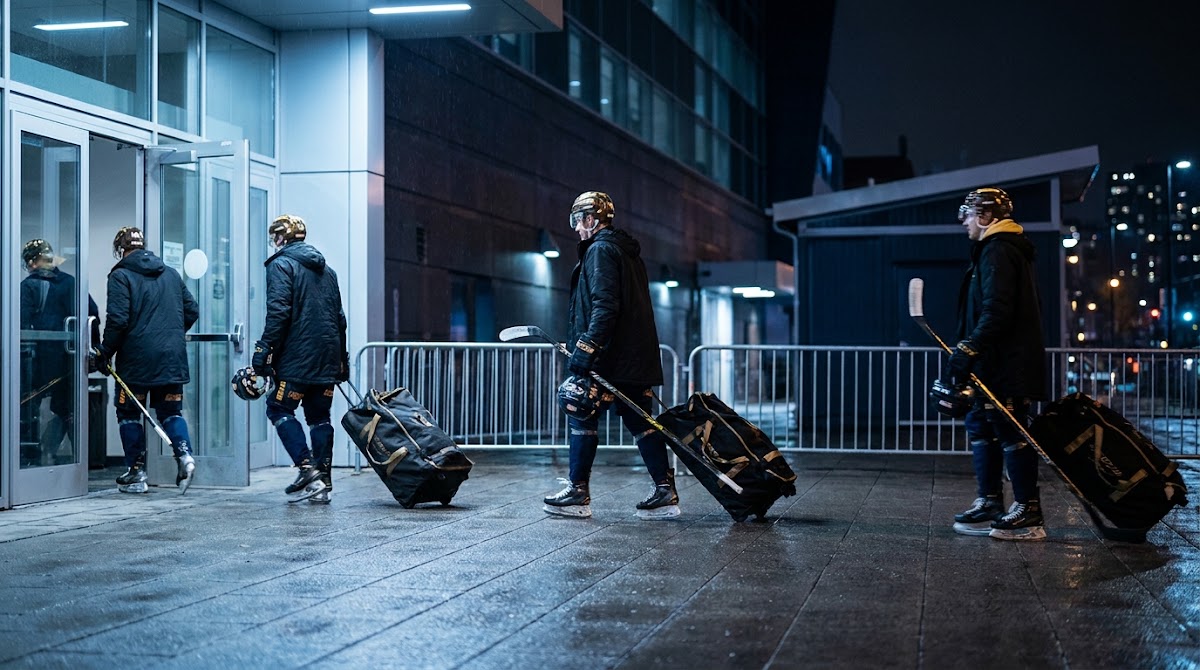
What we mean by How Back-to-Back Games Affect NHL Teams
When we talk about How Back-to-Back Games Affect NHL Teams we mean the set of scheduling situations in which a club plays on consecutive nights or in rapid succession with limited recovery time. Plainly put, a true back-to-back is when the same team has two games on consecutive dates, while near-back-to-back situations include late start times, long travel or clusters of games that leave little restorative time between appearances.
This piece will treat the topic from several angles: the basic physiology of short recovery windows, travel and schedule density, coaching and roster tactics, situational play such as special teams, observable performance trends, decision frameworks for resting players, common analysis mistakes, player-level vulnerability, scenario planning, measurement ideas, and season-level load management. Each section aims to be practical and descriptive rather than prescriptive.
Simple log to record back-to-back variables for each game pair
Use one row per pair to compare pre-post signals
Use the short tool above as a starter template to track repeated patterns across a season; see the Funded Plays blog for related examples. A concise, consistent record makes it easier to separate scheduling effects from ordinary variance when you analyze outcomes later.
Basic physiology and fatigue related to How Back-to-Back Games Affect NHL Teams
Physiological strain is at the heart of why coaches and analysts care about consecutive games. Short recovery windows reduce the time available for sleep, physical repair and neuromuscular reset, and these processes are central to restoring high-intensity capacity. In hockey, where play involves repeated bursts, quick accelerations and sharp direction changes, incomplete recovery can translate into slower reaction times and less explosive shifts.
Sleep disruption is a common pathway to degraded readiness. Late arrivals, irregular hotel routines and the simple compression of sleep opportunities can make it harder for athletes to complete deep sleep phases that support cognitive and physical restoration. Jet lag: How athletes can combat fatigue after flying summarizes practical steps teams use to reduce sleep loss.
Individual differences matter: two players on the same team can respond very differently to the same schedule. Age, baseline conditioning, recent workload and minor lingering injuries all shape who declines first and who remains resilient across back-to-back stretches. That variability is why decisions about rest and minutes often combine objective flags with situational judgment.
How Back-to-Back Games Affect NHL Teams: travel, schedule density and time zones
Travel logistics amplify recovery challenges. Long rides, late flights and unpredictable ground transfers reduce the time players have to sleep and recover, and crossing time zones can disturb circadian rhythms in ways that make alertness and reaction speed harder to restore; see Managing Travel Fatigue and Jet Lag in Athletes for a review of travel-related effects.
Schedule clustering matters too. When back-to-backs occur inside longer road trips or amid a dense block of games, fatigue effects can accumulate from one pair to the next. Teams with uneven travel loads across a schedule may experience pockets of heightened vulnerability when several compressed segments align.
Subscribe for schedule analytics and practical recovery notes
If you want ongoing notes about schedule patterns and practical tips for minimizing travel disruptions, sign up for a short update list that summarizes scheduling analytics and recovery approaches.
Operational responses that teams use tend to be pragmatic. Charter flights, simplified meal and sleep routines, adjusted hotel choices and tighter control of nonessential activities can reclaim hours of useful recovery; see guidance on travel effects and mitigation here. Those measures are not a cure but they change the margin of recovery available between games.
Coaching and roster strategies when facing back-to-back games
Coaches have a limited toolkit when the calendar tightens. Common strategies include rotating bottom-six players more often, trimming top-line minutes, and dialing back practice intensity on off-days. The aim is to manage acute workload while keeping the team competitive that night.

Line rotation can be simple or nuanced. Some staffs will give extra shifts to depth forwards and allow top players shorter shifts with an eye to preserving high-value minutes for critical situations. That trade-off favors distributing fatigue versus concentrating play among the most trusted scorers.
Scratch and roster decisions are situational. A coach balancing a playoff push against player health may accept a higher short-term risk to secure points. Conversely, a team with long-term development goals might prioritize giving younger players reps during a back-to-back window to evaluate depth and rest veterans. Those choices depend strongly on standings, opponent strength and the roster's composition.
Special teams, situational play and how they shift in back-to-back stretches
Special teams often reflect the broader tactical shift that comes with fatigue. Coaches may shorten the pool of players used on the penalty kill or streamline power-play setups to reduce the chance of breakdowns that follow from mental lapses and fatigue-driven errors. Simpler structures are less creative but typically reduce turnover risk under strain.

Late-game systems are another area where risk tolerance tends to change. Teams dealing with fatigue may prefer defensive shells, frequent line changes, and conservative decision-making to limit extended puck possessions that demand continuous high-intensity effort. That can decrease scoring chances but also limit the exposure to decisive mistakes in transition.
Special teams efficiency can vary not because of a single factor but due to personnel rotation, attention lapses and simple workload effects. In tight scheduling stretches coaches often accept a lower ceiling on creativity in exchange for steadier, more predictable execution.
How Back-to-Back Games Affect NHL Teams: observable performance trends and variability
Analysts tend to look for certain short-term markers around back-to-back dates. Useful indicators include changes in goal rates, turnover frequency, faceoff performance and penalty minutes. Those box-score signals are quick checks that often reveal where fatigue shows up first in a contest.
Advanced metrics can add context. For example, tracking high-danger opportunities or shifts in expected-goals patterns across a compressed schedule helps distinguish random variation from persistent decline. Pairing those quantitative markers with narrative observations from beat reporters and coaches gives a fuller picture.
Importantly, team-level trends do not always mirror player-level realities. A stable goal rate for a team can conceal divergent patterns, where a heavy-usage veteran slows while younger depth players pick up more minutes. That difference is one reason aggregate statistics can mislead unless they are disaggregated by role and matchup.
Decision criteria for resting players during back-to-back stretches
Clear decision rules reduce ad hoc choices. Common criteria include recent minutes logged, injury history, matchup difficulty, and available depth for a given position. Combining objective flags with the team context yields defensible, repeatable decisions instead of gut calls.
Minutes and usage thresholds are easy to track: players who have logged unusually high ice time over a recent block are natural rest candidates. Medical history and current soreness reports are equally important, but they should be treated as risk flags rather than sole determinants.
Team goals change the calculus. A club chasing a playoff spot will accept different rest trade-offs than a rebuilding team focused on development. Documenting the rationale for each rest decision and monitoring outcomes helps organizations refine those rules over time.
Common mistakes teams and analysts make when evaluating back-to-back effects
A frequent analytical error is overattributing single-game outcomes to scheduling. One surprising loss on the second night of a back-to-back can become a narrative about systemic fatigue even when the game was an outlier for other reasons.
Another pitfall is selection bias. Observers sometimes focus on dramatic upset results during back-to-backs while ignoring the many routine games that fit expected patterns. That skews perception and leads to exaggerated conclusions about schedule effects.
Teams should combine objective workload flags, roster depth assessments and organizational goals to make repeatable rest decisions, document the rationale and then monitor outcomes to refine the approach.
Simple statistical hygiene helps. Use larger samples where possible, compare performance against reasonable control periods, and qualify statements that rest on small subsets of games. Combining quantitative checks with contextual reading of travel, injuries and lineup changes leads to more reliable conclusions.
Player-level factors: who is most affected in back-to-back games
Some player profiles tend to be more sensitive to compressed schedules. Heavy-usage veterans, older players and those with recent minor injuries are common candidates for decline when recovery windows are tight. The cumulative toll of repeated shifts and matchups contributes to that vulnerability.
By contrast, rotational players, younger skaters and those who generally log lower per-game minutes are often more resilient. Their lower baseline load leaves more physical reserve across two nights. That resilience is context dependent and can change as a season progresses.
Playing style matters as well. Power players who rely on burst speed for impact may show more variation when they are underrecovered, while players whose contributions are positionally disciplined may be steadier. Coaches weigh these characteristics when deciding who to rest or limit.
Case studies and practical scenarios: applying the decision framework
Scenario A, playoff push on the line: imagine a team on the cusp of postseason qualification facing consecutive road back-to-backs against competitive opponents. The decision framework begins with assessing travel severity, recent minutes for key contributors, and the margin for error in the standings. In that context a coach might shorten the top-line shifts but keep the core intact for critical minutes, while using depth players to cover lower-leverage situations.
Scenario B, rebuilding team testing depth: in a low-stakes segment, a club might treat back-to-back stretches as an opportunity to evaluate younger players and preserve veteran health. The practical approach would be to rotate more aggressively, accept short-term variance in outcomes, and record performance signs for development evaluation.
Each scenario highlights trade-offs. The same scheduling pressure invites different choices depending on organizational goals, roster composition and the perceived value of short-term points versus long-term availability. Writing down the decision logic and revisiting outcomes after the stretch makes future calls easier.
Measuring impact: practical metrics and KPIs to track around back-to-back stretches
Good measurement starts with a focused set of KPIs. Track goals for and against, expected-goals trends, turnover differential and high-danger chances around back-to-back dates. Those indicators tend to show where fatigue translates into game outcomes.

A simple pre-post comparison is effective. Select a control window of matched games and compare the chosen KPIs before versus during the compressed schedule, keeping note of travel and lineup changes. That pairing makes it easier to separate scheduling signal from ordinary game-to-game noise.
Complement quantitative tracking with qualitative notes from beat reports, coach comments and player self-assessments. Combining the two gives context to numbers and helps prioritize which KPIs are most actionable for a given team.
Season planning: how teams manage cumulative fatigue across many back-to-backs
Over a season, organizations use long-term strategies to limit cumulative wear. Planning may include intentional rest windows, scaled practices, and ongoing medical monitoring to catch trends early. The combined work of front office, coaching and medical staff shapes a coherent load plan.
Schedule awareness informs roster construction as well. Teams that anticipate clusters of compressed games may emphasize depth and versatile players in preseason and at the trade deadline. That proactive stance reduces the need for last-minute stopgap measures when a tough stretch arrives.
Communication is also central. When everyone from trainers to coaches to analytics staff shares a consistent record-keeping and reporting approach, decisions about rest and workload become more transparent and defensible across the season.
Putting it together: practical checklist for teams, analysts and fans
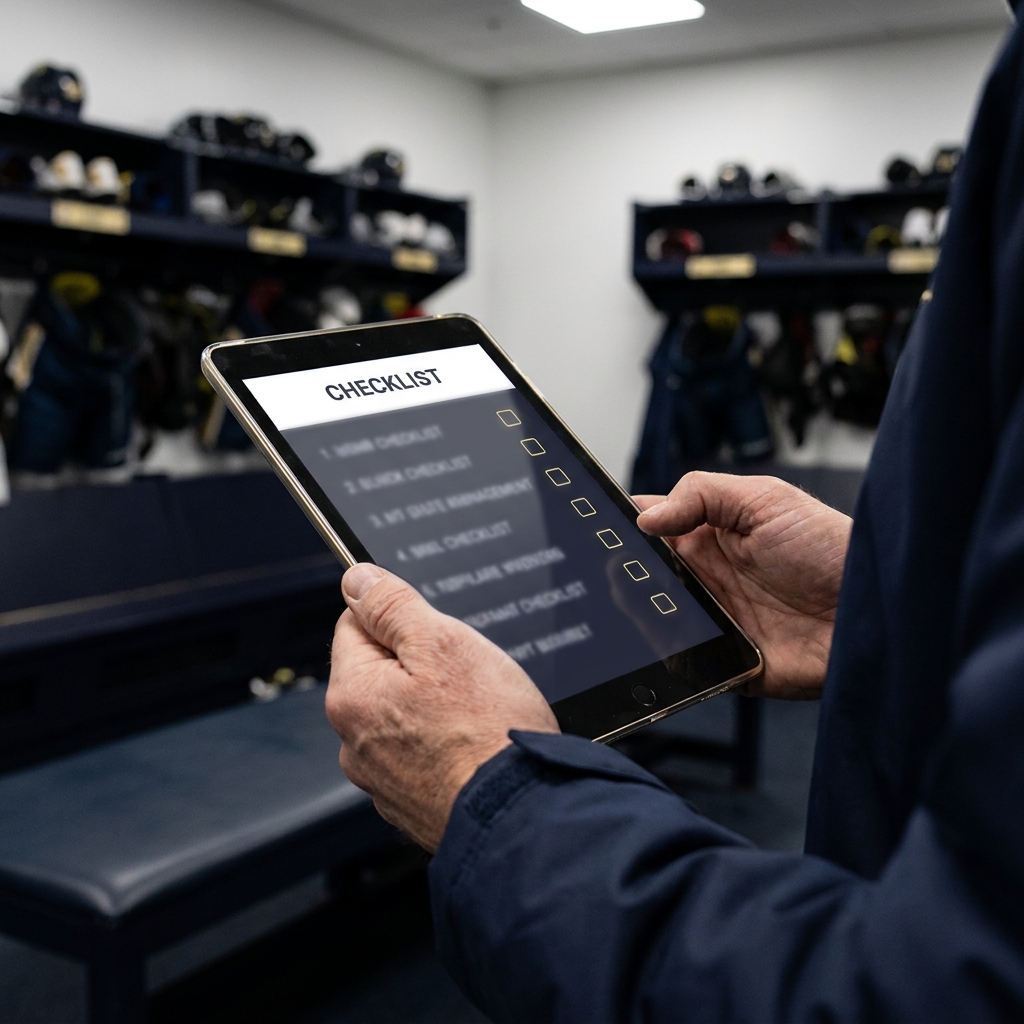
Coach and analyst checklist for a coming back-to-back block: review travel and arrival times, flag players with high recent minutes, note injury or soreness reports, identify depth players ready for minutes, and plan practice intensity downscaling. Add a post-stretch review step to record actual outcomes versus expectations and consult our evaluation guide.
Fan-facing checklist to evaluate decisions: check lineup changes, compare recent minutes for scratched players, consider travel logistics, and weigh team goals in the standings. Fans can use those items to judge whether a coach is prioritizing health, results or development in a given situation.
Good communication about the rationale for rest decisions reduces speculation. When teams explain the objective criteria briefly and follow up with outcome assessments, stakeholders and media are better equipped to understand the trade-offs involved.
Conclusion: key takeaways on How Back-to-Back Games Affect NHL Teams
Back-to-back scheduling matters because it compresses recovery, interacts with travel and requires explicit decisions about minutes and roster use. The effects are real yet variable, shaped by individual player profiles, team goals and operational choices.
Measure outcomes with focused KPIs, document rest decisions, and combine quantitative checks with qualitative reporting. That approach helps separate genuine scheduling signal from ordinary variance and supports repeatable, defensible choices over a season. Visit Funded Plays to learn more.
Not always; effects vary by player, travel, roster depth and team context, so outcomes depend on multiple interacting factors.
Players with heavy recent minutes, older age profiles or recent soreness tend to be prioritized for rest, but decisions should be individualized.
Track goal rates, turnover differential, expected-goals trends and high-danger chances along with lineup and travel notes.
References
- https://www.fundedplays.com/blogs
- https://www.scienceforsport.com/jet-lag-how-athletes-can-combat-fatigue-after-flying/
- https://pmc.ncbi.nlm.nih.gov/articles/PMC8279034/
- https://www.precisionhydration.com/performance-advice/performance/how-travel-can-ruin-your-performance-and-what-you-can-do-about-it/
- https://www.fundedplays.com/blogs/how-fundedplays-evaluations-work
- https://www.fundedplays.com
- https://www.fundedplays.com/challenges