
What is horse racing wagering? A clear definition
Horse racing wagering usually refers to pari-mutuel wagering, a system where bets of the same type are pooled and winners are paid from that pool after the track or regulator applies takeout and any rounding rules. This description of pari-mutuel betting explains why final payoffs are calculated only after wagering closes and pools are totaled, which affects the timing of payouts Encyclopaedia Britannica on parimutuel betting (Wikipedia on parimutuel betting)
In practical terms, a pool collects all Win tickets together, all Place tickets together and so on. From each pool the operator deducts a percentage for takeout, then applies breakage or rounding before calculating the dividends paid to winning tickets. Those steps are defined in formal wagering rulebooks and influence how much a successful ticket receives ARCI model rules overview
Convert unit size and number of units into total stake
Use whole numbers for units
Because dividends depend on the final pool size, tote screens and odds displays show provisional payouts until betting closes. That is why the amount shown when you place a ticket can change before post time and why portable odds are a live market indicator rather than a guaranteed return Investopedia explanation of parimutuel betting
Key terms you need to know: tote, takeout, breakage, pools
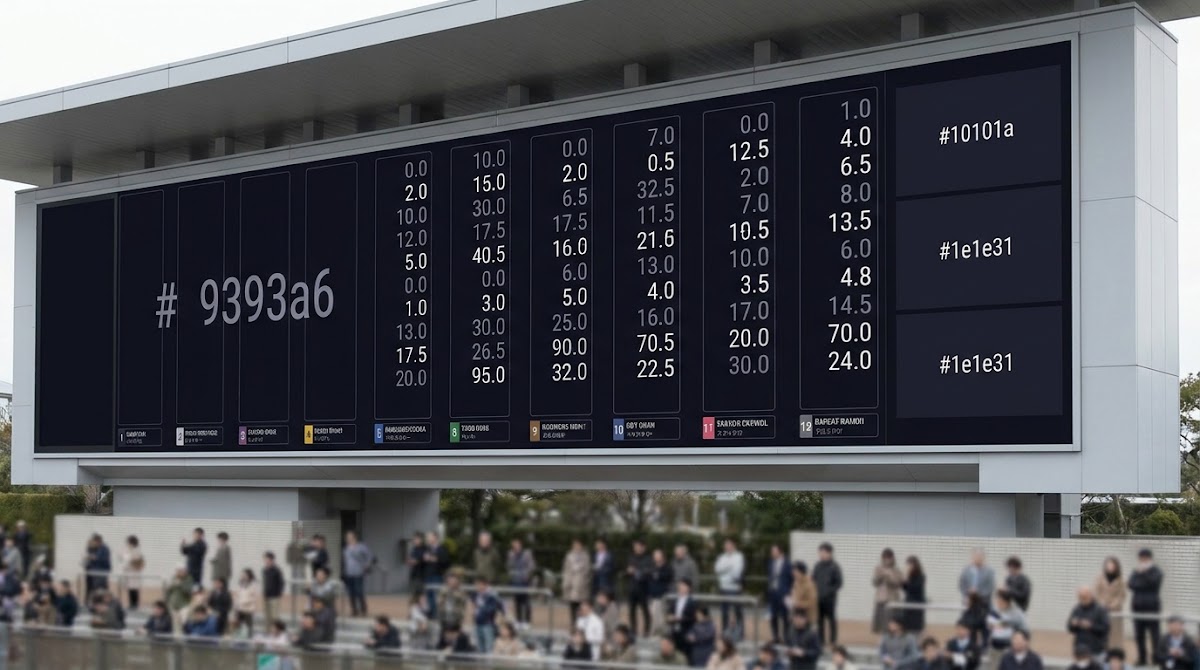
Tote odds are the market odds shown on pari-mutuel terminals and on the tote board; they update as money is bet into the pool. These odds are provisional and reflect the current distribution of money among outcomes until the pool closes Encyclopaedia Britannica on parimutuel betting
Takeout is the percentage removed from a pool for taxes, track operating costs and purses before dividends are calculated. Breakage is the rounding rule applied to payouts, often set by track or state rules, and both can affect small-wager returns ARCI model rules overview (Maryland definition of breakage)
Minimum bet amounts and payout thresholds are typically listed on the tote board or in the track rules. If you are unsure about a minimum or a specific rounding convention, check the track or regulator page for definitive information Example state racing rules and wagering section

Common wager types: straight bets and exotics
Straight bets are the simplest and most common. A Win bet selects the horse you expect to finish first. A Place bet pays if the selection finishes first or second and a Show bet pays if the selection finishes first, second or third. These bets are typically lower variance than exotic tickets and are the foundation of most wagering plans ARCI model rules overview
Exotic wagers require multiple selections or a specific order. An Exacta asks for the first and second horses in exact order. A Trifecta requires the first three in exact order and a Superfecta the first four. Exotics offer higher payout variability because they combine outcomes from multiple horses and therefore rely heavily on pool composition Encyclopaedia Britannica on parimutuel betting
Which exotics are available can differ by track and state, so review the track program or ADW options before assuming a particular exotic is offered. Jurisdictions publish permitted bet types in their wagering rules State racing rules example
Learn how structured challenges work
Before you place more complex tickets, review the definitions of each bet type and confirm which exotics the track or ADW operator offers.
How tote odds and payouts are calculated
Odds on the tote board change as money enters the relevant pool because the tote divides the pool among winning tickets after deductions. That means tote odds are dynamic and can move substantially up to post time as bettors place money on different horses Investopedia explanation of parimutuel betting
When the pool closes, the operator applies the stated takeout rate and then determines the dividend per winning ticket after breakage rules. Final dividends are therefore published only after betting closes and stewards certify the pools Encyclopaedia Britannica on parimutuel betting
If you want to see official payoffs, tracks and recognized ADW operators publish final dividends in the race chart and on official payoff pages; those records are the authoritative source for what each winning ticket receives State racing rules example
How to place a wager: at the track, at the window, and online
At the track, the usual sequence is: choose the race number, decide your bet type, select horse numbers and specify your stake or unit size. Present that information at a mutuel window or enter it into a licensed ADW app, then confirm the ticket before leaving the window or submitting electronically State racing rules example
Online advance-deposit wagering allows you to fund an account and place bets remotely, but availability depends on state licensing or authorization. Use only ADW operators that are permitted in your jurisdiction to ensure your activity complies with local law International agreement and jurisdictional notes (Funded Plays)

Before placing a bet via ADW, check the operator for permitted bet types and minimums, and verify that your state commission lists the operator as authorized. Rules for minimum wagers, permitted exotics and payout rounding vary and are set by local regulators or the track ARCI model rules overview (example wagering rules)
Reading betting tickets, notations, and minimums
A typical betting ticket shows the race number, the track identifier, the bet type, the horse selections and the stake or unit size. Confirm these fields on the printed or on-screen ticket before you leave the window or confirm your ADW bet State racing rules example
Minimum bet sizes and payout rounding can affect small wagers, so low-stake tickets may be subject to breakage rules and minimum payout thresholds set by the track or regulator. If in doubt, consult the track rules or the ADW help pages for definitive minimums ARCI model rules overview
Choosing wagers: decision criteria and bankroll basics
Start by setting a wagering budget you can afford to lose and choose a consistent unit size. Establishing a fixed unit helps you measure performance and prevents impulsive increases after losses NCPG guidance on responsible gambling (See how Funded Plays evaluations work)
Match bet types to your goals. If you seek lower variance and clearer feedback on a single selection, straight bets like Win, Place or Show are suitable. If you aim for larger payouts and have a plan to cover combinations, exotics can express more complex views but increase ticket cost and variance Encyclopaedia Britannica on parimutuel betting
Payouts are determined by pooling all bets of the same type, deducting takeout and applying breakage, then dividing the remaining funds among winning tickets; final dividends appear after the pool closes.
Decide in advance how many units you will risk per day or per race, and avoid increasing unit size to chase losses. Use deposit limits or self-exclusion tools if you feel control slipping NCPG guidance on responsible gambling
Strategy basics by bet type: when to use Win, Exacta, Trifecta and more
A Win bet makes sense when you have strong confidence in a single selection and want a direct payoff if that horse finishes first. Win bets are simple to manage from a bankroll perspective and help measure predictive accuracy on single selections Encyclopaedia Britannica on parimutuel betting
Exactas and Trifectas are useful when you can rank multiple horses by finish order. These tickets cost more in most constructions because they require combinations, but they let you capture outsized returns if the pool pays well for those specific outcomes Investopedia explanation of parimutuel betting
Boxing or keying are ticket construction methods that change combinations and therefore cost. A boxed Exacta covers both orders of two horses and doubles the ticket count compared with a single Exacta. Keying one horse against several others focuses coverage while keeping some cost control. Match these constructions to the unit size you set and the budget you allocated Encyclopaedia Britannica on parimutuel betting
Common mistakes and traps bettors fall into
Chasing losses is one of the most common errors. Increasing stakes after a loss tends to accelerate bankroll erosion and undermines an objective assessment of whether a strategy is working. Stick to your preset unit and budget to avoid this trap NCPG guidance on responsible gambling
Another frequent mistake is assuming displayed odds are final. Because tote odds are provisional until pools close, bettors should not treat pre-post numbers as guaranteed payoffs. Final dividends are determined after takeout and breakage are applied Investopedia explanation of parimutuel betting
Failing to check local rules can lead to surprises. Different states and tracks set takeout rates, breakage conventions and which exotics are permitted. Confirm those details before wagering, especially online through ADW services State racing rules example
Rules and legal considerations: model rules, state variation, and ADW regulation
Many U.S. jurisdictions reference the ARCI model rules when writing local wagering regulation. However, states implement their own takeout rates, breakage rules and permitted bet types, so regulatory language varies across jurisdictions ARCI model rules overview
Because online ADW availability depends on state licensing and authorization, bettors must use permitted operators in their state. If you plan to use ADW, check the operator list on your state racing commission site or the operator disclosure pages State racing rules example
Responsible play: budgets, limits, and safety tools
Set a fixed wagering budget before you start and define a unit size that is a small fraction of that budget. This simple discipline reduces the risk of rapid losses and provides clear tracking of performance over time NCPG guidance on responsible gambling
Use operator tools such as deposit limits, staking limits or self-exclusion when available. These measures are practical protections and are commonly encouraged in responsible gambling frameworks NCPG guidance on responsible gambling
Scenario walkthroughs: qualitative examples of ticket construction
Building a Win ticket is straightforward: identify the race and the horse number, choose your unit size and submit that stake as a Win. The ticket expresses a single ranked forecast which pays only if the selection finishes first. Because dividends depend on the pool, the conceptual cost is simply your stake and the exposure is limited to that amount Encyclopaedia Britannica on parimutuel betting
For an Exacta box of two horses you cover both possible orders for first and second. Conceptually that increases the ticket count and cost relative to a single Exacta, but it also increases your chances of capturing a winning order. Remember that actual payouts for any winning combination are determined after takeout and depend on how much money is in the Exacta pool Investopedia explanation of parimutuel betting
Keying lets you lock one horse into a finishing position and combine it with several opponents for the other positions. That strategy focuses coverage and can be a more efficient way to express a belief in one dominant selection while still covering multiple runners for the remaining spots Encyclopaedia Britannica on parimutuel betting
After the race: checking payoffs, claims, and disputes
Official payoffs are published by tracks and recognized ADW operators after pools are closed and dividends calculated. Use those official pages or the race chart to confirm exactly what each winning ticket received State racing rules example
If a ticket or payoff appears incorrect, contact the track claims office or the ADW operator customer service and follow the dispute procedures set out by the track steward and regulator. Keep your ticket and any transaction records handy during the inquiry ARCI model rules overview
Summary and next steps
Pari-mutuel horse racing wagering pools similar bets, applies takeout and breakage, and pays winners from the remaining pool after the race. Familiarize yourself with Win, Place and Show as the basic straight bets and with common exotics such as Exacta, Trifecta and Superfecta before expanding to more complex tickets Encyclopaedia Britannica on parimutuel betting
Next steps: set a budget, choose a unit size, review local rules for takeout and permitted wagers and use operator limits if you need extra protections. For authoritative rule language consult your state racing commission and consider the ARCI model rules as a reference framework ARCI model rules overview and check our blog (Funded Plays blog).
Pari-mutuel wagering pools bets of the same type and pays winners from that pool after takeout and rounding; final dividends are published after betting closes.
Online ADW availability depends on state licensing and authorization, so use only operators permitted in your jurisdiction.
Set a fixed budget, choose a consistent unit size, avoid chasing losses and use deposit limits or self-exclusion tools if needed.
References
- https://www.britannica.com/topic/parimutuel-betting
- https://www.arci.com/wp-content/uploads/2024/08/ARCI-Model-Rules-of-Racing-and-Wagering-2024.pdf
- https://www.investopedia.com/terms/p/parimutuel-betting.asp
- https://regulations.delaware.gov/AdminCode/title3/1000/1001.shtml
- https://www.ifhaonline.org/resources/InternationalAgreement2024.pdf
- https://www.fundedplays.com/challenges
- https://www.ncpgambling.org/programs-resources/responsible-gambling/
- https://en.wikipedia.org/wiki/Parimutuel_betting
- https://regs.maryland.gov/us/md/exec/comar/09.10.02.02
- https://www.kentuckyderby.com/wp-content/uploads/sites/3/2024/04/CDRT-Wagering-Rules.pdf
- https://www.fundedplays.com
- https://www.fundedplays.com/blogs
- https://www.fundedplays.com/blogs/how-fundedplays-evaluations-work