
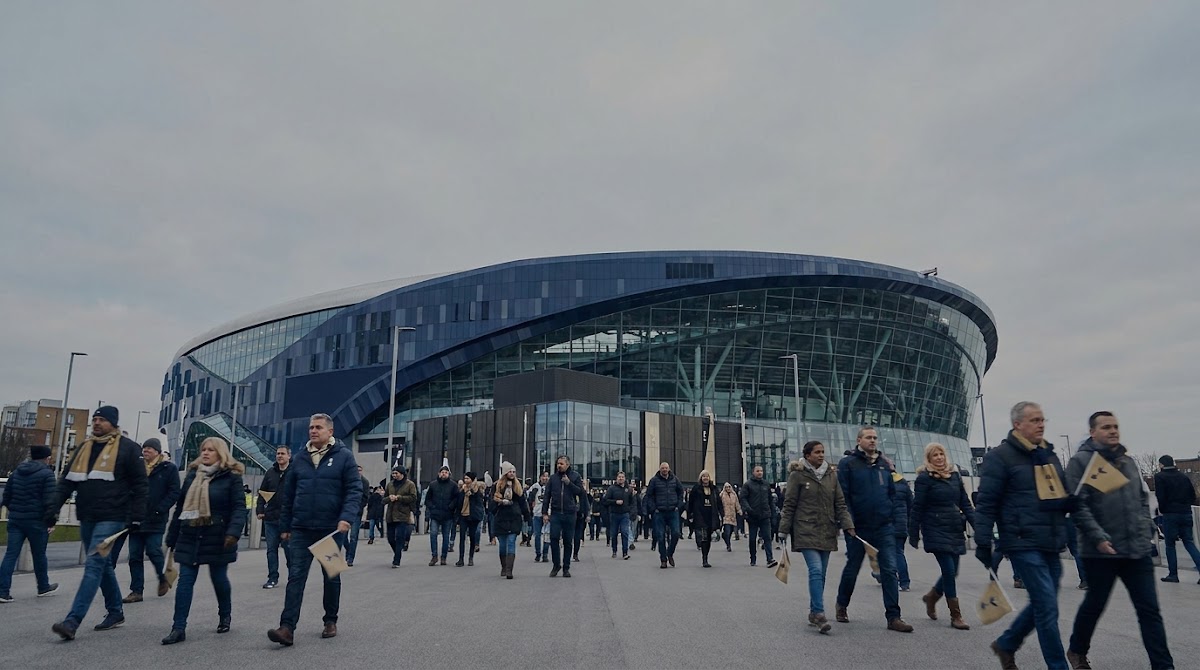
Short answer: why many Jewish fans historically supported Spurs (and why fulham prediction appears in local rivalry searches)
Many Jewish fans historically supported Tottenham Hotspur largely because of local geography: Jewish communities have long been concentrated in North and North-East London, places that sit within Spurs' natural catchment area, so family and neighbourhood ties shaped allegiances over generations. The Office for National Statistics 2021 bulletin shows where religious communities were recorded at that census point, and it helps explain these local support patterns ONS census bulletin.
Another part of the short explanation is how fan culture reacted to antisemitic abuse: some Spurs supporters historically adopted the Y-word as a form of self-identification in response to hostility, a practice documented in club and media coverage, but that approach has since been challenged and re-evaluated Tottenham club position. Discussion was also visible on forums Reddit thread.
Finally, the issue sits in a wider national context of rising antisemitic incidents reported by monitoring organisations, which has shaped club policies and public debate about supporter behaviour Community Security Trust report.

Geography and demographics: why North London matters for fan communities (census and local data)
Local geography and long-term residence are simple, durable factors in who supports which club. Spurs' stadium and community footprint sit near boroughs where many Jewish households were recorded in the 2021 census, and that proximity makes it more likely that parents, schools and social networks pass on a club preference across generations ONS census bulletin.
More detailed local research shows that Jewish populations are concentrated in parts of Barnet and adjacent areas, which overlap Tottenham's north London catchment; studies of small-area distribution give a finer picture of where communities live and how local loyalties form JPR local-area analysis.

Think of club support the way you think of local shopping or schools: people tend to follow familiar institutions close to home. Over decades, those neighbourhood patterns create a settled fan base, and that helps explain why Jewish support was more concentrated around Spurs rather than evenly spread across all London clubs.
How fan identity formed: the Y-word, self-identification and historical context
The Y-word became associated with some sections of the Spurs fanbase partly as a reactive cultural practice: facing antisemitic abuse, certain supporters used the term to mark identity or to take control of the insult. Media reporting and the club's own records note that this occurred among parts of the fan community rather than being universal across all supporters The Guardian coverage. Further coverage discussed what happens next New York Times coverage.
That reclamation impulse, seen in many social contexts, can give those targeted a way to deflect power from a slur. But reclaiming language is complex, and within a diverse fanbase people differed on whether such use felt safe, appropriate or effective.
Explore FundedPlays Challenges for structured sports forecasting challenges
For clarity, read the club's guidance and local resources to understand current expectations about supporter language and conduct.
Over time the balance of views shifted as clubs, community groups and wider public opinion reconsidered whether using a slur in any form helps reduce harm or contributes to a safer matchday environment.
Tottenham Hotspur's 2022 review and official position
In 2022 the club carried out a consultation and concluded that the Y-word is inappropriate for any fanbase, asking supporters to move away from using it; the club framed the change as part of safeguarding and inclusivity for all supporters Tottenham club position.
Public reporting of the club's announcement captured both the conclusion and the call for supporters to change behaviour, with several outlets summarising the review and its recommendation for fans to stop using the term BBC Sport report and ESPN.
Summarise the club's official recommendations and suggested reader steps
Check the club statement for full guidance
The club asked supporters to abandon the term entirely, not as a narrow prohibition but as an explicit change intended to reduce harm and make matchdays more welcoming. That request should be read in light of the consultation findings and the club's stated safeguarding priorities.
Recent trends: antisemitic incidents in football and their impact on Spurs supporters
Monitoring groups have recorded rising antisemitic incidents nationally, with the Community Security Trust reporting a record number of incidents in 2023, including cases linked to football and supporter interactions; that pattern frames much of the contemporary discussion on fan safety Community Security Trust report.
The increase in reported incidents affects how clubs, supporters and authorities prioritise education, reporting and enforcement, because higher incident levels heighten concern about matchday and online behaviour.
Predominantly because Jewish communities were concentrated in North and North-East London, which formed Tottenham's local catchment, and because local social networks passed club loyalties across generations.
These trends do not mean every match is affected in the same way, but they do mean clubs and community groups are treating abuse reports as an urgent and ongoing matter requiring monitoring and response.
Why reclamation gave way to retirement of the slur in policy and practice
Early uses of the Y-word by some fans can be understood as an attempt at reclamation, a defensive practice where a targeted group reclaims a slur to reduce its power. That logic explains part of the historical context for why the term appeared in chants and self-reference among some supporters.
Institutions now favour retirement of the slur because reclaimed uses remain harmful in public settings and complicate enforcement and safeguarding. The club's 2022 consultation and monitoring reports that highlight rising antisemitic incidents both support the institutional rationale for discouraging the Y-word, even if it was sometimes used self-referentially Tottenham club position.
That shift recognises that public safety, the experience of Jewish supporters, and practical enforcement concerns can outweigh arguments for limited reclamation in closed groups or contexts.
How club and community efforts work together to reduce abuse
Clubs and community organisations typically combine education programmes, reporting channels, stewarding and sanctions to address harassment; these elements together form the practical response mix that clubs deploy to protect supporters and enforce codes of conduct Community Security Trust report.

Tottenham's public 2022 position fits into that broader approach by pairing a clear request on language with encouragement to use reporting routes and community liaison to resolve incidents (see Funded Plays blog).
A simple decision framework for fans, clubs and bystanders
When you encounter abusive language, start by assessing immediate safety, and do not put yourself or others at risk by intervening physically. If it is safe to act, document the incident with time, place and, if possible, a short recording or screenshot to support later reports.
Next, use official club reporting channels and matchday stewards, and where appropriate contact community monitoring bodies that collect and investigate antisemitic incidents. Following the club's guidance on reporting helps with enforcement and wider monitoring efforts Tottenham club position. See how Funded Plays evaluations work for an example of an internal checklist approach.
These steps are practical and non-legal. They help individuals decide when to report, and they feed into collective efforts to make enforcement possible and consistent.
Common mistakes and misunderstandings among fans
A common mistake is assuming all Spurs supporters accept or endorse the Y-word; the fanbase is diverse and views differ widely about language and culture, so blanket assumptions are unreliable.
Another misunderstanding is to dismiss concerns as oversensitivity. Normalising abusive language online or at matches can make it harder for clubs to police behaviour and for targeted supporters to feel safe; monitoring reports underline the real harms that follow from repeated abuse Community Security Trust report.
Safer alternatives include avoiding slur-based chants, using neutral club-support language, and focusing on team-related banter rather than identity-based insults.
Practical scenarios: matchday, social media, and friendly banter
Scenario one, matchday chant: you hear a slur in a nearby block. If you feel safe, tell a steward and report the incident later with details; if not, prioritise moving to safety and pass information to a club steward or reporting channel afterwards Tottenham club position.
Scenario two, social media exchange: if a friend posts a joke that uses the Y-word, respond privately to explain why it can be harmful, or ask them to remove the post. Document the exchange and, if the content breaches platform rules, use the platform's reporting tools.
Scenario three, a private joke that becomes public: acknowledge that privacy does not make a slur acceptable in public. If the remark has spread, encourage the person responsible to apologise and to use reporting channels if abuse continues; escalate to club or community monitors if the situation affects safety or repeats.
What this means for other London clubs and Jewish communities
The pattern of Jewish support being more visible at Spurs is best read as the outcome of local demographics and long-term community ties rather than any single club doctrine. Different clubs have distinct local catchments, which explains why support patterns vary across London.
ONS and JPR data underline that community distribution matters; other clubs draw their core support from different parts of the city, so the presence of Jewish families or other communities will differ by neighbourhood and local history JPR local-area analysis.
Practical advice for supporters who want to be allies
Allies can take concrete steps: avoid using the Y-word in any form, intervene safely when you witness abuse, report incidents through club channels, and support community education efforts that teach respectful language and behaviour.
Backing official reporting and education, and respecting how Jewish people say they want to be addressed, are practical ways to make matchday life safer and more inclusive for everyone. Remember that listening to affected community members should guide how allies act in public conversations Community Security Trust report.
How researchers and media track fan identity and abuse trends
Researchers and media use several primary sources to understand fan identity and abuse: the ONS census provides baseline demographic snapshots, JPR offers more detailed local-area studies, and CST publishes incident reports that track patterns of antisemitic abuse over time ONS census bulletin.

Each source has limits: census data are periodic snapshots, local studies depend on methodology, and incident reports reflect recorded cases rather than every instance people experience. Together, though, these sources give a clearer, if imperfect, picture of trends to watch.
Conclusion: what we can take away and the open questions ahead
Historic Jewish support for Spurs is best explained by geography and community ties, supplemented by how some fans responded culturally to abuse; those local patterns and historical responses shaped a visible relationship between Jewish supporters and Tottenham Hotspur Tottenham club position.
The club's 2022 request to move away from the Y-word and the broader context of rising antisemitic incidents reported by monitoring groups frame current debates about language, safety and enforcement Community Security Trust report.
Local demographics concentrated many Jewish households in North and North-East London, which overlaps Spurs' traditional catchment; local ties and family networks helped shape club support over time.
The club concluded the Y-word is inappropriate for any fanbase and asked supporters to move away from using it, framing the change as safeguarding and inclusivity.
If safe, document the incident with time and place, notify matchday stewards or use official club reporting channels, and consider contacting community monitoring groups that collect reports.
References
- https://www.ons.gov.uk/peoplepopulationandcommunity/culturalidentity/religion/bulletins/religionenglandandwales/census2021
- https://www.tottenhamhotspur.com/news/2022/february/club-position-on-the-y-word/
- https://cst.org.uk/publication/antisemitic-incidents-report-2023
- https://www.jpr.org.uk/publication/jews-in-england-and-wales-in-2021
- https://www.theguardian.com/football/2022/feb/23/tottenham-urge-fans-to-move-away-from-y-word-following-review
- https://www.bbc.com/sport/football/60473618
- https://www.fundedplays.com/challenges
- https://www.reddit.com/r/soccer/comments/sp52ys/tottenham_hotspur_ask_fans_to_move_on_from_using/
- https://www.nytimes.com/athletic/2963758/2021/11/19/spurs-fans-and-the-y-word-what-happens-next/
- https://www.espn.com/soccer/story/_/id/37625399/tottenham-y-word-club-supporters-move-review
- https://www.fundedplays.com
- https://www.fundedplays.com/blogs
- https://www.fundedplays.com/blogs/how-fundedplays-evaluations-work