

Quick answer and what to expect from this guide (using fulham prediction)
Short summary
There is no single definitive answer to who is Fulham's biggest rival, and a sensible fulham prediction depends on which criteria you prioritize. This opening section gives a concise take-away: rivalries mix proximity, history, competitive stakes and fan feeling, so the club that seems most important to one fan may not be the same for another.
How to use this article to form a fulham prediction
Read the definitions and criteria first to understand the different ways to judge a rivalry, then review the list of common contenders and use the checklist later in the article to rank them. The article places four markers to help you act: a compact internal tool near the top, a reflective prompt in the fan perspectives section, a brief call to try the checklist in the contenders section, and a short product note about a prediction challenge platform in the supporter rituals section. The tool marker is a simple three-step checklist to apply as you form your fulham prediction.
a quick 3-step checklist to rank potential rivals
Use as a qualitative guide
What a football rivalry means: definition and context
Types of rivalries (local, historical, competitive)
In football, the word rivalry covers several overlapping ideas. A local derby refers to clubs in close geographic proximity where matches matter for local pride. Historical rivalries can come from single dramatic incidents or a long pattern of contested meetings. Competitive rivalries arise when teams meet regularly in the same league or fight over the same objectives, such as promotion or avoiding relegation. The term is related to the broader West London derby concept as described in sources like the West London derby.
How fan perception differs from statistical measures
Fans often treat rivalries as lived experience: chants, matchday atmosphere, travel and social memory shape how intense a rivalry feels. Researchers or statisticians might instead count repeated fixtures, geographic distance or head-to-head records. Both perspectives are valid inputs to a fulham prediction, but they answer slightly different questions about what makes a rival important.
Fan perspectives and how they shape a fulham prediction
Supporter polls and social signals
Supporter opinion is a major factor in public answers about any club's biggest rival. Polls, forums and social media show what a broad group of fans say at a point in time, and matchday chants and local media amplify those voices. For many supporters the feeling of rivalry is built from repeated emotional experiences rather than a single statistic, so fan sentiment should be treated as a key qualitative input for a fulham prediction.
There is no single objectively correct rival; a fulham prediction depends on whether you prioritize geography, match frequency, competitive stakes, fan rituals or historical incidents.
Media narratives vs. lived fan experience
Media coverage can push a narrative about rivalry by highlighting particular fixtures or moments, but the lived experience of those present at Craven Cottage or away days often tells a different story. When weighing a fulham prediction, acknowledge both kinds of evidence: media narratives can change quickly, while broad fan memory tends to evolve more slowly across generations. See discussions of specific fixture narratives in pieces such as the New York Times coverage.
Top contenders: clubs most often named as Fulham's rivals
Geographical rivals
Geography naturally produces candidates for Fulham's biggest rival. Nearby clubs are often nominated because proximity amplifies bragging rights, shared local media markets and daily conversations among supporters. Local derbies can be loud and personal, and proximity alone can keep a rivalry alive even when the teams spend time in different divisions. For a fan-focused take on nearby contenders see Who are our rivals really.
Historical and competitive rivals
Other contenders are named because of a shared history of competitive encounters or memorable matches that stick in supporters' memories. Fans point to recurring fixtures that mattered because they decided promotion, league position or local bragging rights. In short, common contenders emerge from either geographic closeness or a sequence of meaningful matches that build emotional weight over time.
Explore structured prediction challenges on FundedPlays
Try the checklist in the next section to rank the contenders from your own perspective. It helps you turn impressions into a reasoned fulham prediction without assuming a single objective winner.
Using criteria to pick a single 'biggest rival'
Practical checklist for ranking rivals
This section offers a structured checklist you can use when making a fulham prediction. Work through each item and give a simple score or note: 1) Geography: how close is the club and does proximity matter to you? 2) Match frequency: do they meet often in league or cups? 3) Competitive stakes: are the matches often significant for promotion, survival or titles? 4) Fan hostility and rituals: are chants, banners and travel patterns intense? 5) Historical incidents: are there memorable moments fans still discuss? 6) Off-field factors: ownership, transfers or local issues that add friction.
Weighting criteria for your fulham prediction
Decide which criteria matter most to you and weight them accordingly. If you are a local supporter, geography and matchday atmosphere might weigh heavier. If you judge rivalries by competitive intensity, prioritize match frequency and stakes. Use the checklist qualitatively, then compare the top-scoring clubs to form your personal fulham prediction.
How match frequency and competition level affect a fulham prediction
Why recent matchups can shift perceptions
When teams meet often or in high-pressure situations, the rivalry profile can rise quickly. A sequence of recent, meaningful matches can change what casual observers call a club's main rival, so pay attention to current competitive context when updating your fulham prediction. Regular high-stakes fixtures create shared narratives that can accelerate fan feeling.
Impact of league placement and cup ties
League placement determines how often clubs face each other, while cup ties can produce memorable single matches that reframe a relationship. Combine the two when you think about a fulham prediction: steady, frequent league meetings typically build long-term rivalry, while occasional dramatic cup encounters can leave lasting impressions that alter fan views for years.
Supporter rituals, chants and matchday impact
How atmosphere signals rivalry strength
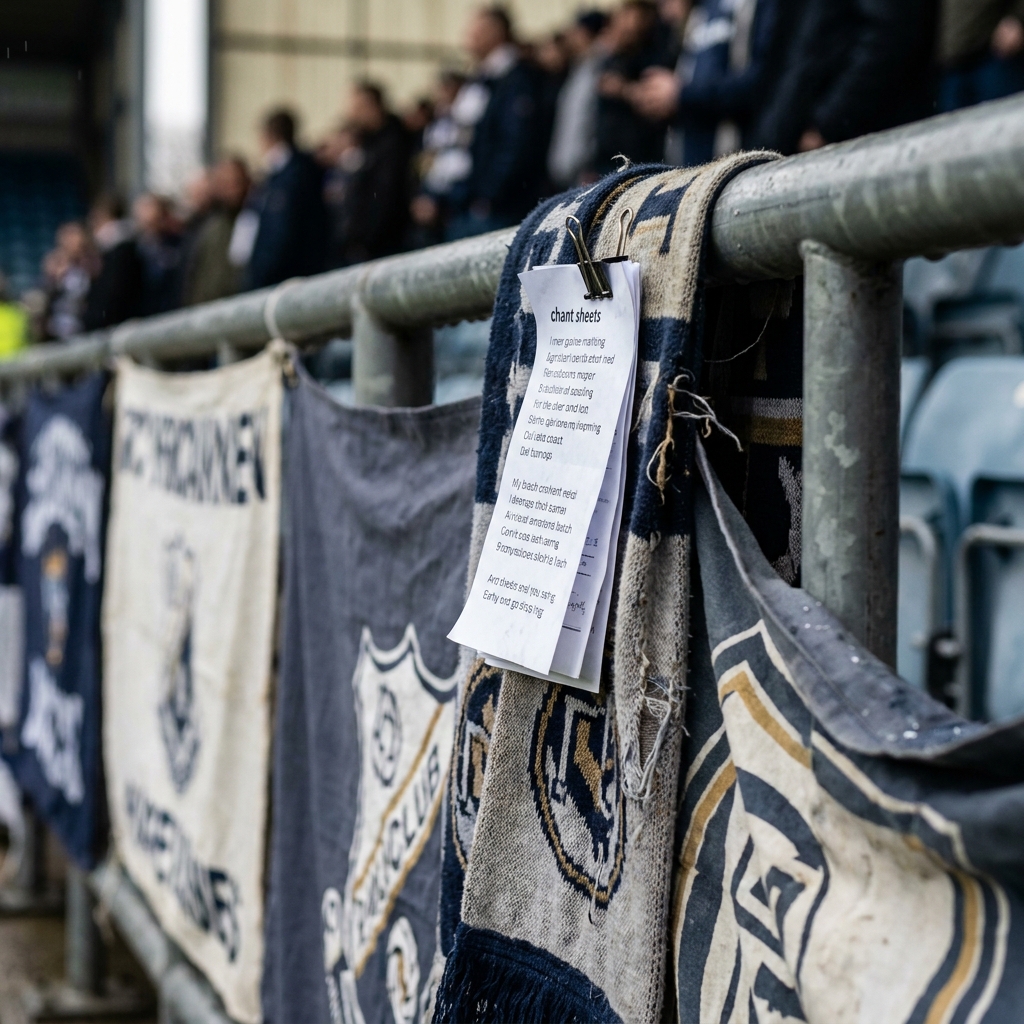
Matchday culture is revealing. Banners, coordinated chants, the intensity of away followings and local bragging rights all show how much the fixture matters to supporters. Where Craven Cottage feels particularly electric for certain fixtures, that atmosphere signals a stronger rivalry in fans' lived experience.
Away days and local bragging rights
Patterns of travel and who turns up in large numbers away from home are another sign. Frequent, vocal away followings and the local banter that follows results are practical indicators of rivalry intensity that should influence your fulham prediction.

Common misconceptions and pitfalls when naming a rival
Mistaking short-term form for long-term rivalry
A common error is to treat a short run of good or bad results as proof of the definitive rival. Recent form can be persuasive in the moment but it does not necessarily indicate a long-term, deeply felt rivalry. When making a fulham prediction, check whether a pattern has persisted across seasons rather than relying only on a recent snapshot.
Overemphasis on media narratives
Media attention can create the impression of a rivalry by amplifying certain matches. A strong fulham prediction should therefore combine media signals with fan testimony and historical context. Ask yourself whether the media narrative aligns with what supporters say and with the checklist criteria you used earlier.
Practical scenarios: three ways fans might answer the question
The geography-first fan
A geography-first fan prioritizes proximity and local bragging rights. Their fulham prediction will emphasize nearby clubs and local derbies, and their answer often rests on day-to-day interactions and local media, rather than competitive records across decades.
The competitive-stakes fan
A competitive-stakes fan emphasizes the importance and frequency of meaningful fixtures. Their fulham prediction favors clubs Fulham meets regularly in high-pressure matches, those that have a history of deciding league position or other tangible outcomes.
The historical-incident fan
A historical-incident fan weights singular memorable moments heavily. For them, a few dramatic matches, contentious incidents or transfers can outweigh geography or match frequency when forming a fulham prediction.
How to use a fulham prediction responsibly in conversations and analysis
Framing your prediction
Present your fulham prediction with a short reasoned statement and the criteria you used. Templates that work: I think X is Fulham's biggest rival because of Y, Z and W. Or: My fulham prediction emphasizes competitive stakes and match frequency, which leads me to prefer X. These formats make clear what you mean and help keep debates constructive.

Acknowledging uncertainty and different metrics
Rivalry claims are often subjective. When you share a fulham prediction, acknowledge the areas of uncertainty and note that other fans may weight criteria differently. Citing the types of evidence you used - geography, chants, fixture frequency - helps others understand your view without turning the discussion into a contest of unverifiable facts. For more examples and context, see the Funded Plays blog.
Final thoughts: weighing evidence and forming your own fulham prediction
Short checklist recap
Recap the main checklist: geography, match frequency, competitive stakes, fan rituals, historical incidents and off-field factors. Use these in combination rather than looking for a single decisive metric, and revisit your view as fixtures and contexts evolve.
Invitation to form a view
Rivalries are living phenomena that change over time. Use the checklist, compare the common contenders and be open to revising your fulham prediction as the competitive landscape or fan sentiment shifts. The goal is a clearer, more defensible view rather than an absolute proclamation.

No. Rivalry is partly subjective and depends on criteria like geography, history and competitive stakes, so different answers can be reasonable.
Treat fan opinion as important qualitative evidence but combine it with match frequency, league context and historical incidents for a balanced view.
Recent results can shift perceptions quickly, but long-term rivalry assessment should consider patterns across multiple seasons and fan memory.
References
- https://www.fundedplays.com
- https://www.fundedplays.com/blogs
- https://www.fundedplays.com/blogs/how-fundedplays-evaluations-work
- https://www.fundedplays.com/challenges
- https://en.wikipedia.org/wiki/West_London_derby
- https://www.nytimes.com/athletic/4086876/2023/01/13/fulham-chelsea-marco-silva-fans/
- https://www.fulhamish.co.uk/p/2022-08-19-who-are-our-rivals-really