

What football prediction apps are and why legality varies
Football prediction apps are digital platforms that let users forecast match outcomes, player stats, or event sequences and may reward accurate forecasts with prizes, account progression, or cashlike rewards. Common business models behind these apps include sportsbook-style wagering, fantasy contests with entry fees, prize competitions or free draws, and skill contests that use simulated or virtual bankrolls. The exact rules that apply to any given offering turn on the app's structure and the laws where the user and operator are located.
The federal Unlawful Internet Gambling Enforcement Act excludes compliant fantasy or simulation contests from the federal definition of a bet or wager, but that federal exclusion does not replace state law, so state rules still determine what is permitted in practice 31 U.S.C. § 5362 - Definitions (UIGEA).
It depends on the app's contest structure and your jurisdiction; verify licensing, contest type, fees, age and geolocation controls, and responsible gaming disclosures before participating.
Because legal frameworks differ, the same feature can be lawful in one country or state but restricted or illegal in another; this is why the contest type and applicable jurisdiction are the two core questions to resolve when you assess any football prediction app. For readers who want a quick sense, think in terms of three checks, which we develop in this guide: what the app asks users to stake, whether skill or chance dominates the outcome, and which regulator has authority.
Across Europe, there is no single EUwide gambling regime, so Member States adopt and enforce their own rules and agencies, meaning a prediction app must be evaluated under the national law where it operates or where a user is located Gambling services in the EU Single Market.
Common contest types inside football prediction apps and how regulators treat them
Apps that look similar on the surface can follow different legal models. At one end are licensed sports betting offerings where users place real money on outcomes and a licensed operator settles bets. At the other end are sweepstakes, prize competitions, and skill contests that may use entry fees or free entry, and fantasy contests that aggregate player performance into scoring systems. Understanding which category an app fits into is the first step toward knowing which rules apply.

In the UK, prize competitions and free draws can sit outside gambling law when specific conditions are met, for example when no entry fee is required or the contest involves a genuine skill element rather than a pure game of chance Prize competitions and free draws: the law.
When a contest is presented as a fantasy or simulation, a federal exclusion can apply in the United States, but this exclusion depends on statutory criteria and does not prevent states from imposing their own rules or consumer protections 31 U.S.C. § 5362 - Definitions (UIGEA).
To make these differences tangible, here are short examples: a site that takes real money and credits bets directly is a wagering model; a platform that runs seasonlong contests using player stats and skillbased scoring may be a fantasy model; and a challenge that uses a virtual bankroll and pays rewards only after evaluation can be structured as a skill contest or sweepstakes depending on the rules and local law.
Quick regulator lookup checklist to confirm license status
Save regulator pages for disputes
How to check if a football prediction app is legal where you live
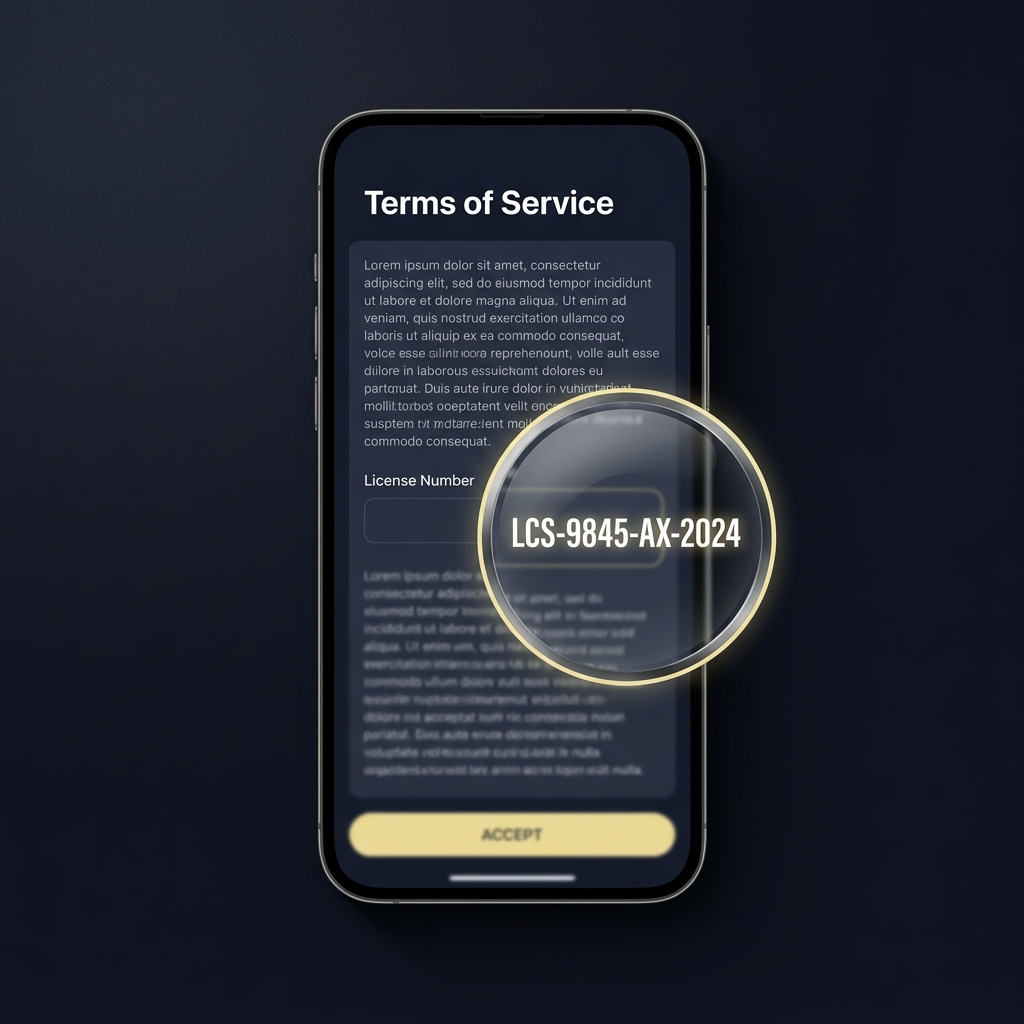
Use a short, stepby-step process before you register or deposit. First, confirm whether the operator is licensed or registered with the regulator that governs gambling or fantasy contests where you live. Authoritative license lookups and interactive maps are the most reliable source for this information Interactive Map: Sports Betting in the U.S. (American Gaming Association). For a broader overview from the same association, see the state-by-state gaming map Gaming Map.
Second, read the app's terms of service carefully to identify the contest type, entry fees, prize structure, and withdrawal rules; these sections often reveal whether the product is a sportsbook, a fantasy contest, a sweepstakes, or a simulation. Look for explicit statements about virtual bankrolls, whether entries cost money, and whether prizes depend on aggregated participant performance. See how Funded Plays evaluations work how Funded Plays evaluations work.
Check FundedPlays Challenges and regulator status before you sign up
Before you sign up, confirm the operator's licensing status with the official regulator for your location and save a copy of the regulator page for your records.
Third, check age and geolocation controls. A legitimate operator will enforce minimum age limits and geolocation checks as required by regulators; weak or missing controls are a reason for caution. Fourth, look for responsible gaming information and a clear dispute resolution procedure in the terms of service. If any of these elements are missing or unclear, treat the app as higher risk.
If you need help deciphering terms about fees or withdrawal rules, consider taking screenshots and contacting the regulator or a consumer protection office before depositing funds.
U.S. specifics: state-by-state sports betting, fantasy exceptions, and consumer protections
In the United States, legal sports betting is governed at the state level, which means that a sportsbook must be licensed in your state for its offering to be lawful for you; interactive maps and state regulator lists help you check which states allow licensed sports wagering Interactive Map: Sports Betting in the U.S. (American Gaming Association).
At the federal level, the UIGEA carved out an exclusion for compliant fantasy and simulation contests from the definition of a bet or wager, but that federal exclusion does not automatically make an app lawful in any specific state; states can regulate, limit, or ban certain fantasy formats under their own laws 31 U.S.C. § 5362 - Definitions (UIGEA). For recent coverage on prediction markets and related legal questions, see this article from CBS Sports Are sports prediction markets legal?.
Some states have taken steps to provide explicit consumer protections for fantasy contests. For example, Massachusetts has adopted fantasy sports regulations that require safeguards such as age verification and segregation of player funds, which illustrate how states may impose rules beyond federal guidance 940 CMR 34.00: Daily Fantasy Sports Regulations.
Practical signals of a responsibly run offering include a clear license number, published approved leagues or events where applicable, and an identifiable regulator contact. For instance, state regulators like the New Jersey Division of Gaming Enforcement publish lists of approved sports and events that licensed operators may offer Approved Leagues/Events for Sports Wagering (New Jersey).
If you live in a state that does not license sports betting, an app that appears to accept real money for wagers is likely unlawful for you even if it operates in another jurisdiction. That is why geolocation and state licensing checks are essential before depositing funds, as covered in reporting such as the New York Times analysis of prediction markets and legal battles Are prediction markets just sports betting by another name.
U.K. and EU: prize competitions, licensing, and national rules
In the United Kingdom, the legal treatment of prediction contests depends on structure. Prize competitions and free draws can fall outside gambling law when they meet the conditions set out by the regulator, such as having no entry fee or demonstrating that a genuine skill requirement determines the winner Prize competitions and free draws: the law.
Across the European Union there is no single harmonised gambling framework; Member States individually set licensing and enforcement rules, so an app that is lawful in one country may be restricted or require a license in another Gambling services in the EU Single Market.

If a funded challenge or simulation model is offered, make sure the rules describe whether entries require payment, how virtual funds are used, and under what conditions prizes or account progression occur. Clear rules and published terms reduce legal uncertainty, but national law ultimately controls. See the Funded Plays homepage Funded Plays.
Decision criteria: five questions to ask before using a football prediction app
Use this fivequestion framework to decide whether to proceed with an app.
1) Is the app licensed or registered where you live? Confirm via the regulator's license lookup or an authoritative map before depositing funds Interactive Map: Sports Betting in the U.S. (American Gaming Association).
2) What contest type does the app operate? If the terms show realmoney wagering, the offering is likely a sportsbook; if it describes seasonlong scoring or fantasy rosters, treat it as a fantasy contest; if it uses virtual bankrolls and evaluations, treat it as a simulation or skill challenge.
3) Are there entry fees, and how are prizes or rewards paid? Hidden fees or unclear withdrawal rules increase legal and financial risk.
4) How does the app verify age and geolocation? Robust verification is a sign that an operator is attempting to comply with applicable rules. 5) Where is dispute resolution handled and what evidence can you keep? Save screenshots of terms and regulator pages for any escalation. For additional reading, see the Funded Plays blog Funded Plays blog.
If you find ambiguity on any of these questions, avoid depositing funds and contact the relevant regulator for clarification.
Common mistakes and legal pitfalls users make with prediction apps
Assuming that the phrase skillbased means an app is legal is a common mistake. Regulators focus on the legal structure and the role of chance, so a label alone is not a guarantee of compliance. Read the detailed rules to understand how outcomes are determined.
Another frequent error is ignoring geolocation and age restrictions. Registering from a state or country where the product is not permitted can expose you to loss of funds and limits on dispute remedies. Always check the operator's stated geolocation practices and verify that they match your location.
Users also sometimes overlook small or buried fees in the terms of service that effectively convert a free contest into an entrypaid competition. Watch for language about processing fees, subscription elements, or mandatory purchase mechanics that change the legal treatment of the contest.
As a safety measure, avoid sharing unnecessary financial information or depositing without clear evidence of license and compliant operations. If in doubt, contact your state attorney general or the national regulator before proceeding.
Practical examples and scenarios: what a lawful skill-based challenge looks like
Example 1 A fantasy contest that meets statutory criteria for exclusion from a wagering definition will typically publish rules showing roster construction, scoring methods, and confirmation that outcomes rely on participant skill and knowledge rather than chance; the federal exclusion for compliant fantasy contests is a starting point for this analysis 31 U.S.C. § 5362 - Definitions (UIGEA).
What to check in such a fantasy contest: look for transparent scoring rules, whether entries require payment, the method for awarding prizes, and whether the platform is licensed or registered with a relevant state or national regulator. If the rules are opaque or rewards flow through unregulated payment systems, treat the contest as higher risk.
Example 2 A simulated funded challenge model typically provides participants with virtual bankrolls or paper balances to make predictions, and advancement or rewards depend on passing evaluation rules rather than direct wagering. In states that regulate fantasy contests, regulators have sometimes required protections such as age limits and segregation of player funds to protect consumers, as seen in Massachusetts' regulations 940 CMR 34.00: Daily Fantasy Sports Regulations.

When you see a funded challenge model, confirm that the rules explain clearly how virtual funds are assigned, how performance is measured, and whether any realmoney transfers are permitted at any stage. Transparency reduces the chance that a platform crosses into an unlicensed wagering model.
Final checklist and next steps if you suspect an app is operating unlawfully
Condensed checklist: confirm licensing, identify contest type, check entry fees and withdrawal rules, verify age and geolocation controls, and look for responsible gaming disclosures. Use regulator pages and maps to confirm status and keep screenshots of any evidence you collect Interactive Map: Sports Betting in the U.S. (American Gaming Association).
If you suspect an operator is unlawful, file a complaint with the national or state regulator that has jurisdiction and provide your evidence, including screenshots and copies of terms. For statelevel concerns in the United States, the state attorney general or gaming division will typically accept complaints; for licensed operators, regulators often have complaint forms or email contacts for consumer issues Approved Leagues/Events for Sports Wagering (New Jersey).
Conservative next steps are simple: do not deposit funds on platforms with unclear status, document communications, and seek regulator guidance if you plan to escalate. If you expect losses or suspect fraud, your state consumer protection office can advise on recovery options.
It depends. Sports betting is legal only where state law allows licensed operators, while some fantasy or simulation contests may be excluded from federal wagering definitions but remain subject to state rules.
Read the terms to see if entries require payment, whether outcomes depend on aggregated skillbased scoring, and whether prizes are settled like wagers; if unclear, treat it as higher risk.
File a complaint with the national or state regulator that has jurisdiction, and keep screenshots of terms and any communications for your report.
References
- https://www.law.cornell.edu/uscode/text/31/5362
- https://single-market-economy.ec.europa.eu/sectors/services/gambling_en
- https://www.gamblingcommission.gov.uk/guidance/prize-competitions-and-free-draws
- https://www.americangaming.org/resource/interactive-map-sports-betting/
- https://www.americangaming.org/research/state-of-play-map/
- https://www.fundedplays.com/blogs/how-fundedplays-evaluations-work
- https://www.cbssports.com/prediction/news/prediction-market-legal-states/
- https://www.mass.gov/regulations/940-CMR-3400-daily-fantasy-sports-regulations
- https://www.nj.gov/oag/ge/approved-sports-wagering-events.html
- https://www.nytimes.com/athletic/7075799/2026/03/09/prediction-markets-sports-betting-legal-battles/
- https://www.fundedplays.com/challenges
- https://www.fundedplays.com
- https://www.fundedplays.com/blogs